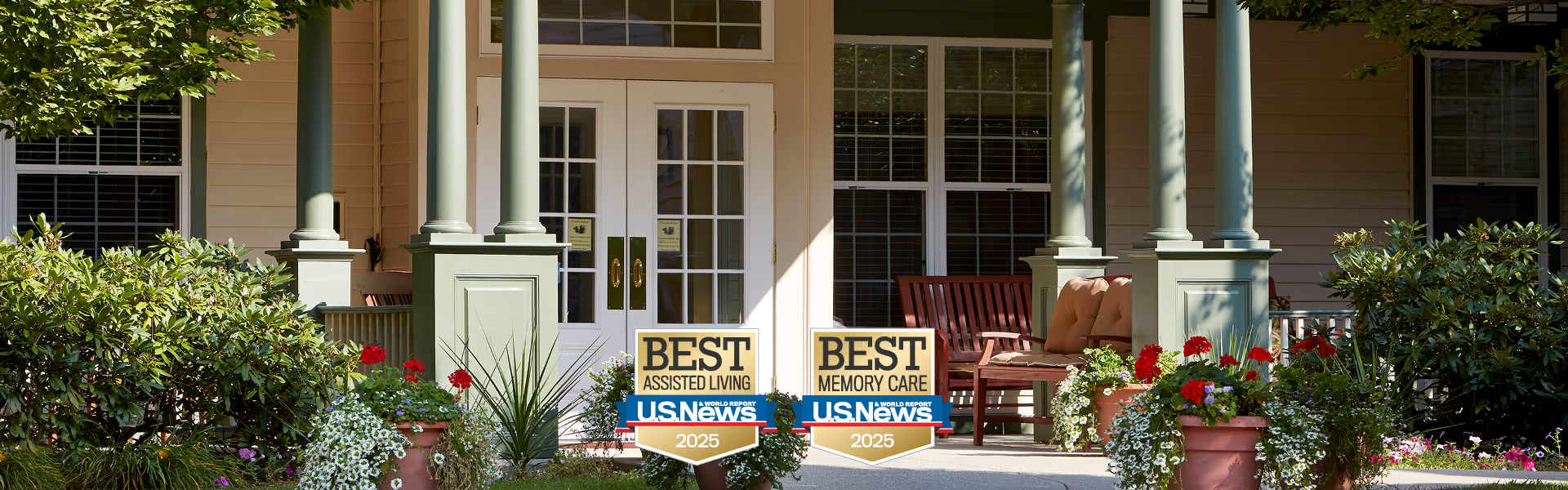
Notre Dame Health Care is described overall as a well‑maintained, faith‑oriented campus with strengths in person‑centered care, hospice services, and memory‑care programming. Reviewers frequently highlight long‑tenured staff, continuity of caregivers, and a strong CNA culture that families associate with dignified, attentive daily care. The facility’s Harmony memory‑care unit and dedicated dementia programming receive positive mention, as do on‑site hospice supports and robust rehabilitation services (PT/OT). The community’s chapel, daily services, choir participation, and inclusive faith programming contribute to a cohesive, supportive atmosphere for residents and families.
Staff quality and caregiving are the most consistent positives: many families praised respectful, professional interactions, staff who go above and beyond, and low turnover that supports continuity. CNAs are repeatedly cited as the backbone of care. At the same time, reviewers identify operational limits tied to staffing: activity offerings and individualized attention can vary by unit, and families sometimes perceive limited night coverage. These staffing patterns appear most pronounced in long‑term dementia areas, where staff‑to‑resident ratios were described as constraining activity frequency and engagement.
Dining and daily living services receive mixed but generally favorable feedback. The food selection, snacks, and special items (ice cream, beverage variety) were noted positively, and some families praised the dining ambiance and linen quality. However, a subset of reviewers raised concerns about meal composition and resulting weight changes for residents, indicating that nutritional planning and consistency could warrant review. Rehabilitation and therapy services are regarded positively, with families noting effective PT/OT support and transportation services that support outpatient care—although transportation reliability was also flagged as an operational weakness when appointments were canceled.
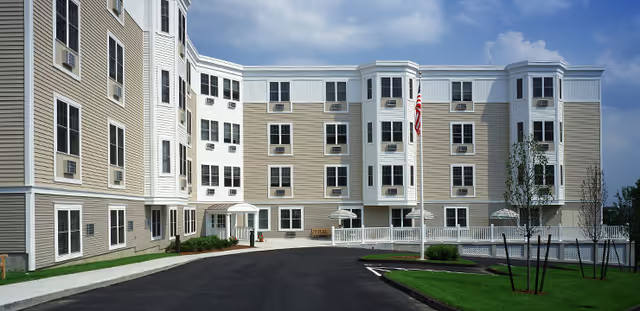
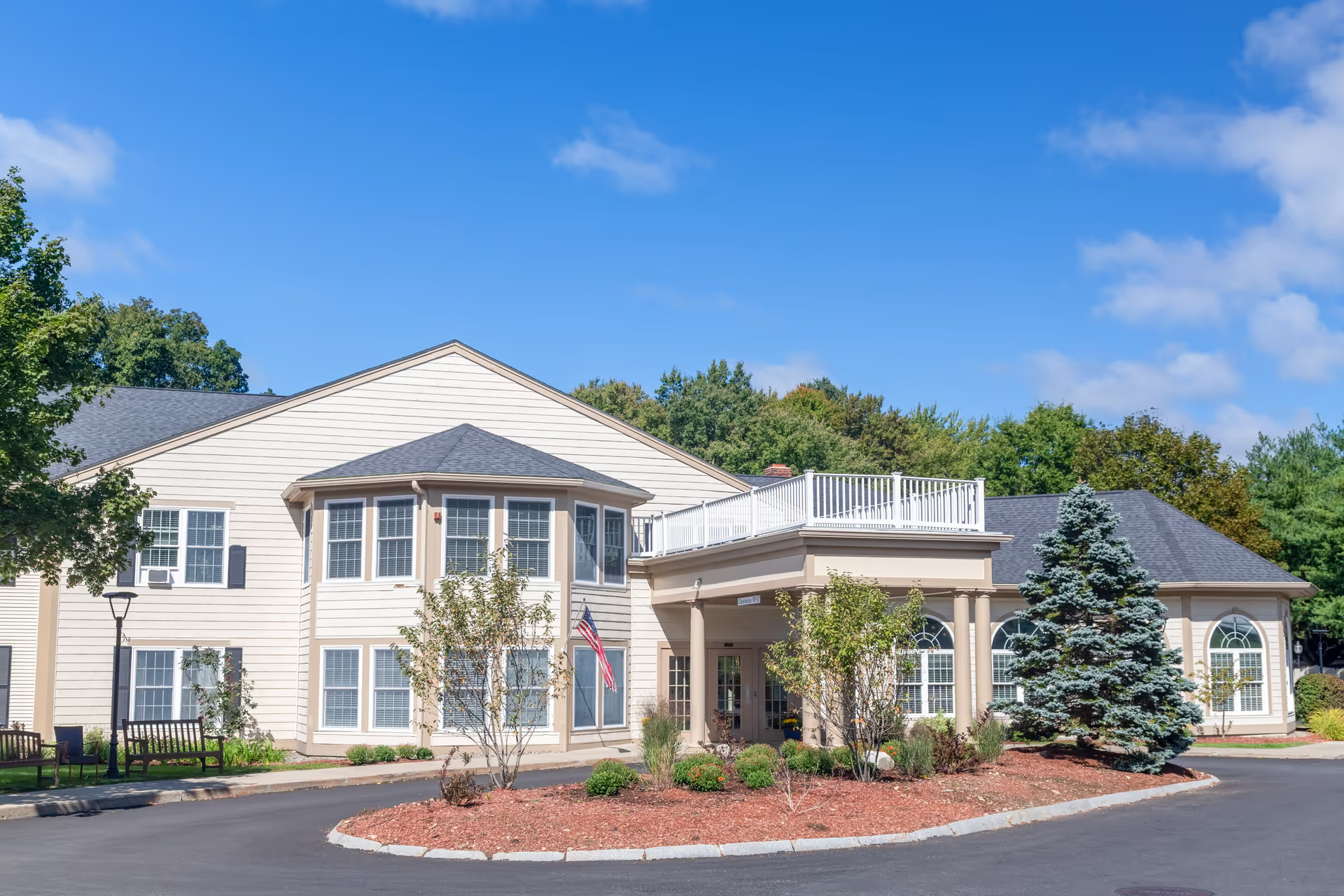
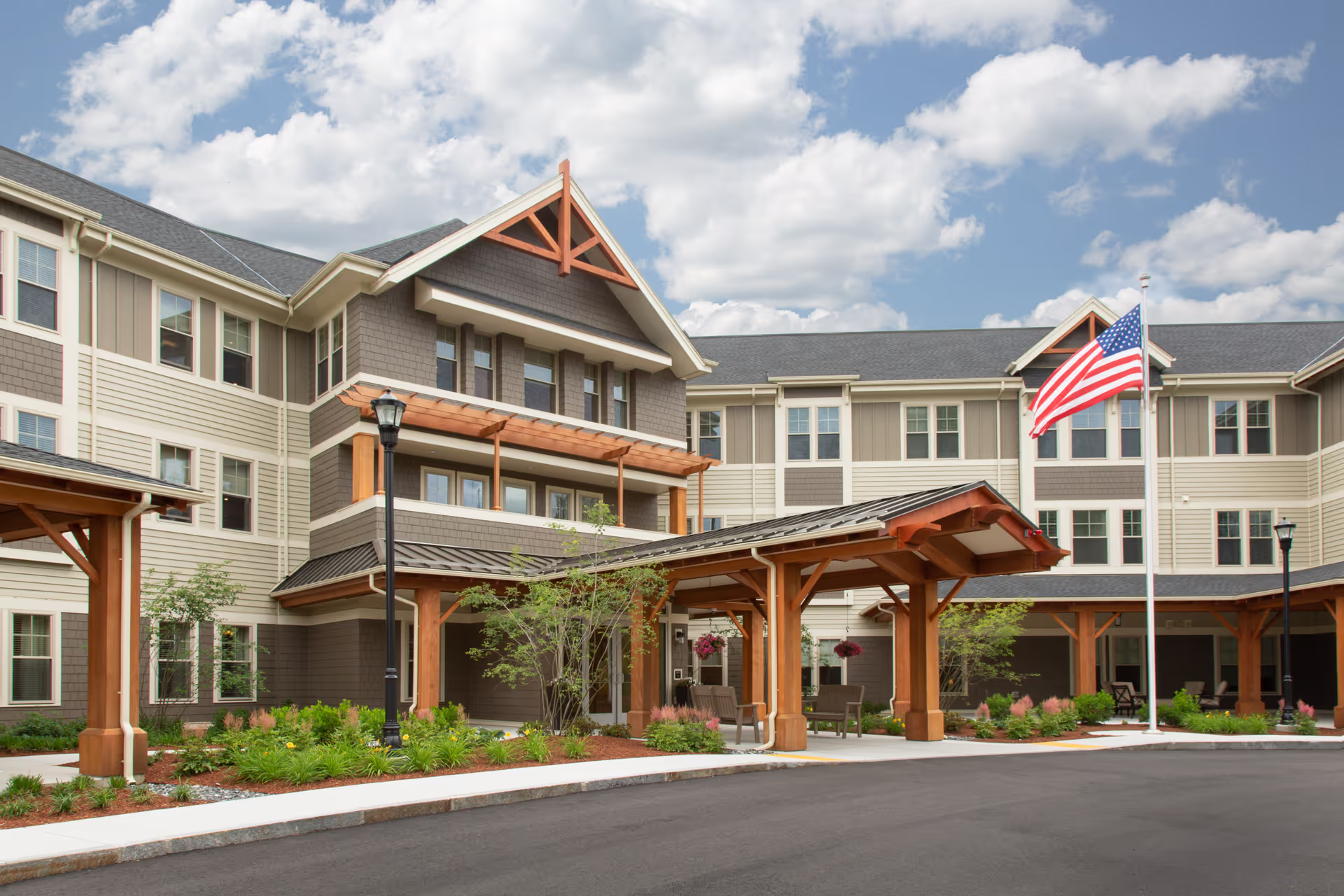
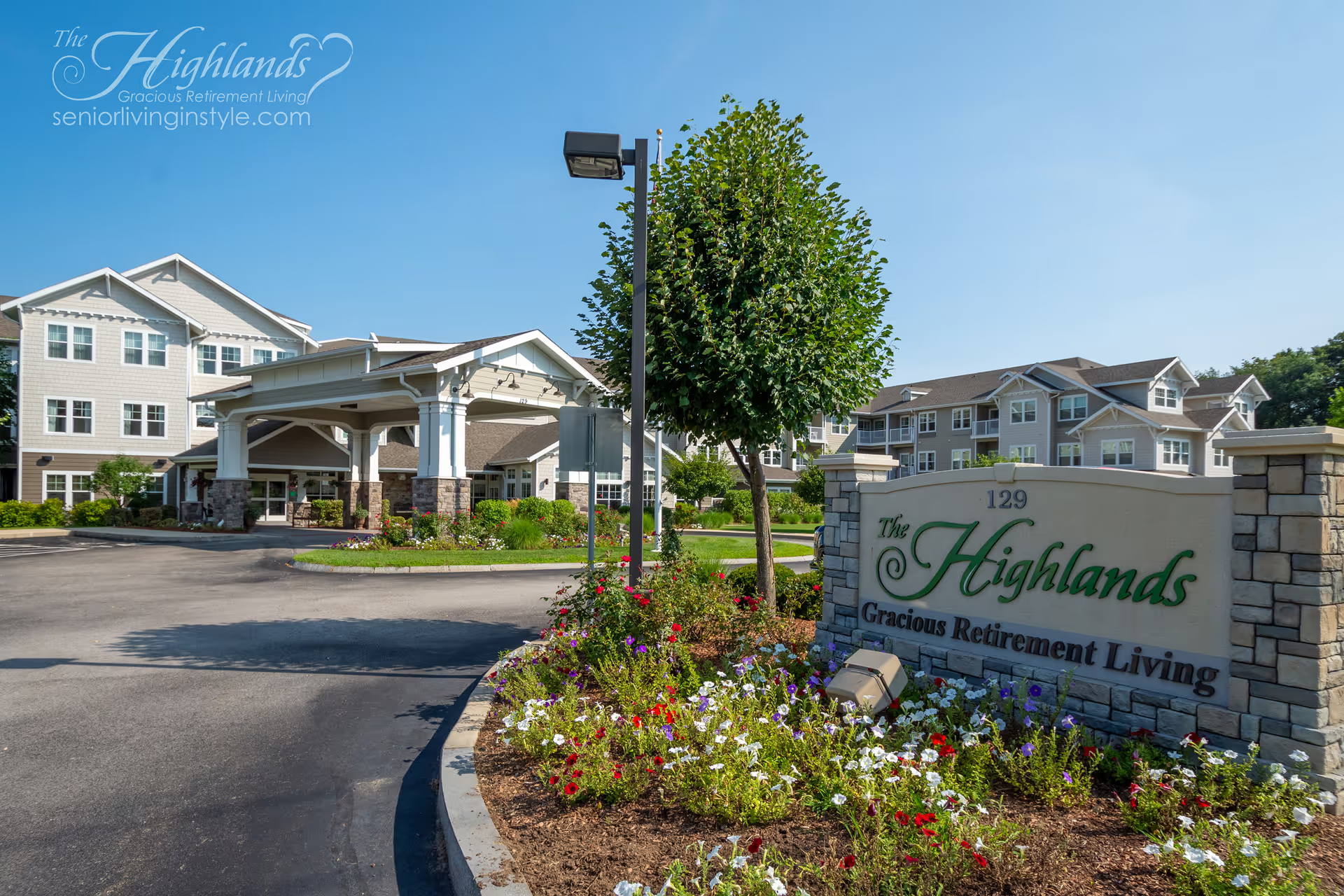
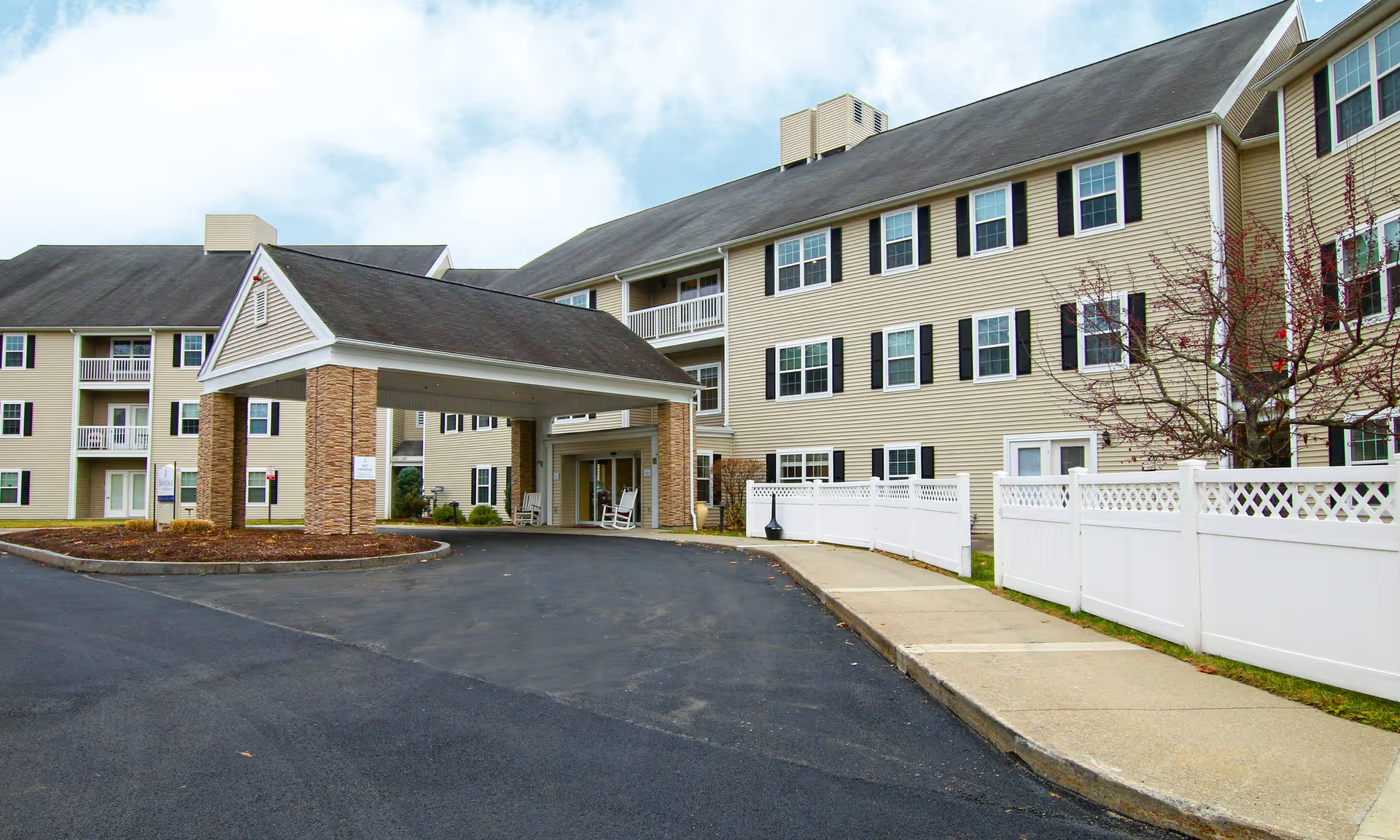
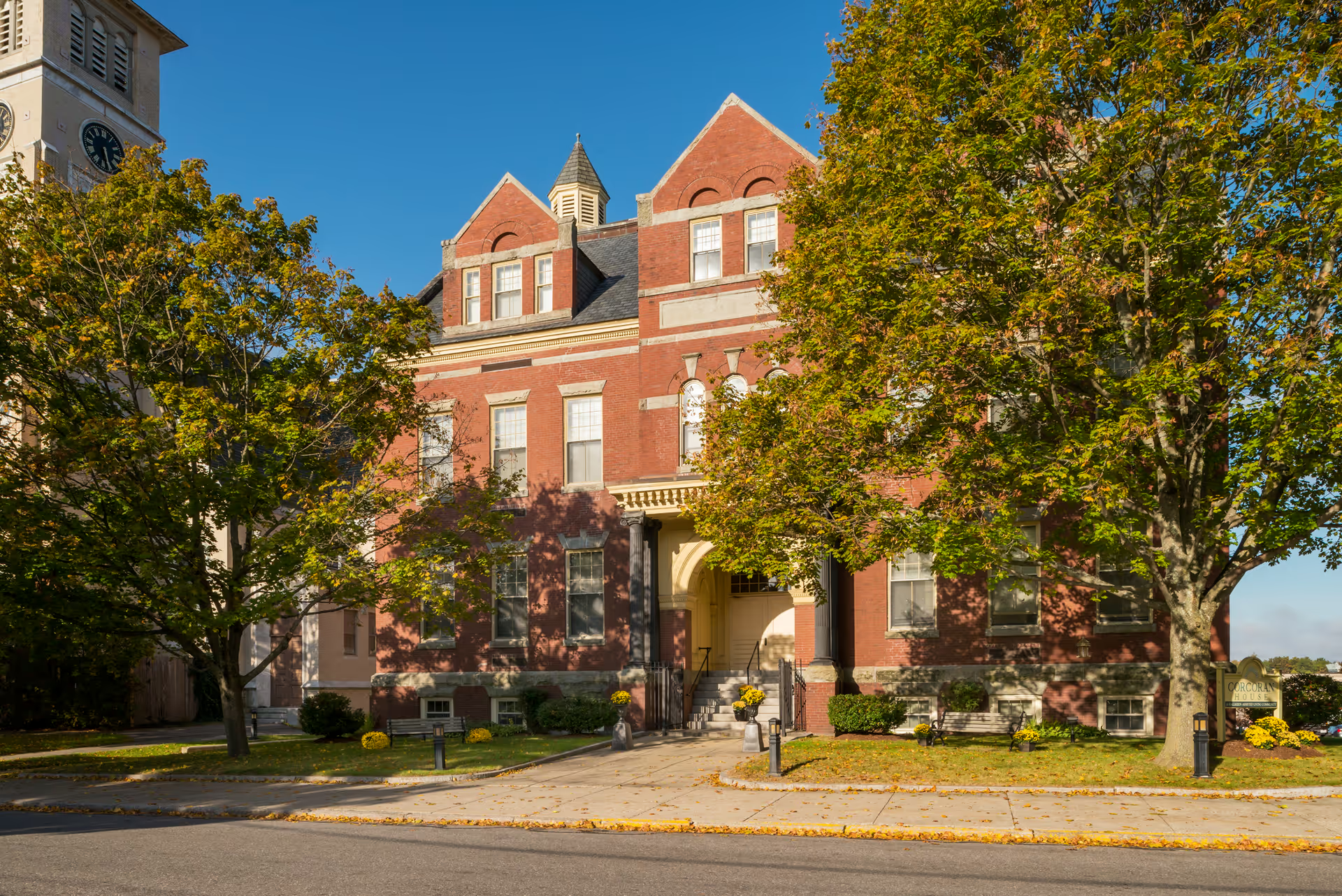
Facilities and campus environment are notable assets: private, large rooms, attractive floor plans, renovated assisted‑living spaces, and tranquil courtyards and grounds are repeatedly praised. Cleanliness and maintenance are recurring strengths, and the presence of updated equipment and a welcoming campus atmosphere reinforces the facility’s premium positioning. Families also appreciate external healthcare partnerships that expand clinical resources available to residents.
Operational and management patterns to probe during a tour include staffing levels (day vs night), how the facility deploys staff across dementia and long‑term care units, and protocols for clinical‑incident response and family communication. A few serious individual accounts involving clinical supply readiness, infection‑control communication, and room transitions suggest areas for process improvement; prospective families should ask about emergency‑equipment checks, oxygen‑supply procedures, infection‑control policies, and how the facility notifies families about roommate illnesses or other clinical events. Clarify transportation scheduling, meal‑planning/nutrition oversight, and the costs associated with different levels of care to ensure expectations align with the community’s premium positioning.
In summary, Notre Dame Health Care presents as a compassionate, well‑appointed community with strong caregiving continuity, robust memory‑care and hospice services, and an active faith and activities program. The principal patterns of concern involve uneven staffing coverage, communication and clinical‑incident response gaps, and some variability in dining nutrition and transportation reliability. Asking targeted operational questions on staffing, emergency readiness, infection control, and transition processes will help families assess fit and address the most commonly cited operational caveats.