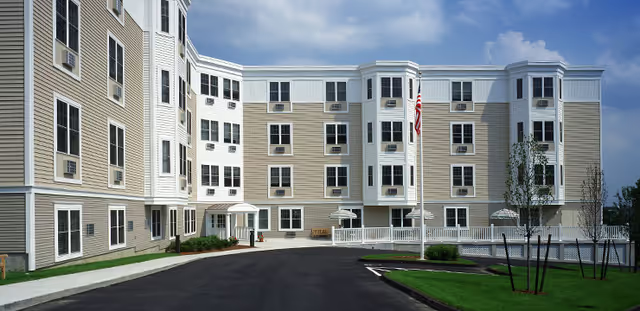
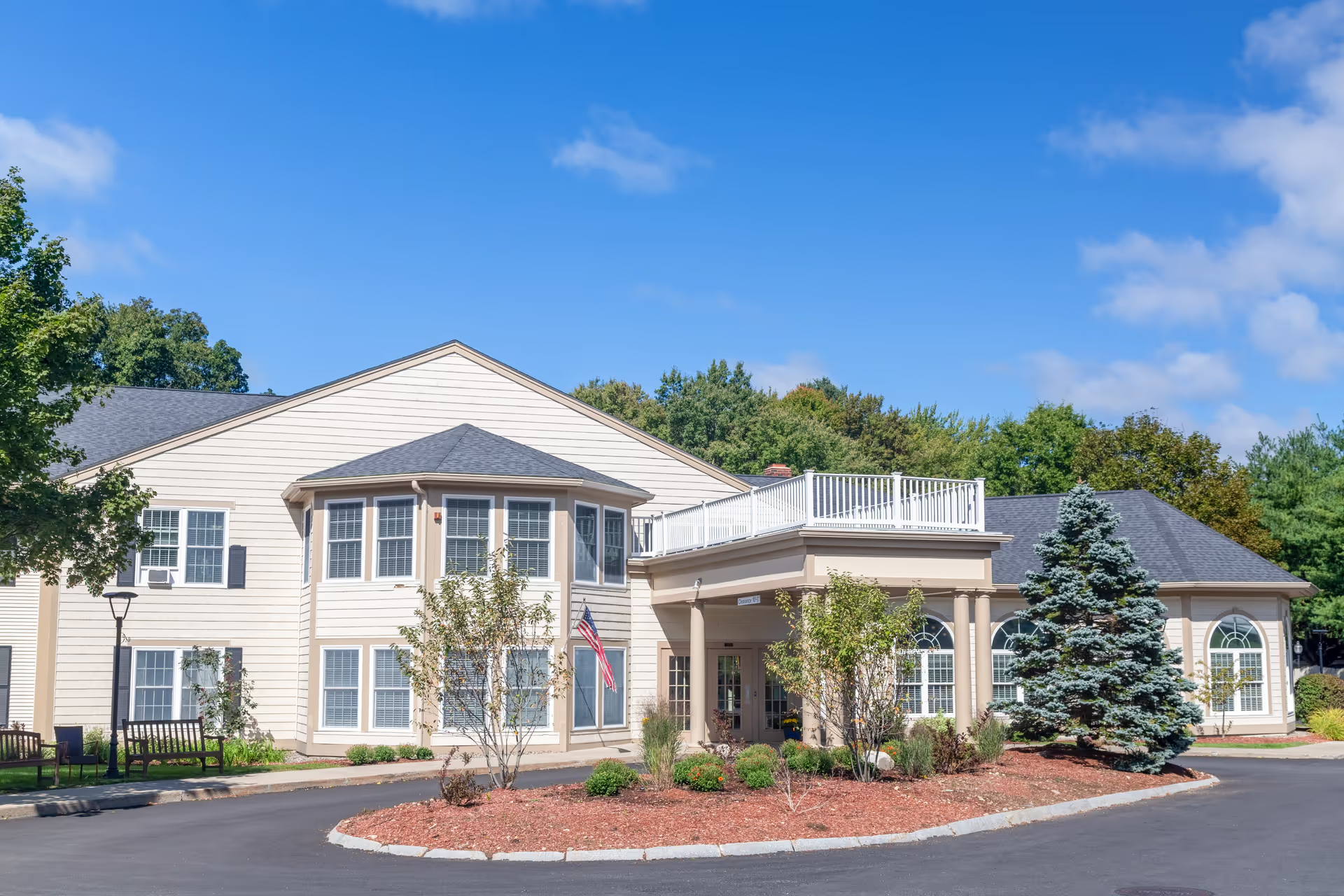
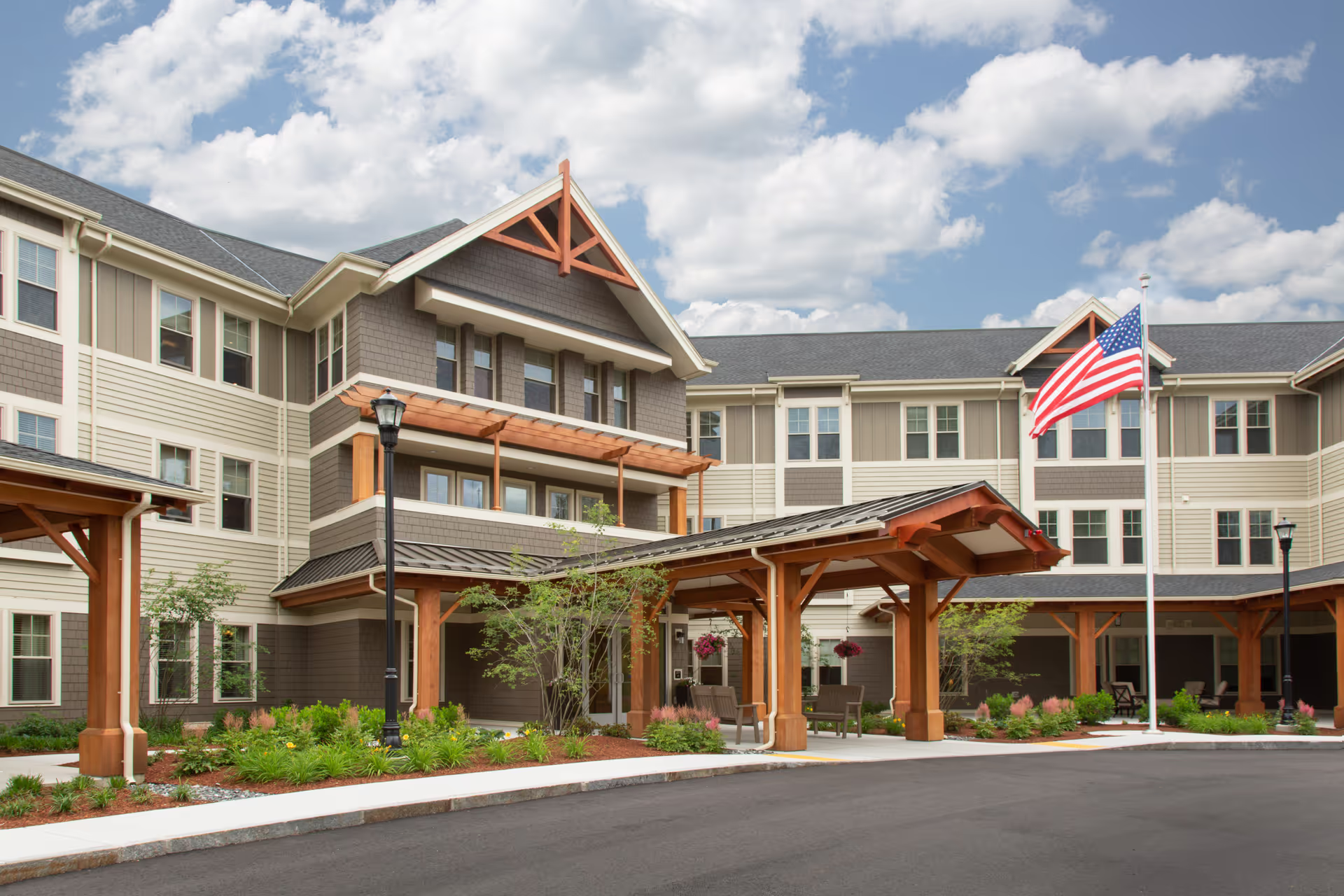
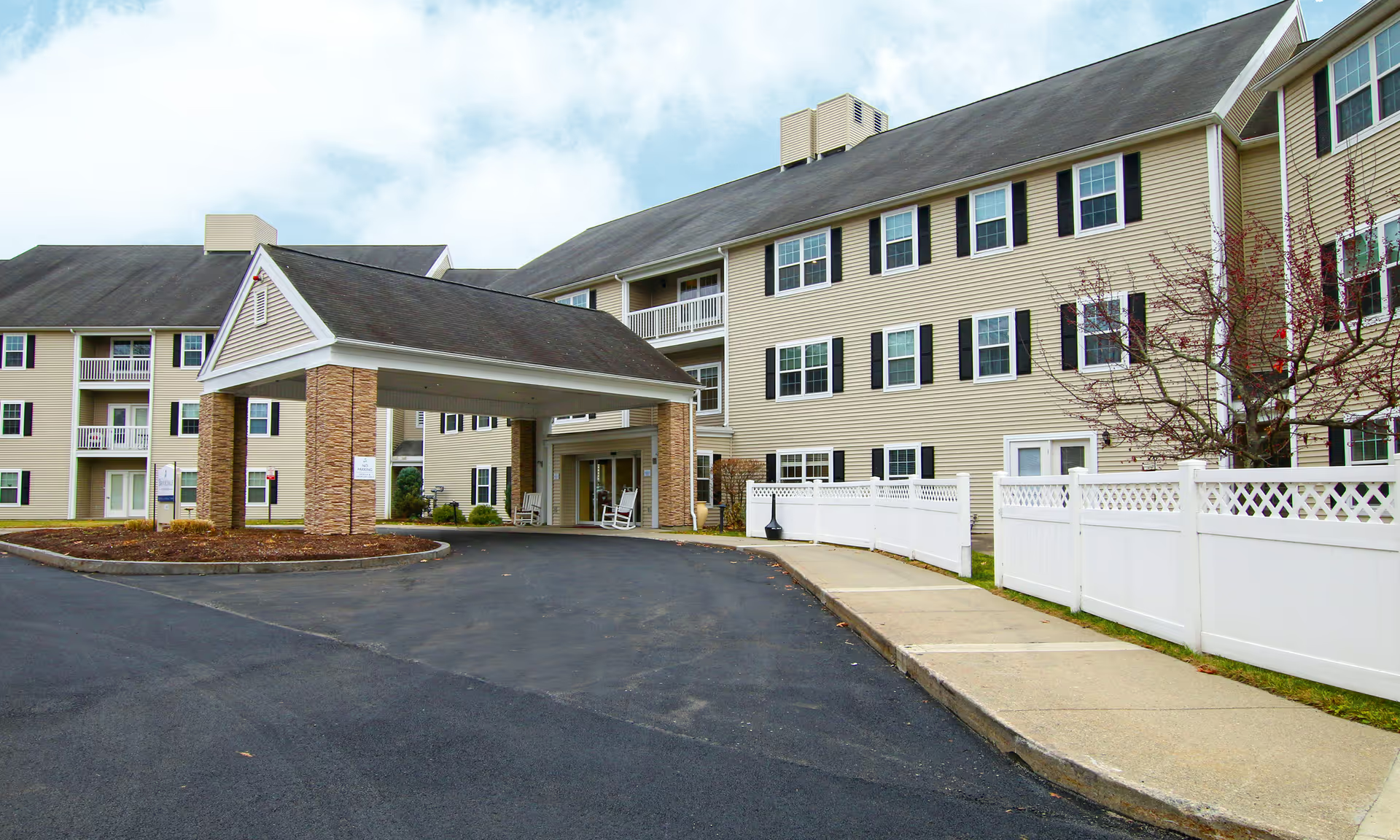
Saint Francis Rehabilitation and Nursing Center shows a mixed pattern of strengths and weaknesses. Many accounts highlight strong clinical services in short-term rehabilitation and dialysis, with skilled therapists and nursing staff achieving measurable mobility and functional gains. Several families described compassionate direct-care workers and aides who provide individualized attention and frequent check-ins, creating a family-like culture in parts of the facility. Public spaces and some resident rooms are noted as bright and well-maintained, with accessible day areas and amenities that support socialization.
At the same time, a consistent set of operational concerns emerges. Staffing variability and understaffing were described as producing long call-bell response times and delayed attention to basic care tasks; this inconsistency appears to affect bathing, grooming, and timely assistance. Laundry and property tracking problems have caused missing clothing and frustration for families. Reviewers also raised sanitation and pest-control concerns in specific areas and noted odor issues. Rooming density and overcrowding — including frequent two-person rooms and constrained bathroom privacy — are recurrent facility-level stressors.
Dining and programming present uneven experiences. The kitchen offers flexible menu options and extra meals, which some residents appreciate, yet other comments point to inconsistent food quality and insufficient meal frequency for certain residents. Activity programming and cognitive-stimulation opportunities were described as limited by some families, suggesting the need for expanded or better-structured engagement, particularly for long-stay residents and those with cognitive impairment.
Communication, leadership, and clinical governance are central themes. Multiple accounts describe poor communication between staff and families, miscommunication around procedures, and inconsistent clinical decision-making regarding hospital transfers. There are also reports raising serious concerns about privacy practices and, in one case, allegations of discriminatory treatment; these items suggest gaps in policy adherence and supervision. Language barriers among some staff members and variability in staff performance further contribute to uneven resident experiences. Reviewers suggested that leadership focus on staffing stability, clearer family communication protocols, privacy/HIPAA procedure reinforcement, improved laundry/property controls, expanded activities, and more consistent dining standards could reduce variability and improve overall resident satisfaction.