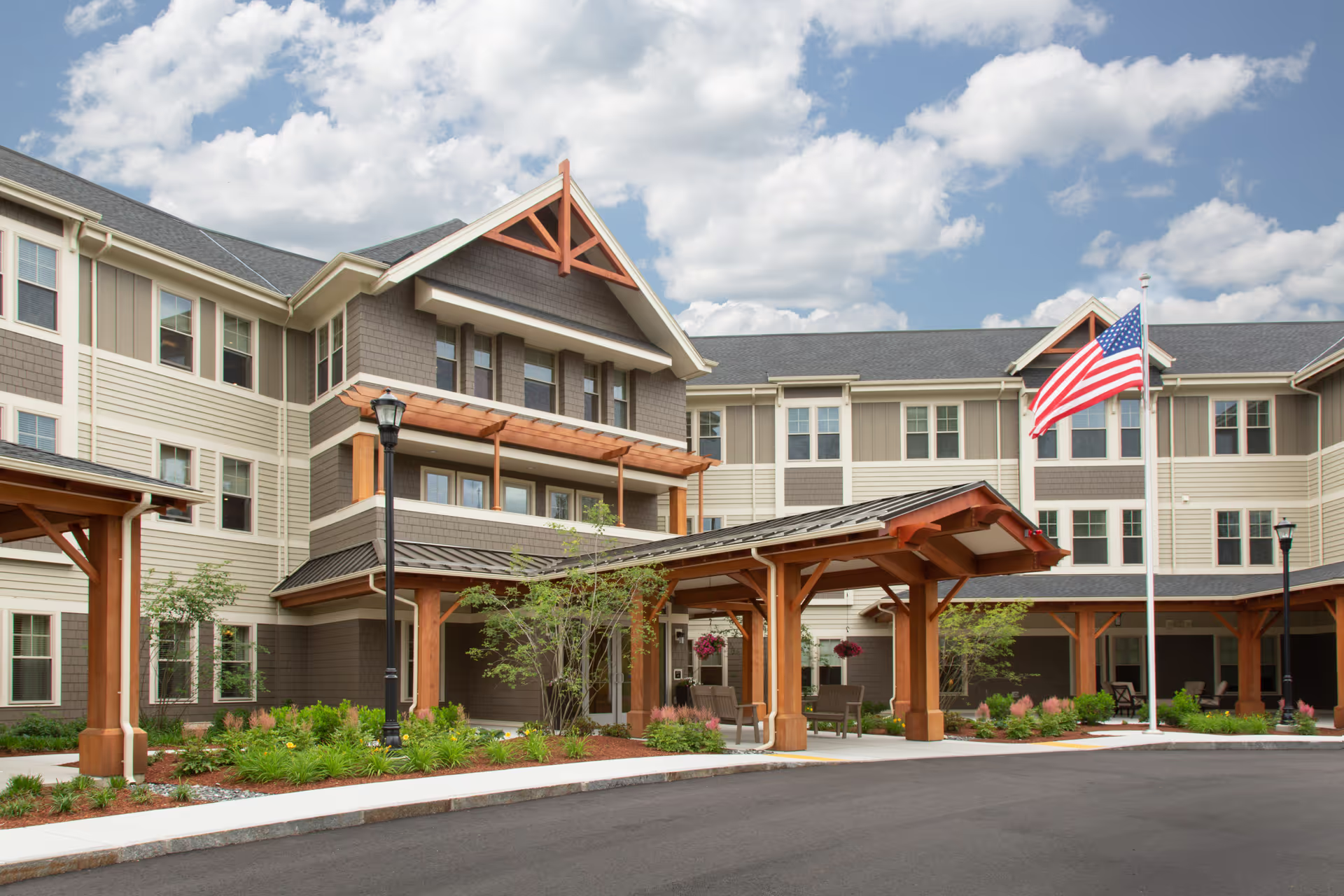
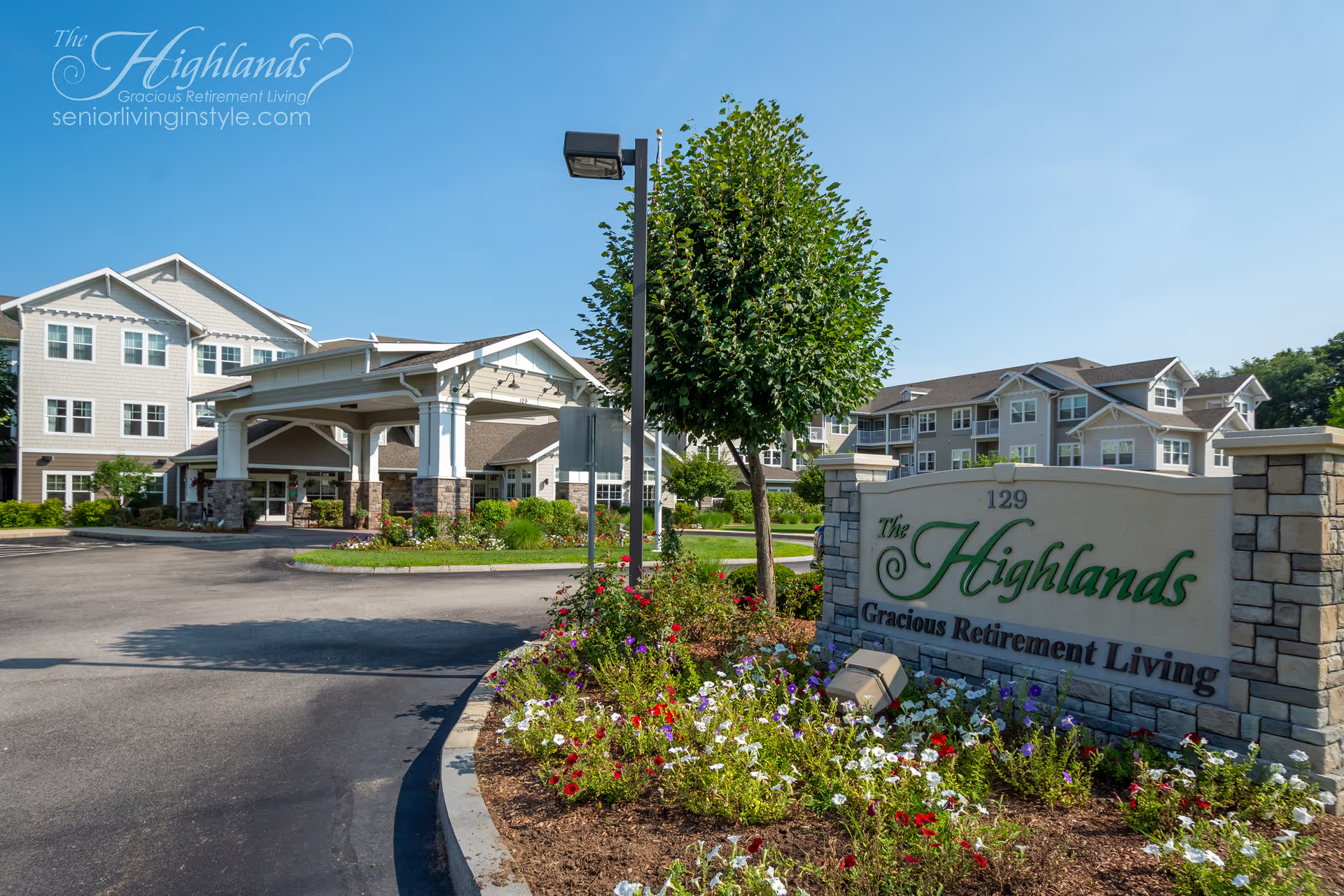
Overall impression is mixed: reviewers describe both clear strengths and recurring operational weaknesses. Strengths cited include compassionate caregiving, engaged therapy teams, an active activities program, and a thoughtfully designed memory-care unit with enclosed outdoor space and homelike decor. Several families specifically praised physical and occupational therapy staff, the social-worker team, diligent kitchen staff, and areas of the building that are well maintained and updated. These elements contribute to family confidence and resident enjoyment for many people who used the facility for longer-term or memory-care needs.
At the same time, a consistent cluster of concerns appears across reviews that prospective residents and families should consider. Staffing instability and apparent short-staffing on some shifts is a recurring theme; reviewers link this to slow responses to call bells, delays in toileting and personal-care assistance, and variability in grooming and clothing care. Multiple accounts raise issues with medication administration workflow, including pharmacy and insurance processing delays that can affect timely analgesia and other medications. There are also repeated references to sanitation concerns in bathrooms and some common areas and to inconsistent housekeeping coverage (noting that cleaning is not always continuous), which families found unacceptable in a care setting.
Clinical-practice patterns are another notable area of divergence. While some reviewers described high-quality, attentive nursing and effective rehab care, others reported gaps in wound-care practices, infection-prevention follow-up, and clinical incident response; a few accounts described transfers to higher-acuity care after events in the facility. Safety and supervision in the short-term/subacute unit were flagged in several narratives, with concerns about unattended residents and event follow-up. Communication style and professionalism among staff were reported as variable: many families praised warm, compassionate employees, while others described curt or dismissive interactions.
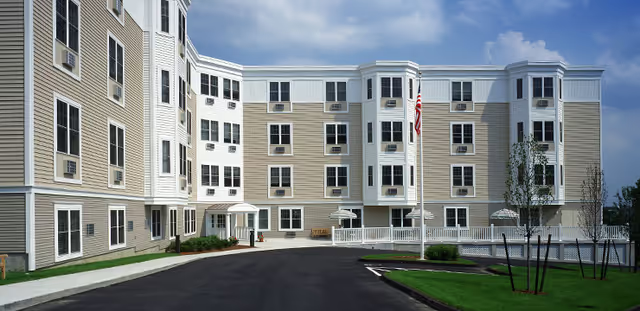
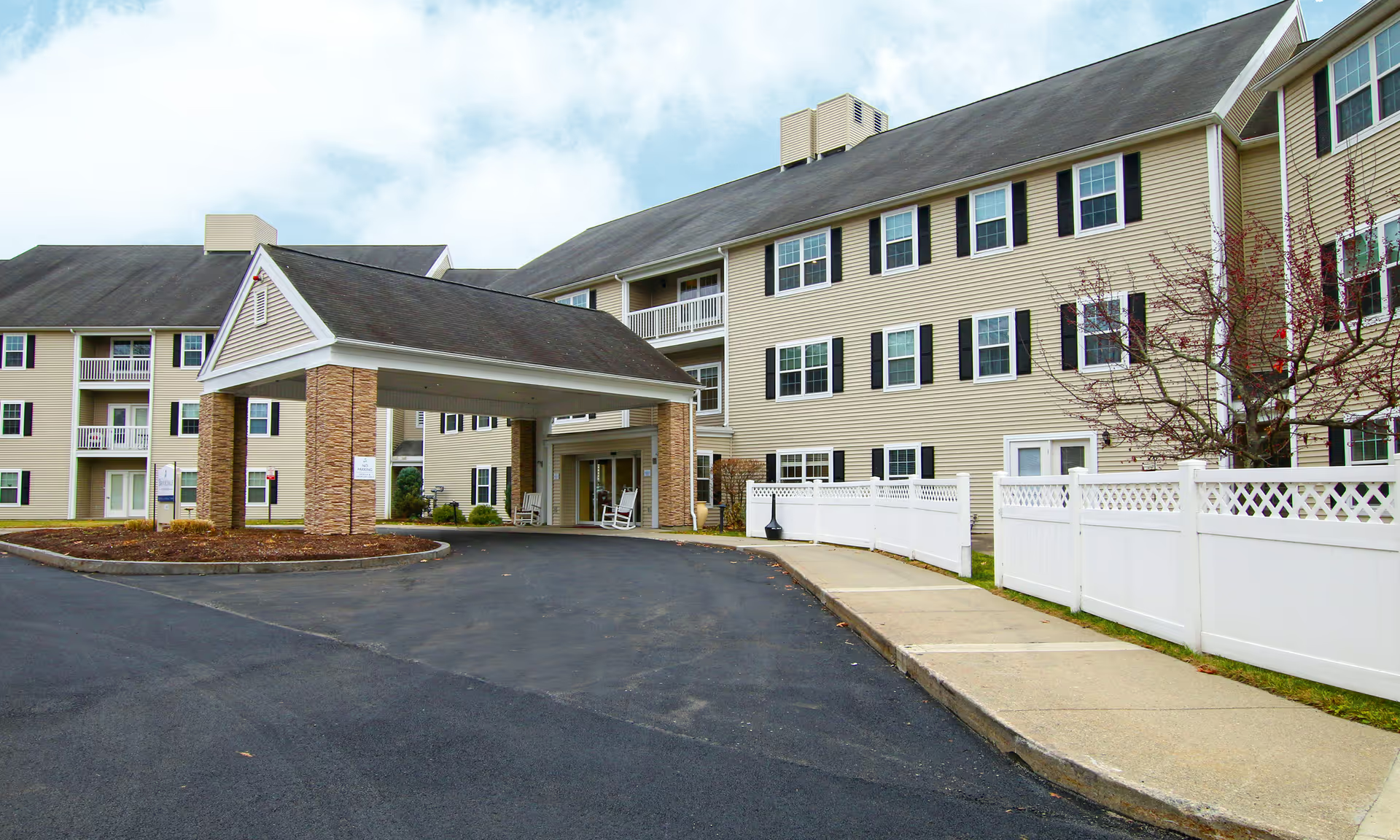
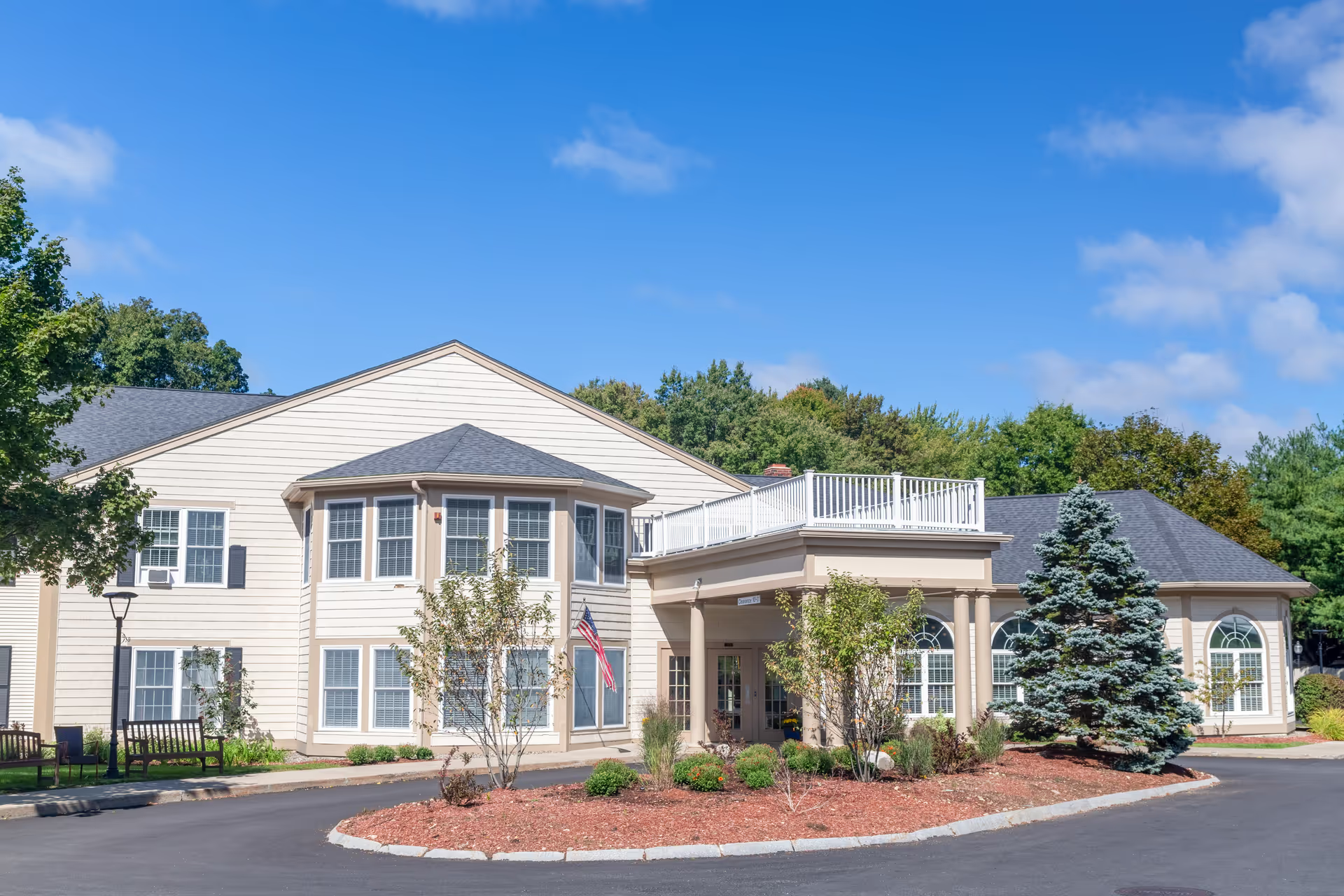
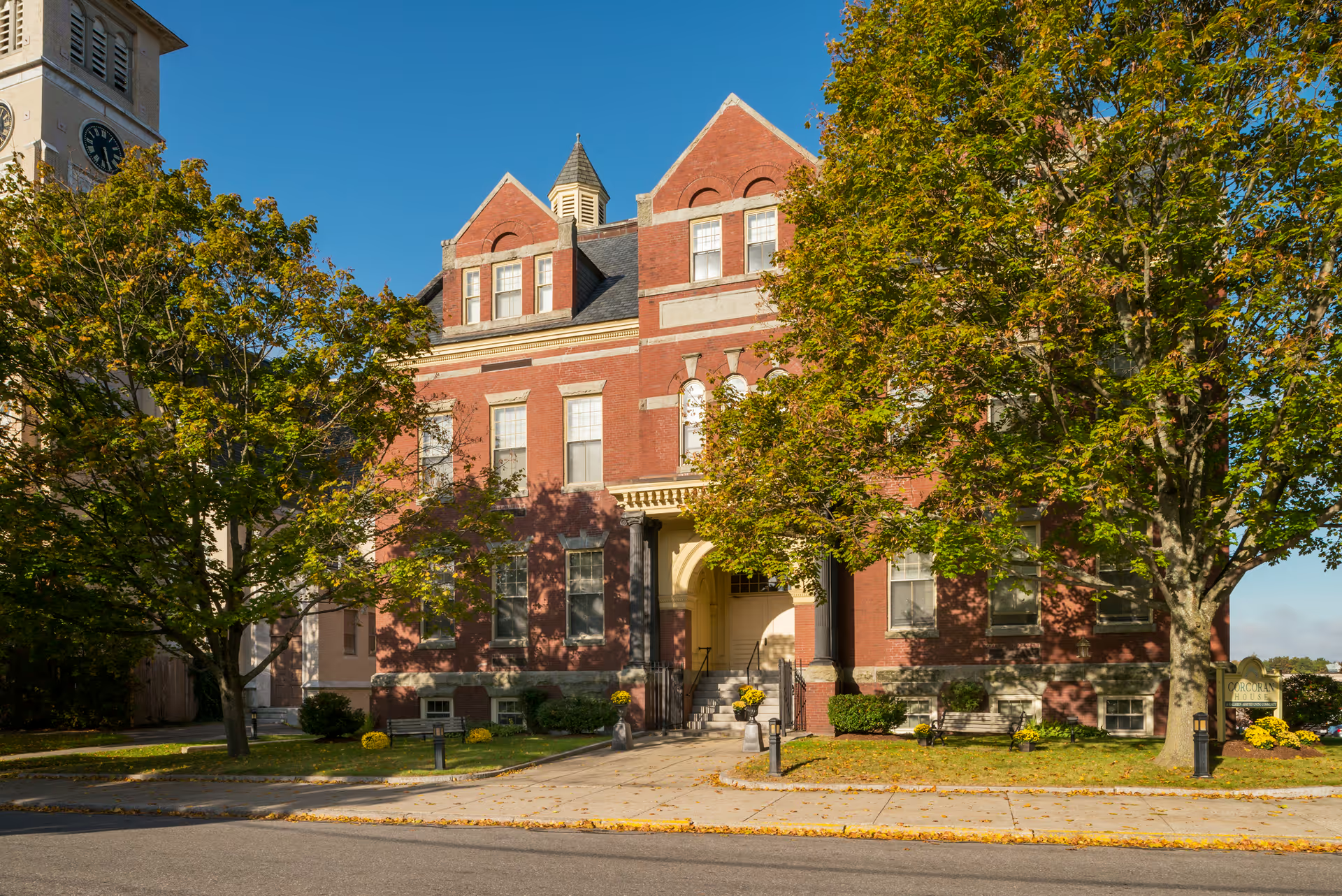
Facilities and management present a mixed picture. The memory-care unit and activity spaces were often described as thoughtfully arranged and welcoming, and seasonal decorations and private rooms for family visits were viewed positively. Conversely, the building’s age and some maintenance issues (including room-temperature control and general upkeep) were cited as challenges. A small number of reviewers raised serious allegations involving finances and property, which families may want to explore further through regulatory records.
Given the variation in accounts, prospective residents and representatives should perform targeted due diligence before deciding. Recommended steps include an in-person visit (including meal observation), asking for staffing ratios and recent turnover data, reviewing medication and wound-care protocols, inspecting cleanliness in resident bathrooms and common areas, asking about housekeeping schedules, and checking state survey and complaint histories as well as any relevant news items. Speaking directly with families of current residents and observing activity programming and mealtimes can help reconcile the polarized impressions and clarify whether this facility’s strengths align with a given resident’s needs.