Adrian Bay Rehab and Nursing Center elicits a substantial range of experiences. Many families and former residents praise the facility for strong rehabilitative services, a caring bedside staff, and an active community environment. Physical and occupational therapy are frequently cited as effective and instrumental in successful discharges. Multiple accounts describe compassionate nursing assistants and therapists, regular housekeeping, private-room options, and an activities program that supports social engagement.
Care quality perceptions are polarized. Positive narratives emphasize attentive, kind caregivers and good clinical support during short-term rehabilitation or respite stays. Conversely, several reviewers describe operational challenges that affect care consistency: chronic understaffing, staff turnover, and slow call-light response times. There are also specific concerns about clinical oversight and practitioner decision-making in individual cases; these have contributed to serious family-level concerns about end-of-life communication and treatment timeliness. There are isolated allegations of significant care failures that prospective families should investigate directly.
Dining and nutrition are uneven. Some reviewers report tasty, appropriately portioned meals and flexibility for dietary needs, while others identify cold or low-quality food, limited menu substitutions, and inadequate accommodation of special diets (for example, low-sodium or diabetic needs). The dining environment is described by some as group-oriented and potentially unsuitable for higher-functioning residents who prefer more autonomy.
Activities and therapy are consistent bright spots. The facility appears to offer a varied calendar of activities and engaged therapy staff; families often credit therapy teams with meaningful functional gains and successful home discharges. Where therapy is prioritized, reviewers tended to describe better overall experiences.
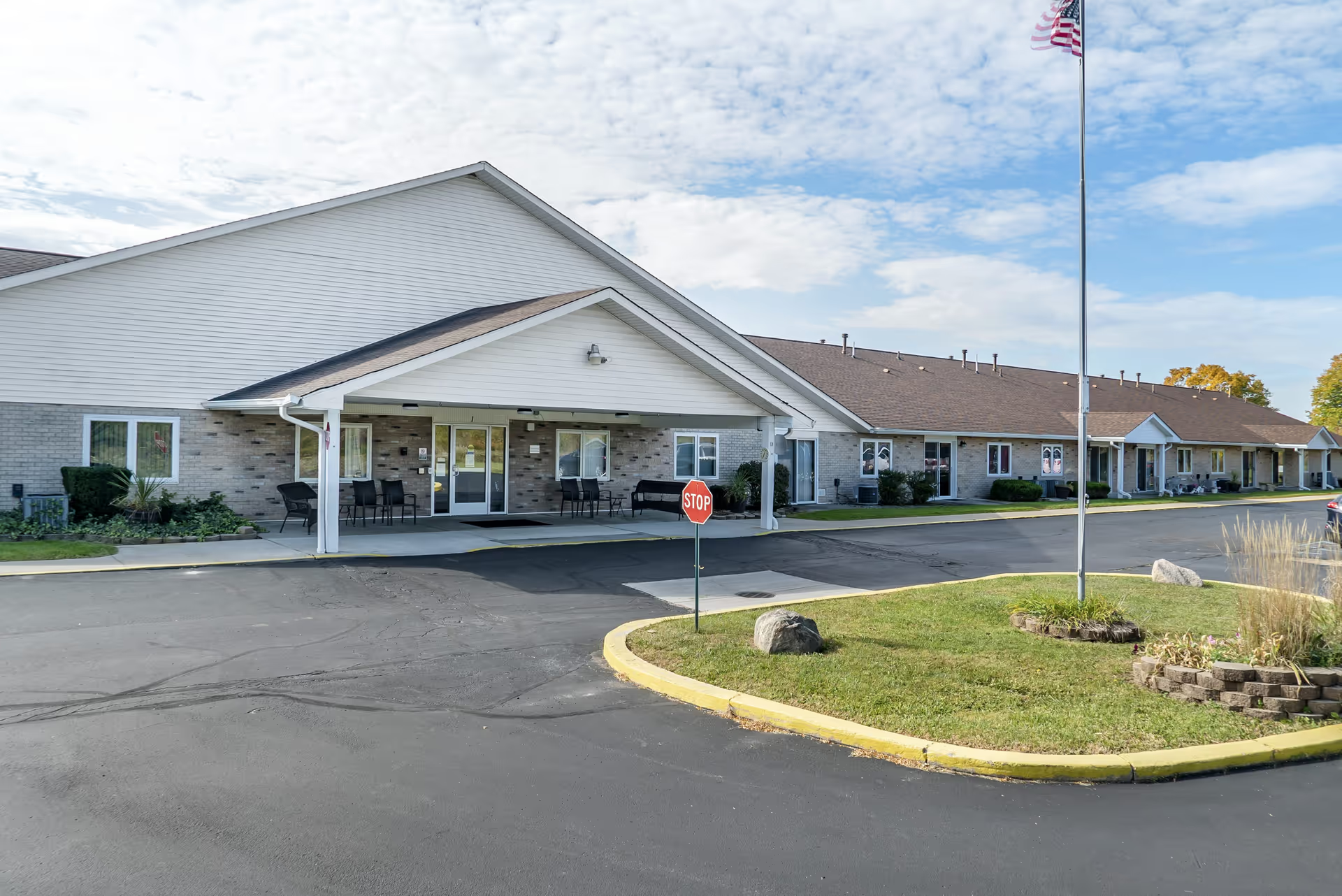
Facility condition and cleanliness reports are mixed. Numerous reviewers praise clean, well-maintained rooms and hourly checks, while others report sanitation and odor concerns, maintenance issues (including mold or water-related problems in isolated areas), and generally dated or small room layouts. Private and roomy accommodations are available in some units but the building overall shows signs of aging.
Management and operations show inconsistent performance. Positive comments highlight helpful, communicative administrative staff and responsive admissions processes. Negative feedback centers on poor communication, absent or unresponsive management, unresolved payroll or billing issues, and a perceived lack of follow-through on complaints. Operational gaps also extend to coordination of outside medical appointments and limited therapy equipment or resources in certain situations. Security and personal-property protection have been raised as concerns in a few accounts.
Bottom line: Adrian Bay offers clear strengths for short-term rehabilitation and for families seeking a community with attentive therapists and many compassionate frontline staff. However, recurring operational issues — especially inconsistent staffing, variable clinical oversight, irregular communication, uneven dining services, and some facility-maintenance concerns — may affect reliability for residents with complex medical needs. Prospective residents and families should tour the facility, ask targeted questions about current staffing ratios and turnover, verify dietary and clinical-management protocols, review recent quality and regulatory records, and request references from recent families before committing to long-term placement.