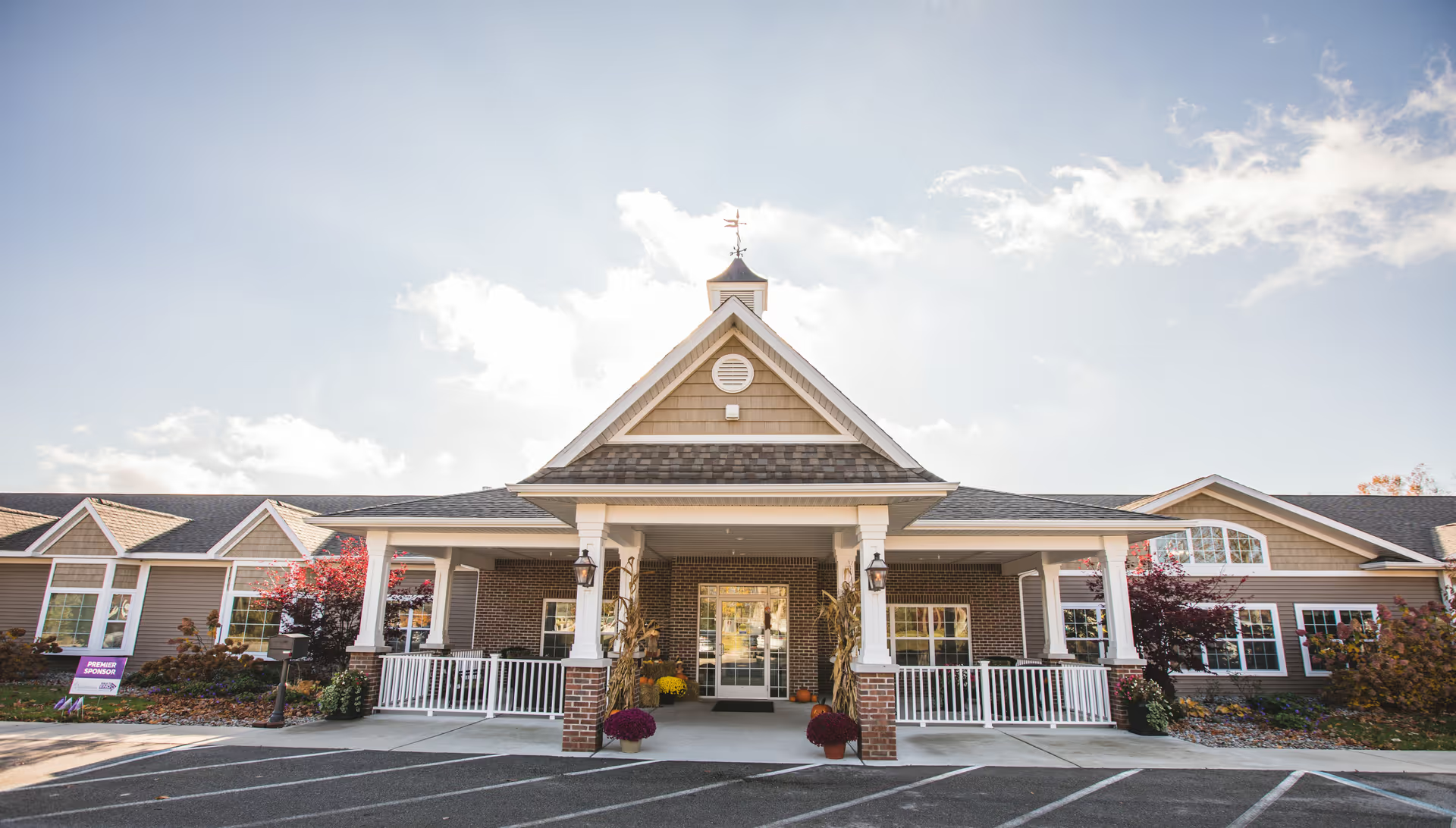
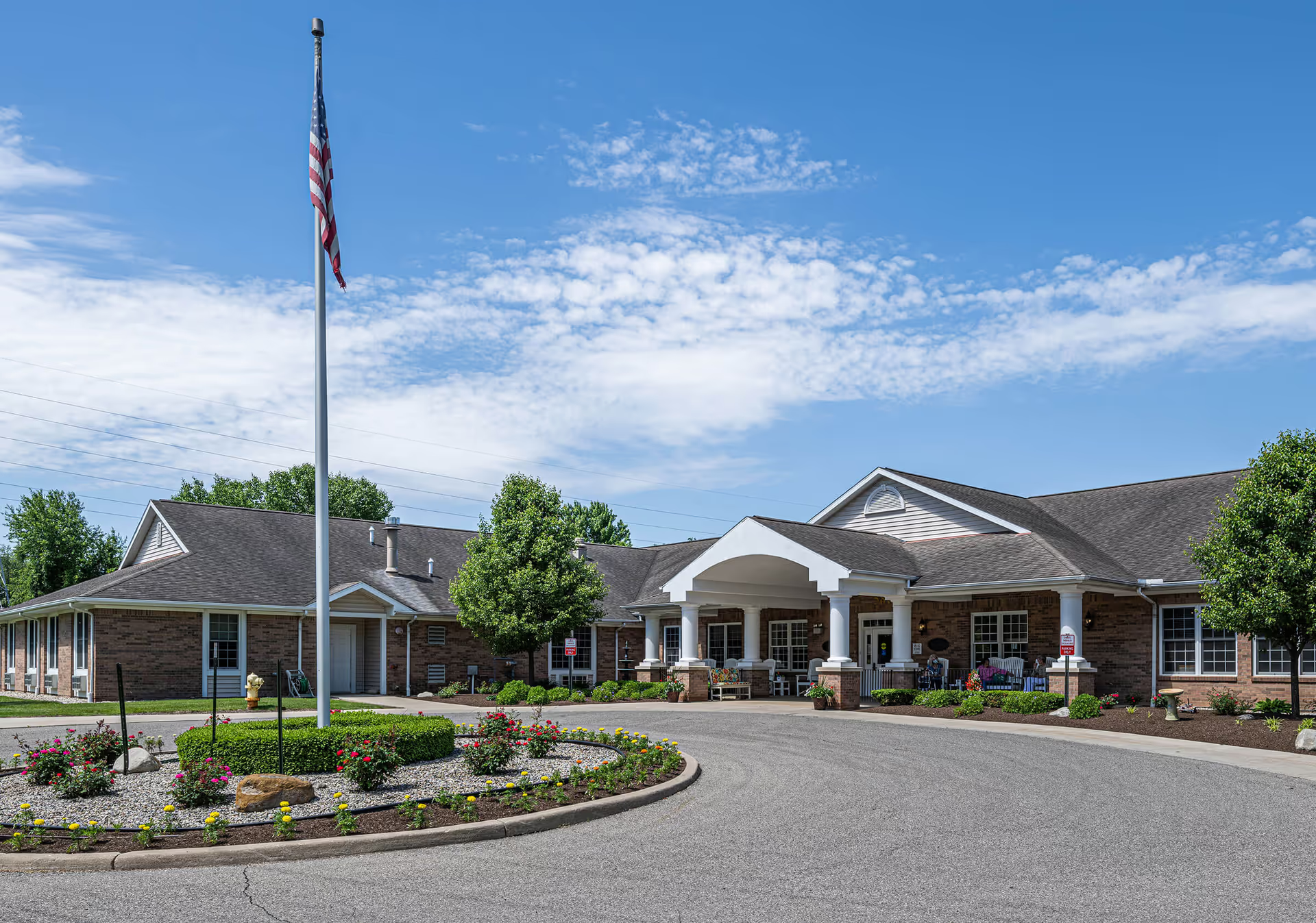
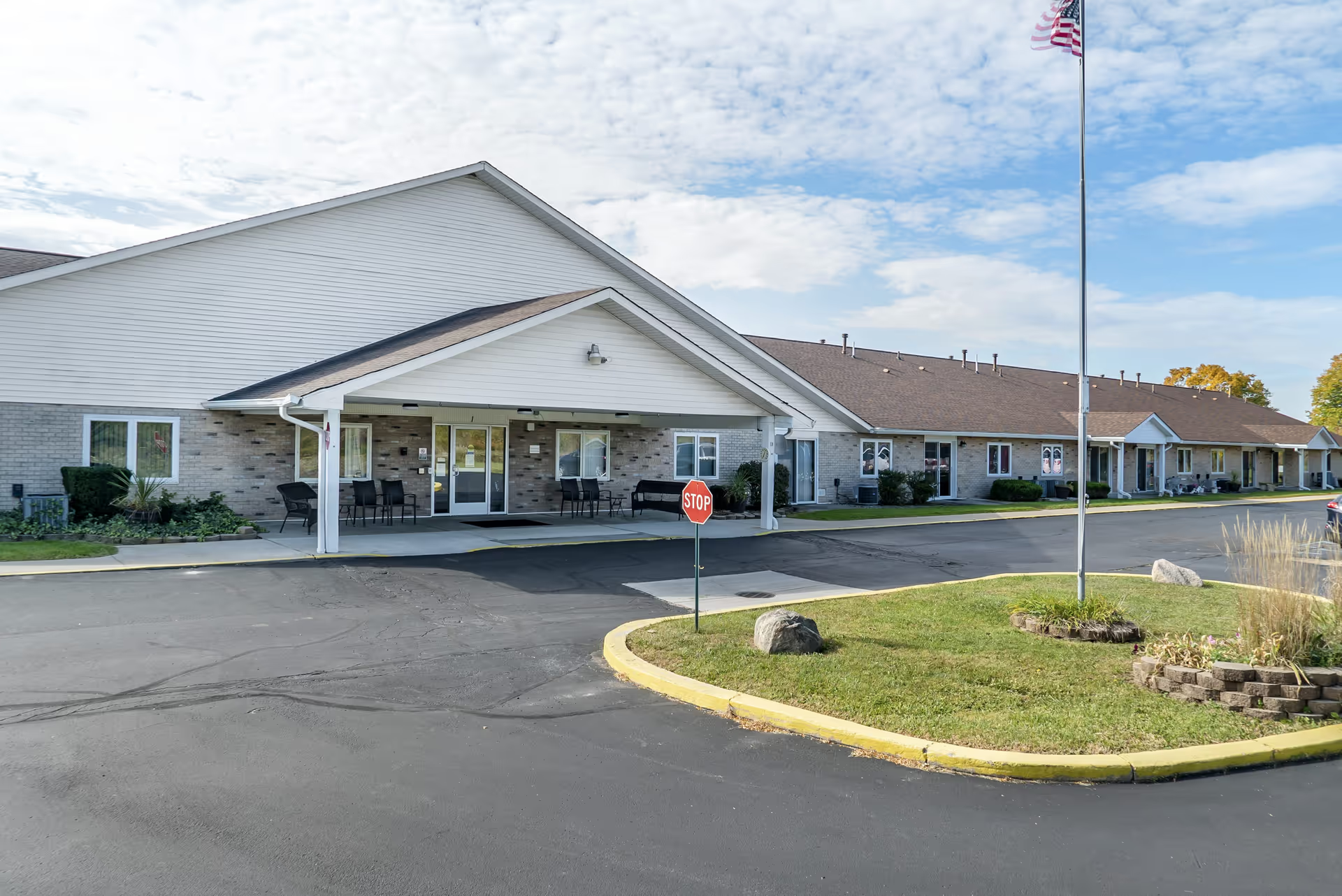
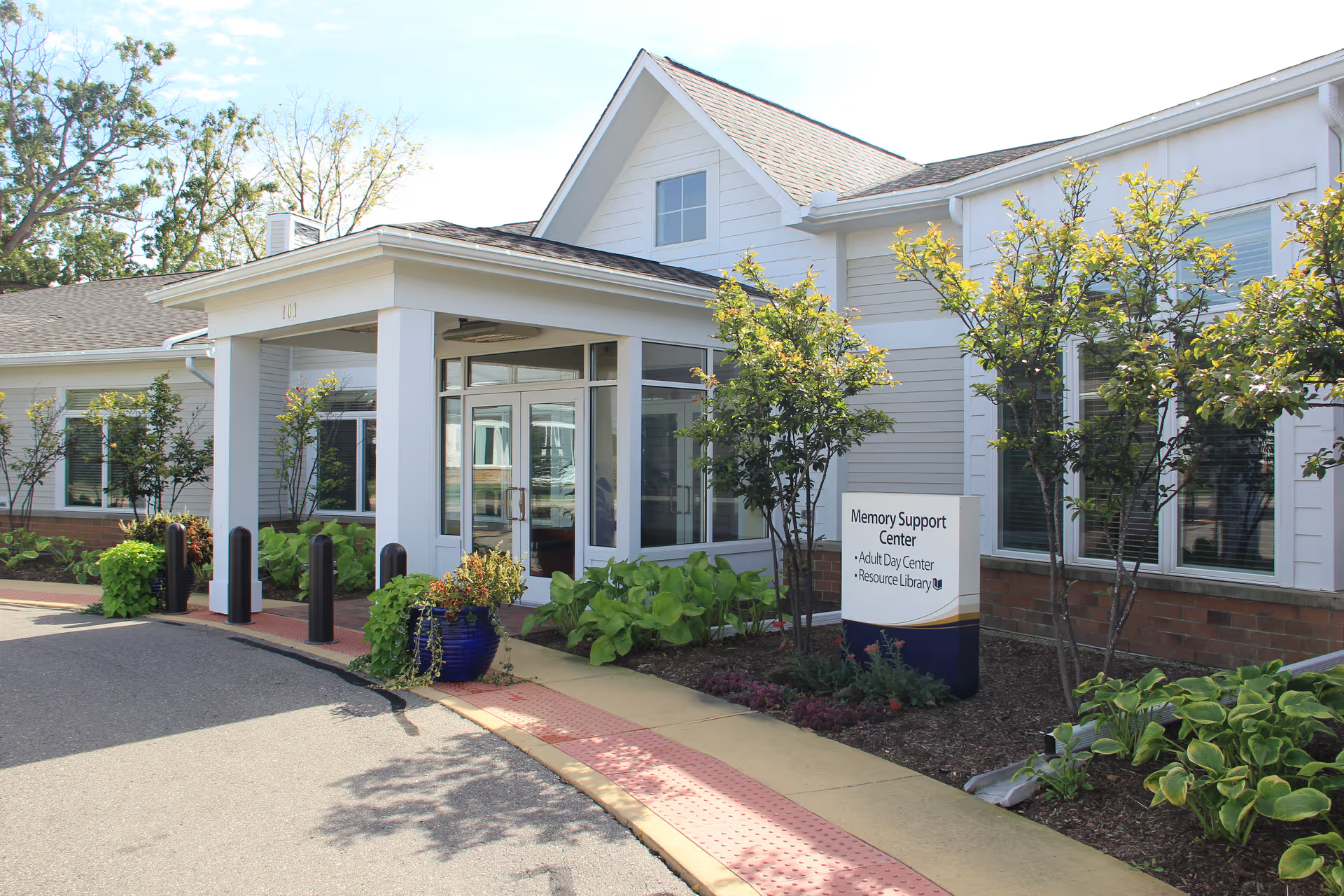
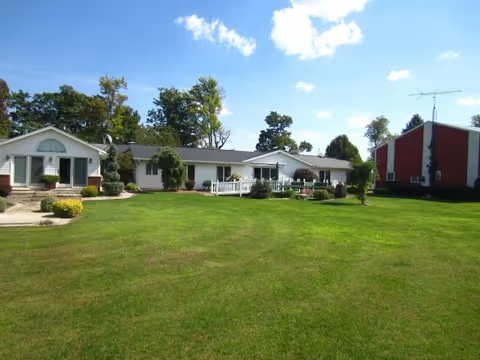
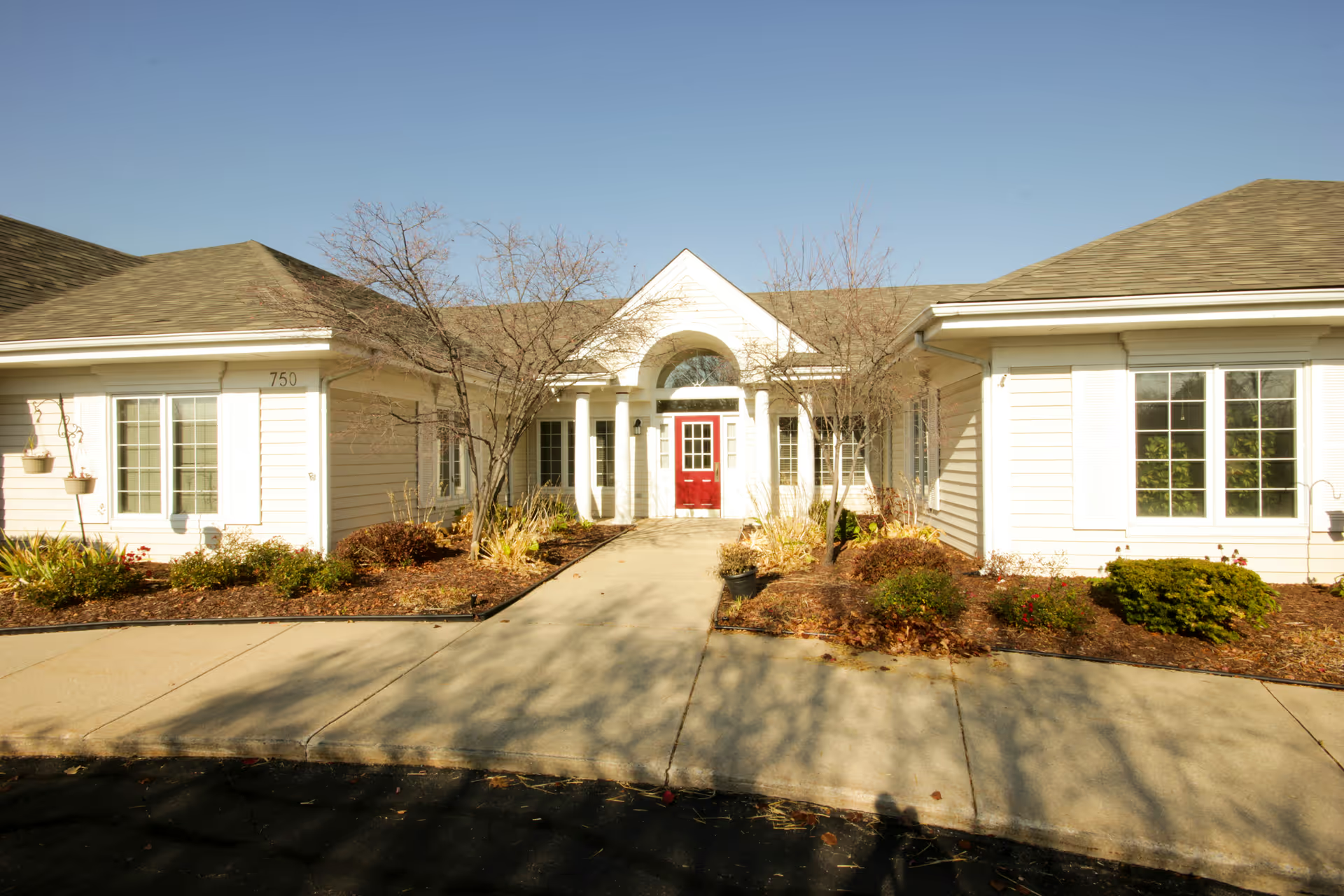
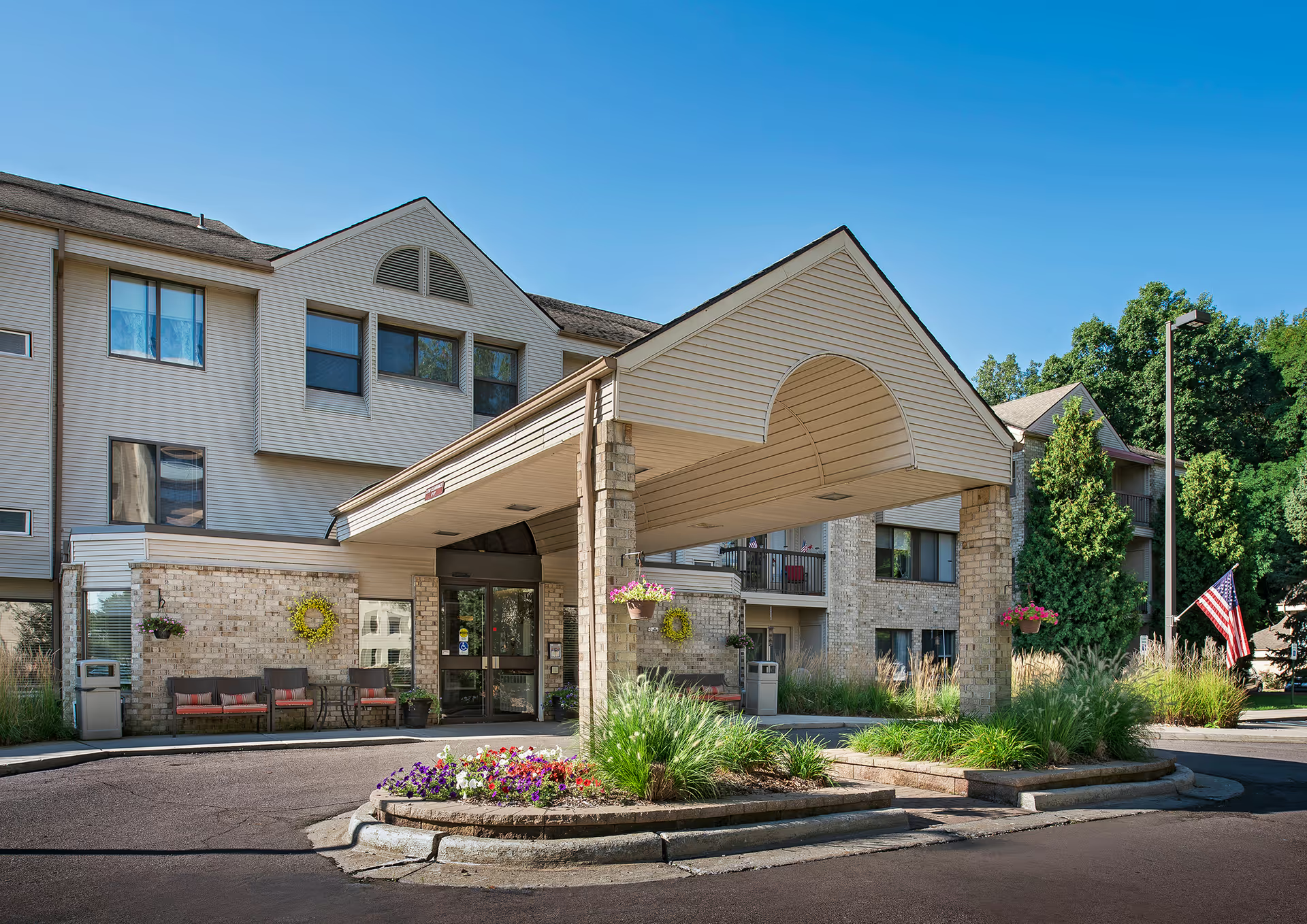
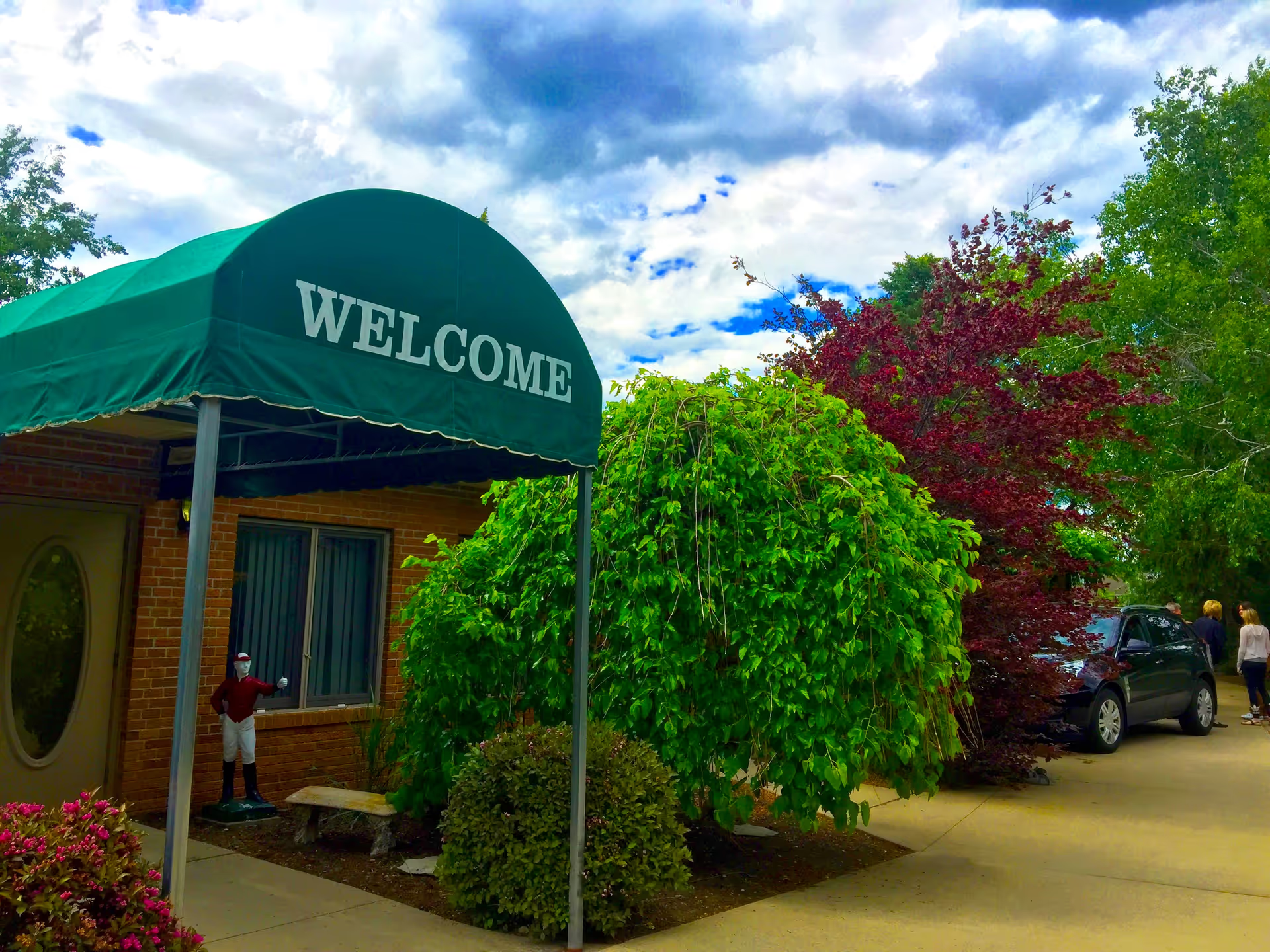
Cambrian Senior Living Tecumseh is described consistently as a small, dementia-focused community with a residential scale and an emphasis on memory-care programming. Reviewers highlight a modern, recently remodeled building with private rooms and en-suite bathrooms, an active calendar of arts-and-crafts and social events, and an on-site chef that contributes to generally positive impressions of dining. The facility’s size and program focus are presented as advantages for families seeking a community tailored to residents with cognitive impairment.
Staffing and caregiving are dominant themes in the feedback. A majority of accounts characterize direct caregivers as compassionate, attentive, and familiar with residents by name; many families praised long staff tenure, strong retention, and a family-like atmosphere. Several reviewers also described proactive communication with families and effective coordination with hospice and end-of-life services, noting compassionate support during transitions. These strengths contribute to perceptions of high-quality personal care, particularly in personal-hygiene and toileting assistance.
Alongside positive caregiving reports, a limited number of accounts raised clinically significant concerns. These include descriptions consistent with gaps in medication administration timeliness and safety events related to transfers and falls. Such accounts point to potential weaknesses in clinical oversight, incident response, and safety protocols rather than to the physical environment itself. There are also indications of variable administrative and nursing oversight; while families praised frontline staff, some questioned leadership responsiveness and coordination in clinical matters. Reports of occasional understaffing were also noted, which could amplify risks around medication timing and fall prevention during certain shifts.
Dining and activities are frequently cited as strengths. The community offers a broad slate of programming—arts projects, games, holiday crafts and weekend activities—and many families reported residents engaging and enjoying these options. Food quality is described positively, with multiple mentions of a personal chef and family members finding meals satisfactory. The small scale of the community appears to support individualized activity engagement and a close-knit social environment.
For prospective residents and families, the overall pattern is one of strong direct-care culture and a welcoming, well-maintained physical setting, tempered by occasional operational concerns around clinical oversight and staffing consistency. When evaluating the community, families may wish to ask about current staffing ratios, medication-administration protocols and timing, fall-prevention and transfer procedures, and administrative escalation pathways. Clarifying pricing and what is included in fees may also be useful, as perceptions of value varied across accounts.