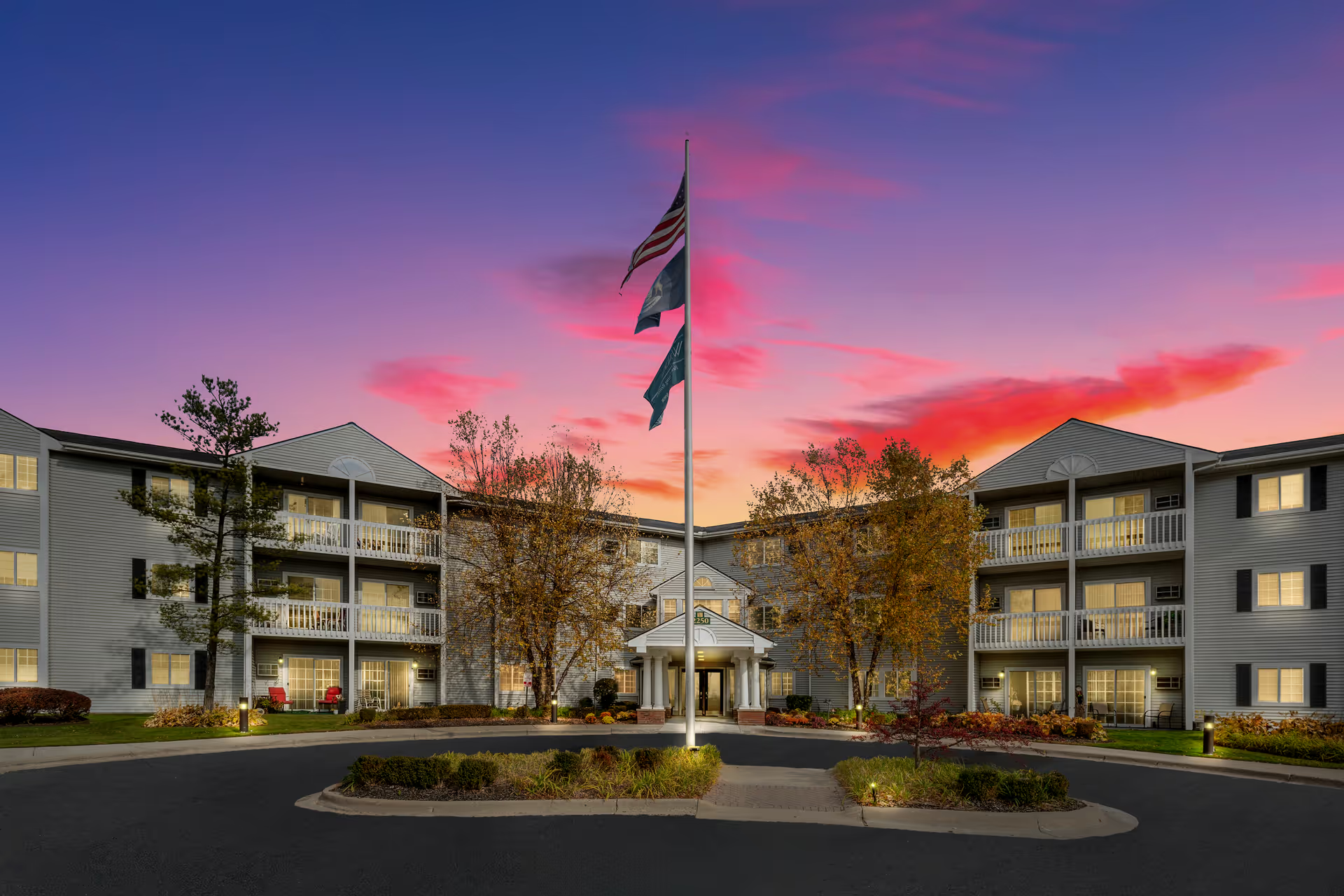
American House Carpenter presents as an active, community-oriented independent/assisted living option with many families praising its staff, social programming, and value. Positive themes include a consistently warm and personable caregiving culture, hands-on administrators who are often described as accessible, and a broad roster of activities (live music, entertainment, themed holidays, exercise classes, crafts, outings and regular social hours). Several reviews highlight thoughtful move-in support, ongoing family communication, and amenities such as library/theater spaces, a courtyard, salon services, and laundry options that support resident independence.
Dining and household services are central to the facility’s appeal: the community offers three meals daily prepared by a chef, in-apartment meal delivery when needed, and communal dining that supports socialization. Many families compliment the food, chef engagement, and the frequency of special events and holiday meals. At the same time, reviewers describe inconsistencies in meal service quality — complaints center on food temperature, occasional buffet/prepackaged service during staffing pressures, and limited plant-based options. Housekeeping and maintenance are generally noted as reliable, though there are intermittent sanitation and food‑handling concerns reported for specific shifts.
Clinical care and safety earned mixed commentary. On the positive side, families describe attentive care, 24/7 nursing presence or medical coordination, and timely notifications to families and physicians in many cases. Conversely, there are recurring operational concerns about inconsistent staffing levels, medication-administration gaps, variability in response times to calls and emergencies, and occasional coordination problems with outside home-health providers. These patterns have, in a few instances, led to serious family complaints and regulatory attention; a limited number of reviews reference an APS case and specific allegations related to clinical follow-through and home‑health services.
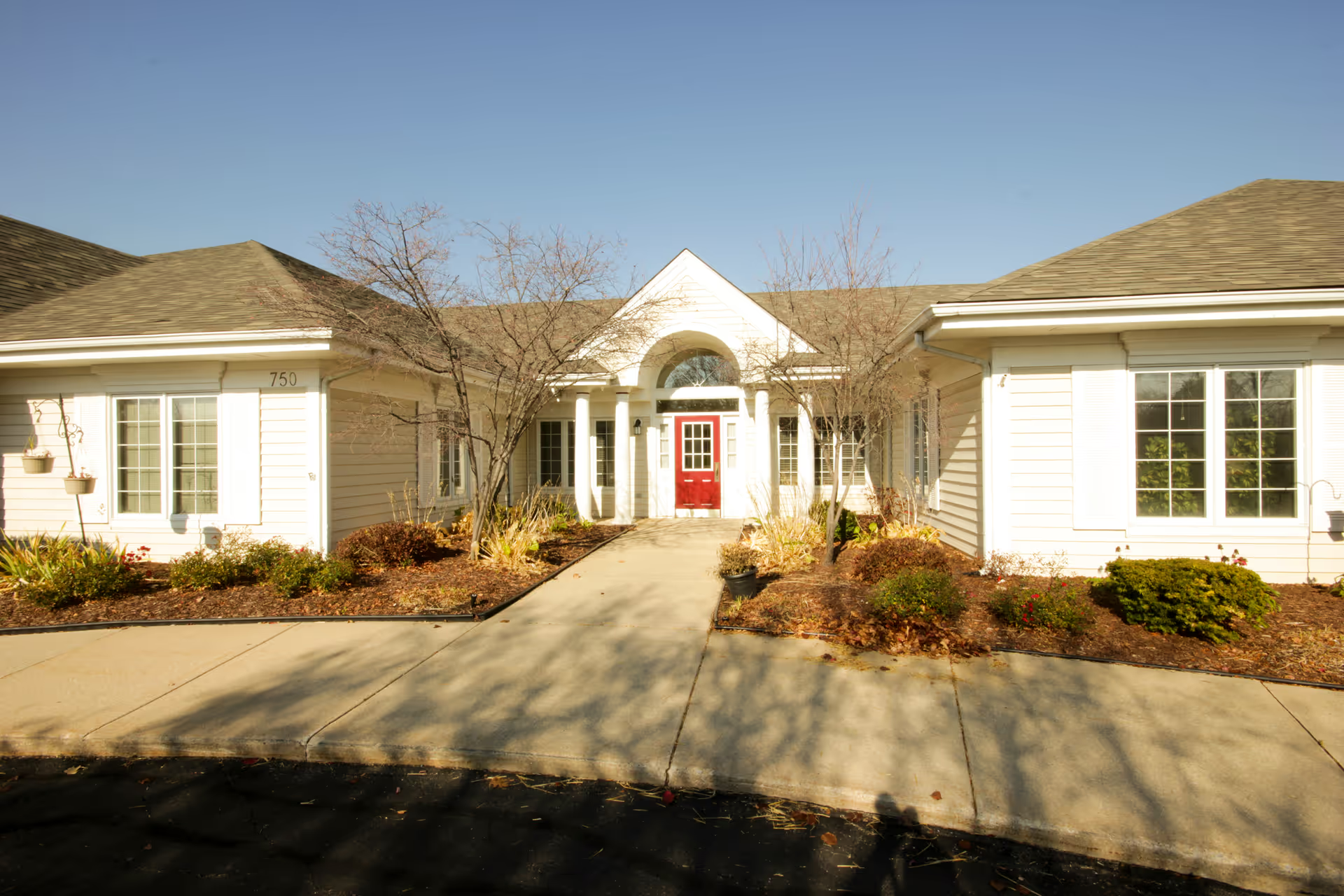
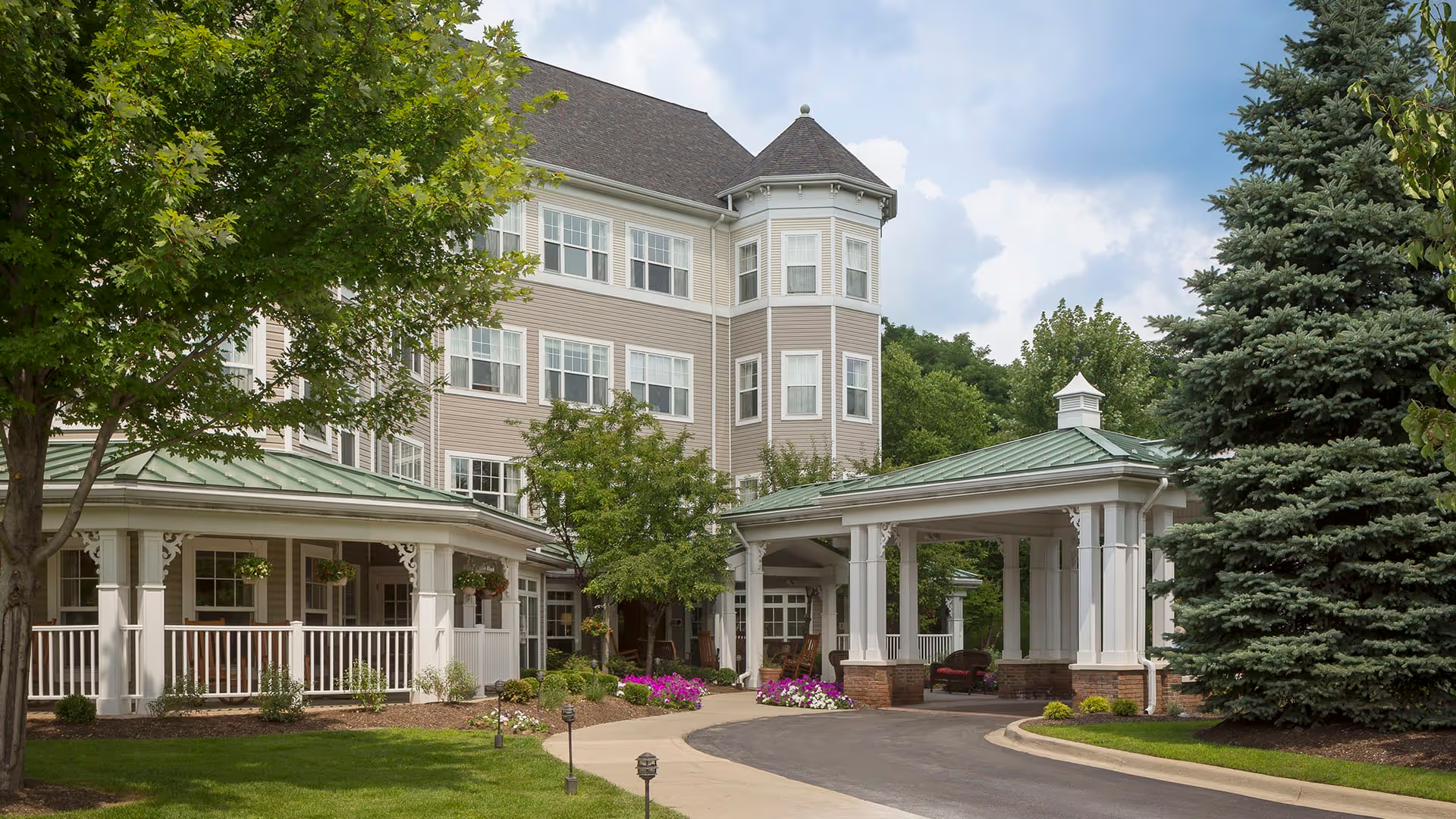
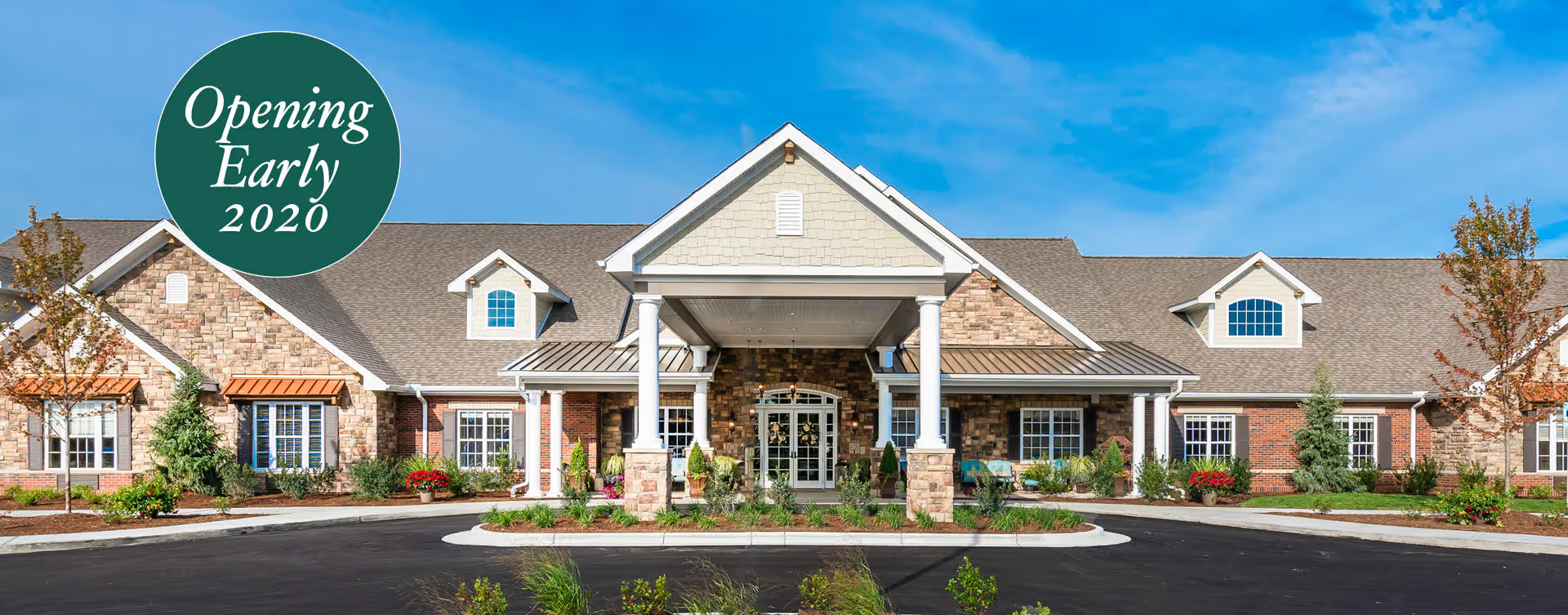
The physical plant is a mix of updated apartments and older building areas. Several units and common rooms have been renovated, with reports of fresh paint, new carpeting in some apartments, and attractive lobby and courtyard spaces. At the same time, reviewers note worn carpeting in halls, an older movie room, and layout constraints (for example, a dining area that sits along a busy walkway). Accessibility is adequate for many residents but limited for some higher‑need mobility or visual impairments: a few families described accessibility limitations and a small or absent exercise/therapy room.
Management impressions are similarly mixed. Many reviews single out specific staff and managers (names appear repeatedly) for praise, describing open-door communication and responsive problem resolution. However, other families reported problems with billing, last-minute moves, inconsistent management follow-through, and occasional nonresponse from corporate channels. Renovations and pandemic-related adjustments have also led to temporary changes in programming and service delivery that some residents and families found disruptive.
Bottom line: American House Carpenter offers a sociable, well‑priced community with many strengths in staff engagement, activities, and apartment amenities. Prospective residents and families should weigh those strengths against operational patterns flagged in reviews — particularly staffing variability, medication and emergency-response consistency, dining-service reliability, and the building’s mix of renovated and older spaces. For families with higher clinical needs or strict accessibility requirements, an in-person assessment focused on medication protocols, emergency response times, home‑health coordination, and unit accessibility is advisable before deciding.