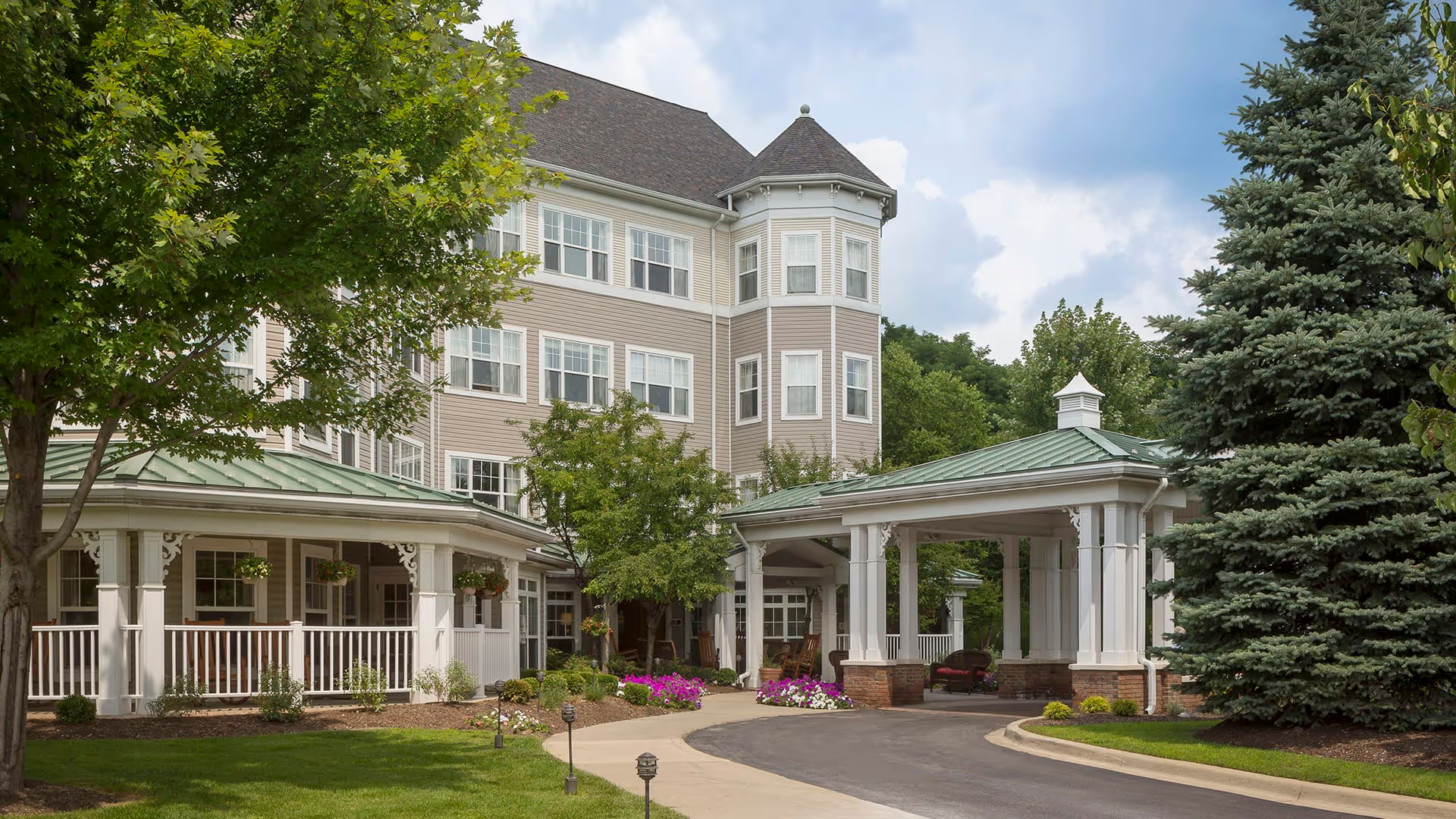
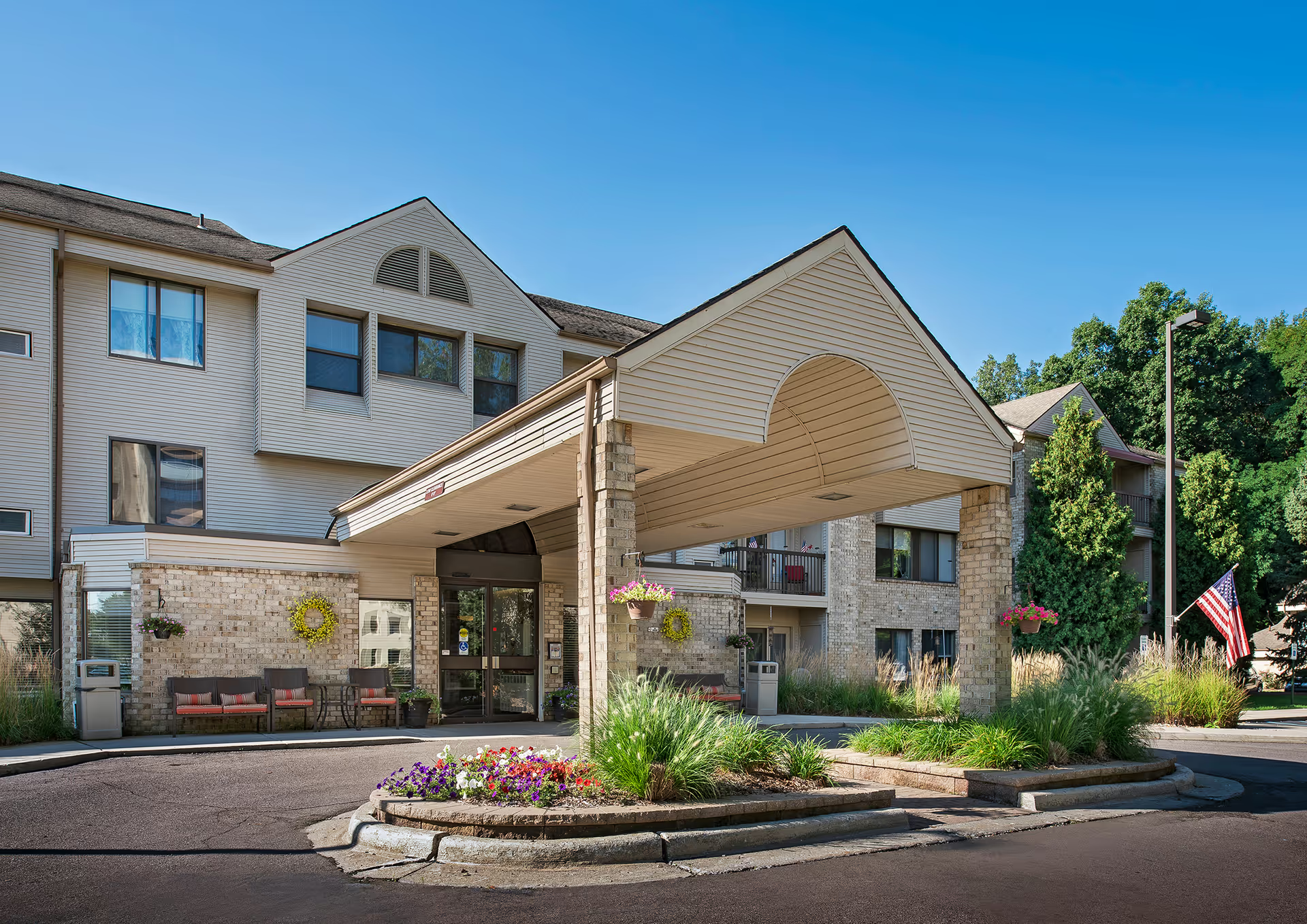
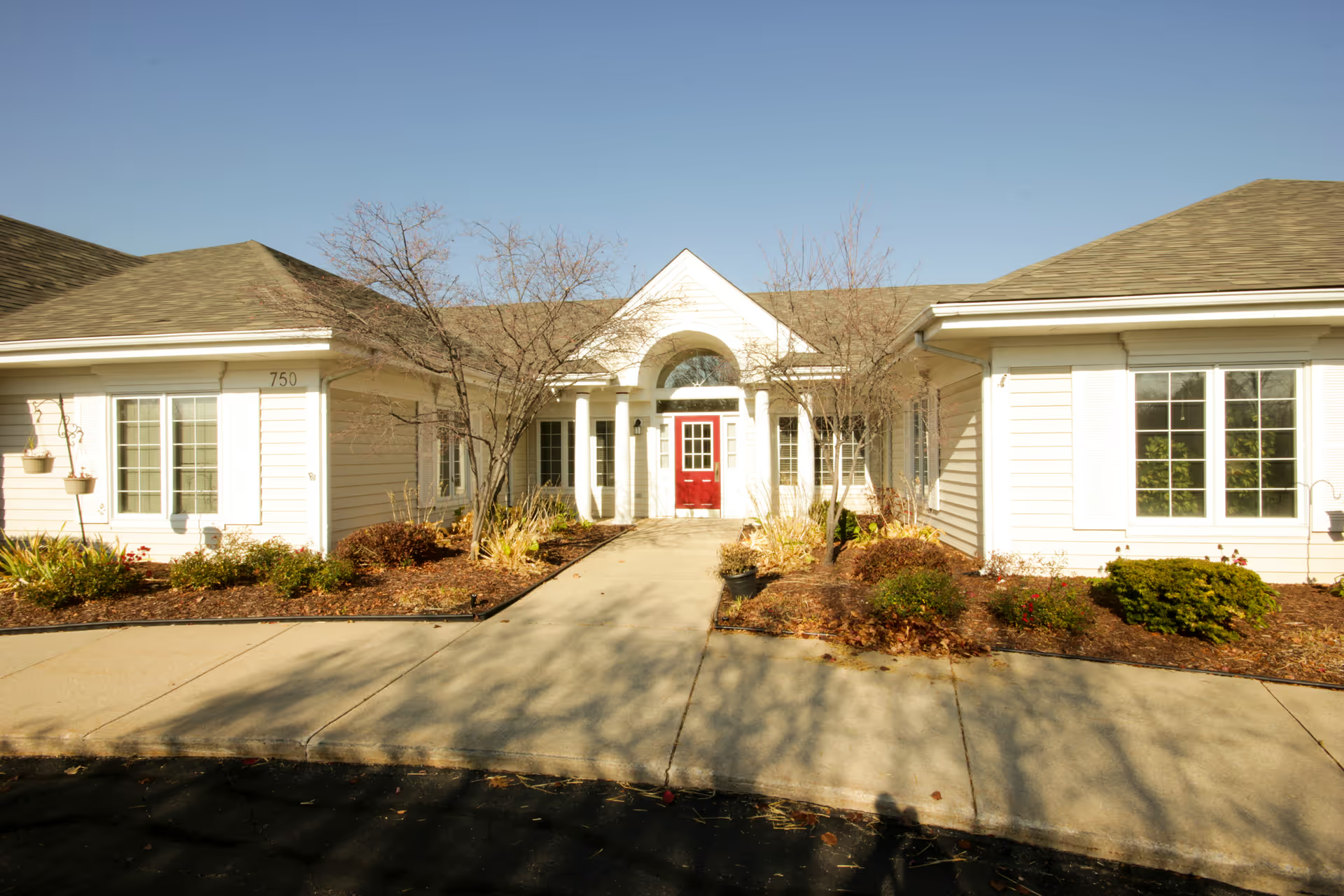
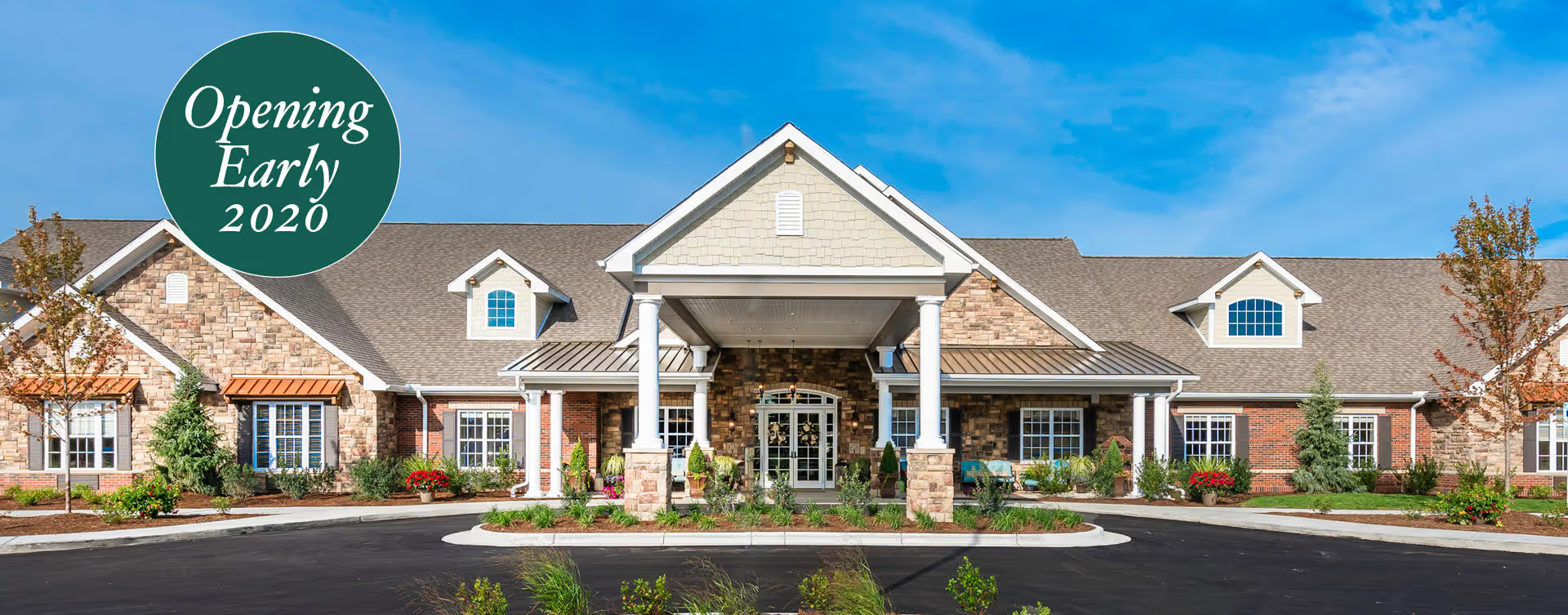
Orchard Hills Living is described consistently as a very small, home-style residential facility that houses a handful of residents in private bedrooms. Reviewers emphasize a family-oriented atmosphere with hands-on owners (including medical professionals), a live-in caregiver model, and round-the-clock staff presence. The facility is noted for its cleanliness and a welcoming, non-institutional feel; many families describe rapid communication from staff about health and safety issues and an emphasis on resident dignity and comfort.
Care quality and staffing are recurring strengths and trade-offs. Caregivers are frequently characterized as compassionate, patient, and attentive, with several accounts highlighting respectful interactions, effective medication management, and supportive end-of-life care. The small census appears to enable personalized attention and familiarity between staff, residents, and families. At the same time, reviewers point to limited staffing levels—often a single caregiver on shift—which can constrain engagement, reduce the breadth of supervised activities, and increase reliance on television or passive time when staffing is thin. Prospective families should confirm current staffing patterns and shift coverage to understand day-to-day supervision and engagement.
Dining and activities show mixed signals. Many accounts praise homemade meals, flexibility around dietary preferences, and occasional culturally specific options (including Chinese dishes) prepared by staff or owners; an item frequently singled out positively is a homemade spinach pie. Flexible meal times and individualized accommodations are reported. Conversely, others note inconsistent food quality, limited menu choices, or a lack of variety. Activity programming includes planned events and holiday celebrations, but the scope and frequency of organized enrichment appear to depend on staffing levels.
The physical plant reflects an older single-family home converted to a residential care setting. Strengths include private rooms, a yard, and an accessible, residential scale. Limitations include smaller-than-average rooms, narrow doorways and hallways, dated bathrooms, and limited outdoor walking space. The facility is described as handicap accessible in principle, but the layout and room sizes may pose constraints for some mobility or assistive-device needs.
Management and finances are another area with clear patterns. Ownership is described as approachable and medically knowledgeable, with prompt family communication and a willingness to customize care. The facility is also positioned as an affordable option with occasional discounts. However, the business model requires out-of-pocket payment (insurance is not accepted), and several reviewers voiced frustration with rigid payment and refund policies (for example, a 30-day requirement or non-refundable unused days). Prospective residents should review contract terms, refund policies, and billing practices closely before committing.
Overall, Orchard Hills Living may be a good fit for families seeking a small, home-like environment with personalized attention, consistent cleanliness, and compassionate staff. Important trade-offs include limited staffing levels that can affect daytime engagement and activities, an older facility layout with smaller rooms, and fixed financial policies that require clarification. Visitors evaluating the home should ask about current staffing ratios, sample menus and meal schedules, room dimensions and accessibility, activity schedules, and detailed payment/refund terms to ensure alignment with the resident’s clinical and lifestyle needs.