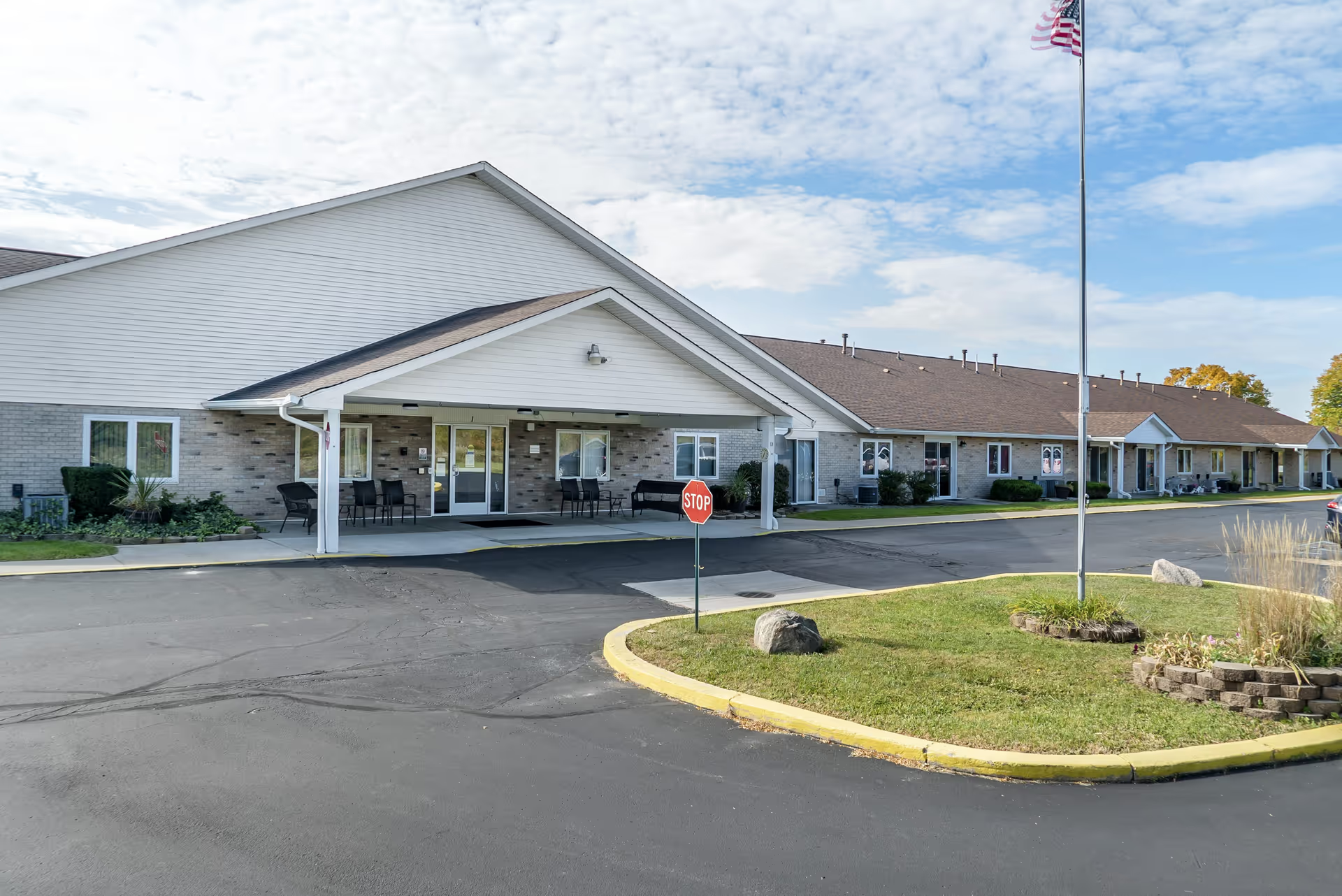
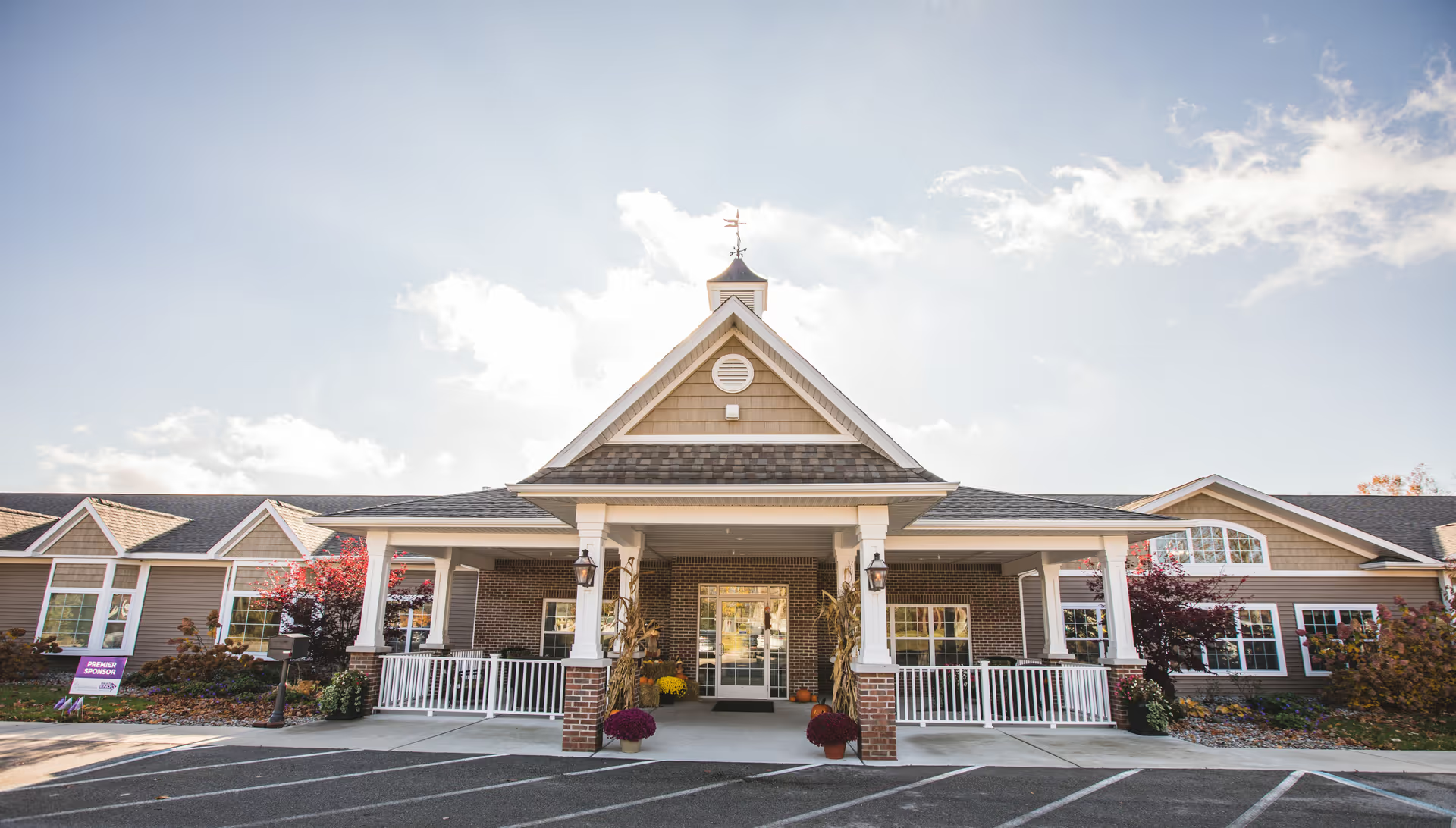
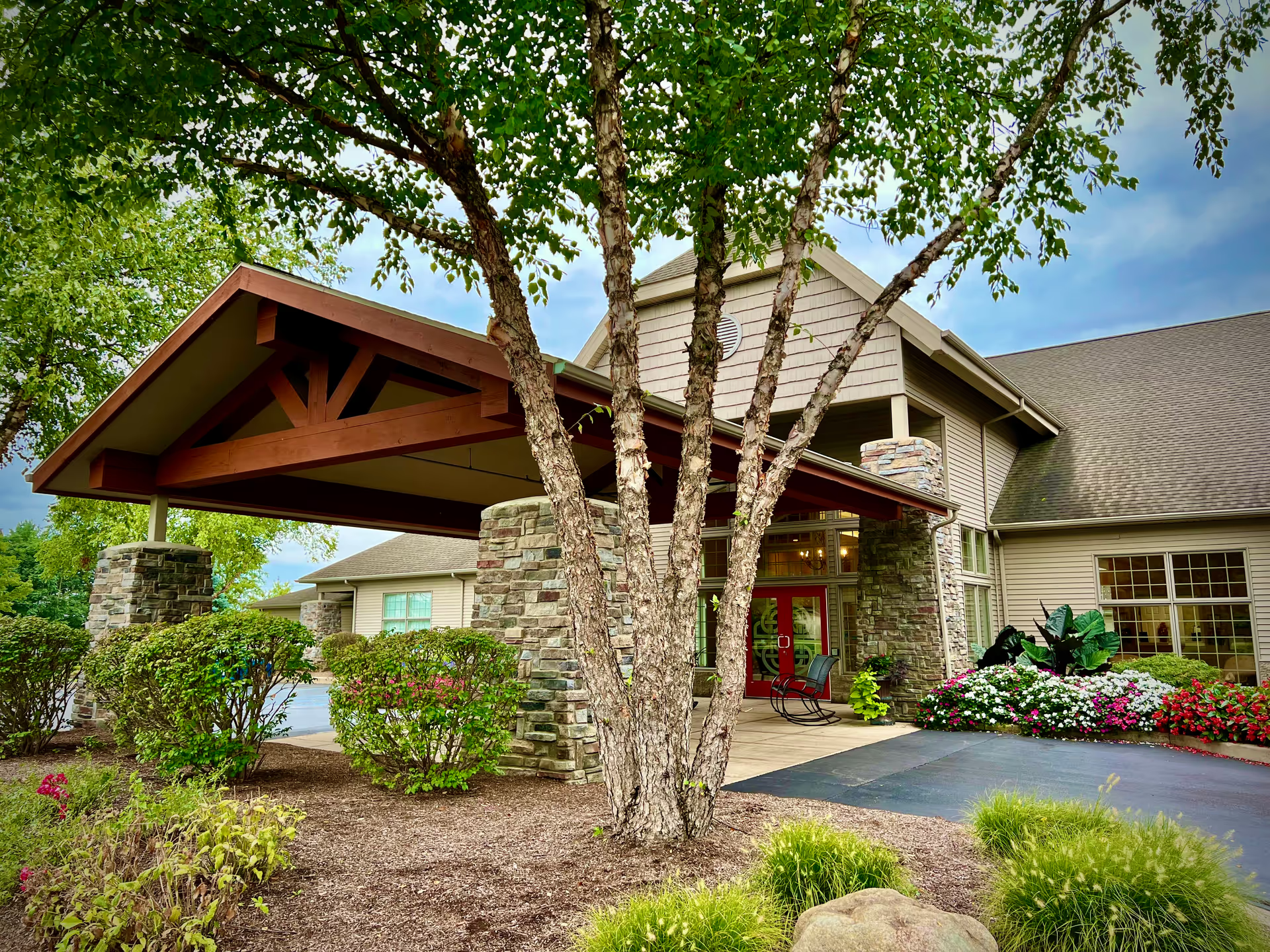
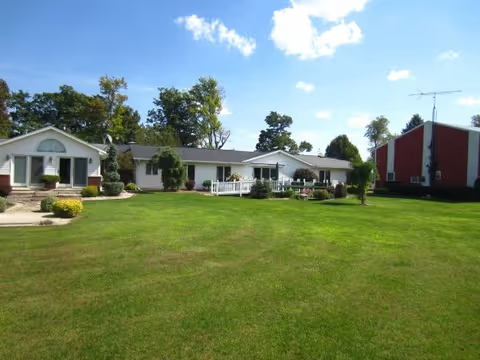
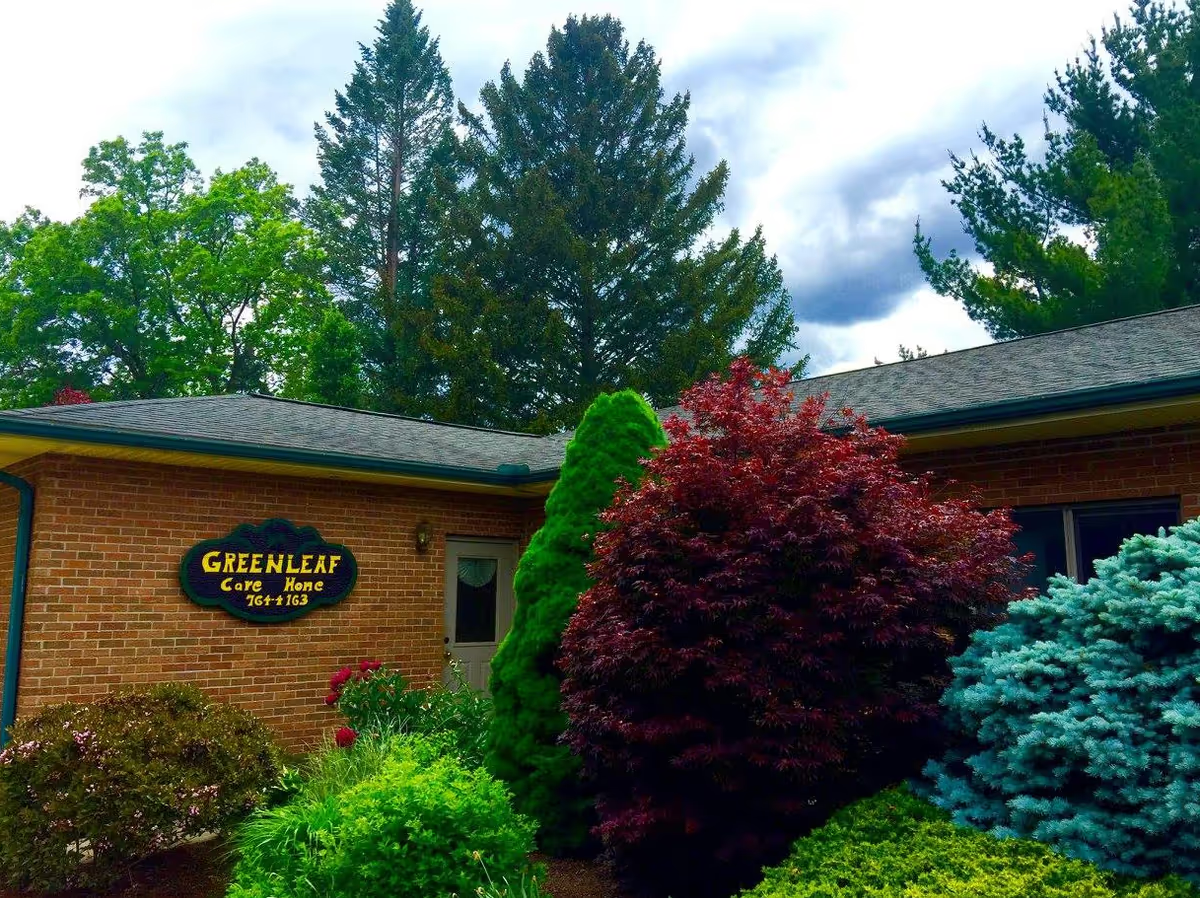
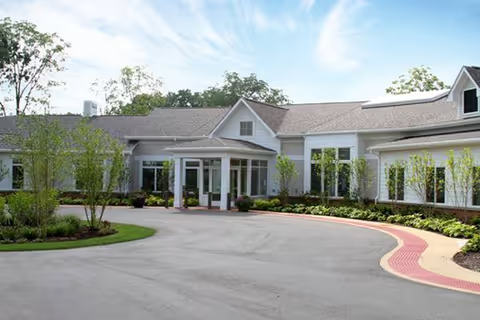
Reviews present a mixed but discernible pattern of strengths and operational weaknesses. Many families and residents describe consistently compassionate, attentive nursing and aide care, with staff who learn residents’ names, provide prompt assistance, and maintain a warm, family‑oriented atmosphere. The facility is frequently described as clean and well‑maintained, with private rooms available, a separate assisted‑living wing, and pleasant outdoor grounds. Communication from nursing staff to families is generally described as clear, with regular updates and immediate response in many cases.
Activity programming and dining are notable strengths for many residents. The facility offers a broad, creative activities calendar—seasonal events, parades, farm/petting activities, picnics, live entertainment, and routine recreational options such as exercise, bingo, and movies—which reviewers say helps resident engagement and morale. Meals are often described as home‑style and cooked on site rather than mass‑produced, and some families praise flexible meal options and responsive service.
At the same time, several operational concerns recur across reviews. Rehabilitation services and therapy intensity are described as inconsistent, with some families believing therapy sessions are shorter or less intensive than needed. Reviewers also raised medication‑management and clinical‑monitoring issues, including the use of medications with sedative properties and cases where acute changes in condition were not recognized promptly; these comments suggest gaps in clinical escalation and monitoring protocols. Responsiveness to call bells and staff availability is uneven across units, and staffing consistency is affected by turnover and scheduling practices that reviewers tie to management decisions and wage pressures.
Practical and administrative issues appear to contribute to uneven experiences. Some families report limited in‑room communication infrastructure (residents must arrange their own phone service) and concerns about ancillary charges and overall value. Dietary accommodation, particularly adherence to low‑sodium plans, is described as inconsistent by some families who noted salty menu items and processed choices contrary to prescribed restrictions. Finally, several reviewers describe management practices that affect staff morale—mandatory scheduling decisions, perceived lack of administrative support, and consequent staff departures—which can influence continuity of care and unit‑level culture.
For prospective residents and families, the facility’s clear strengths are the personable caregiving staff, active and imaginative programming, on‑site meals, and a well‑kept physical environment. To get a fuller picture, visitors should inquire specifically about therapy schedules and intensity, medication‑review procedures and oversight, staffing patterns and turnover rates for the unit of interest, dietary‑accommodation processes (especially for therapeutic diets), and in‑room communication options and associated costs. These targeted questions will help determine whether the lived experience in a particular unit aligns with the positive accounts or with the operational concerns highlighted by other families.