Lynwood Manor elicits a mix of strong positive experiences and recurring operational concerns. Many families and former residents praise the facility's rehabilitation services, noting particularly effective physical and occupational therapy that supported meaningful recovery and successful discharges home. Direct-care staff are frequently described as compassionate, friendly, and patient, and the facility is credited with a welcoming, home-style atmosphere and a strong local reputation.
Clinical care presents a split picture. On the positive side, reviewers highlight timely consultations and strong therapy outcomes for post-stroke and short-term rehab patients. However, there are substantive clinical-process concerns flagged by multiple accounts, including medication-management gaps, inconsistencies in following prescribed diabetic diets, and cases where pain-management or physician oversight did not meet family expectations. Prospective residents with complex medical needs should verify medication safety protocols and diet/nutrition coordination during admissions discussions.
Staffing and responsiveness are another area of mixed feedback. Many reviewers commend individual caregivers for kindness and attentiveness, and therapy teams receive repeated praise. At the same time, families describe variable responsiveness to call signals and episodes of limited staffing or punctuality that affected routine care. These patterns suggest that staffing levels and shift coverage can influence day-to-day responsiveness.
Dining and activities are commonly cited strengths. Meals are described as well-balanced, tasty, and adaptable to individual needs in many instances, and the facility offers a robust calendar of activities — puzzles, games, worship services, crafts, bingo, and regular outings such as musicals and fairs — that many residents and families find meaningful and restorative.
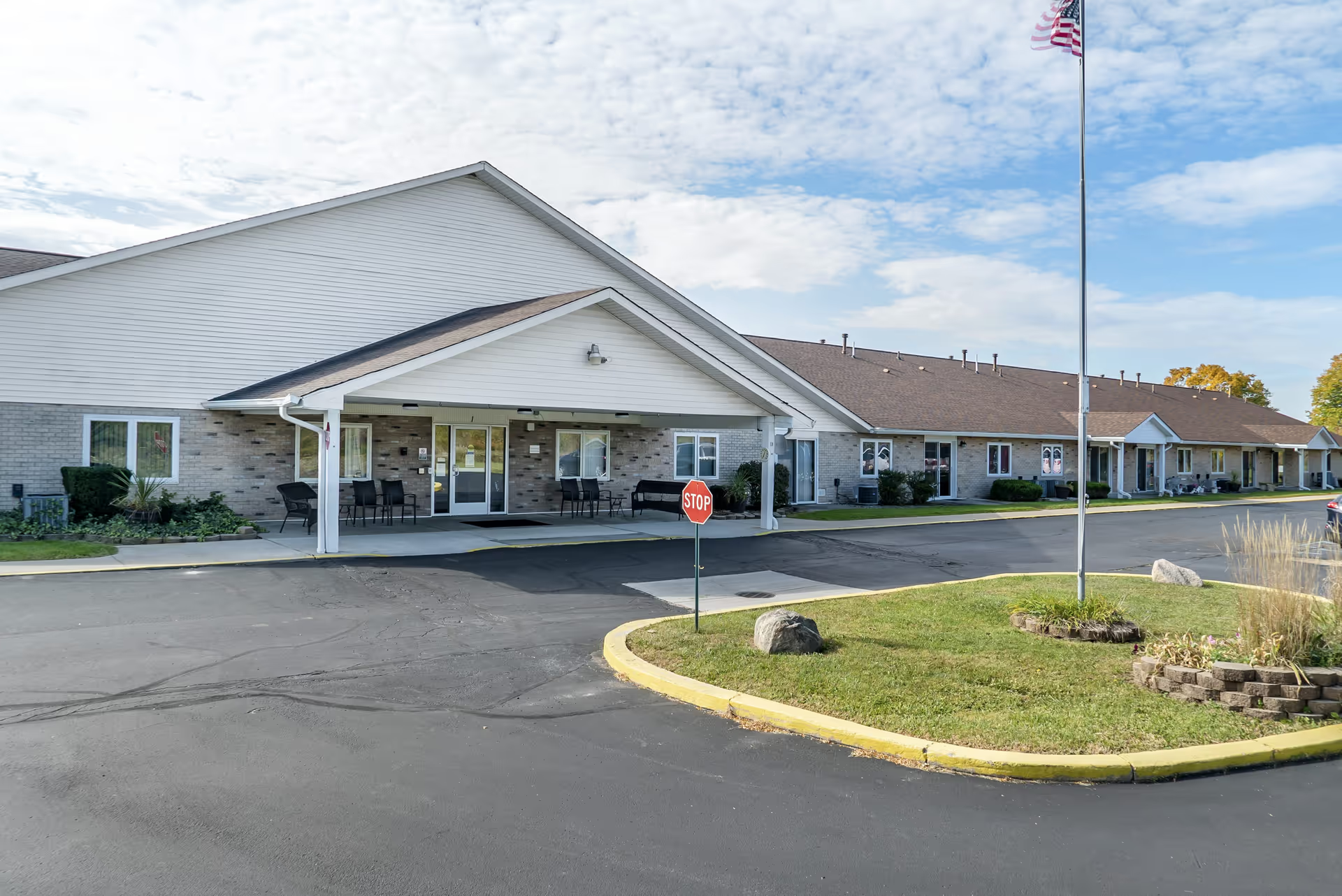
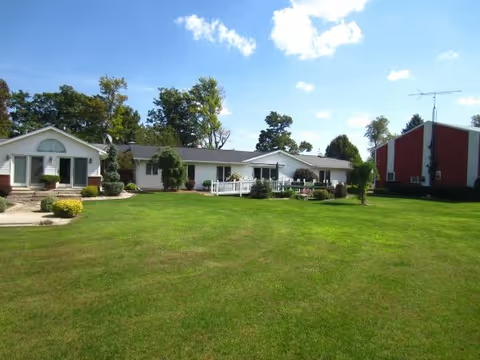
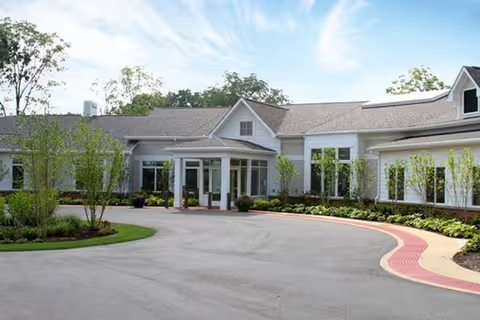
Facility condition and housekeeping show mixed observations. Several reviewers praise spacious rooms, large common areas, and a generally clean environment. Others note inconsistent housekeeping, occasional odor concerns in common areas, and maintenance issues such as plumbing or accessibility constraints in some bathrooms. These comments point to variability in environmental upkeep rather than uniformly poor conditions.
Administrative communication and management responsiveness are uneven according to reviewer feedback. Positive notes include effective clinical coordination and admissions that led to good rehab outcomes. Conversely, families have reported poor follow-up from admissions or administration, communication lapses with powers of attorney, and occasional concerns about reliability in managerial response. Those matters can influence the overall experience, particularly during transitions of care.
Bottom line: Lynwood Manor appears to deliver strong rehabilitation services, an active program of social engagement, and compassionate bedside care in many cases. At the same time, recurring themes around medication and diet management, responsiveness during low-staff periods, housekeeping consistency, facility maintenance, and administrative communication warrant careful inquiry. Prospective residents and families should tour the unit(s) of interest, ask about staffing ratios, medication-safety procedures, diabetic-diet protocols, housekeeping schedules, and recent maintenance plans, and request references from recent families with similar care needs.