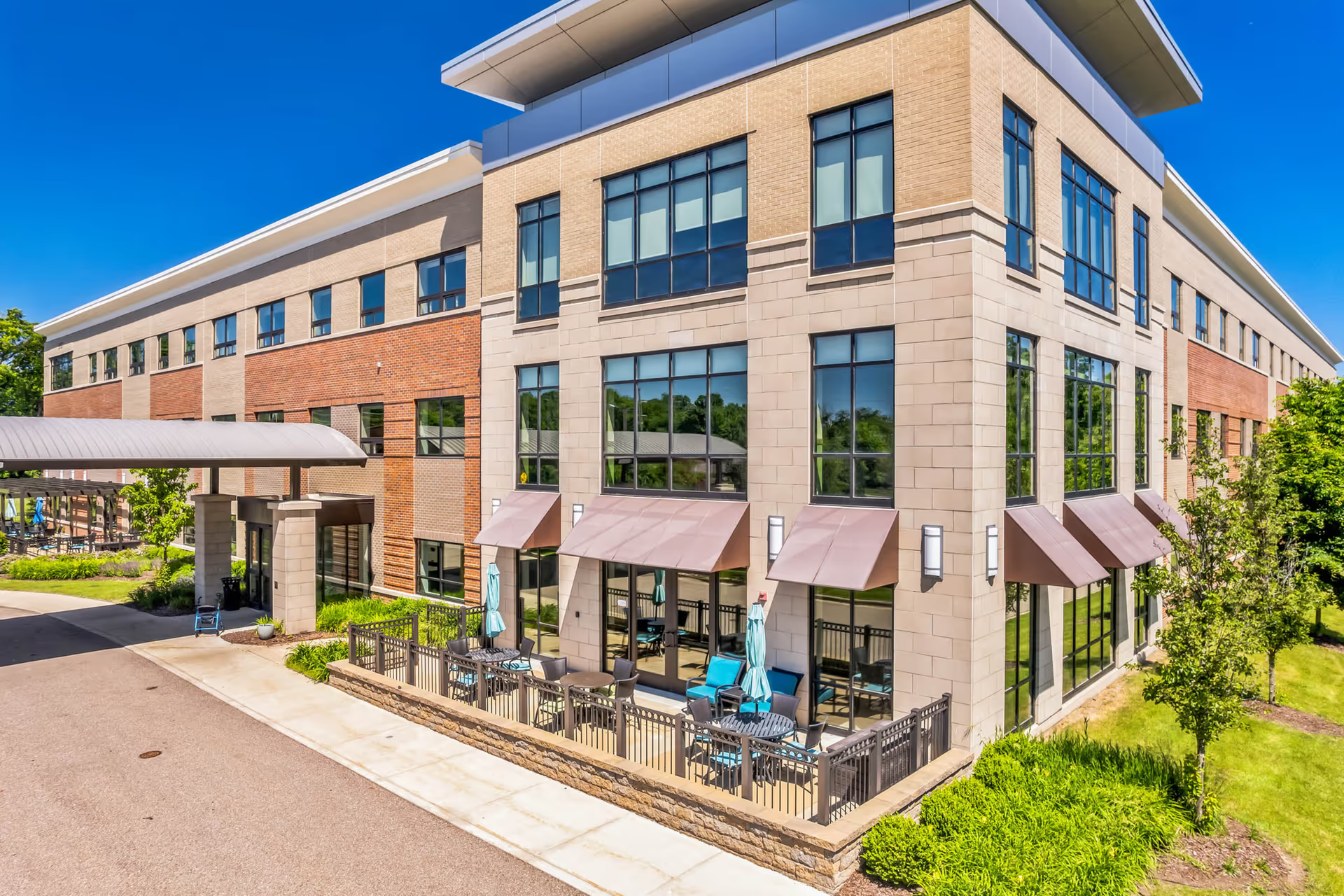
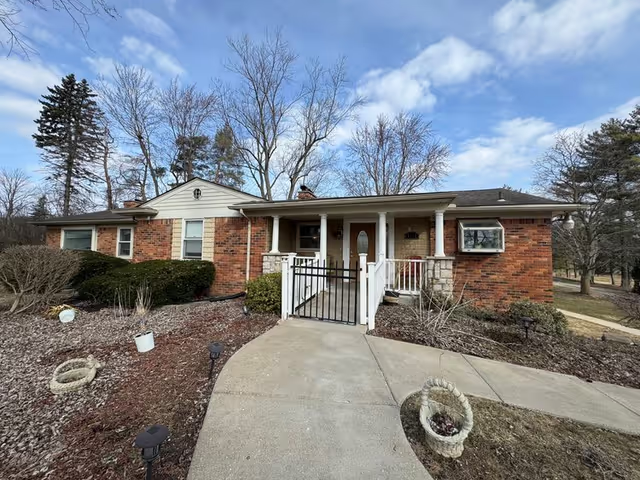
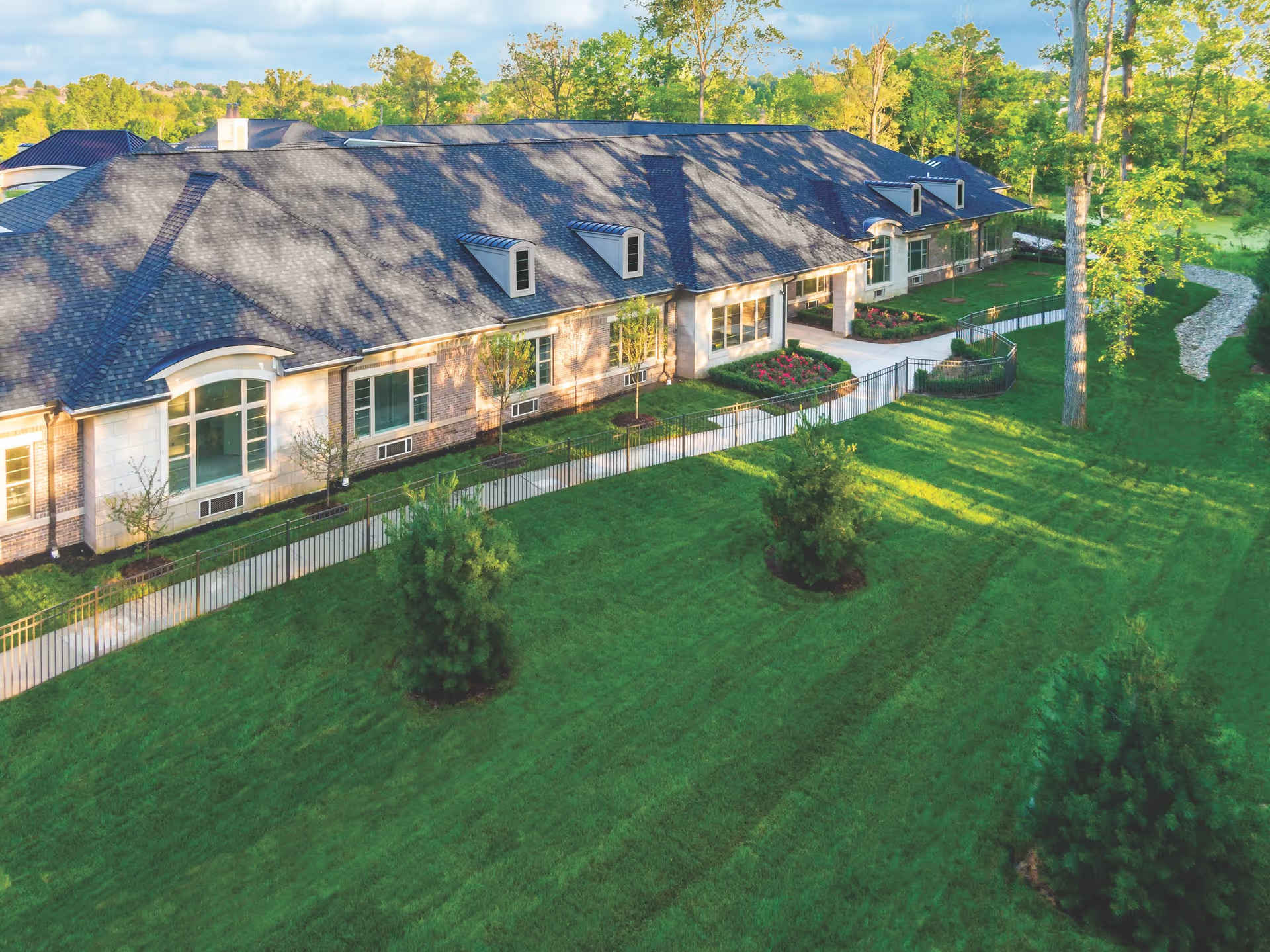
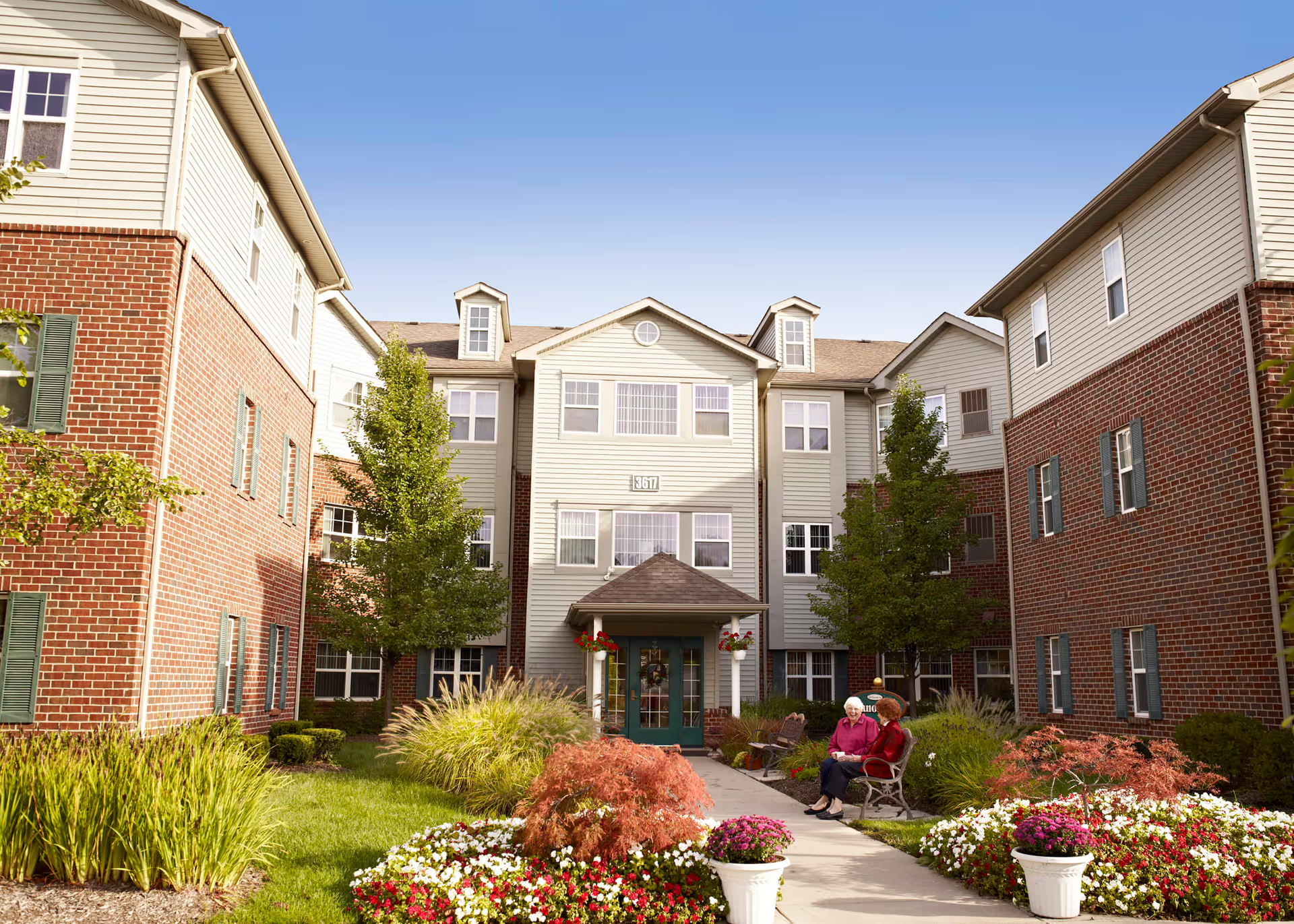
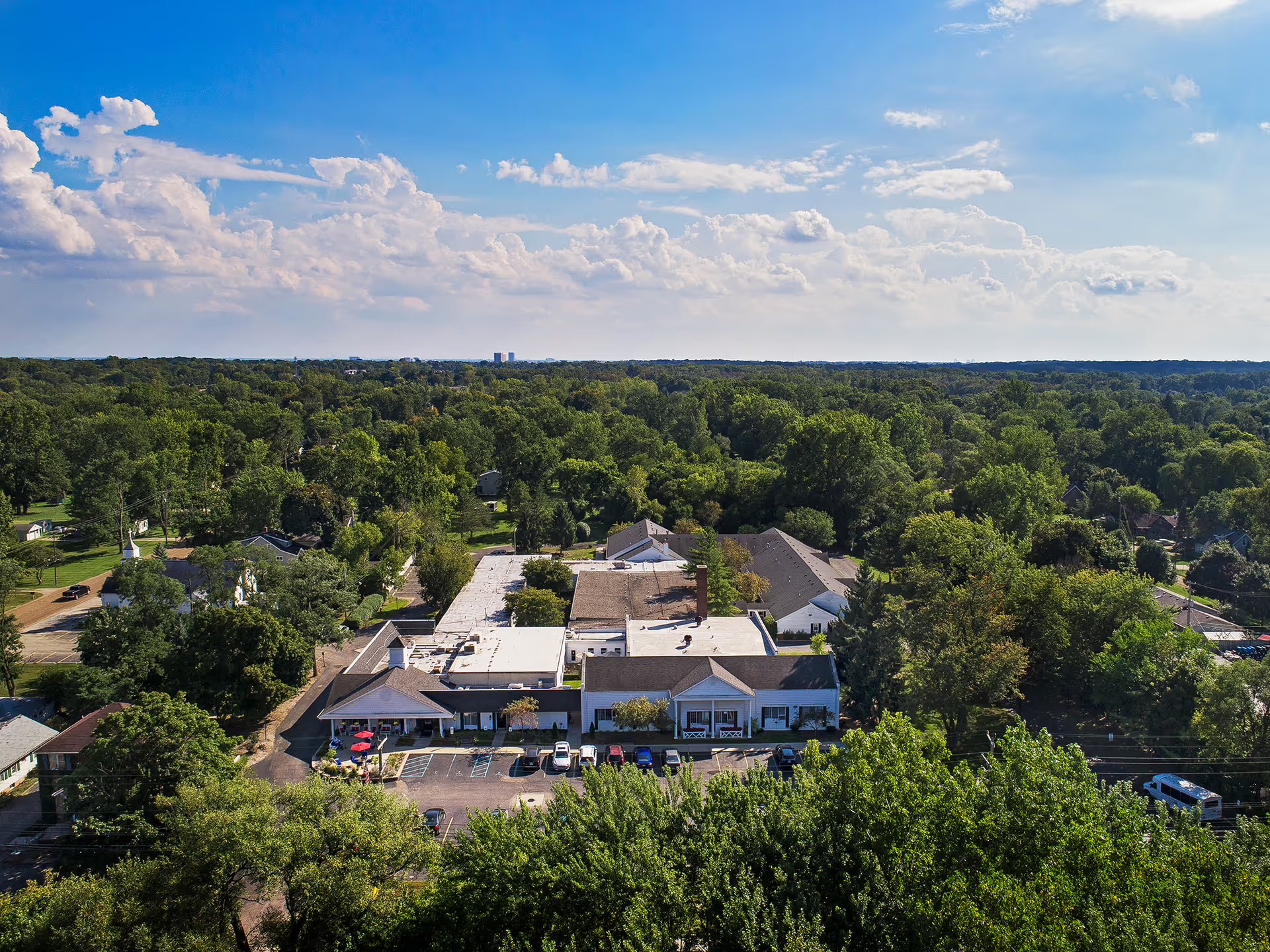
Reviews describe a facility with several clear strengths alongside recurring operational weaknesses. Strengths most frequently cited include warm, attentive direct-care staff and a small, cottage-like memory-care layout that many families find calming and easy to navigate for residents with cognitive impairment. The community’s secured courtyard, private-room options, on-site nursing assessments, and memory-focused programming (reminiscence activities, occasional outings in warmer months) are viewed positively. On-site services such as a salon and periodic dental visits, together with communal, chef-prepared meals, contribute to a home-like environment that many residents and families praise.
Care and staffing present a mixed picture. Numerous families emphasize compassionate caregivers and personalized attention, and several accounts note good collaboration with hospice and clinical oversight when present. At the same time, a persistent theme is staffing instability: understaffing, frequent personnel changes, and perceived understaffing during some shifts. Those operational patterns are tied to concerns about timeliness of care, inconsistent bathing and personal-care scheduling, and medication-administration problems. Reviewers describe issues ranging from missed or delayed doses to questions about prescribing and administration practices; these are framed here as systemic medication-management concerns rather than isolated events.
Dining and activities receive both praise and critique. Many residents enjoy the meals and communal dining experience, and some reviewers describe strong menus and high participation in activities. Others find food quality inconsistent and note concerns about high-sodium options or menu suitability for specific dietary needs. Activity programming tends to emphasize reminiscence, circle-time, and seasonal outings; families seeking a broader or more active calendar for younger seniors sometimes view the schedule as limited, especially during colder months or heightened infection-control periods.
Facility condition and infection-control factors are uneven across units. Several reviewers report clean, odor-free common areas and recently updated spaces, while others note stained carpeting, areas that need refurbishment, and sanitation concerns in particular units. There are also mentions of pest-control issues and unit-level odor concerns that suggest variability in housekeeping and environmental-maintenance practices. Security features such as alarmed exits and an enclosed quadrangle are described as strengths for memory care.
Management and operations show bifurcated experiences. Some families praise responsive admissions staff, clear explanations of care levels, and engaged leadership. Conversely, recurring operational criticisms include inconsistent family communication, difficulty reaching staff or receiving timely callbacks, billing problems after discharge, and leadership turnover. One notable operational gap cited was emergency preparedness during a prolonged power outage without generator backup; that example underscores the importance of confirming emergency protocols during touring and admissions.
Taken together, the pattern is one of a community that can provide compassionate, dementia-appropriate care in a home-like setting, but whose performance is sensitive to staffing levels, leadership stability, and unit-level maintenance practices. Prospective residents and families should consider on-site nursing coverage, staff-to-resident ratios on the desired unit, medication-management protocols, housekeeping and pest-control practices, emergency-power arrangements, and recent leadership continuity during tours and admissions conversations to assess whether the facility’s current operational state matches their expectations and care needs.