The reviews reflect a strongly polarized pattern: many families describe a clean, attractive facility with compassionate direct-care staff and solid therapy services, while other families report persistent operational and clinical concerns. Prospective residents and their families will find evidence of strengths in the building, amenities, social programming, and rehabilitation outcomes, but should be aware of recurring issues that affect day-to-day care and clinical oversight.
Care quality: Clinical experiences vary considerably. Several accounts praise effective PT/OT support and successful short-term rehab results, while other accounts describe gaps in basic care processes — specifically delayed responses to call lights, inconsistent assistance with meals, irregular hygiene scheduling, and variable attention to catheter and incontinence needs. A small number of reviewers described serious clinical escalations (infections, hospital transfers, and end-of-life concerns), which generated questions about timeliness of medical assessment and transfer coordination. Families should verify the facility’s protocols for clinical monitoring, physician coverage, infection control, and escalation pathways prior to placement.
Staff: Many reviewers highlighted warm, helpful CNAs and a dedicated therapy team; administrators are sometimes visible and responsive. At the same time, reviewers described inconsistent staffing levels, turnover, and variable staff training and professionalism. These workforce inconsistencies appear to be a major driver of other operational problems (delayed responses, missed medication timings, uneven feeding assistance). Asking about staffing ratios, staff training, and continuity plans may help set expectations.
Dining and nutrition: Comments about dining were mixed. Some families described varied, appetizing meals and an enjoyable dining environment; others reported late or incorrect meal delivery, food not prepared for residents who need assistance (for example not cut up), and inconsistent hydration/feeding support. Confirming individualized dining assistance plans and meal-service protocols is advisable for residents with swallowing, feeding, or dietary needs.
Activities and social life: The facility’s program offerings are generally regarded as a strength. Reviewers mention frequent bingo, crafts, holiday events, and weekly religious services, along with opportunities for social engagement that many residents enjoy. Community involvement and special events were highlighted as positive contributors to resident quality of life.
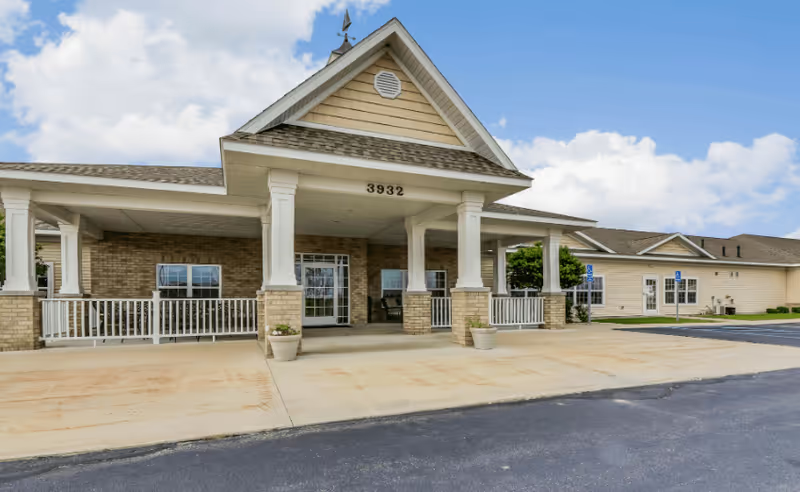
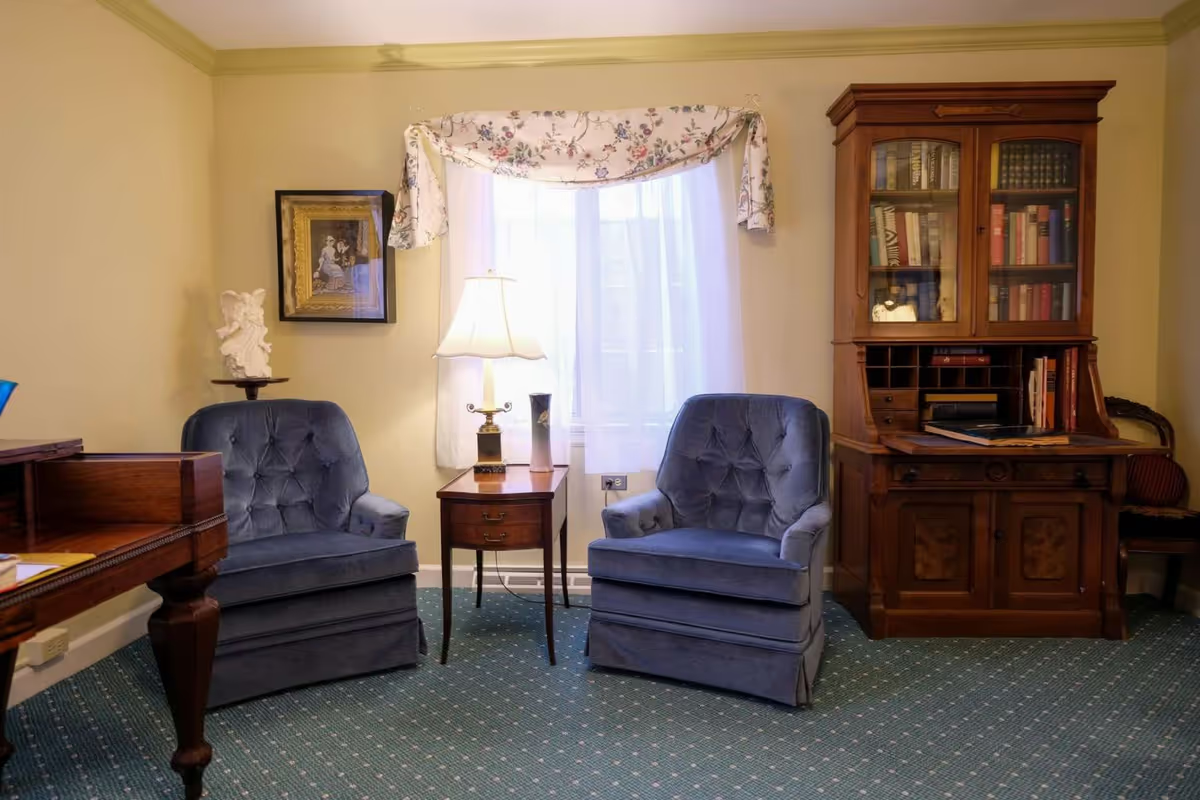
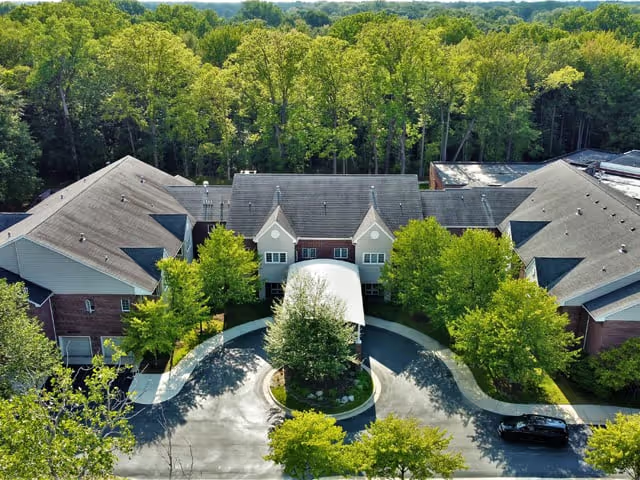
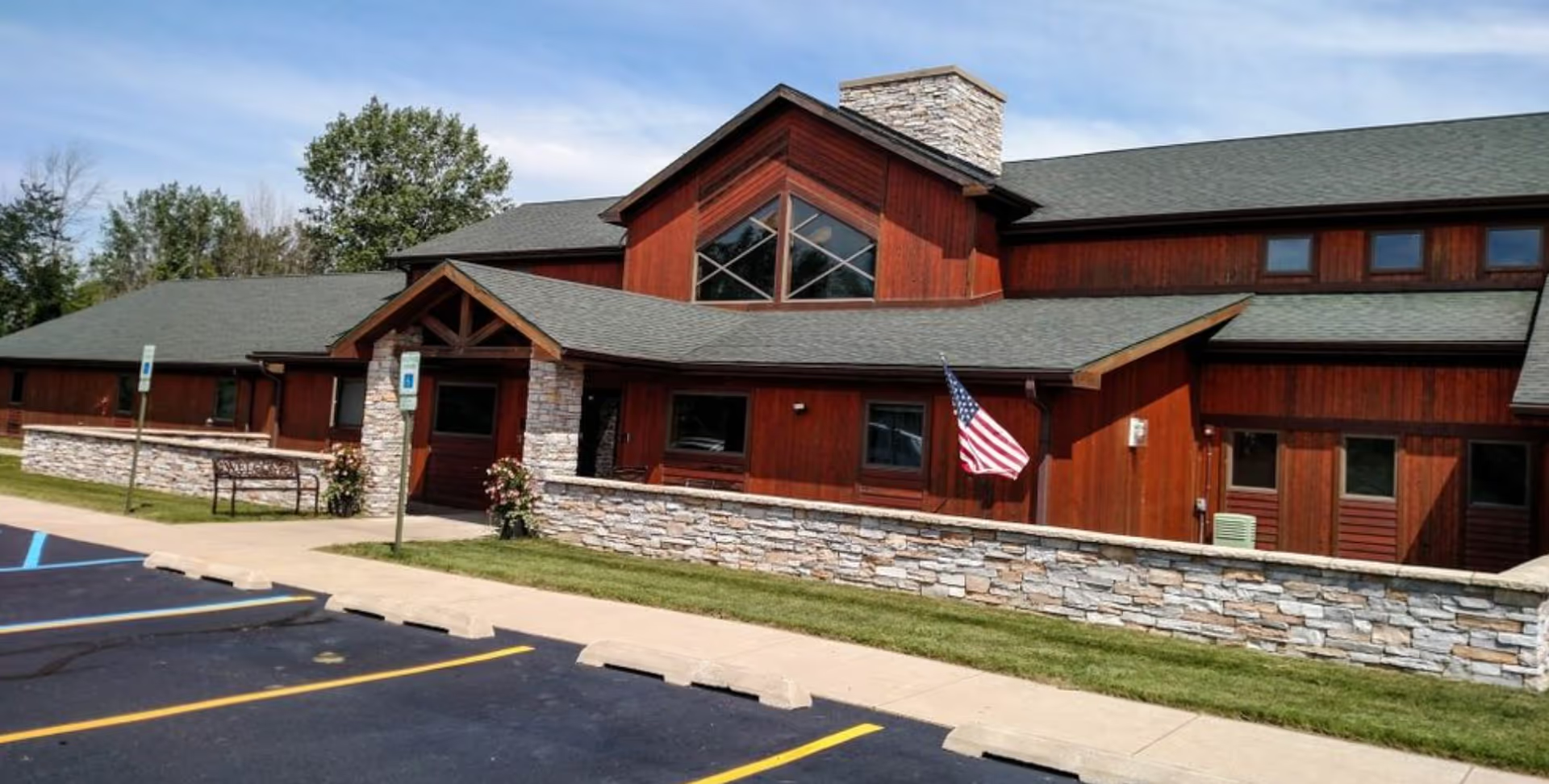
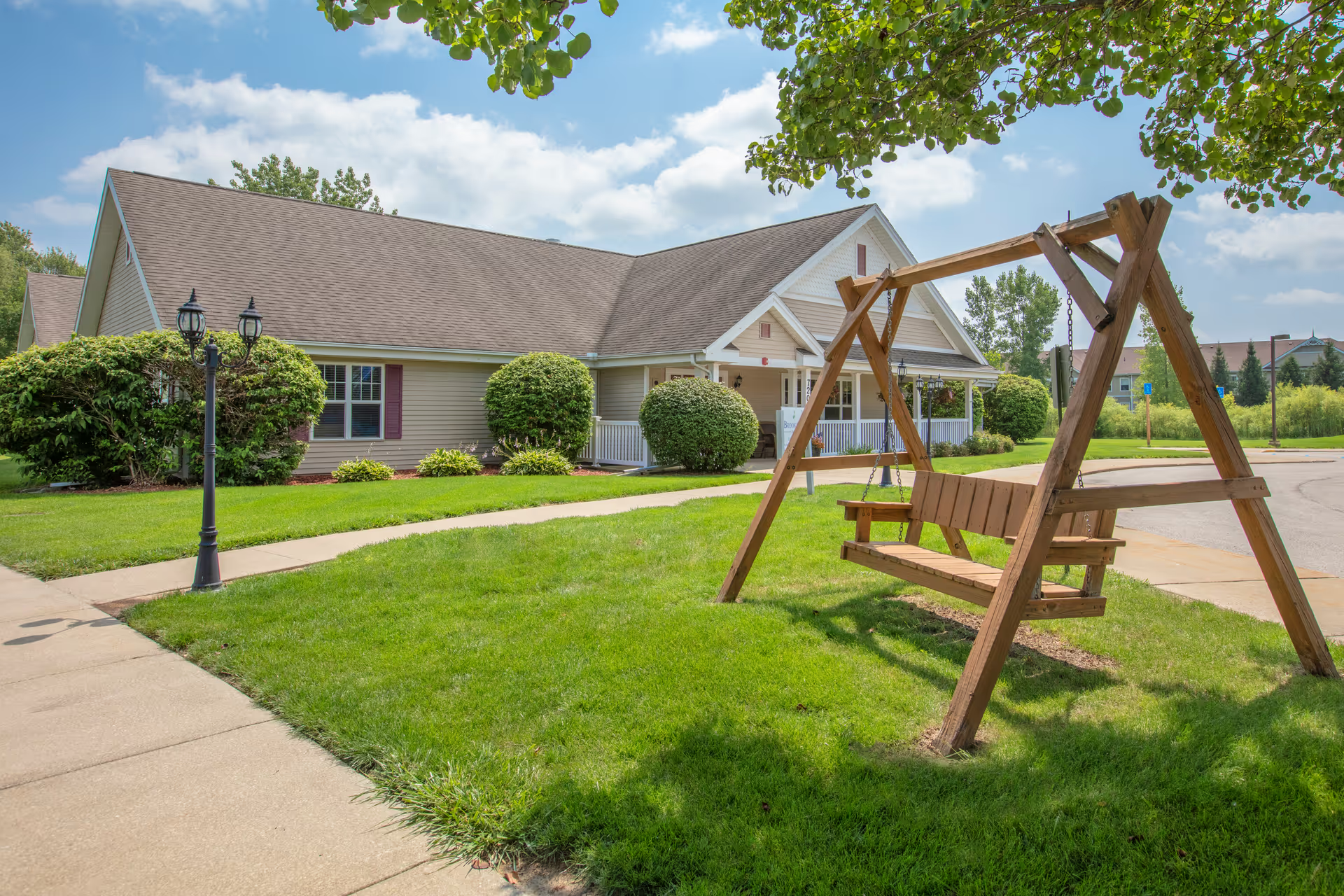
Facilities and support services: The building, rooms, and grounds receive positive feedback: many families mentioned spacious private rooms with en-suite bathrooms, a clean interior, attractive common areas, and available ancillary services (beauty, etc.). Laundry and personal-belongings management emerged as an operational weakness for some families; clarifying laundry procedures and inventory protocols is recommended.
Management and communication: Perceptions of management are mixed. Some reviews commend visible and responsive leadership, while others describe communication gaps, perceived pressure around billing and discharge, and occasional privacy/HIPAA concerns. Families may want to establish regular communication expectations, document clinical questions in writing, and confirm discharge and billing processes before admission.
Notable patterns and recommendations: The dominant pattern is variability — positive rehabilitation outcomes and a supportive environment for many residents coexist with operational weaknesses that can impact vulnerable residents. Before placement, families should (1) ask for current staffing ratios and turnover data, (2) review nursing coverage and physician/PA availability, (3) confirm individualized care plans for feeding, hygiene, and catheter/incontinence management, (4) review infection-control and escalation/transfer protocols, and (5) set clear expectations for family communication and documentation. These steps can help families take advantage of the facility’s strengths while mitigating known risks.