Overall impression: The review set is mixed, with a clear pattern of strong rehabilitation and life-enrichment services coexisting alongside operational weaknesses in long-term nursing coverage and clinical oversight. Positive accounts highlight successful therapy outcomes, enthusiastic activity programming, and a clean, well-kept environment; contrasting accounts describe persistent staffing and communication problems that can affect clinical safety and family confidence.
Care and clinical oversight: Many accounts praise the rehabilitation teams and therapy staff for restoring independence and achieving measurable functional gains. At the same time, there are documented operational weaknesses: understaffing, slow responses to call lights, and gaps in clinical monitoring. There are isolated but serious clinical concerns described, including delayed notification of pressure injuries and absent or inconsistent documentation. These items suggest variability in clinical vigilance and wound-prevention practices between units and shifts.
Staff and culture: Reviews consistently praise individual caregivers, CNAs, therapists, and some nurses for compassion, personalization of care, and respectful interactions. Activity and therapy staff receive particular commendation for creativity and engagement. However, accounts also describe uneven performance across the facility—some shifts and units perform at a high standard while others exhibit low responsiveness or inattentive behavior. This creates a split experience depending on timing and assignment.
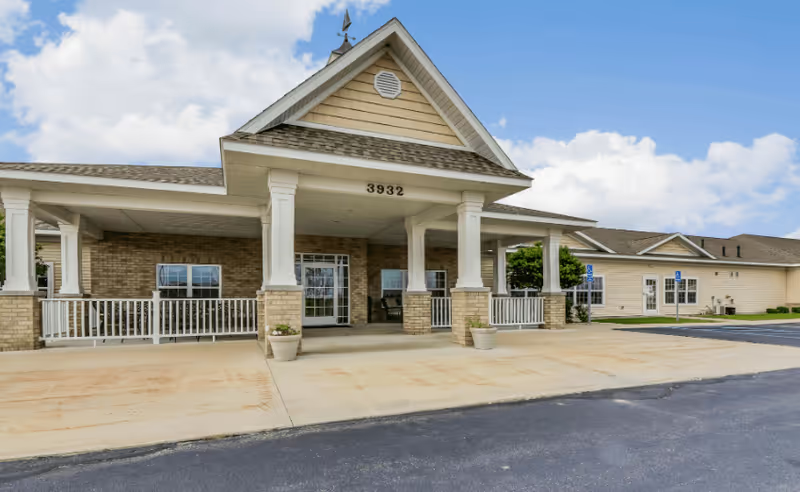
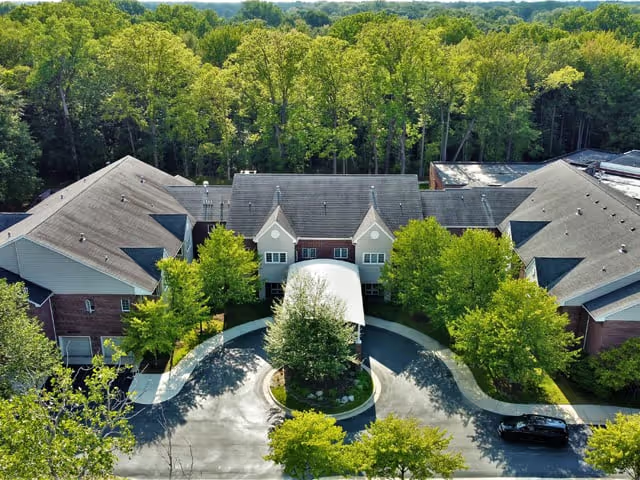
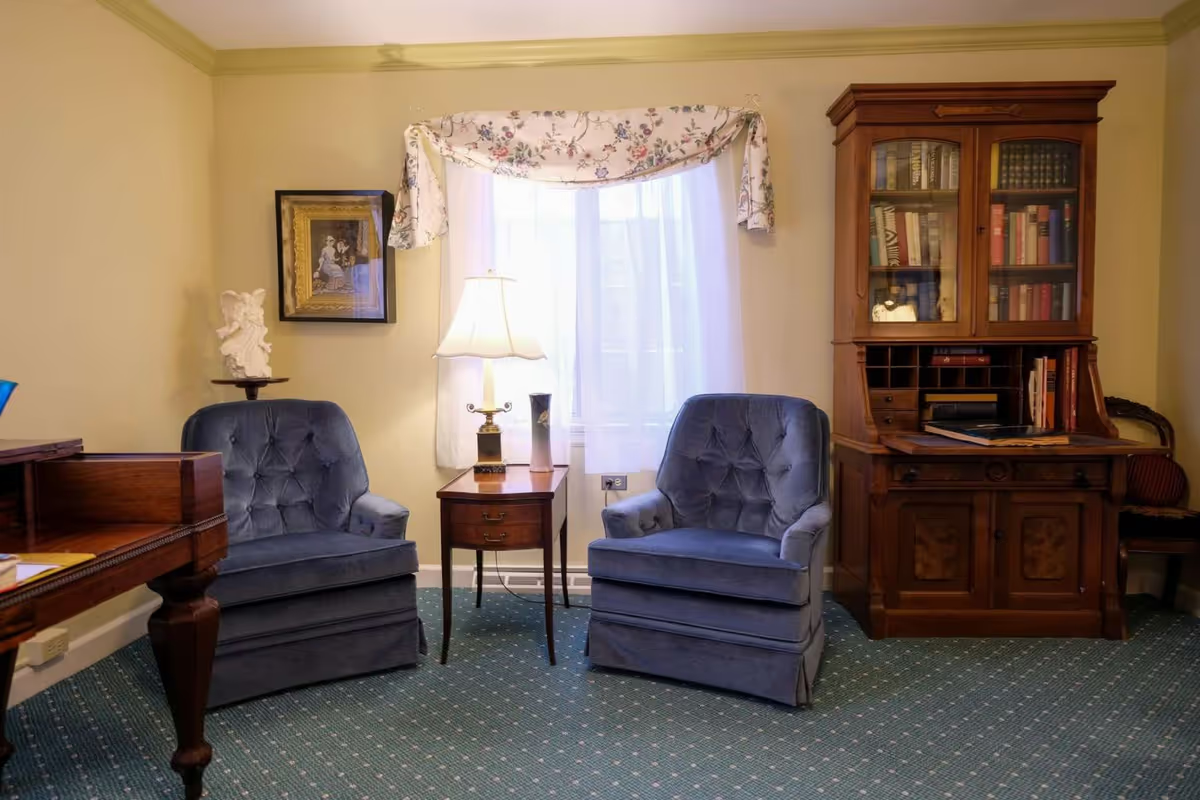
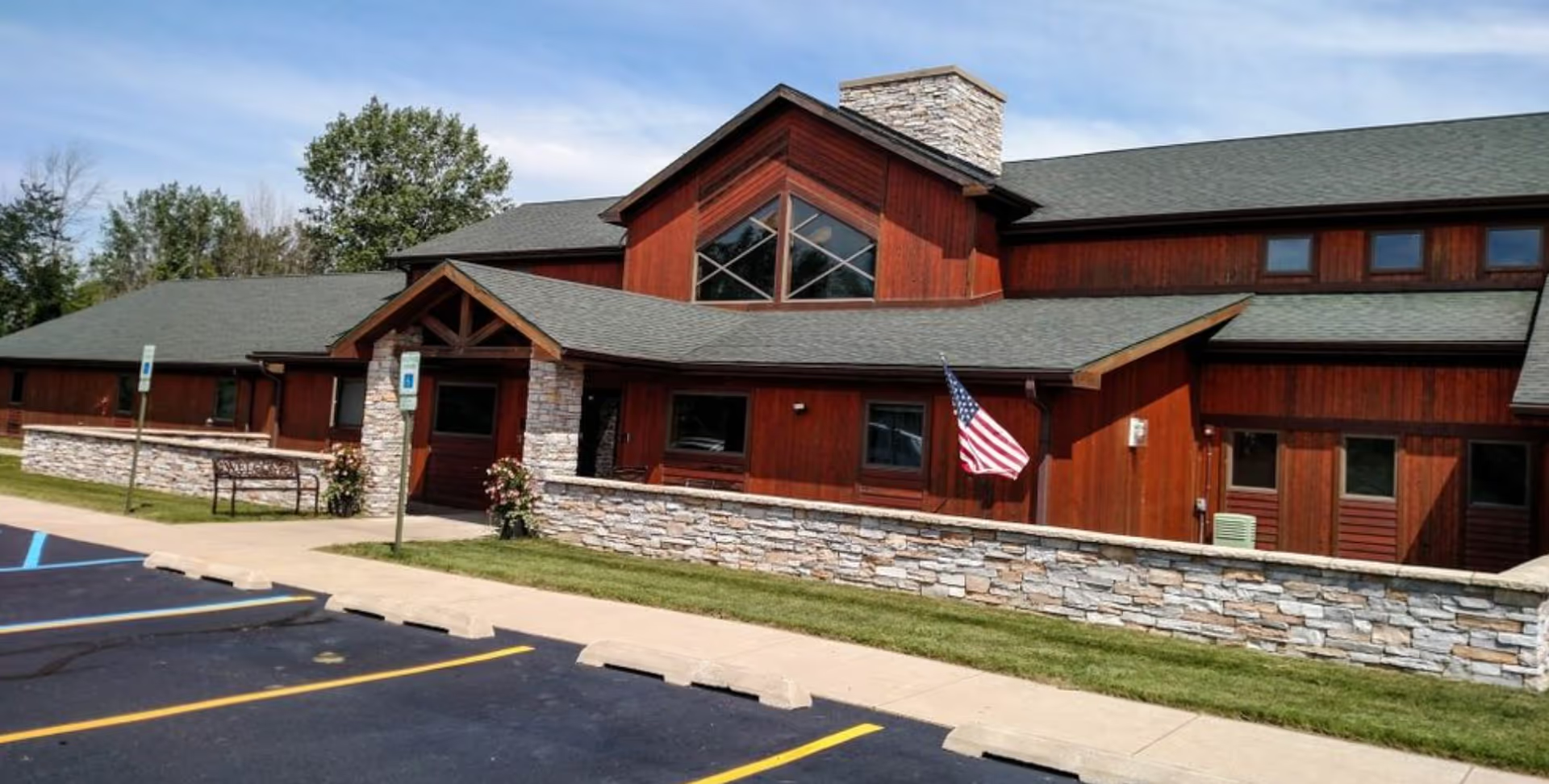
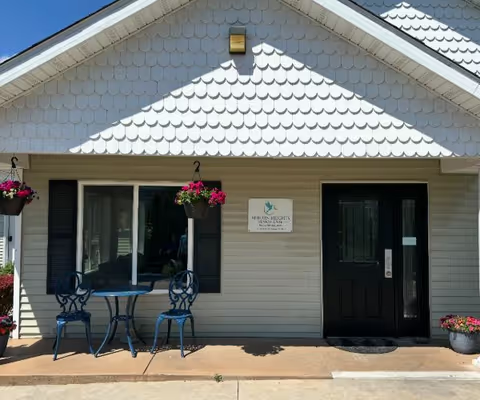
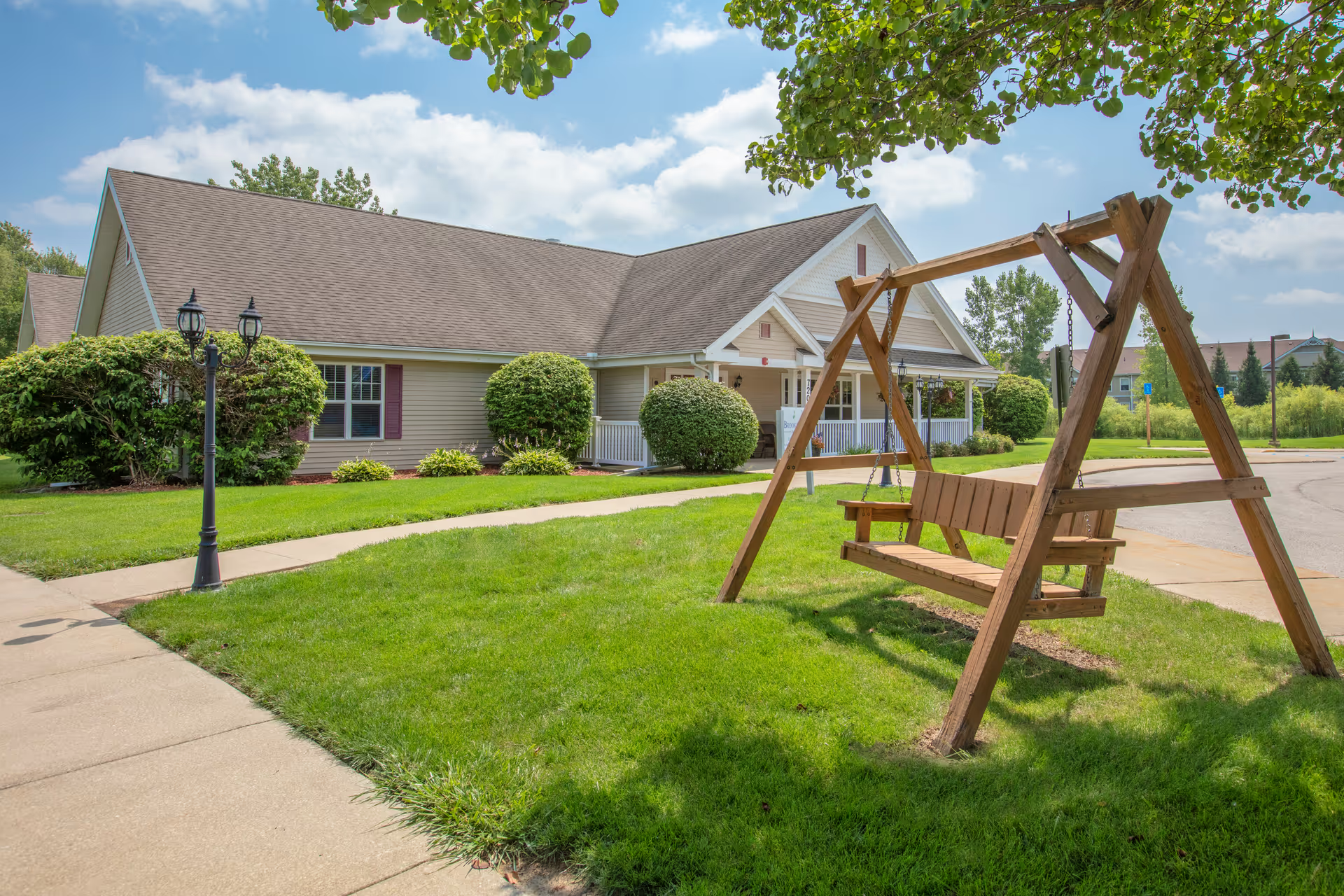
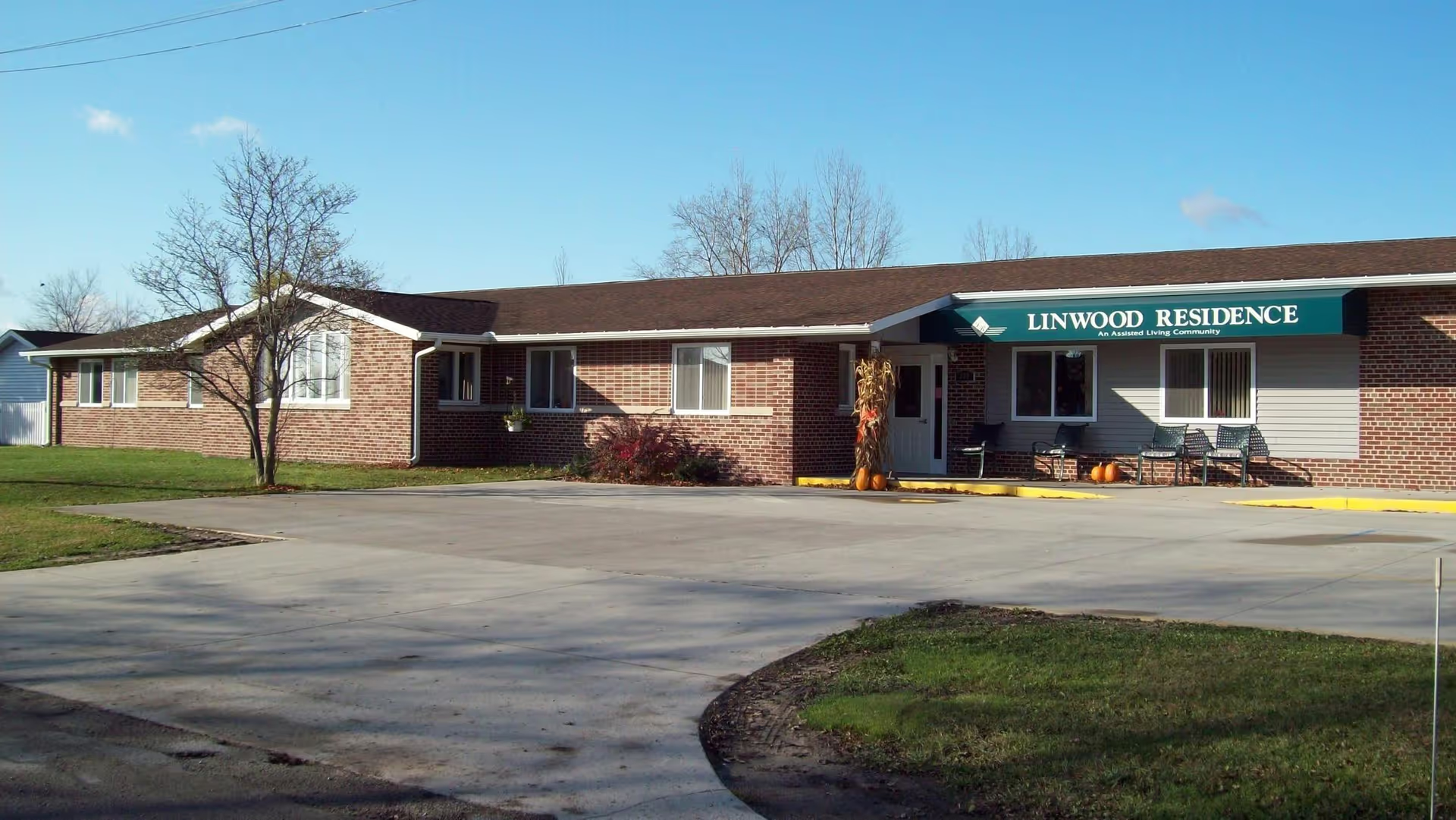
Dining, amenities, and facilities: The facility is frequently described as clean, pleasantly decorated for holidays, and physically spacious, with inviting communal areas and large resident rooms. The activities program is a strong point, with arts/crafts, music therapy, VR, exercise classes, outings, and creative events noted repeatedly. Dining quality receives mixed feedback: many find meals appealing and desserts enjoyable, while others report inconsistent food quality and issues with meal temperature or service continuity.
Management, policies, and communication: Several accounts point to restrictive or inflexible policies (nighttime access to clothing or amenities, locked doors, and visitation limitations during infection-control events) and variable responsiveness from administration. There are also perceptions that cost-control or policy priorities sometimes override individualized resident needs. A small number of serious allegations exist regarding medication handling and documentation; these should prompt direct inquiry by prospective families.
Notable patterns and recommendations: The dominant pattern is a strong, resident-centered rehabilitation and activities program paired with inconsistent long-term nursing reliability. Prospective residents and families should verify current staffing levels and turnover, ask about wound-prevention and skin-assessment protocols, review medication-administration and documentation controls, observe mealtimes and activities, and request examples of how the facility communicates clinical changes to families. A tour that includes conversation with current residents, families, and front-line staff can help confirm whether the positive elements are consistent and whether operational concerns have been addressed.