Overall impression: Reviews present a mixed but instructive picture. A prominent strength is the facility's rehabilitation and therapy capability — physical and occupational therapy are repeatedly described as personalized and effective, with therapy teams credited for helping residents regain function and return home. Many accounts emphasize compassionate nursing and caregiver interactions, a welcoming atmosphere, and an activities program that provides a broad range of options and goes beyond basic expectations.
Care quality and clinical operations: Clinical care is frequently praised for strong rehabilitation outcomes and hands-on nursing attentiveness. At the same time, there are recurring operational concerns around clinical responsiveness and escalation. Several accounts describe delays or inconsistent follow-through when acute issues arise, which points to variability in how clinical events are triaged and escalated. Families considering this facility should directly ask about on-shift clinical coverage, call-response expectations, and protocols for hospital transfer or emergency escalation.
Staff and communication: Staff behavior is a clear strength in many reviews — staff are described as friendly, patient, and caring across departments (therapy, nursing, activities, kitchen). However, reviewers also report episodes of unhelpful or abrupt communication and uneven management responsiveness. This suggests that while frontline staff often provide strong interpersonal care, communication quality and supervisory follow-up can vary on occasion.
Dining and activities: The activities department is consistently highlighted as proactive and resident-focused, offering a wide variety of programming that contributes to a family-like environment. Dining assessments are mixed: some reviewers describe adequate or good meals and responsive kitchen staff, while others report dissatisfaction with food quality. Prospective families may wish to sample menu options and ask about special-diet accommodations and meal schedules.
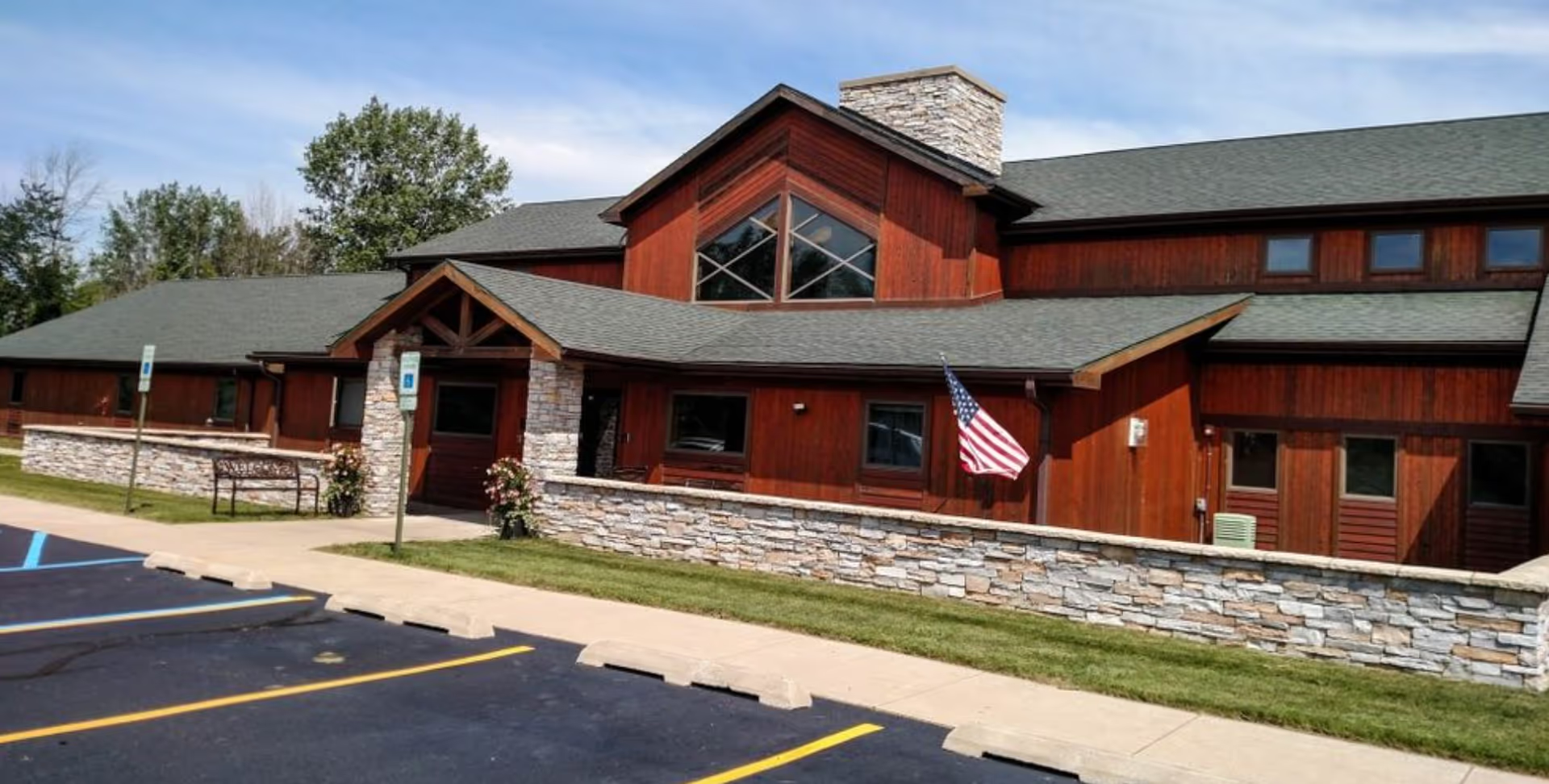
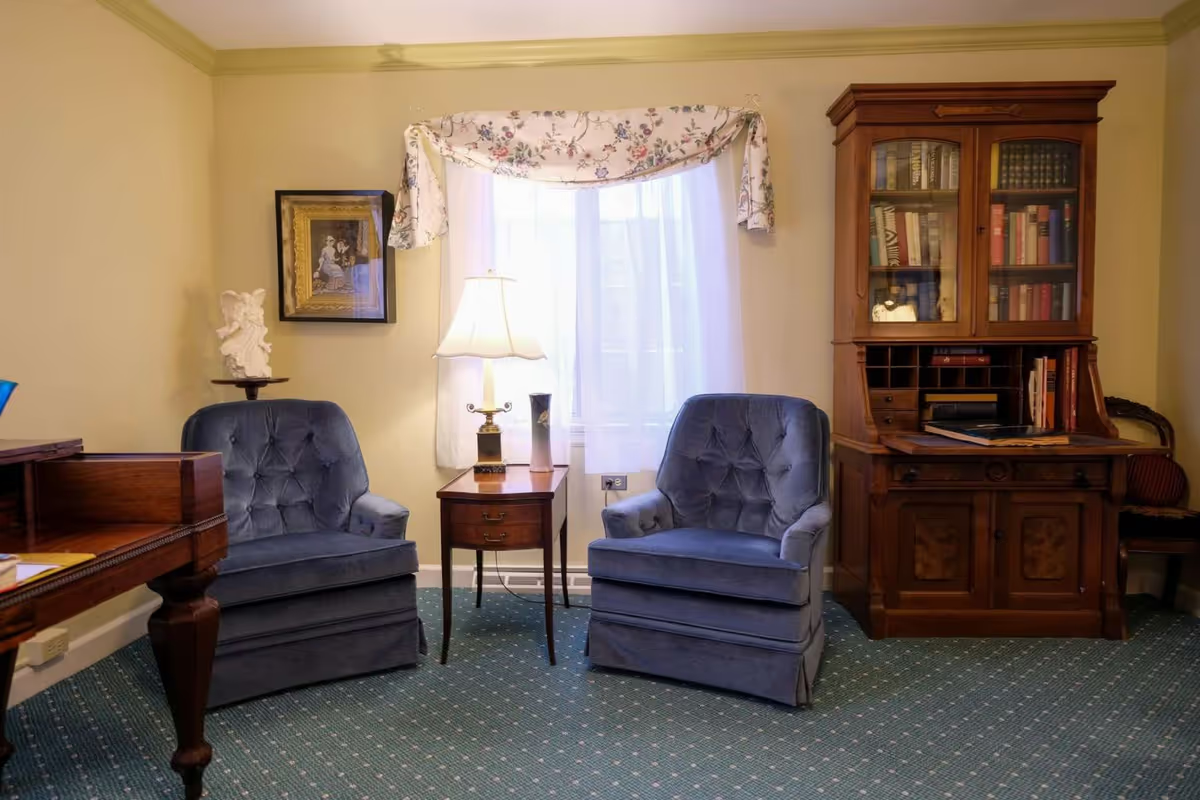
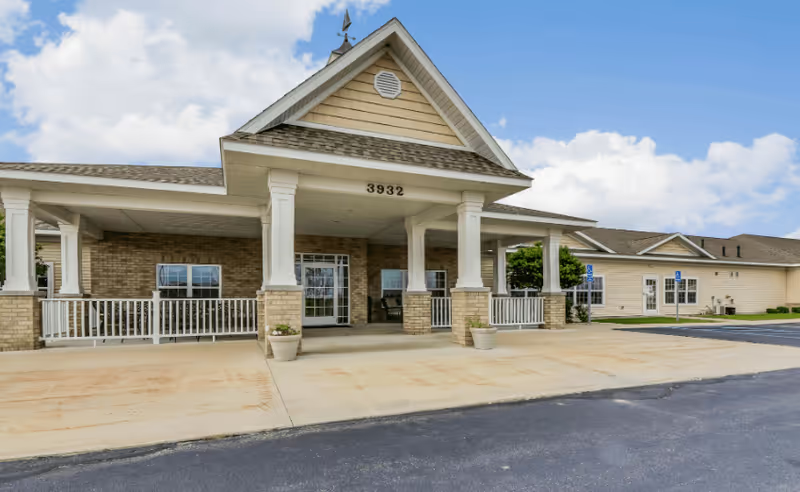
Facilities and safety: Comments about cleanliness and organization appear in many reviews, and security measures such as coded entry and cameras are noted positively. Nonetheless, facility-level issues recur: parts of the building are described as dated, rooms are sometimes cramped, and there are sanitation and odor concerns reported in certain common areas. Capacity pressures—including hallway congestion and limited visiting or communal space—are also noted. These are operational traits that can affect privacy and overall comfort.
Management and patterns to watch: Management responsiveness receives mixed feedback. Some reviewers praise operational practices like mobile check-in and labeled belongings, while others describe unresponsiveness from administration when concerns are raised. The dominant patterns are clear: strong rehabilitation and many compassionate staff interactions coexist with uneven operational performance in staffing consistency, clinical escalation, facility upkeep, and dining consistency.
Practical guidance for families: When evaluating this facility, ask specific questions about staffing ratios, frequency of resident checks, emergency escalation procedures, recent or planned renovations, sanitation protocols, and oversight of dining services. Request documentation of therapy goals and typical length of stay for rehabilitation cases, and, if possible, tour resident rooms and common areas to assess space and odor concerns firsthand. These targeted inquiries will help balance the facility's evident strengths in therapy and person-centered care against the operational limitations described by reviewers.