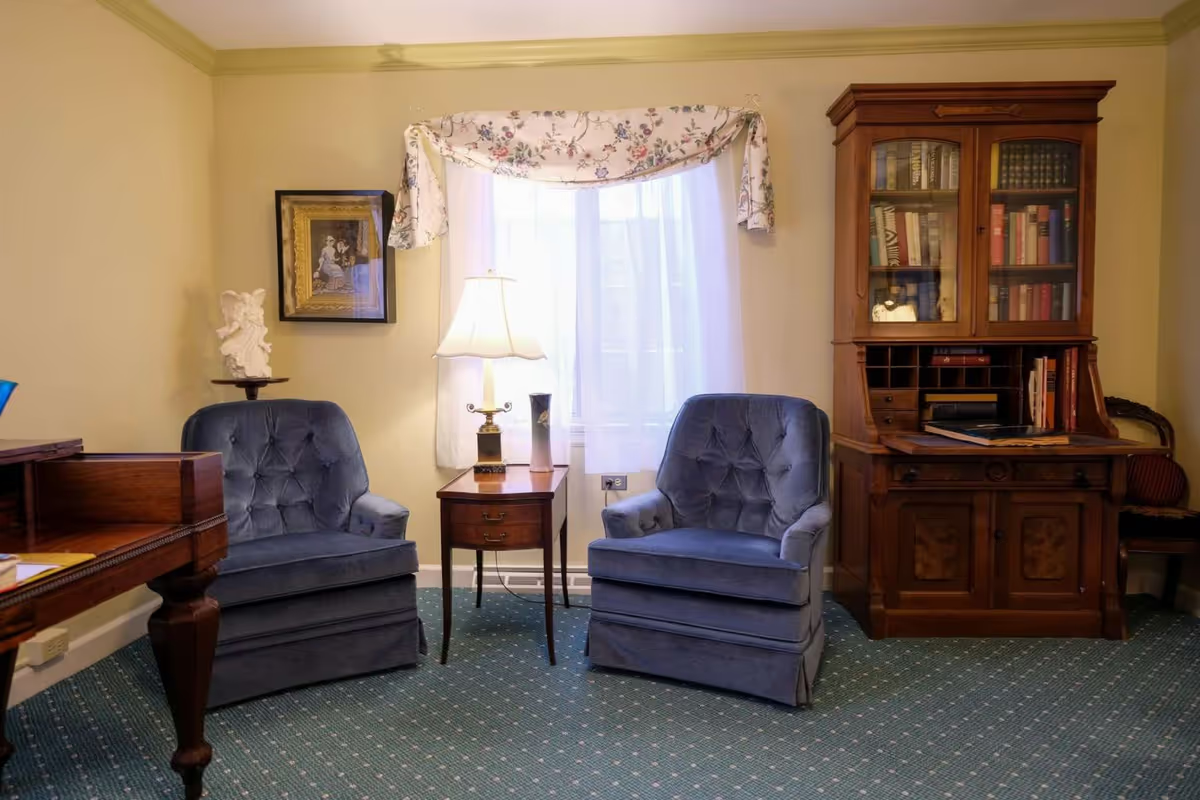
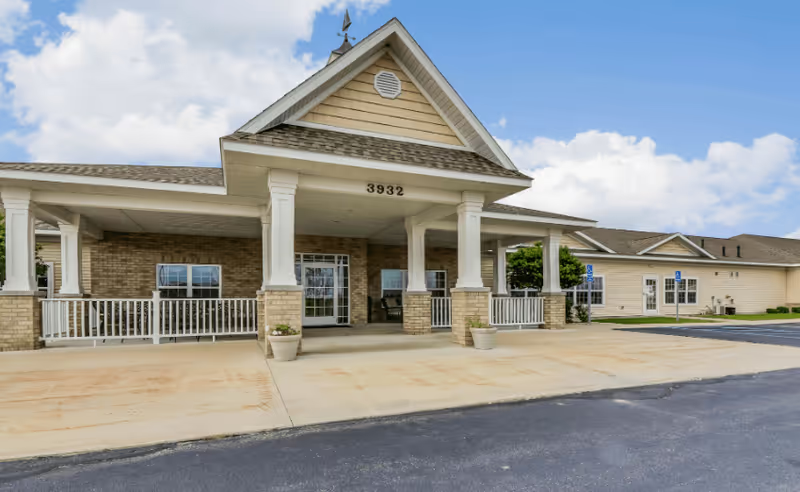
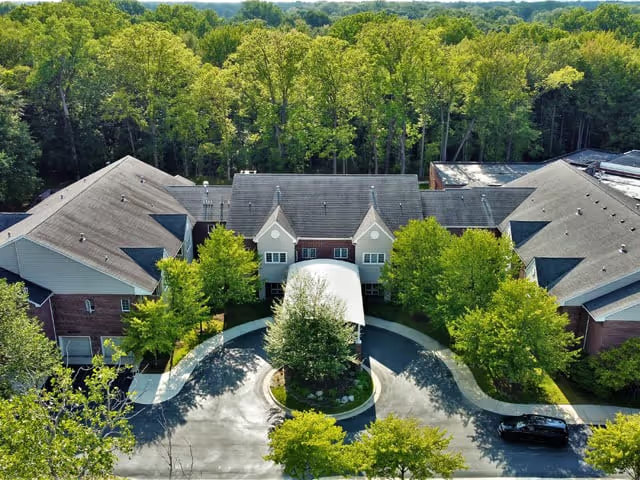
Reviews of Symphony Tri-Cities present a mixed but consistent pattern of strengths and operational weaknesses. Many families and residents praise the facility’s physical environment, private rooms, and modern design; the site frequently receives positive comments on cleanliness, décor, and a homelike feel. The campus offers a full continuum of care—short-term rehab, assisted living, memory care and hospice—which reviewers cite as convenient. Therapy services (physical and occupational therapy) are repeatedly described as a strong point, with effective outcomes, knowledgeable staff, and well-equipped therapy spaces. Activity programming is also a visible strength: social and recreational options such as games, trivia, movie nights, exercise classes and themed events contribute to resident engagement and a sense of community. Dining elicits polarized responses: several reviewers describe high-quality, gourmet-style meals and family dining experiences, while others note inconsistent food quality and specific dietary accommodation lapses.
Care quality assessments are varied. A substantial portion of reviews commend individual staff members—nurses, CNAs and therapists—for kindness, attention and advocacy. However, a recurring operational theme is inconsistent staffing that appears to affect day-to-day care reliability. Reported consequences of staffing shortfalls include long call-light response times, missed or delayed personal-care tasks (including bathing and toileting assistance), and instances where basic needs were not met on schedule. There are multiple references to medication-management inconsistencies and to lapses in clinical follow-through (for example, missed lab result communication and errors in medication administration), which families identify as serious concerns requiring attention.
Management, communication and process issues are another clear pattern. Several families described difficulty obtaining timely communication about clinical changes, discharge planning, or appointment coordination. Reviewers also note variability in leadership tone and responsiveness—some describe supportive, family-focused admissions staff and problem-solving clinicians, while others report uncompassionate interactions, policy rigidity (including restricted visitation enforcement), and inadequate managerial follow-through. Maintenance and housekeeping processes are described as generally effective in many accounts but also as inconsistent in others; reviewers report unresolved maintenance requests and cleaning lapses in some instances. There are also isolated but serious accusations related to billing and property security—including allegations of theft and billing after discharge—which suggest potential gaps in financial controls and warrant careful inquiry.
Overall, the reviews depict a facility with substantial strengths in rehabilitation, programming, environment, and many caring staff members, coupled with operational variability that appears linked to staffing levels, leadership consistency, and process controls. Prospective residents and families should weigh the positive indicators—particularly for short-term rehab and therapy—against the reported operational weaknesses. If considering placement, ask targeted questions about staffing ratios by shift, specific processes for medication administration and family notification, dietary accommodation protocols, documentation of therapy frequency and duration, maintenance response timelines, and the facility’s approach to handling and investigating complaints or allegations. A tour that includes conversations with current families, observation of shift change and mealtime operations, and review of written policies on visitation, billing, and clinical communication may help clarify whether the facility’s performance aligns with your expectations and care needs.