The reviews present a mixed picture: interpersonal interactions within the building are largely positive, while operational communication and escalation processes are the primary concern. Reviewers describe staff as friendly, highlight an engaged bird caretaker and a generally pleasant resident population, and express a desire for a quiet, attractive living environment. These elements suggest the community can provide a sociable, low‑stress setting for residents.
Care-quality conclusions are limited by the available information. There are no substantive descriptions of day-to-day clinical practices or meal quality in the supplied summaries, so clinical competence and dining services cannot be fully assessed. However, persistent issues with responsiveness and callbacks have potential consequences for perceived care coordination and family confidence. Delays in returning calls or in communicating during urgent situations can impede timely decision-making and make it harder for families to feel informed about a resident's status.
Staff-level impressions are generally positive in tone: staff are described as friendly and there is appreciation for staff who take initiative with resident engagement (for example, animal/bird care). At the same time, those same reviewers indicate systemic weaknesses in how staff and the facility handle inbound communications, suggesting that interpersonal warmth coexists with process gaps around phone coverage, callbacks, and emergency notifications.
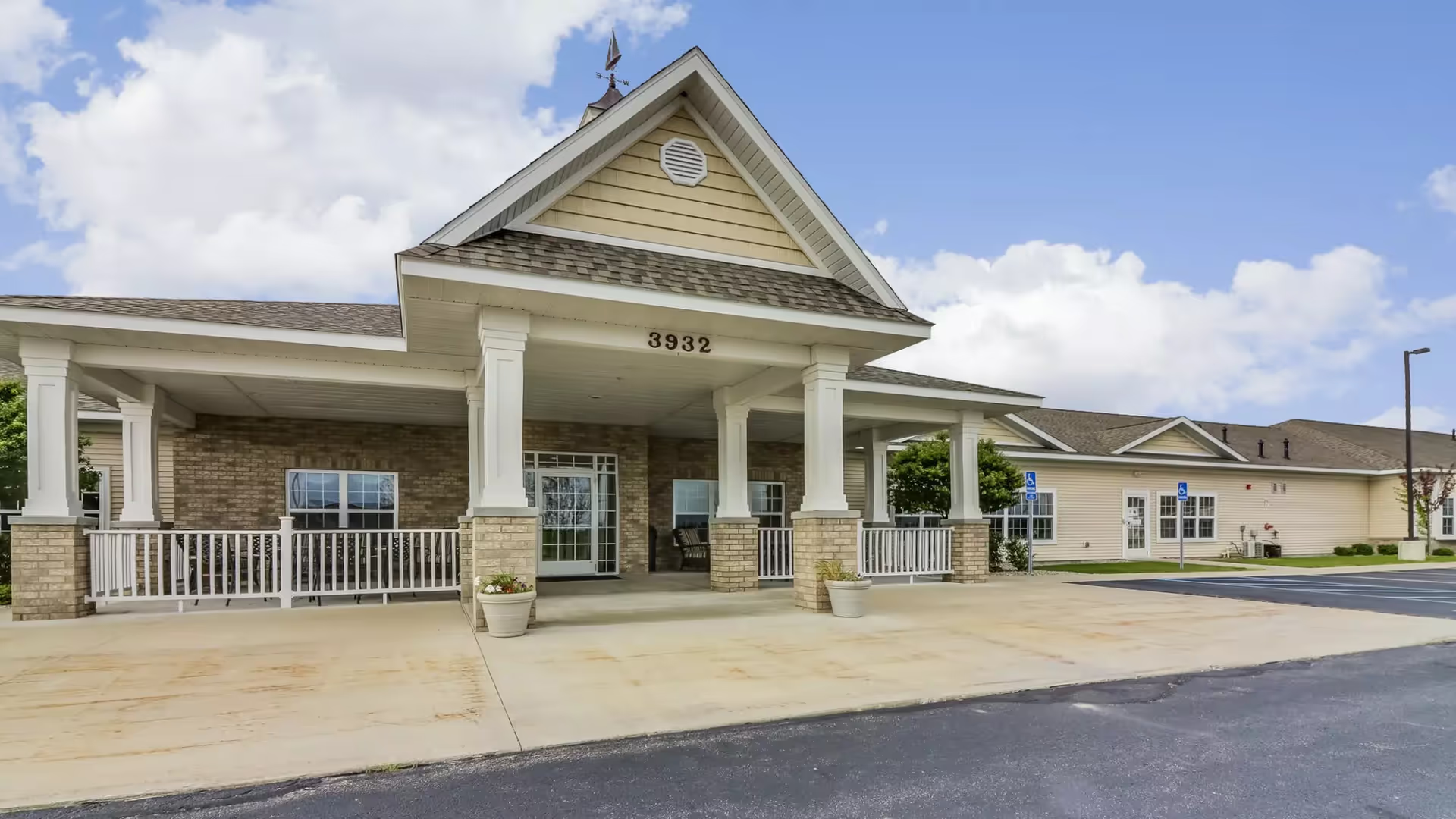
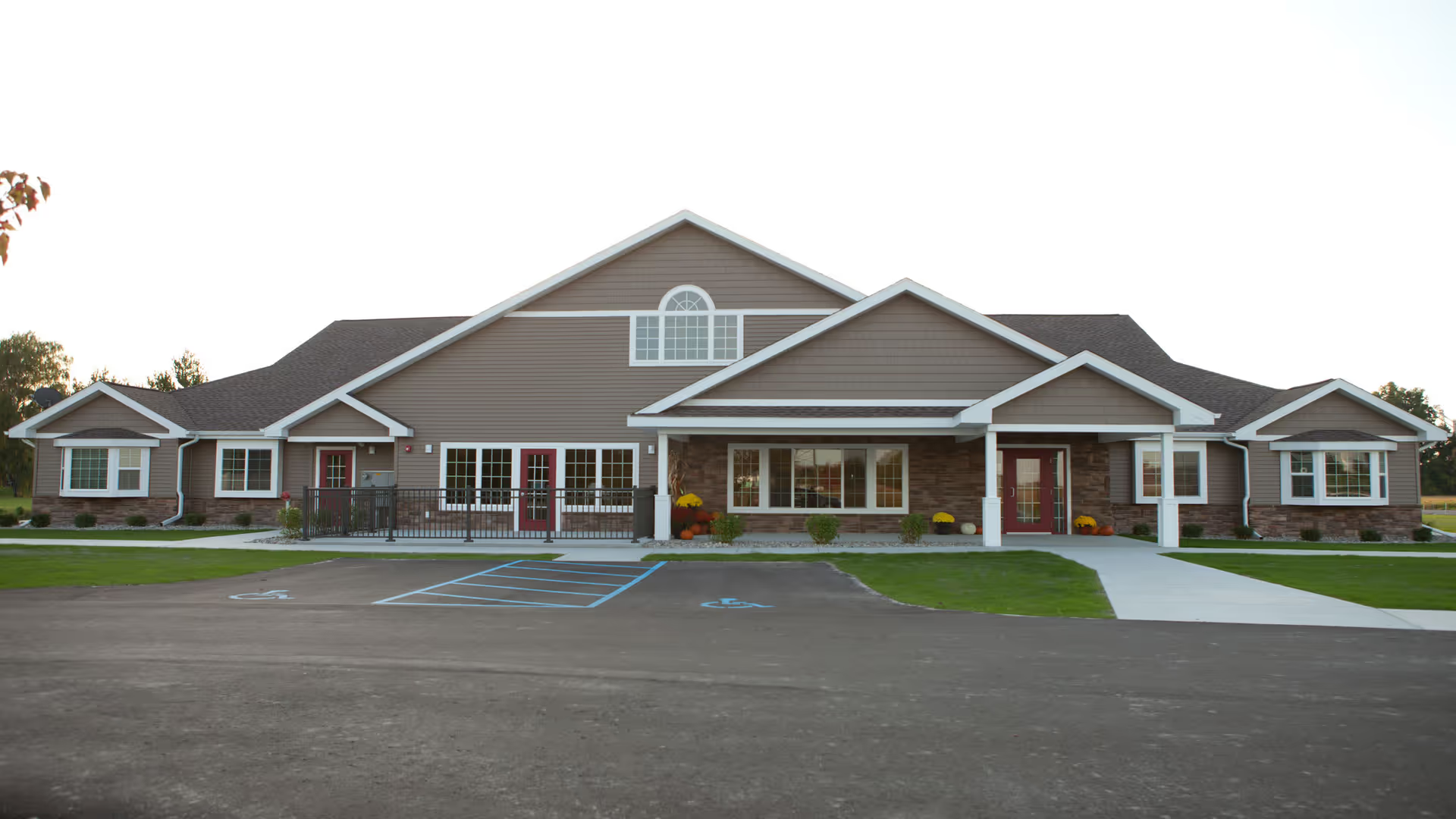
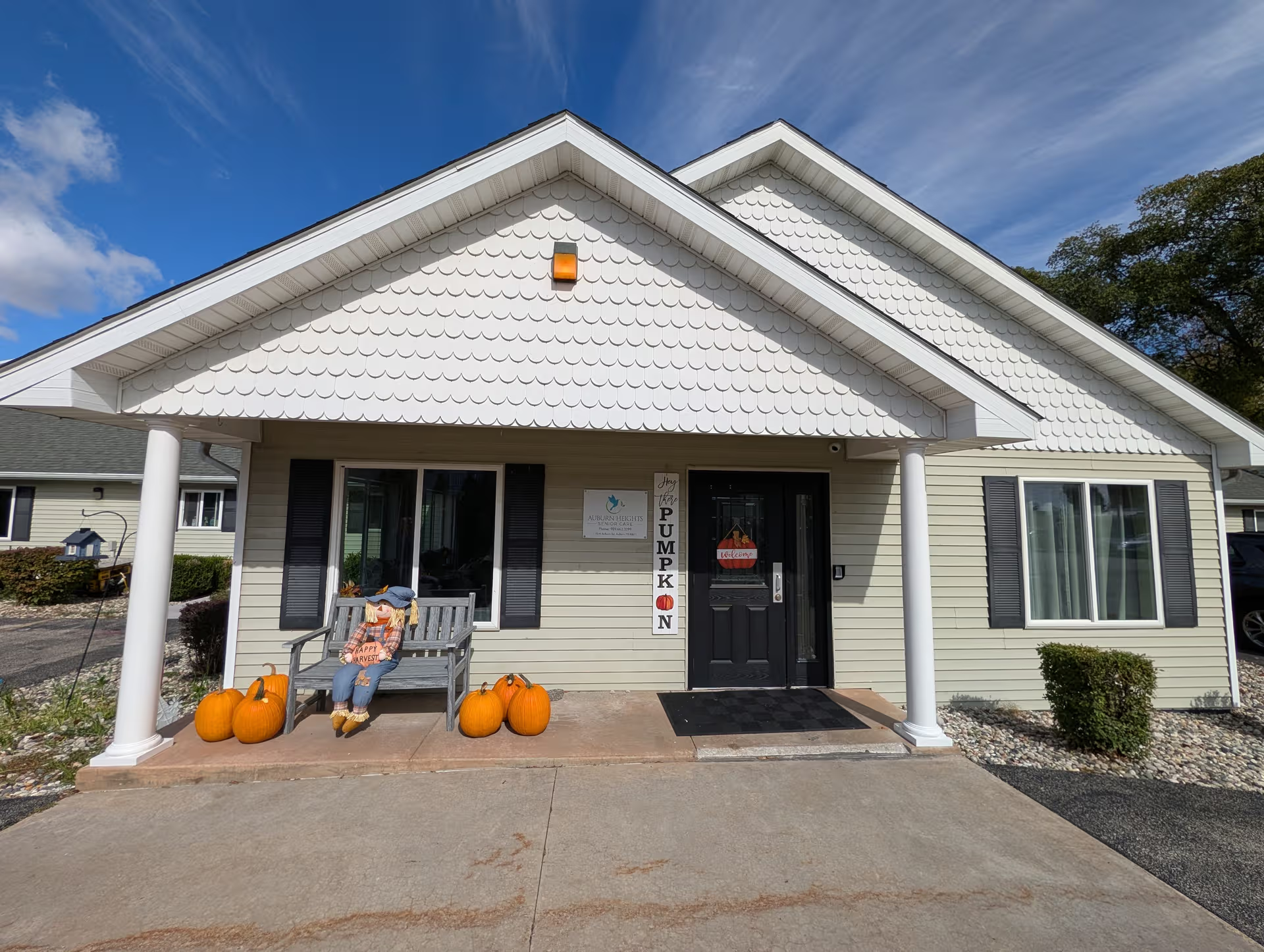
There is little information about dining or the broader activity program beyond the presence of animal-related engagement. The mention of a dedicated bird caretaker indicates at least some on-site activities or enrichment opportunities tied to animals. The characterizations of residents as pleasant and the desire for a quiet, beautiful setting point to a community with a calm social atmosphere, but facility condition and meal-service quality are not described in the summaries provided.
Management and corporate responsiveness emerge as notable patterns: reviewers indicate difficulty reaching facility staff by phone and an absence of follow-up from corporate headquarters when escalations occur. These items suggest weaknesses in escalation pathways and centralized oversight that prospective families should evaluate. Given the themes above, prospective residents and their families may wish to verify phone-answering procedures, ask for documented emergency communication protocols, observe staff responsiveness during a visit, and request examples of how the community handles after-hours and escalation situations before making a placement decision.