Overall impression: Reviews of Ashley Court of Brighton are strongly polarized. A substantial portion of feedback describes a compassionate, family-like memory-care environment with a highly active activities department, consistent nurse communication, and well-maintained outdoor spaces. Conversely, a notable subset of reviews raises operational and clinical concerns, producing a mixed overall picture for prospective residents and families.
Care quality and clinical safety: Many families praised individualized attention from caregivers and regular involvement from nurses and physicians, along with positive hospice coordination in end-of-life situations. However, recurring operational themes include inconsistent staffing levels, high turnover, and gaps in clinical training — especially around medication administration and after-hours coverage. Several accounts imply weaknesses in transfer protocols and fall-prevention practices. These patterns suggest that clinical outcomes can vary depending on building assignment and staff on duty; prospective families should inquire specifically about staff credentials, training schedules, medication-administration policies, and emergency response procedures.
Staff and management: Praise is frequent for compassionate, patient caregivers and long-tenured staff members who establish rapport with residents. Admission and routine-family communication are often highlighted positively. At the same time, reviewers cite inconsistent managerial follow-through, variable responsiveness from leadership, and occasional poor tone in written communications. Staffing pressures and low pay were cited as contributors to turnover and inconsistent care. Families should ask about current staffing ratios, turnover history, supervision practices, and how the facility handles documented complaints or performance issues.
Dining and activities: The activities program is a consistent strength — reviewers describe varied, creative, and dementia-appropriate programming, holiday events, outings, spa days, and inclusive participation options. The four-building model for different dementia stages and the no-wandering layouts support tailored programming. Dining feedback is mixed: some families report home-cooked, plentiful meals, while others describe inconsistent menu quality and limited dining choices in certain units. Confirming sample menus, dining schedules, and accommodations for dietary preferences during a tour is recommended.
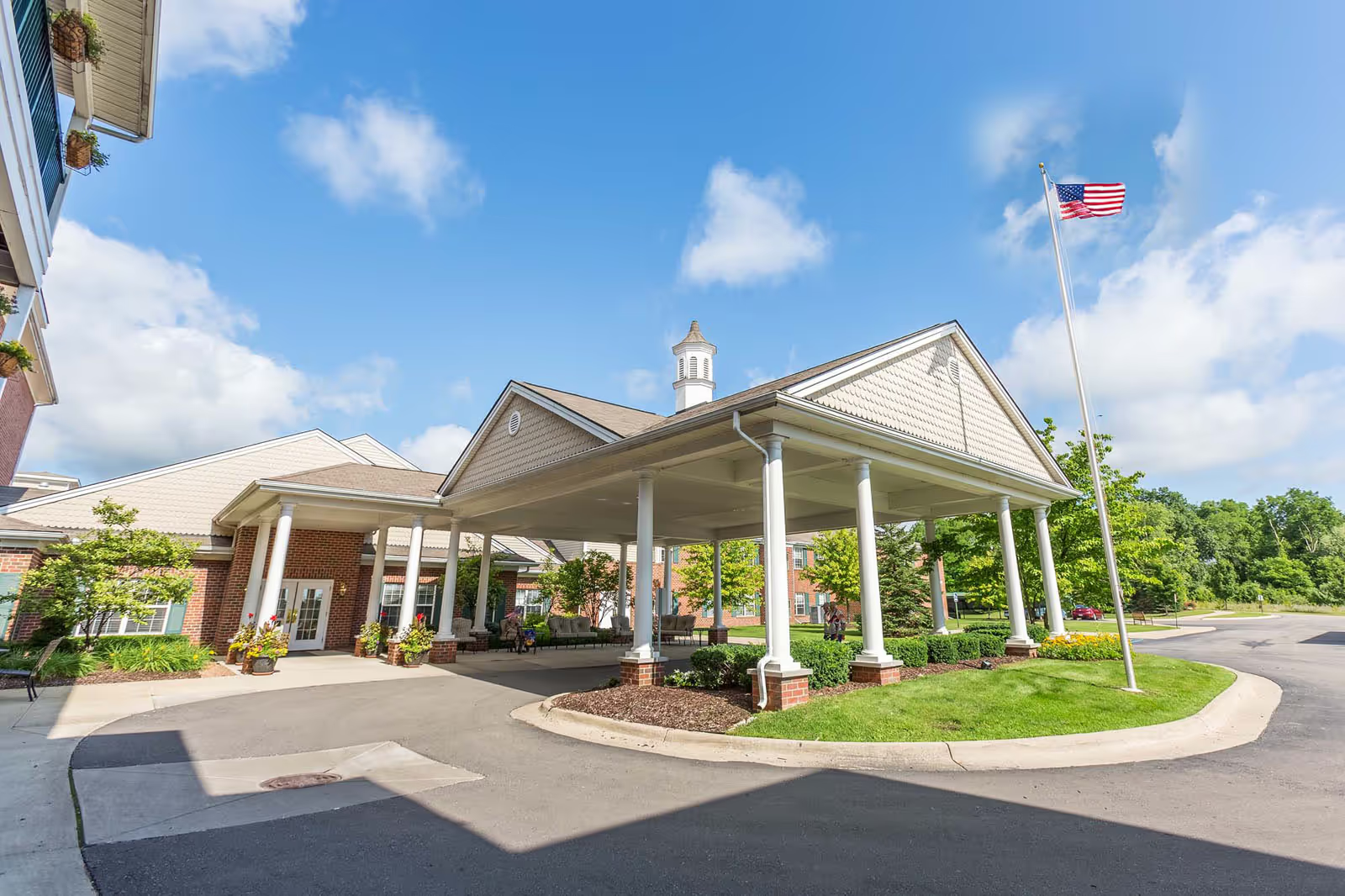
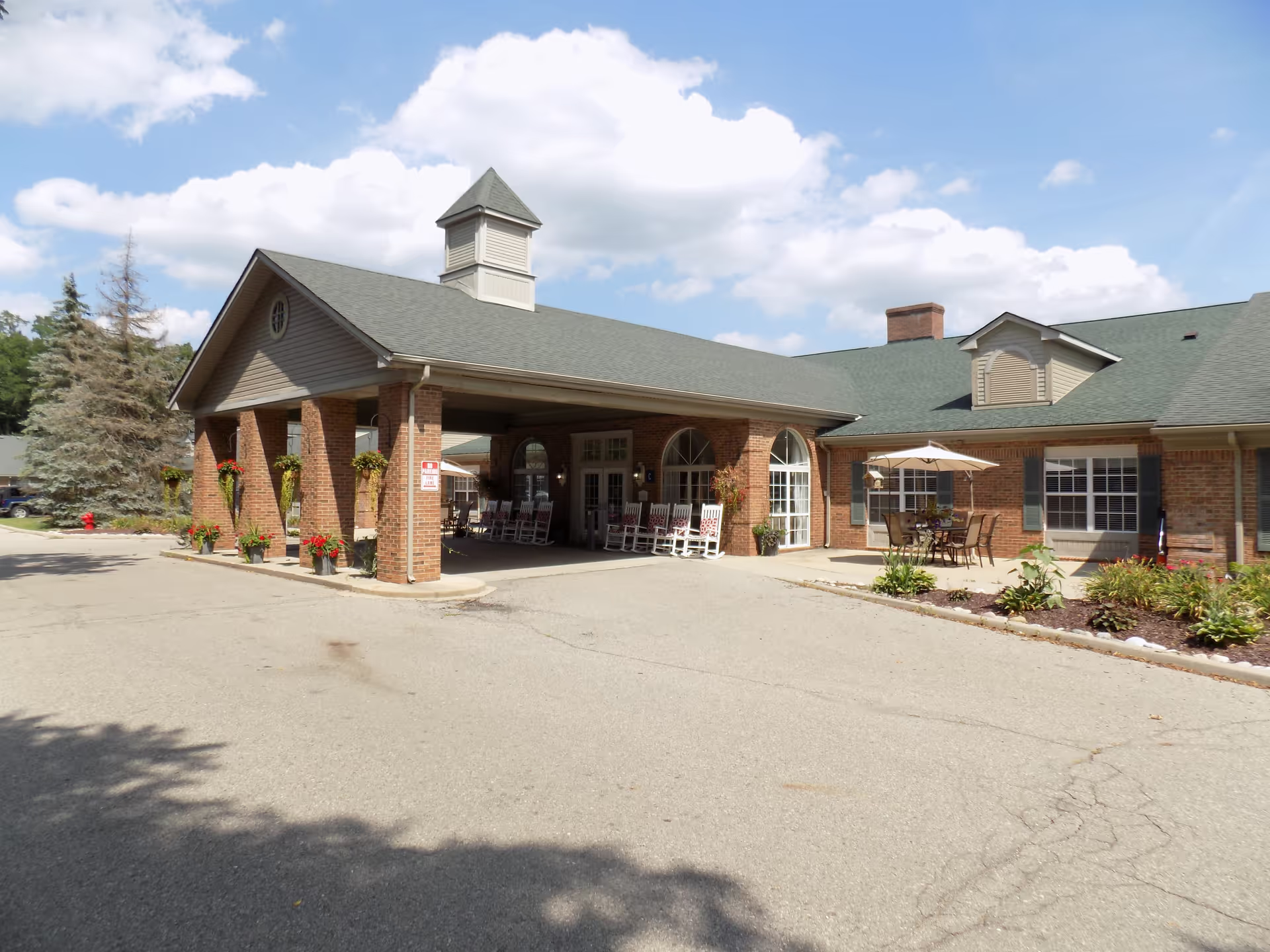
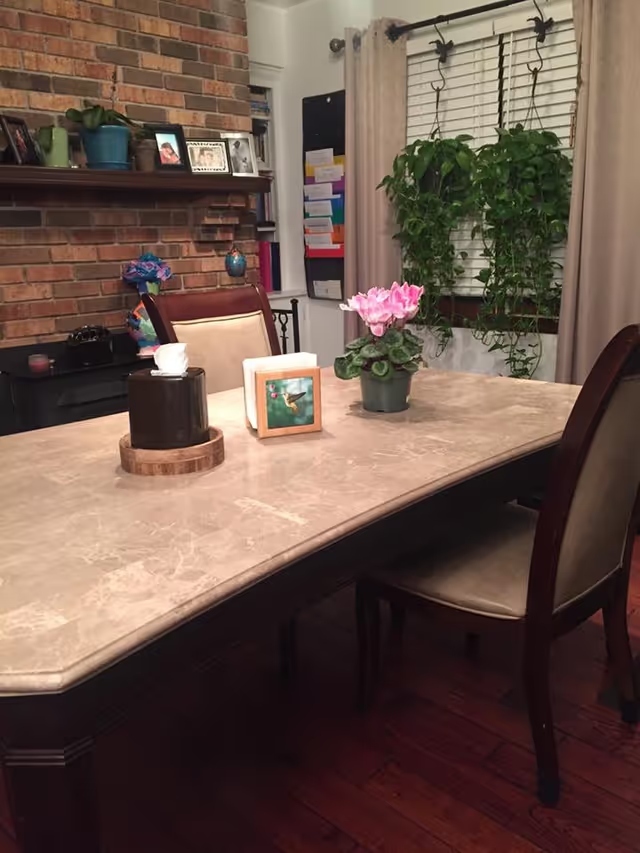
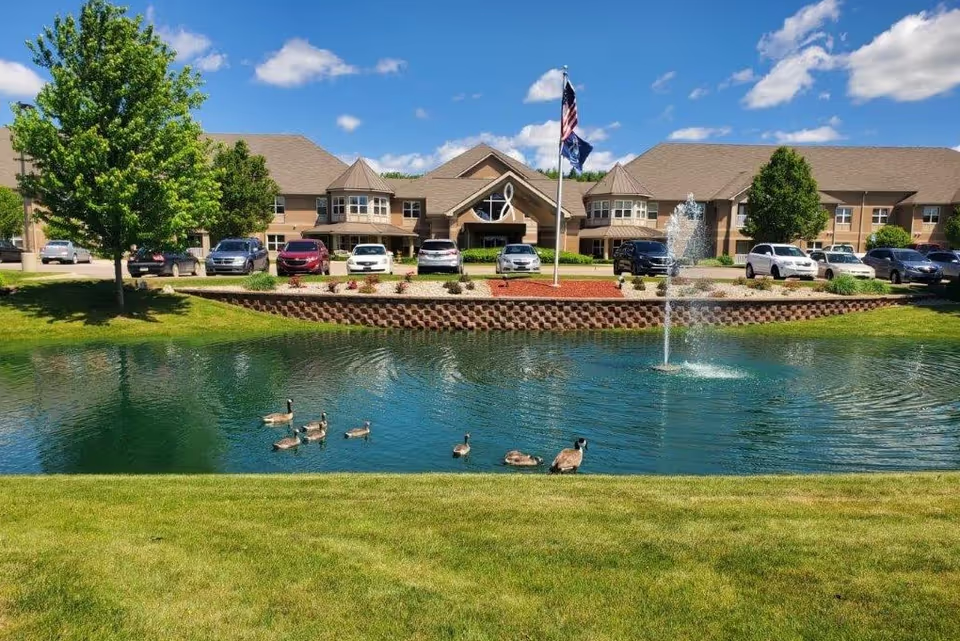
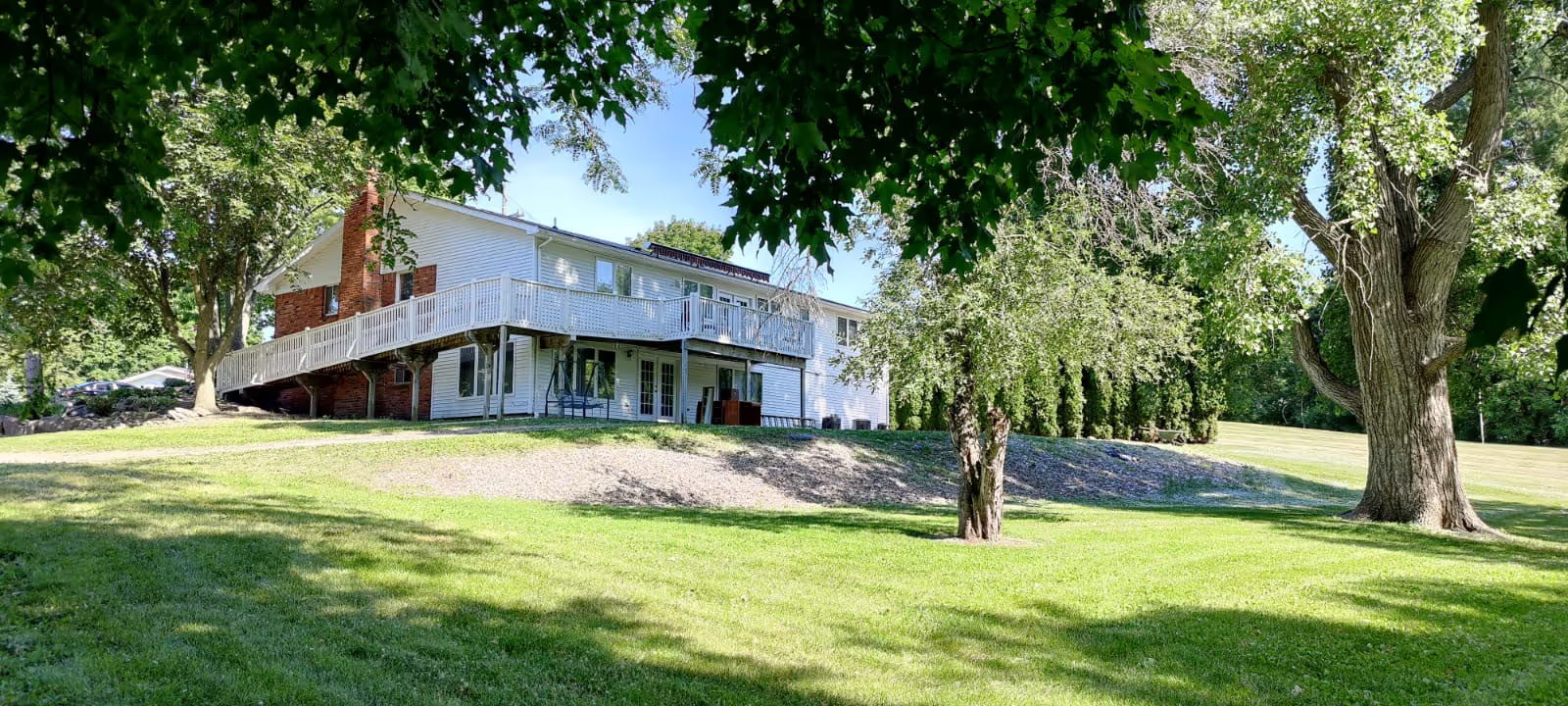
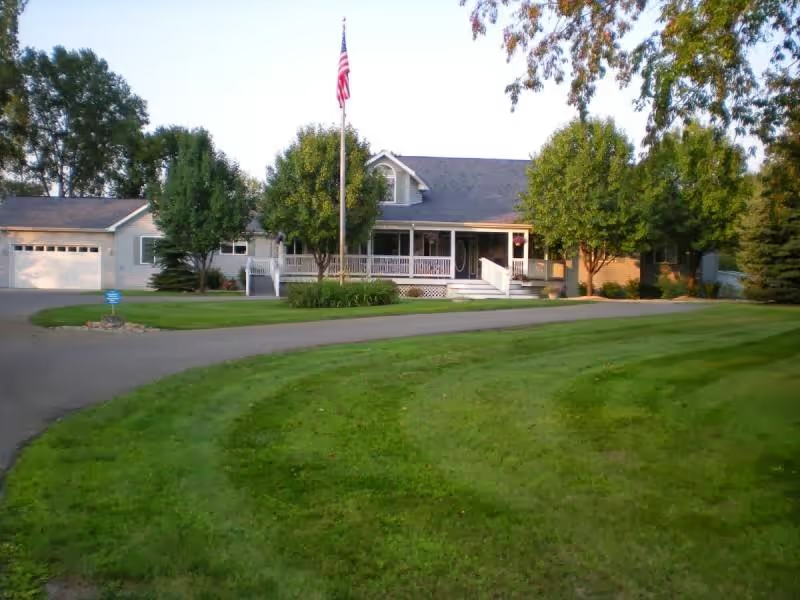
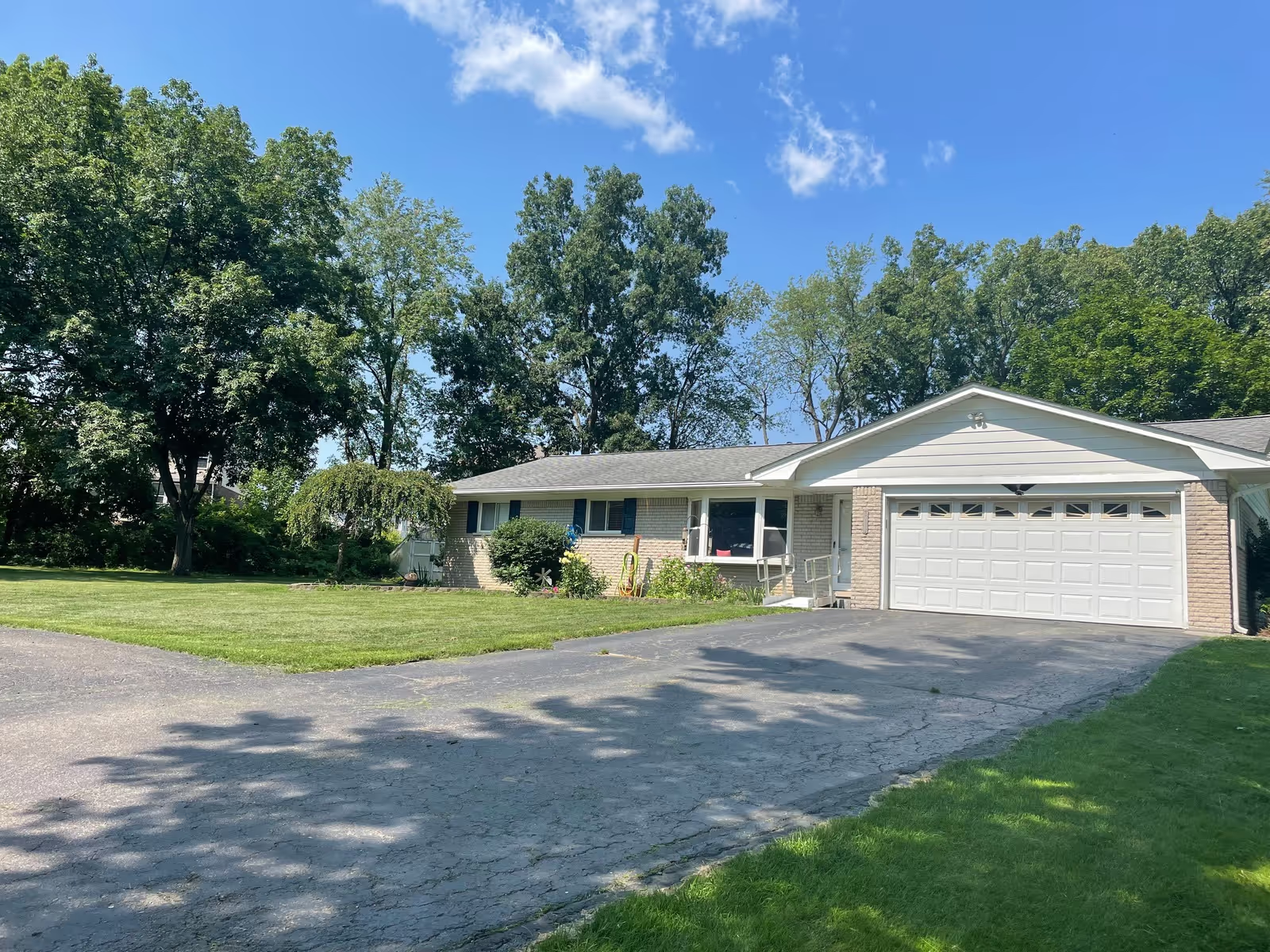
Facilities and amenities: The campus and grounds receive regular praise for a woodsy, tranquil setting with a gazebo and outdoor seating. Private rooms with ensuite bathrooms and sitting areas are noted as a strong feature. That said, reviewers point to variability across buildings: some areas are described as older and in need of maintenance, with specific cleanliness and pest-control concerns mentioned. Prospective families should inspect multiple buildings, room options, and common areas and ask about routine maintenance and pest-control protocols.
Administration, billing and compliance: Several reviews describe billing disputes, rapid invoicing after a resident’s death, and dissatisfaction with charge-resolution processes. There are also mentions of regulatory complaints and alleged financial misconduct; these are serious items that merit direct discussion with management and review of state inspection records. Ask for a clear copy of the contract, a written billing dispute procedure, examples of recent state surveys, and how the facility resolved any cited deficiencies.
Notable patterns and recommendations: Strengths center on relationships — engaged activities staff, caregivers who know residents personally, and a family-style culture. Weaknesses center on operational consistency — staffing, training, safety protocols, cleanliness, meal consistency, and financial transparency. Before committing, families should tour multiple buildings, request staffing ratios and training documentation, review medication and incident-response policies, verify pest-control and housekeeping schedules, examine sample menus, and obtain the contract’s billing and refund terms. Checking recent state inspections and speaking with current resident families in the specific building under consideration can help clarify whether a given unit delivers the high-quality experience many reviewers describe.