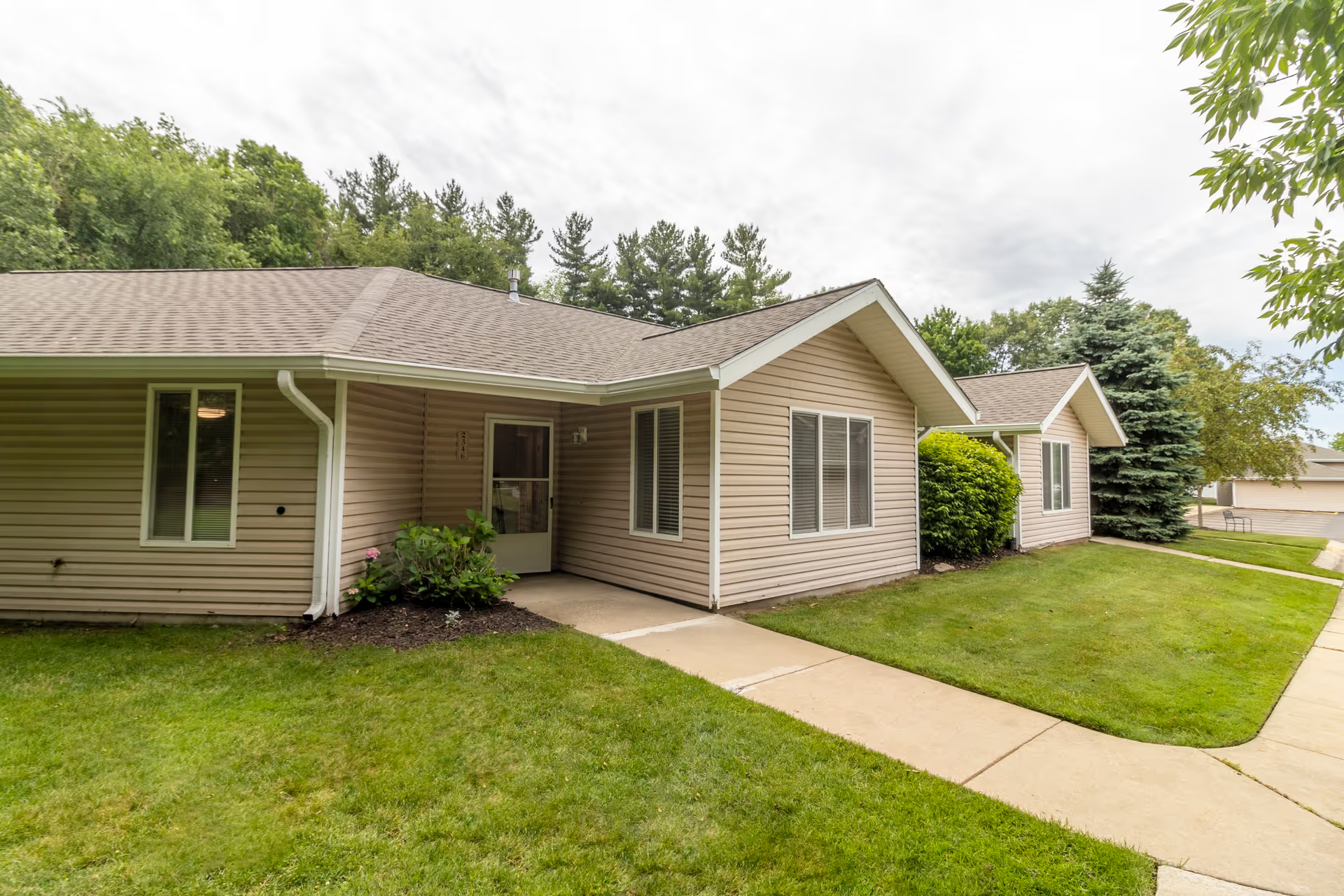
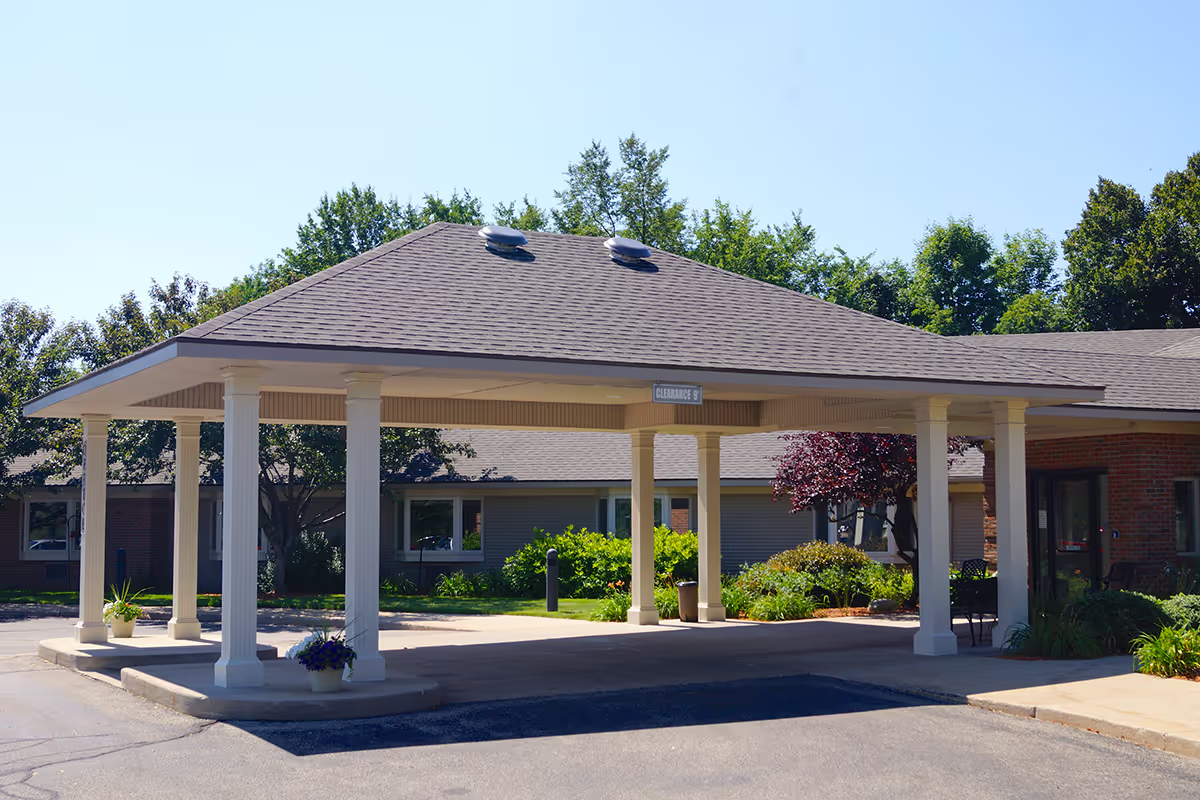
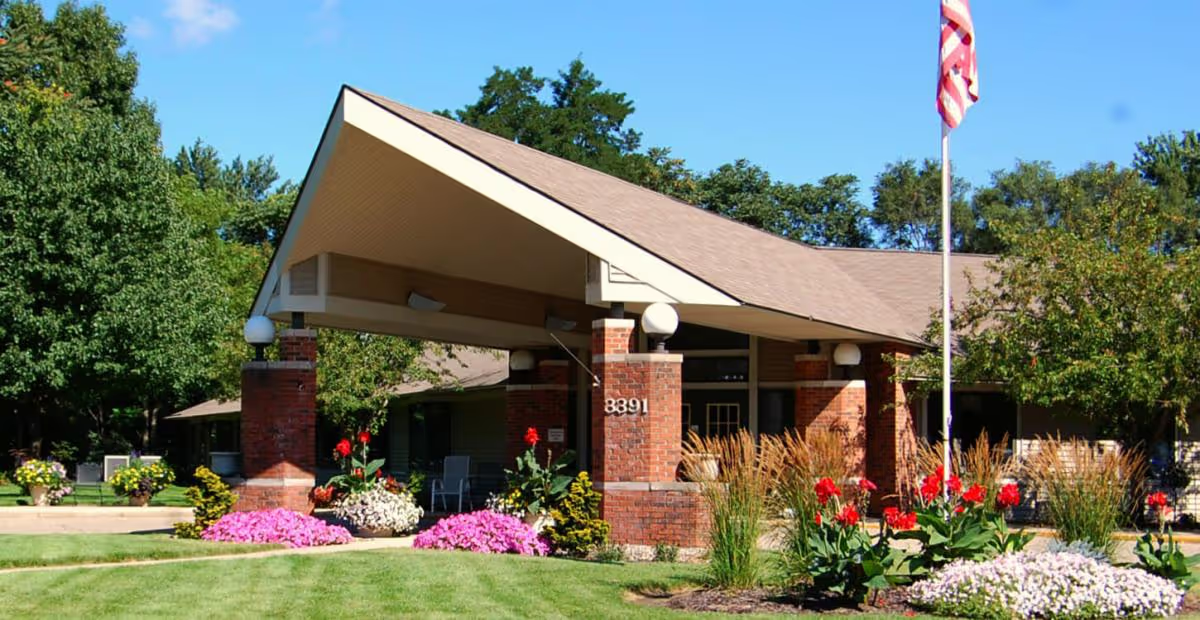
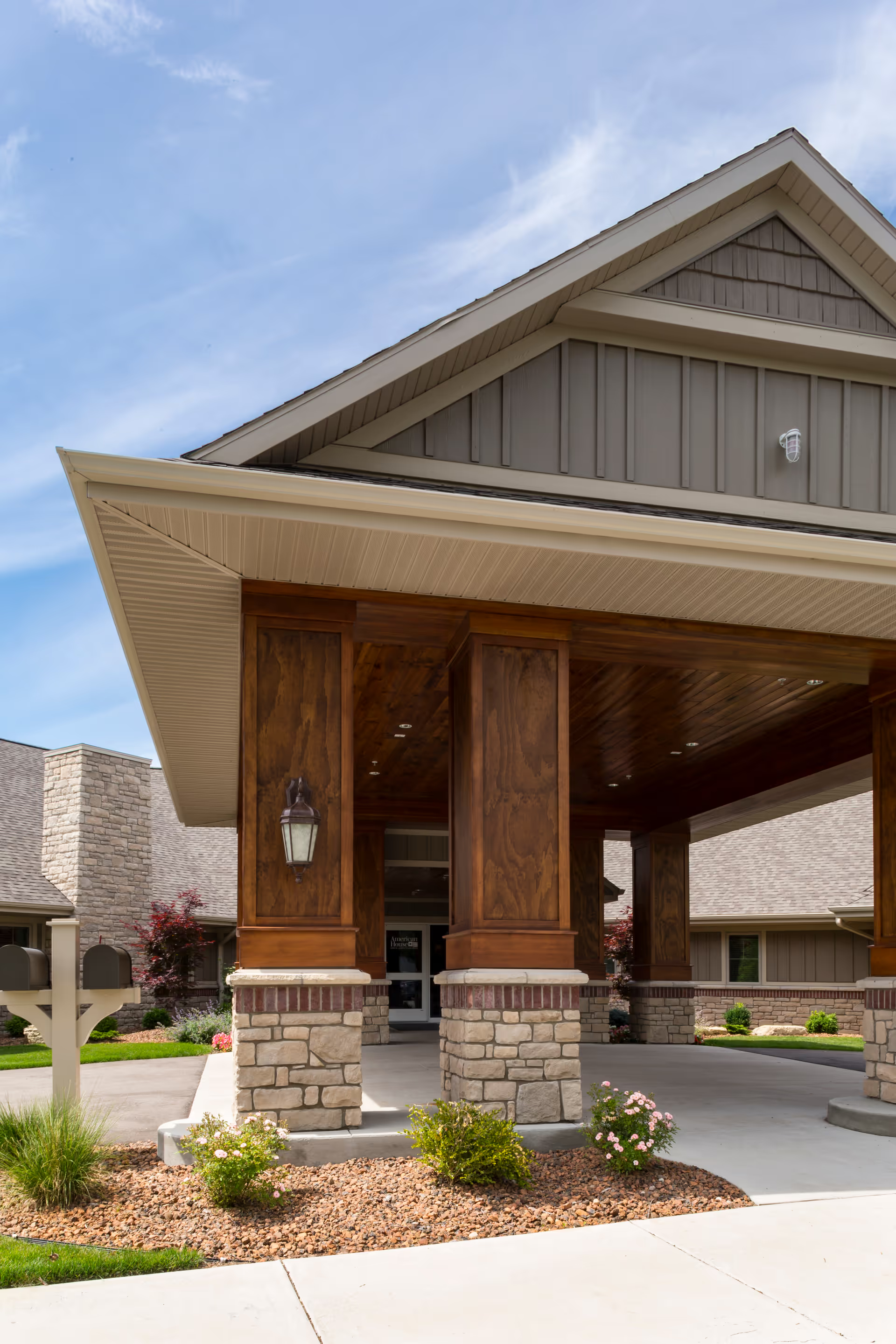
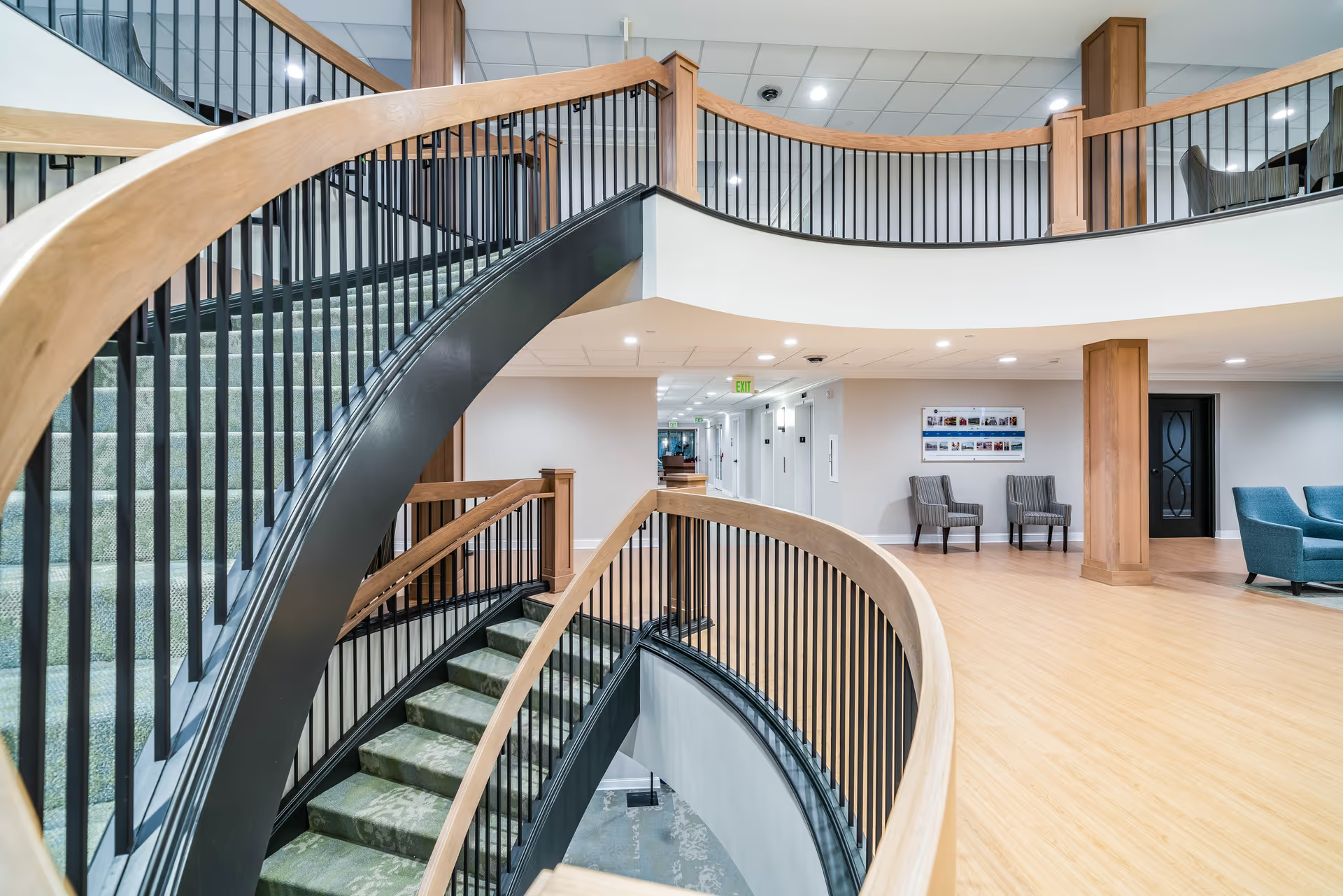
The reviews for The Oaks at Byron Center describe a facility with clear strengths and recurring operational weaknesses. Positively, the building and public areas are frequently described as clean, modern, and well maintained; many reviewers highlight a warm, home-like atmosphere and pleasant communal spaces. Clinical rehabilitation services, including physical and occupational therapy, receive strong praise for thorough programs and positive recovery outcomes. Dining is often noted as a strength when the chef is engaged — flexible meal options and personalized menu choices were appreciated. Activity programming is another consistent positive: residents are reported to have access to a range of creative, inclusive activities and social opportunities that support engagement and wellbeing.
Staff performance elicits mixed but actionable signals. Numerous accounts emphasize compassionate, professional, and attentive caregivers, nurses, and therapists who contribute to excellent short-term rehab outcomes and day-to-day resident comfort. Housekeeping and admissions staff are also frequently described as friendly and helpful. However, an opposing pattern emerges around staffing levels and responsiveness: there are repeated references to long response times to call lights, delays in attending to basic needs, and reduced staffing coverage in evenings and overnight. These operational staffing gaps appear to correlate with other concerns such as delayed medication administration, slow clinical follow-up, and longer waits for assistance with meals and toileting-related care.
Management and communication are further mixed areas. Several reviewers praise cooperative administrative interactions and an accommodating admissions process, while others describe difficulty reaching management by phone, long hold times, and perceived unresponsiveness to family concerns. Visiting policy limitations after early evening were also noted as a source of family frustration. Operationally significant issues such as laundry and property management (missing clothing and bedding concerns), inconsistent bathing schedules including limited shower availability, and occasional maintenance issues (broken furniture) were raised. Some reviews identify infection-control and ostomy/incontinence-care concerns and cite serious clinical incidents; these raise questions about clinical oversight and escalation processes even as other reviews describe well-managed clinical care and COVID-19 safety practices.
Overall pattern and guidance: reviewers’ experiences are polarized — many families report excellent clinical care, strong therapy results, engaging activities, and a supportive environment, while others report systemic operational weaknesses that affect safety and comfort when family advocacy is limited. Prospective residents and families should weigh the facility’s demonstrated strengths in rehabilitation, activities, and hospitality against the recurring operational risks around staffing, responsiveness, medication management, laundry/property processes, and communication. If considering The Oaks at Byron Center, families may wish to ask targeted questions about evening and overnight staffing ratios, call-response protocols, medication administration safeguards, infection-control procedures, laundry/property controls, and visitation flexibility, and to plan for periodic family oversight during the transition period while the facility addresses any operational gaps.