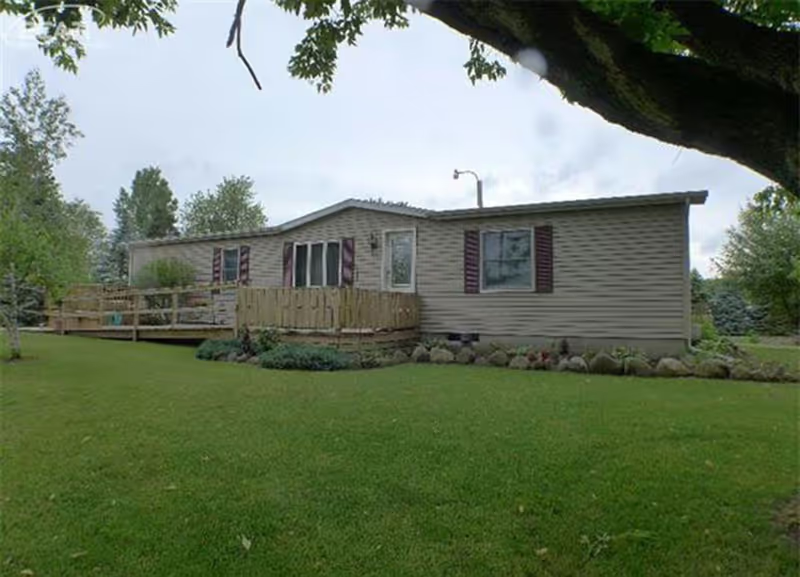
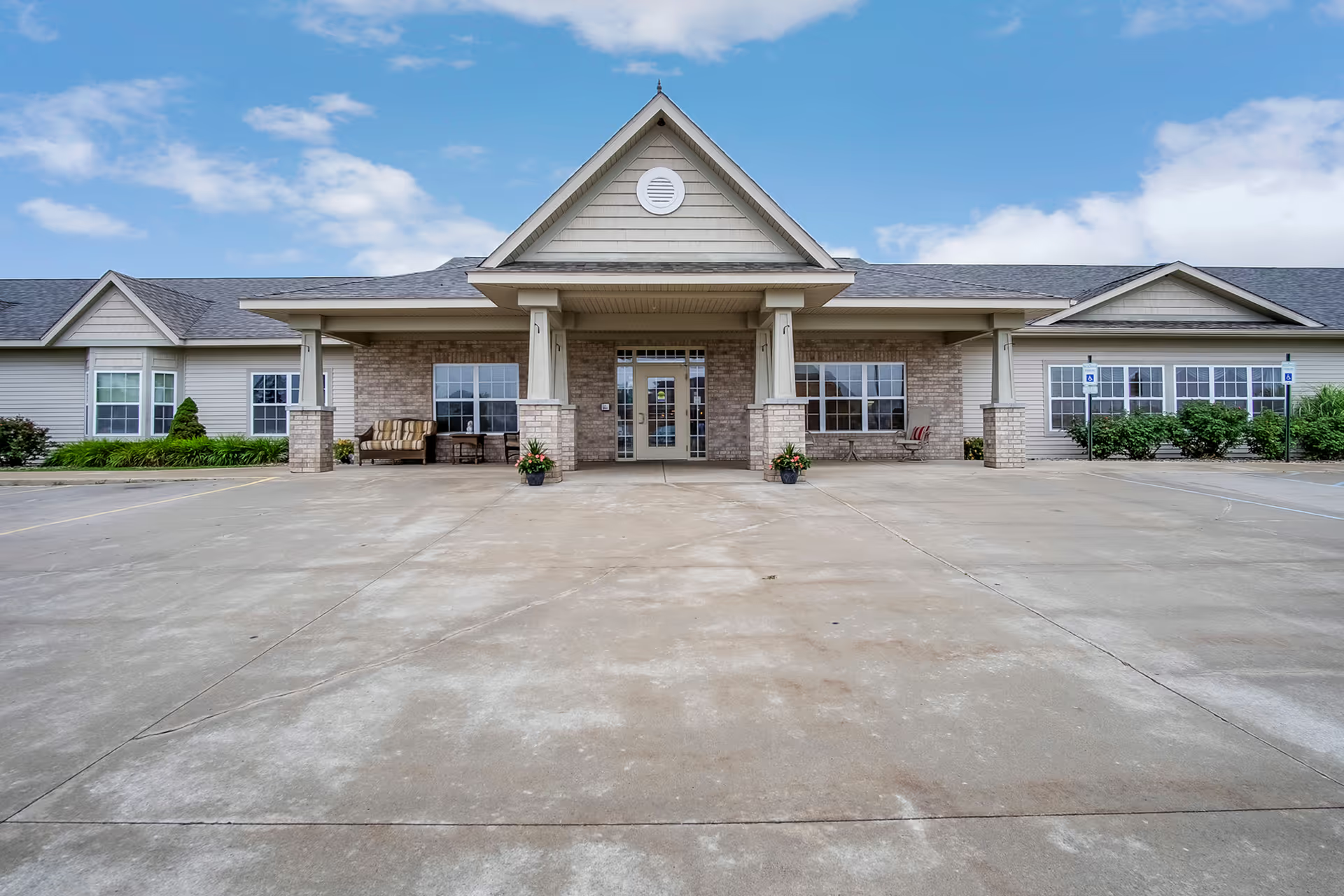
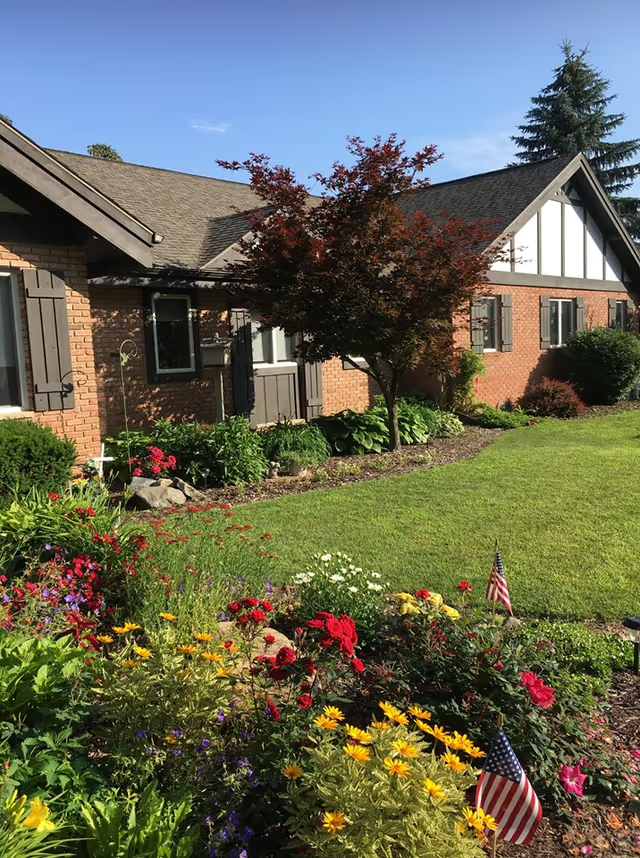
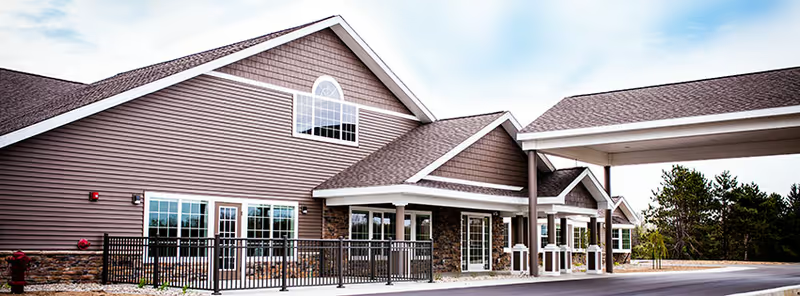
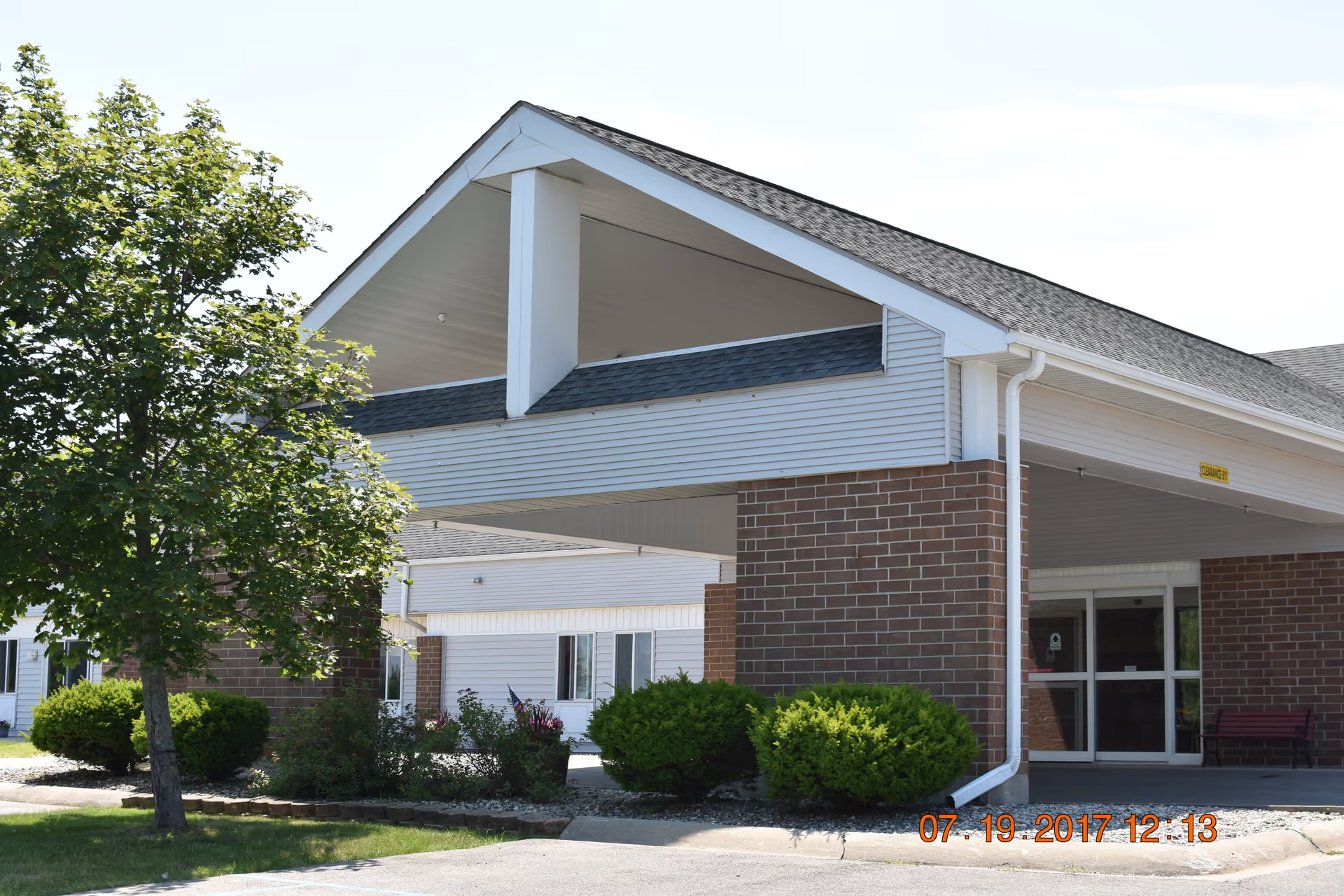
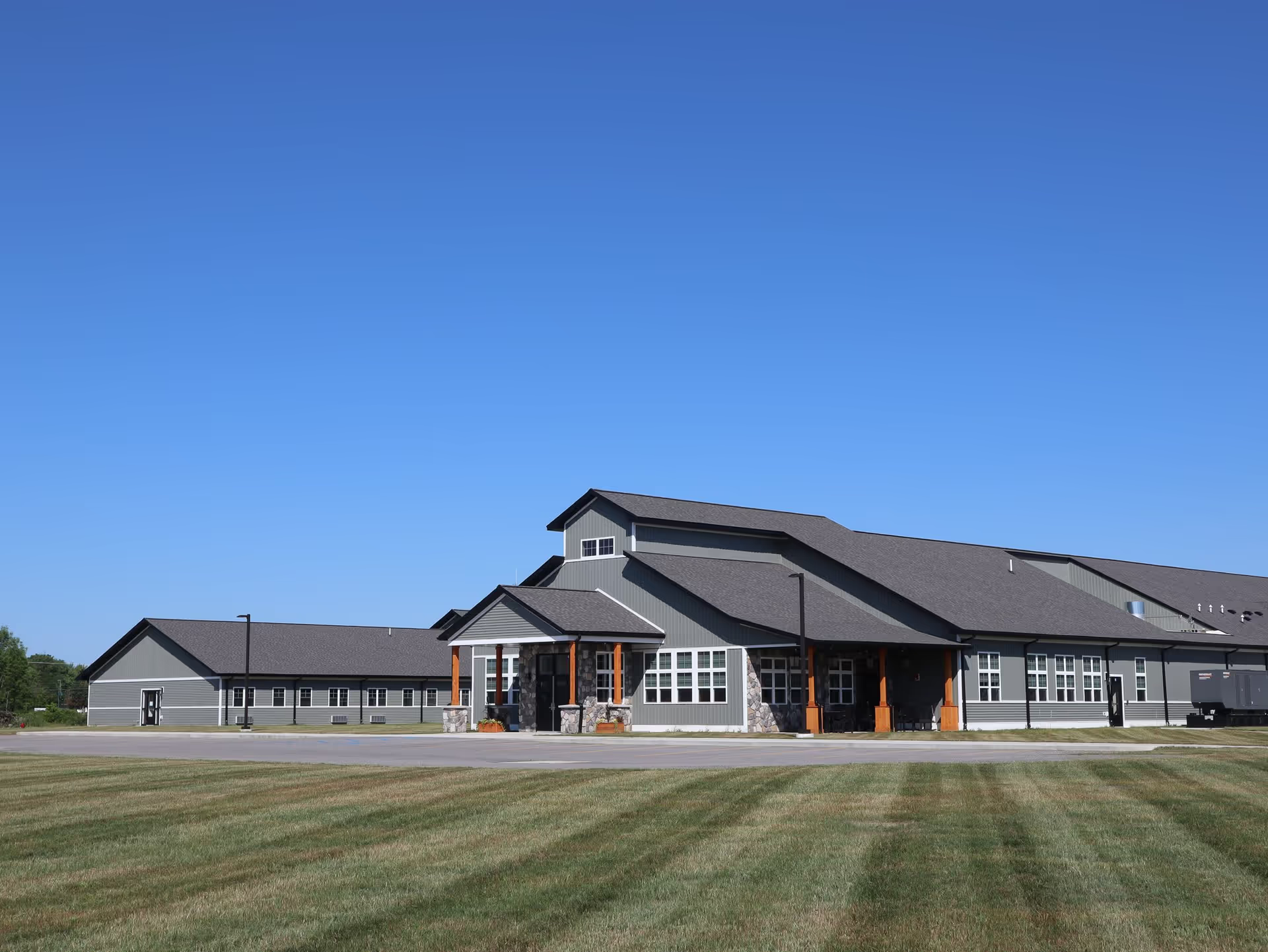
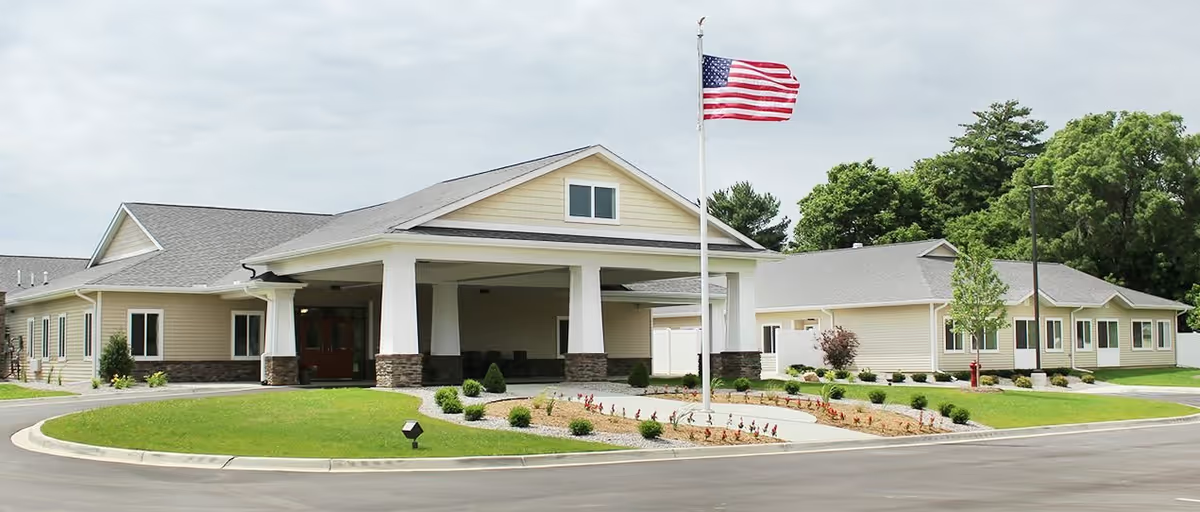
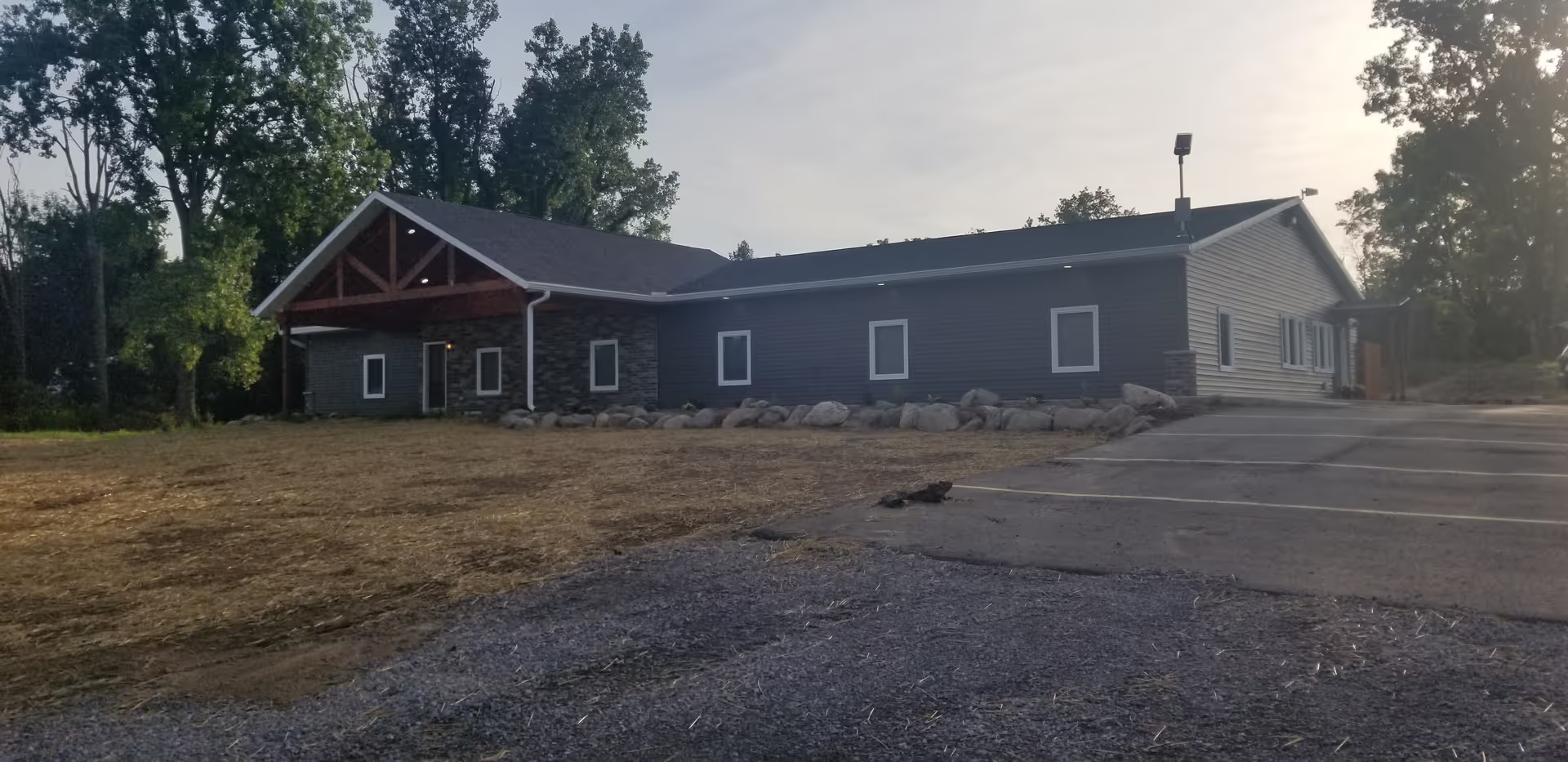
This facility presents a mixed profile. Positive aspects cited include a clean, relatively new building with private-style rooms that include living and dining areas, on-site therapy services (PT/OT) and visiting nursing, and round-the-clock staffing. Reviewers also noted home-cooked meals made from scratch and an administrator with a background in mental-health services. Outdoor activities are available, though participation may be seasonally limited by weather.
In terms of care and staffing, the presence of 24/7 staff and therapy services suggests a baseline level of clinical support. However, several reviewers described concerns about staff conduct, timeliness of response to resident needs, and overall professionalism. Examples given point to gaps in care coordination and follow-up: families reported breakdowns in communication, instances of residents being moved or isolated without advance notice, and situations where family members were not contacted about care concerns. These patterns indicate potential weaknesses in incident response and family-notification protocols.
Dining and activities are another area of mixed feedback. The kitchen’s provision of homemade meals is a clear strength, but there are reported inconsistencies in how meals are managed and served, including examples of repeated meal service and related continuity issues. The physical layout (carpeted resident rooms with apartment-style living areas) supports a more private, residential feel, but also limits in-room dining options. Recreational offerings include outdoor outings, though these are constrained by seasonal conditions.
Management and oversight are the most notable areas of concern. Reviewers referenced broken or unreliable phone lines and poor external communication, which compounds family frustration when clinical or logistical issues arise. More seriously, there are references to documented regulatory actions and investigations that suggest broader compliance and oversight problems. Taken together, the pattern of communication failures, care-coordination gaps, environmental-control inconsistencies (for example, temperature/AC issues), and regulatory scrutiny warrant careful verification by prospective residents and families. Recommended due diligence includes checking current licensing and inspection records, asking for the facility’s incident-reporting and family-communication protocols, and speaking with current families about day-to-day responsiveness and staff conduct.