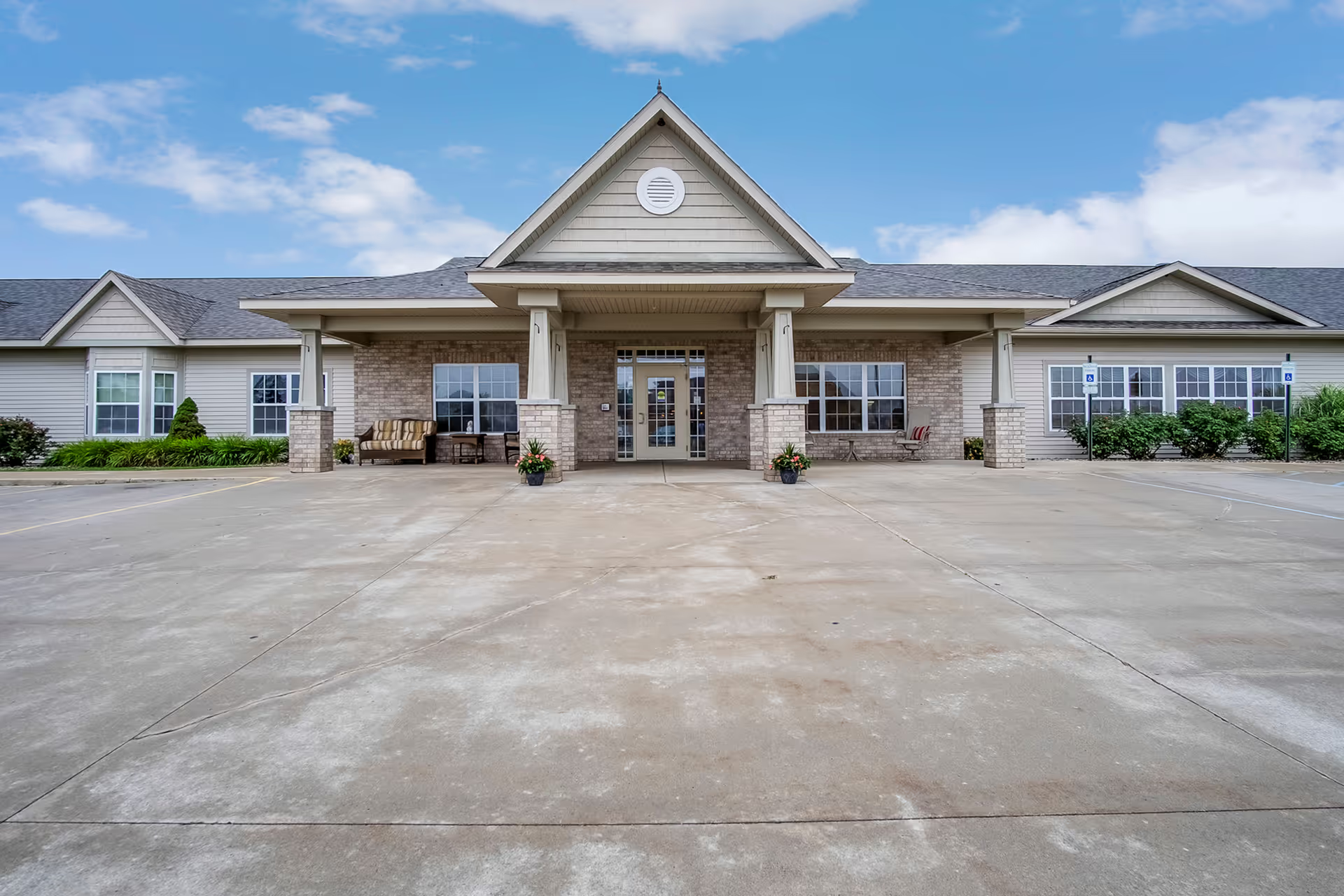
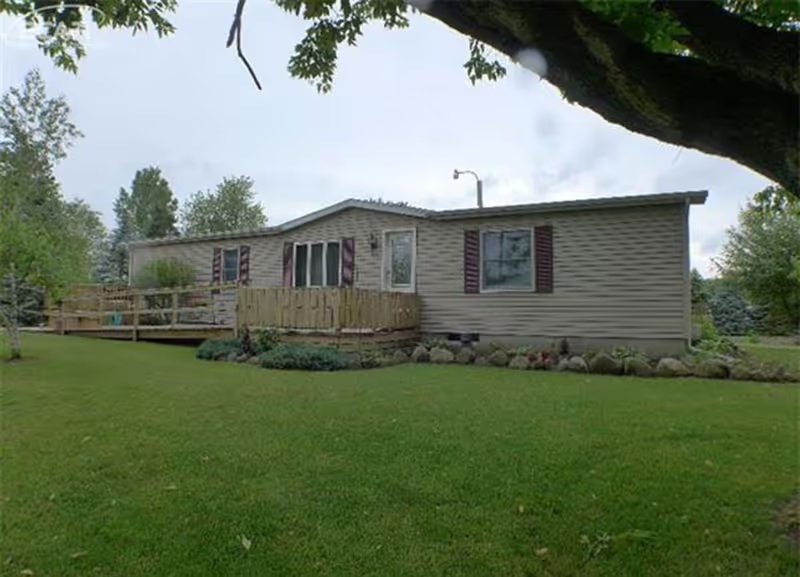
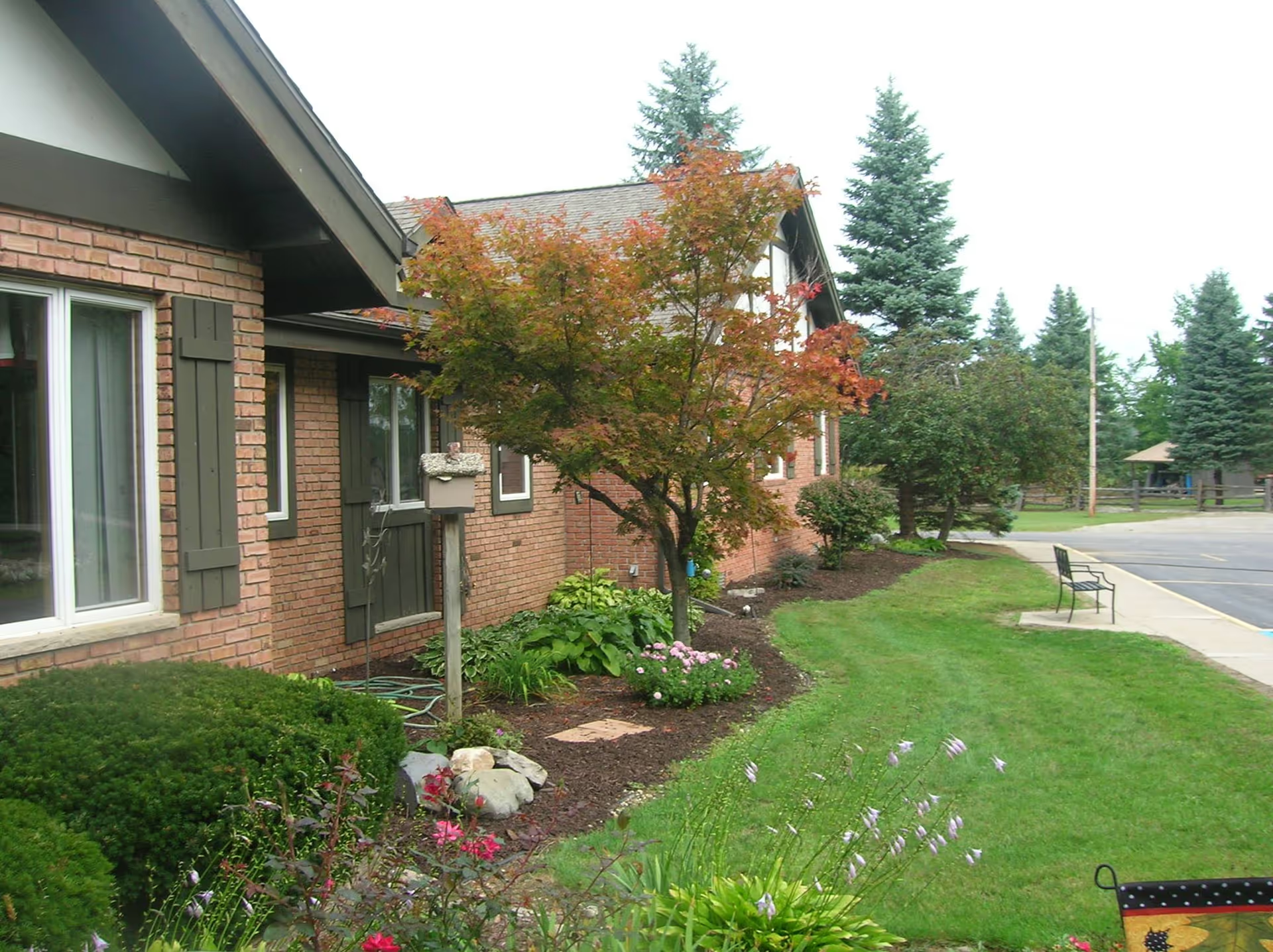
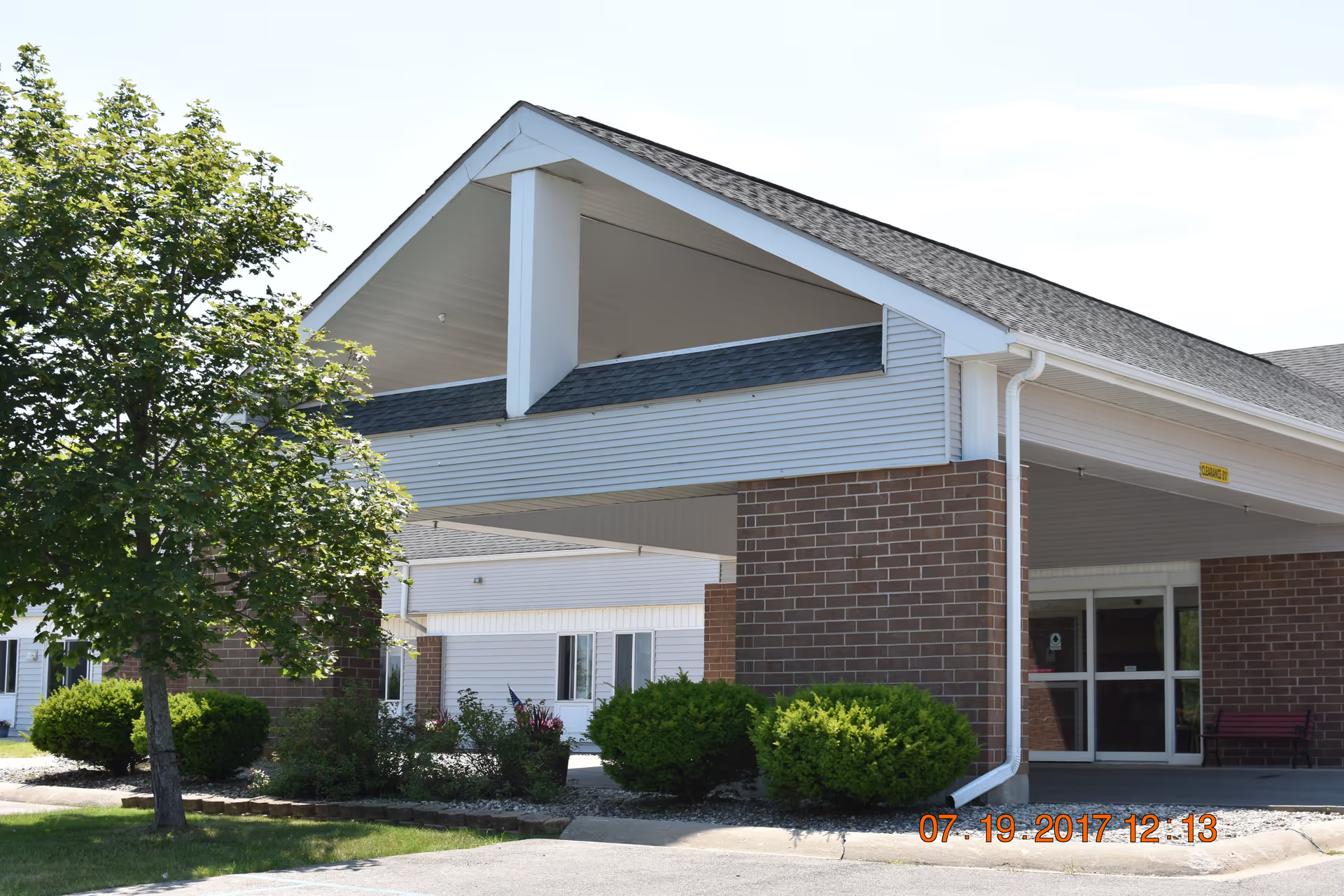
Overall impression: Tuscola County Medical Care Community receives substantial positive feedback for compassionate, resident-focused care, particularly in memory-care and short-term rehabilitation services. Many accounts highlight attentive nursing and caregiving, a clean and well-maintained campus, and a locked memory unit that supports redirection techniques. Families commonly note comfort-focused end-of-life care and family-friendly visiting practices. The facility also receives praise for its teamwork, flexible scheduling, and supportive interdisciplinary services such as social work and admissions.
Care and staff: Reviews emphasize consistent strengths in interpersonal care—staff are frequently described as kind, respectful, and attentive, with several references to strong teamwork and a family-like workplace culture. Management is often credited with efficient scheduling and operational organization, and staff compensation and benefits were mentioned as competitive. At the same time, a minority of reviewers raised concerns about inconsistent staff conduct and variability in care quality between shifts or individual caregivers. There are also specific, more serious concerns in some comments about medication management and resident supervision; these comments suggest the need for clear clinical oversight and medication protocols.
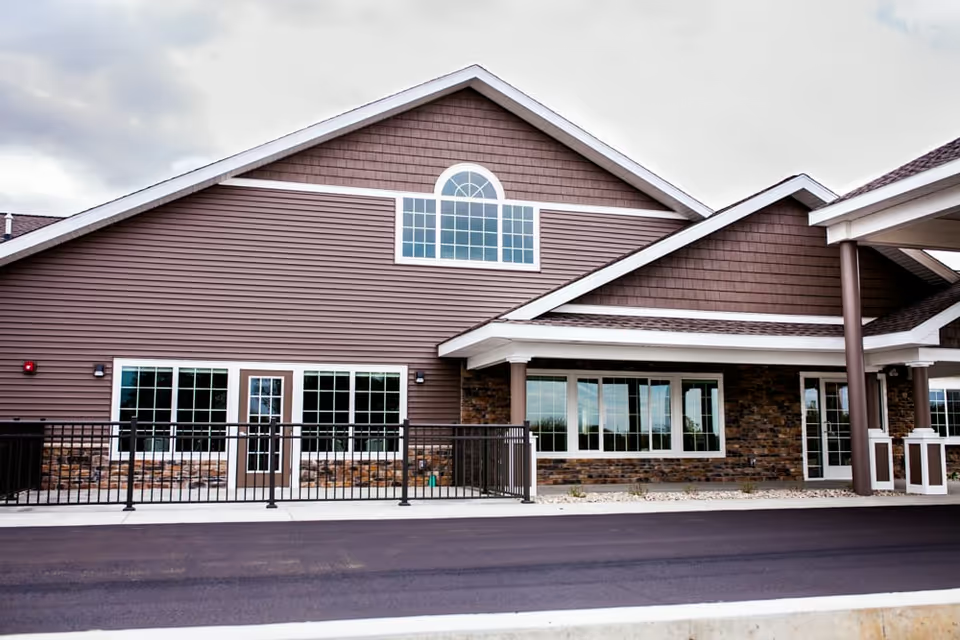
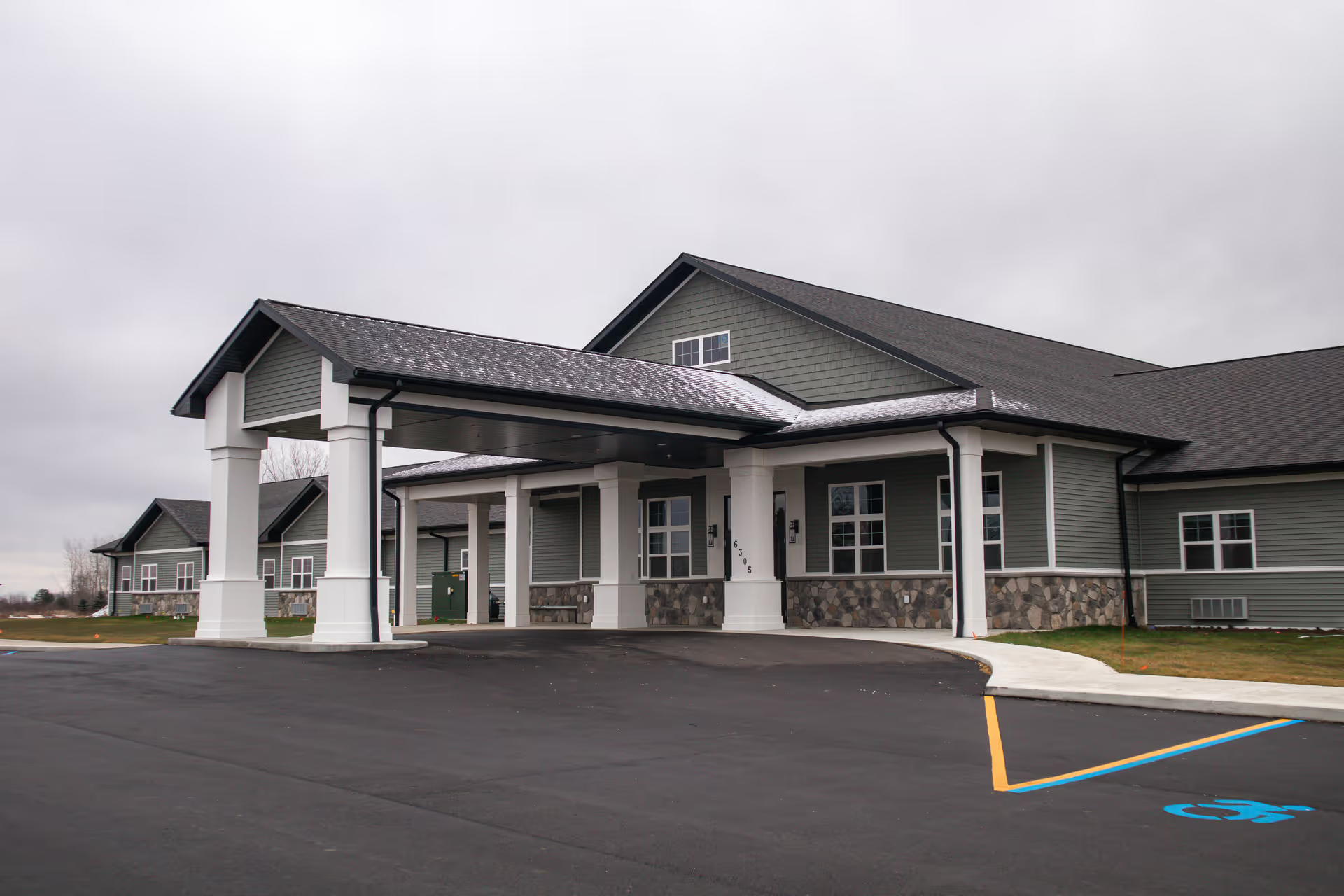
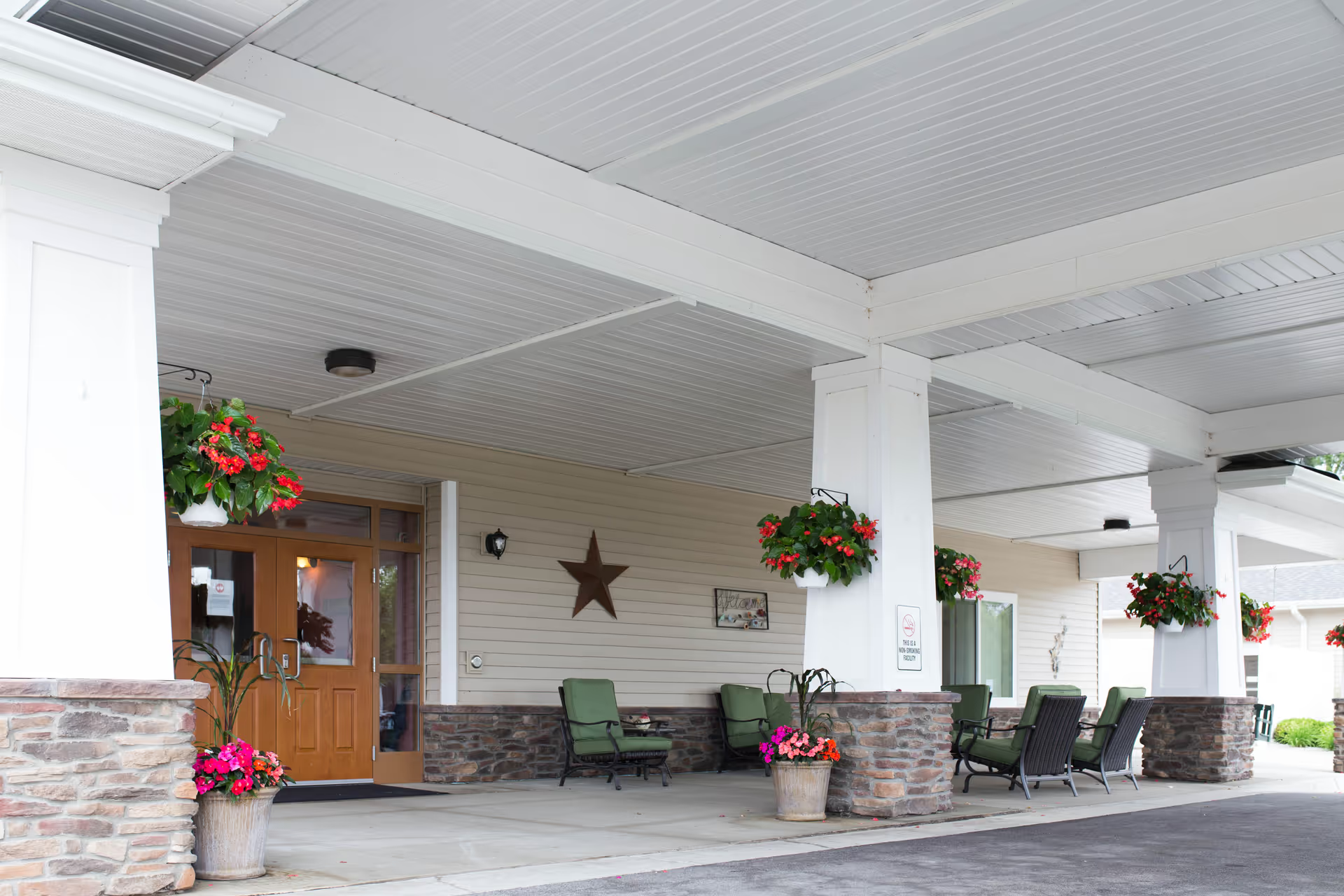
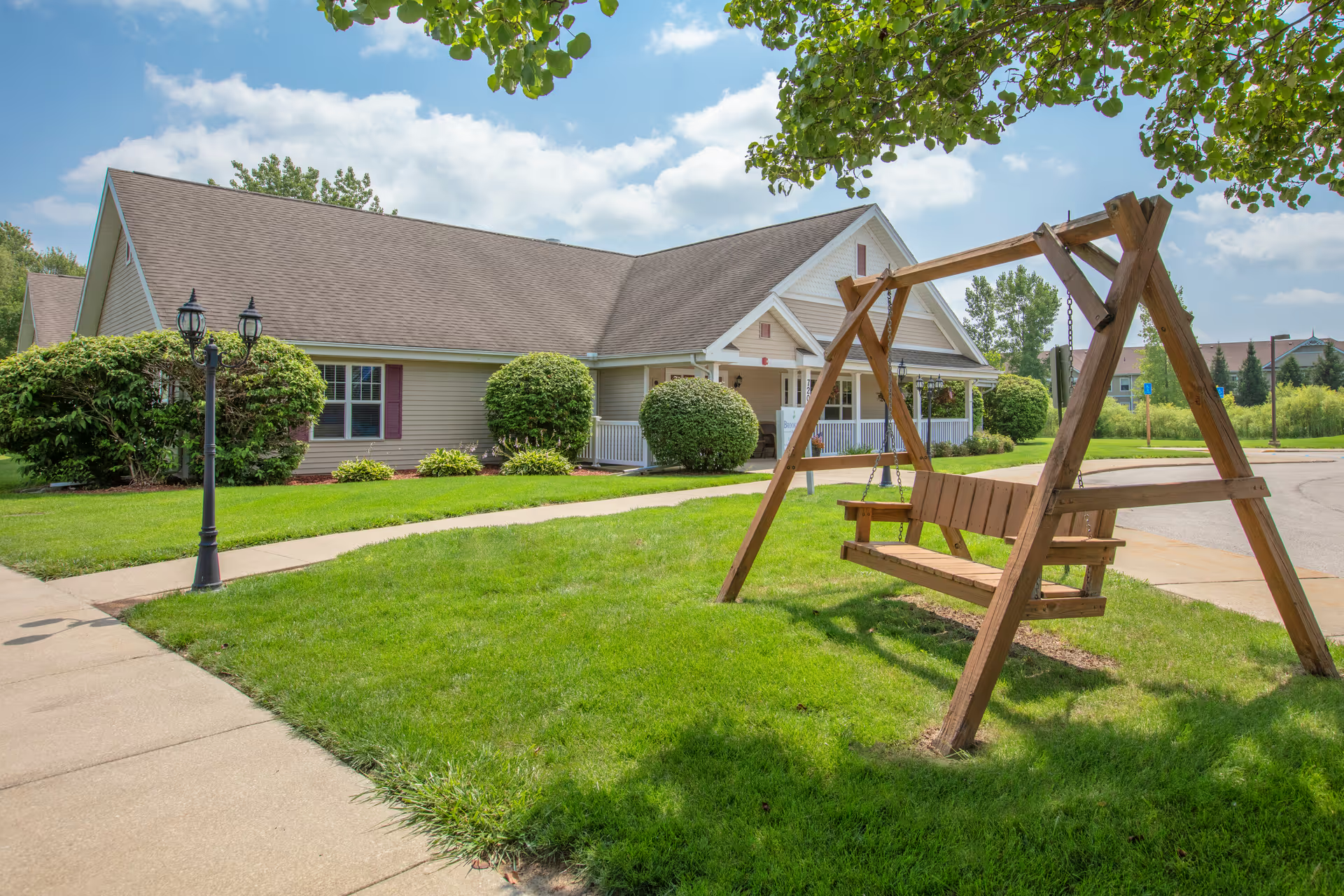
Facilities, dining, and activities: The physical environment is widely described as clean, attractive, and well maintained. The secure memory-care area is noted positively for safety and effective redirection techniques. Visitors report accommodating visiting hours and an overall professional atmosphere. Information about dining and activities is less detailed in some feedback: prospective families may want to request sample menus, therapeutic-dining arrangements, and current activity calendars to confirm whether programming matches a resident’s interests and needs.
Management and culture: Many reviews reflect strong operational strengths—efficient scheduling, accommodating management, and a collaborative staff culture. However, several comments describe perceived administrative fairness issues, inconsistent policy enforcement, and concerns about workplace culture (including bullying or discrimination concerns). Some reviewers expressed fear of retaliation when raising issues. These patterns point to a possible divide between day-to-day caregiver performance and certain aspects of management or HR practices.
Notable patterns and recommendations: The dominant pattern is positive—compassionate caregiving, cleanliness, and good short-term rehab outcomes—tempered by intermittent concerns about variability in staff behavior, communication, and clinical oversight. Prospective residents and families should observe caregiver–resident interactions during a tour, ask about staffing levels and supervision, review medication-administration protocols, request recent activity schedules and menus, and inquire about grievance and whistleblower procedures. For job seekers, ask about workplace culture, management practices, and staff-support resources. These targeted questions can help confirm whether the facility’s strong caregiving reputation aligns with a specific resident’s or employee’s expectations.