Overall impression: Reviews present a mixed but specific picture. Many families and residents praise the facility for its strong rehabilitation services, attentive caregiving staff, and consistently clean, well-maintained environment. At the same time, there are recurrent operational concerns that prospective residents and families should evaluate further. The facility appears capable of delivering high-quality rehab and personalized care for many patients, but there are patterns indicating uneven performance across clinical monitoring, staffing, and some areas of infrastructure.
Care and staff: Strengths center on compassionate, engaged nurses, CNAs, therapists, and social workers who are frequently described as attentive, personable, and effective at helping residents progress toward discharge goals. The rehabilitation program (PT/OT/speech) receives particularly high marks for effectiveness and outcome-oriented therapy. Reviewers also report good coordination with physicians and helpful discharge planning in many cases. However, other comments describe inconsistent staff conduct and tone, occasional breakdowns in communication, and variability in responsiveness. These observations suggest that the overall culture of caregiving is positive but not uniformly consistent across shifts or teams.
Clinical safety and quality concerns: Several reviews raise clinically significant themes that suggest systemic weaknesses rather than isolated anecdotes. These include lapses in medication-administration controls and dosing accuracy, insufficient monitoring of hydration and basic care needs, and gaps in blood-sugar monitoring. Fall-prevention practices and post-fall management are another area of concern, with instances of residents requiring transfer after falls. Infection-control during outbreak events is also highlighted as an area needing improvement. Together, these point to the need for prospective families to ask specific, documented questions about clinical protocols, staffing ratios, monitoring routines, and incident-communication processes.
Dining, activities, and daily life: The facility’s activities and entertainment offerings, including social programming and dementia-friendly supports, are repeatedly praised and contribute to a positive resident experience. Dietary services are accommodating of preferences and special diets in many cases, though meal preparation quality is described as inconsistent — with reports of both satisfactory home-cooked-style meals and instances of over- or under-cooked items. Laundry, housekeeping, internet access, and climate control are generally regarded as strong operational elements that enhance comfort and quality of life.
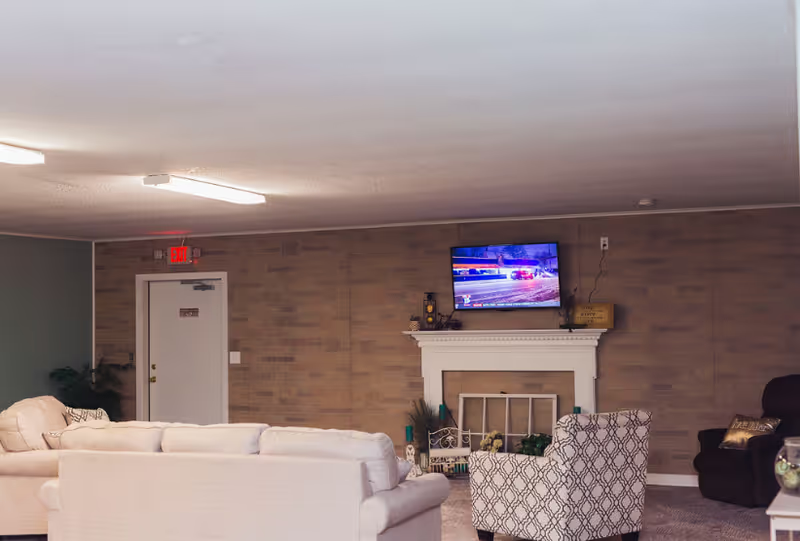
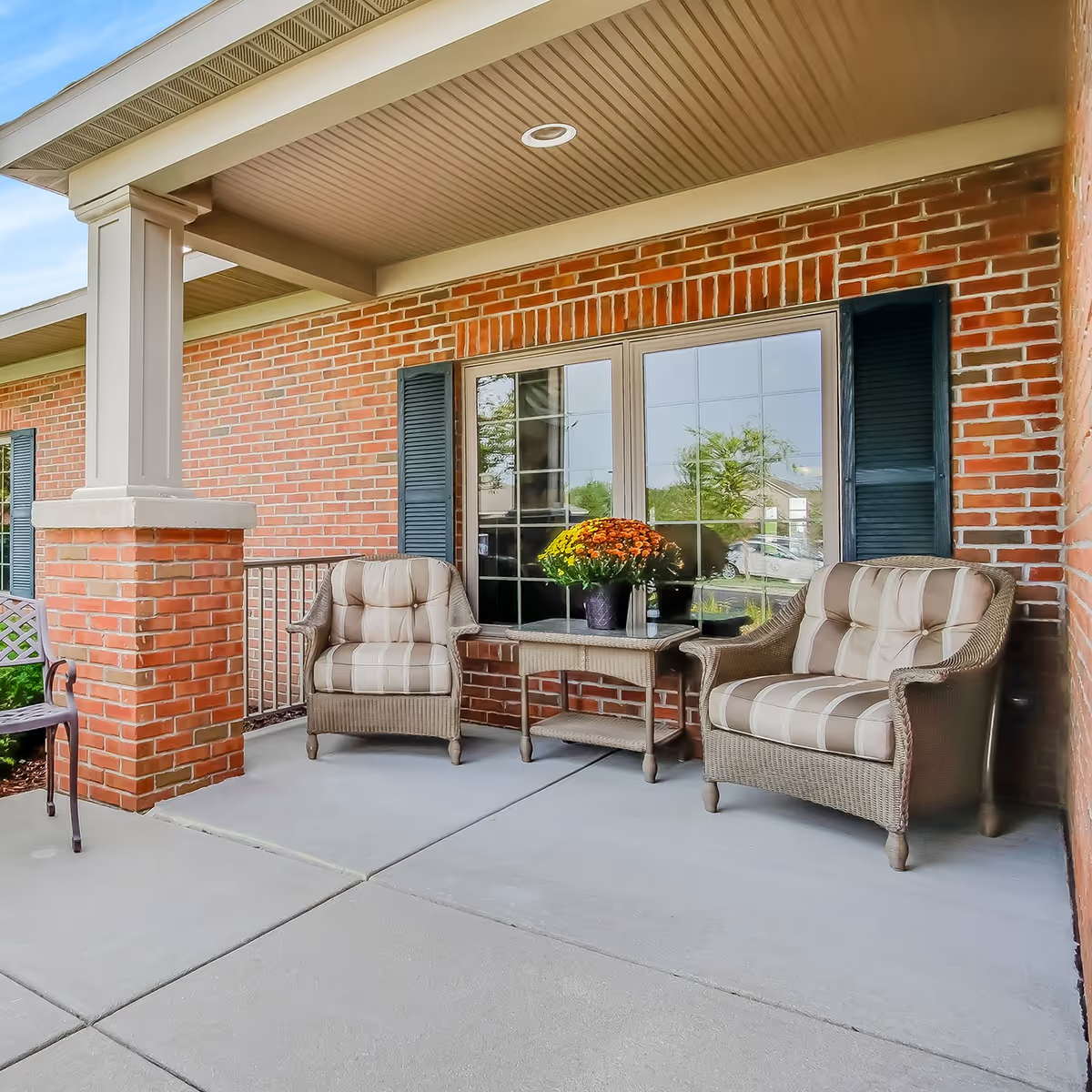
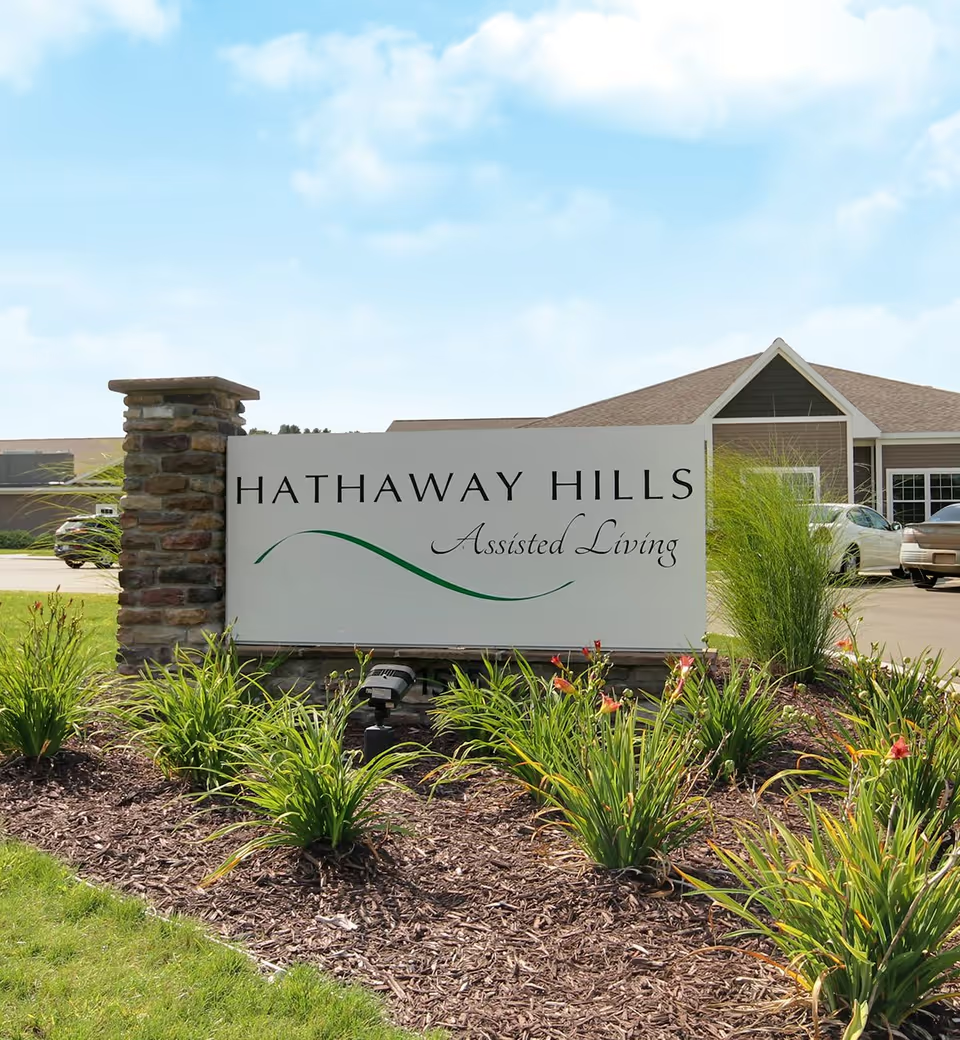
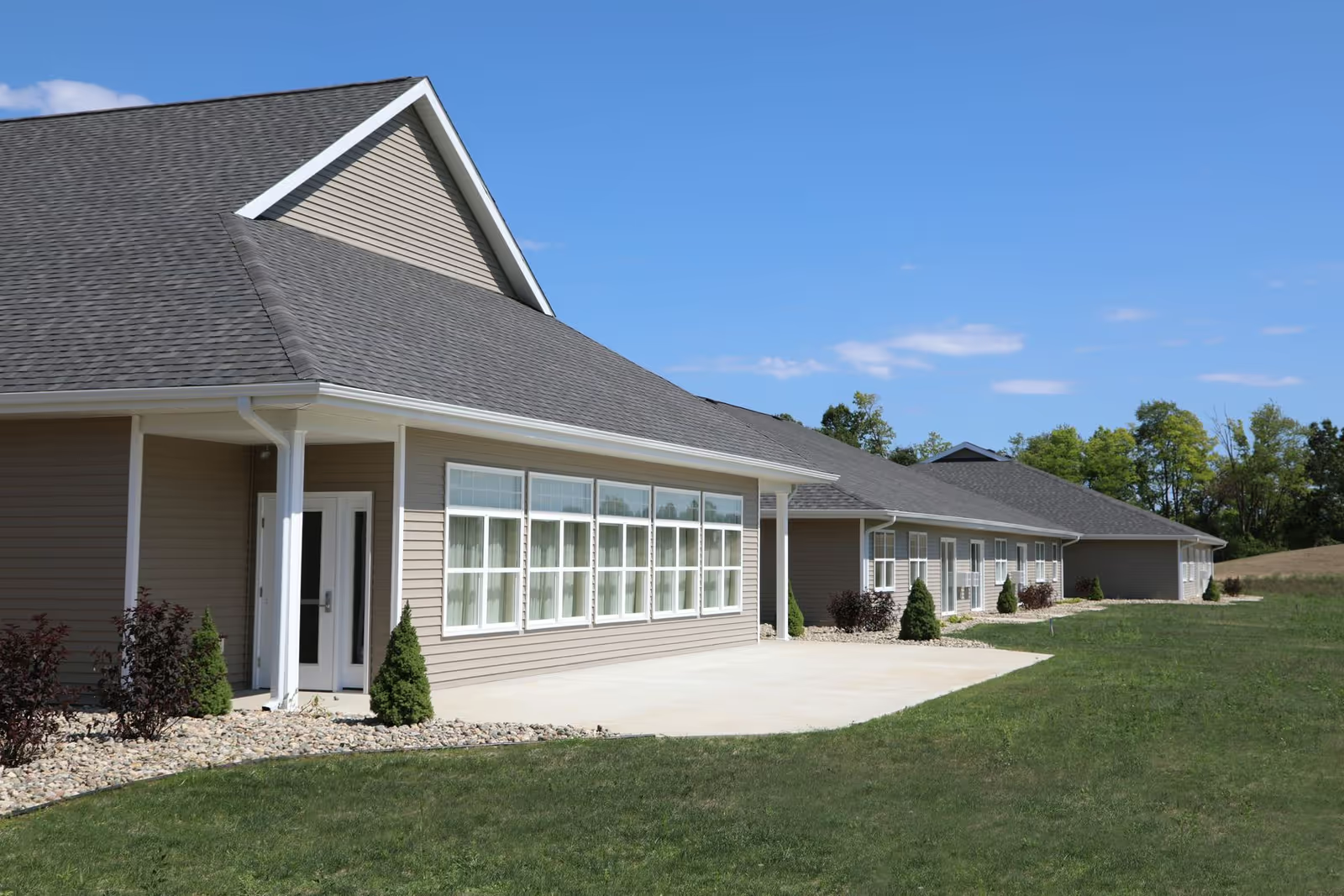
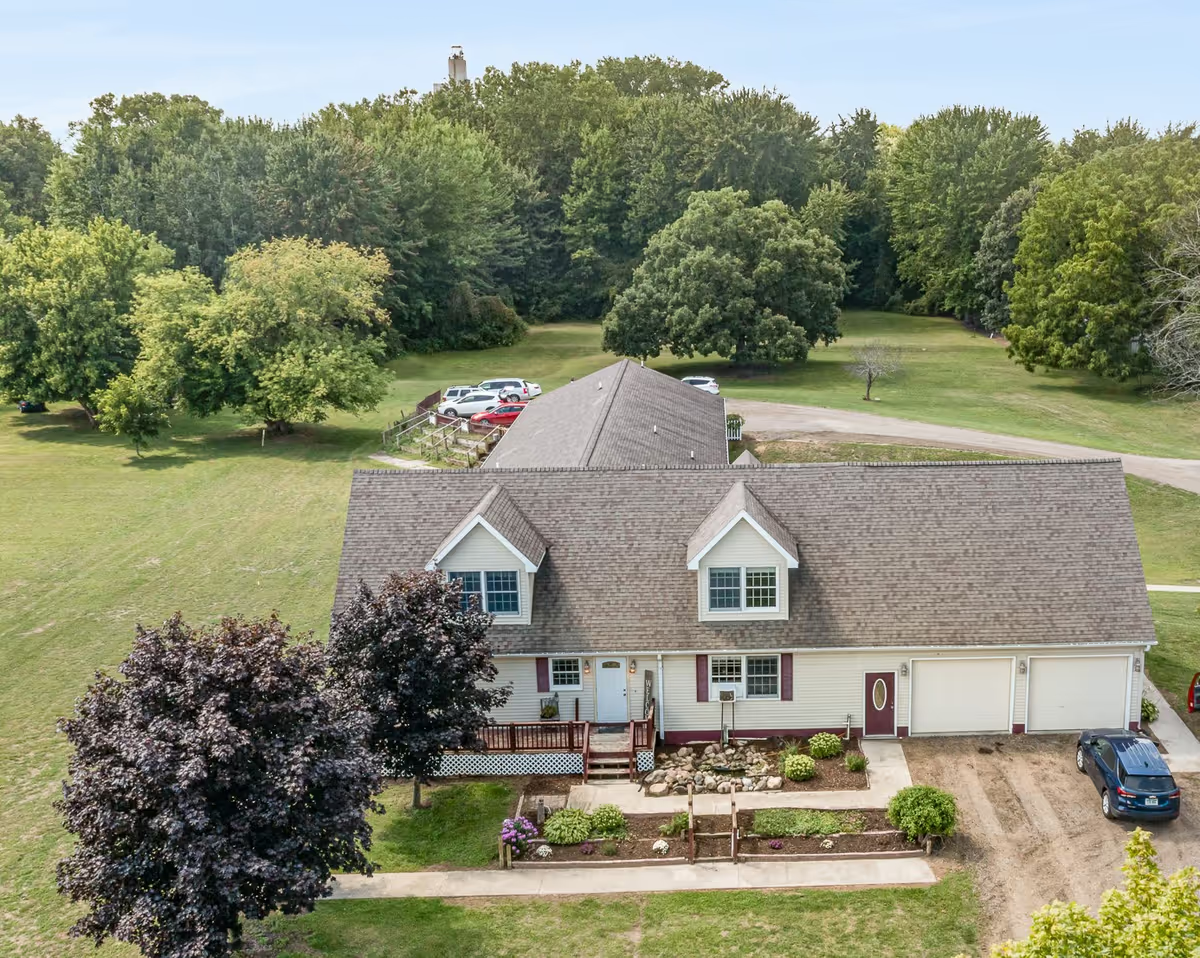
Facilities and administration: The physical plant is frequently described as clean, welcoming, and hotel-like in public areas; rooms and common spaces receive favorable comments for upkeep and atmosphere. At the same time, reviewers note some accessibility limitations — small bathrooms and showers that are not well suited to wheelchair or bariatric use — and occasional outdated equipment such as beds or telephone systems. Administrative interactions are often described as accommodating and helpful, though there are isolated concerns about transparency and after-hours communication. Understaffing is mentioned as a driver of delayed call-light responses and slower attention during peak times.
What to ask and consider: Prospective residents and families should weigh the facility’s strong rehab capabilities, caring staff, and clean environment against the documented operational concerns. Recommended questions include: What are current staffing ratios across shifts? What protocols and checks exist for medication administration and hydration monitoring? How does the facility manage fall prevention and post-fall communication with families? What infection-control procedures and quarantine plans are in place? Also ask about restroom/shower accessibility for mobility-limited or bariatric residents and test the resident phone/after-hours communication system. Finally, request recent quality indicators, incident logs, and examples of how the facility addressed past clinical or operational issues.
In summary, Laurels of Carson City demonstrates clear strengths in rehabilitation, caregiving engagement, and facility upkeep that many families value. Yet the reviews consistently surface operational and clinical safety areas that merit direct inquiry before placement. Visiting in person, meeting therapy and nursing staff, and obtaining up-to-date documentation on clinical protocols will give the most useful perspective for decision-making.