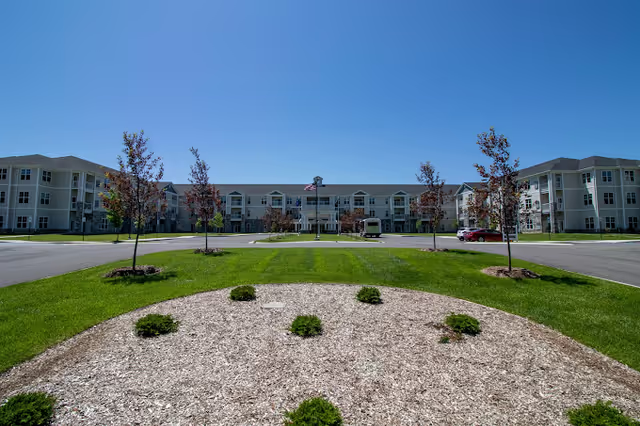
Overall impressions of Village of East Harbor are mixed and indicate substantial variability by unit, shift, and individual staff. Strengths frequently highlighted include a large, attractive campus with well-kept common areas, an inviting dining environment, and a broad continuum of services stretching from independent living through memory and skilled nursing care. The site offers many on-site amenities (salon, pool, chapel, therapy rooms), active programming and outings, and visible efforts to foster social engagement. Several families also described positive clinical outcomes when therapy and nursing resources were engaged and coordinated.
Care quality and staffing are the most uneven areas. Many accounts praise compassionate, attentive nurses and aides and high staffing levels in specific memory-care contexts; however, other accounts describe understaffing (especially overnight), slow call-light response, and delays in attending to medical events. These patterns translate into concerns about timeliness of clinical response, inconsistent documentation, and variability in medication administration practices. Rehabilitation services are available on-site and were effective for some residents, while other families experienced limited therapy follow-through or early discharge for inadequate progress, indicating inconsistent therapy planning and execution.
Dining and activities are a clear asset for many residents: reviewers frequently note varied programming, stimulating group events, accommodated dietary requests, and a pleasant dining atmosphere. At the same time, food quality and meal-service reliability are inconsistent across accounts, with occasional wrong meals or unappetizing presentations. Facilities and campus features are often described as clean, secure, and attractive, with private-bath options and outdoor areas; contrasted accounts describe older or worn rooms, climate-control issues, localized odor concerns, and isolated pest-control issues. The campus’s size and range of housing options are strengths, but they can also amplify variability in maintenance and housekeeping standards across units.
Management and communication present mixed signals. Some families praise welcoming administration, good coordination with hospice and admissions staff, and helpful financial-transition options such as transitional Medicaid beds. Others describe high turnover in leadership, inconsistent follow-through on complaints, billing disputes, and a perception that administrative responsiveness varies widely. Several reviewers referenced serious clinical events (including hospital transfers and end-of-life situations) that prompted concerns about timeliness of family notification and clinical escalation; these cases appear to have a disproportionate impact on overall impressions.
Notable patterns for prospective residents and families: the facility provides many institutional strengths — comprehensive services, strong programming, and an attractive campus — but individual experiences depend heavily on unit assignment, staffing at particular shifts, and local management. Key areas to evaluate in a visit include night and weekend staffing levels, call-response times, medication-administration protocols (including how meds are explained during meals), hygiene and incontinence-care procedures, the written rehabilitation plan and expected progress metrics, communication and incident-notification policies, and precise financial terms including Medicaid availability and out-of-pocket cost projections. Verifying these operational details directly with staff and observing multiple units and meal periods can help clarify how well the facility’s capabilities align with a prospective resident’s clinical and social needs.