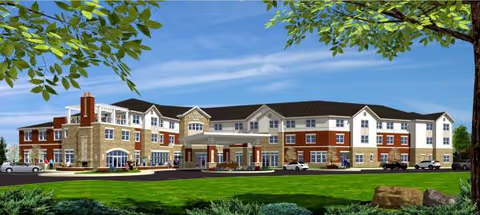
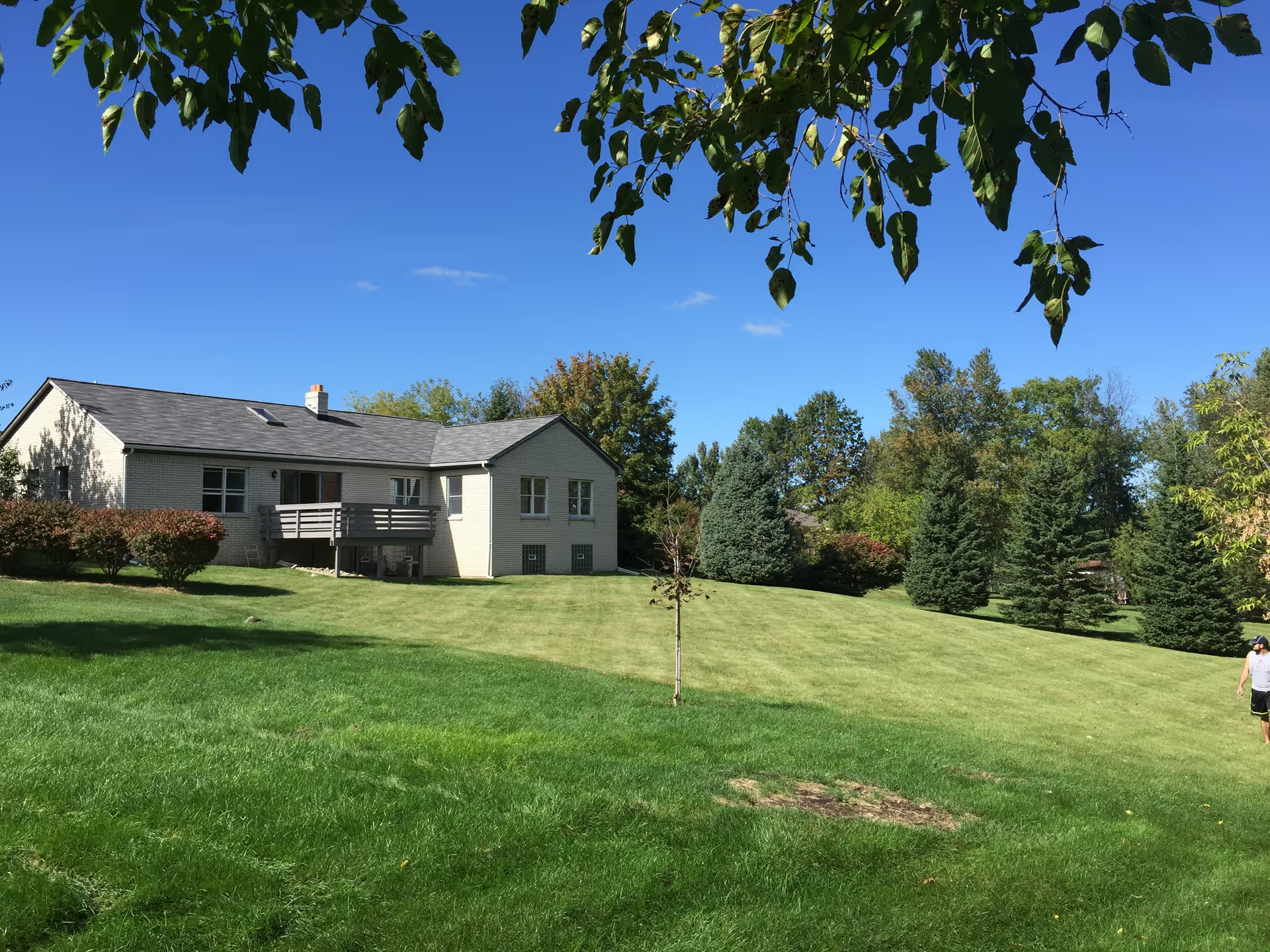
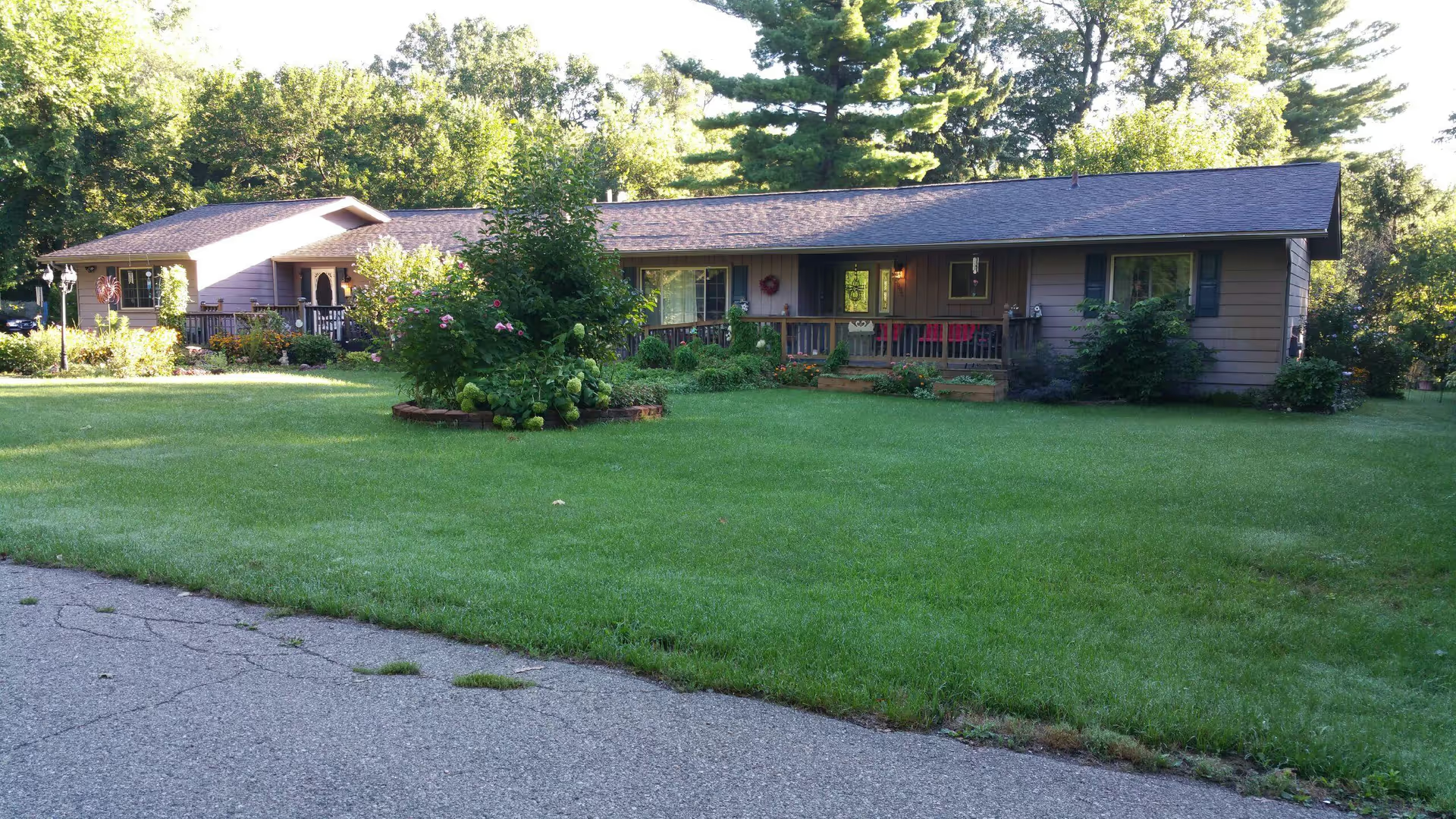
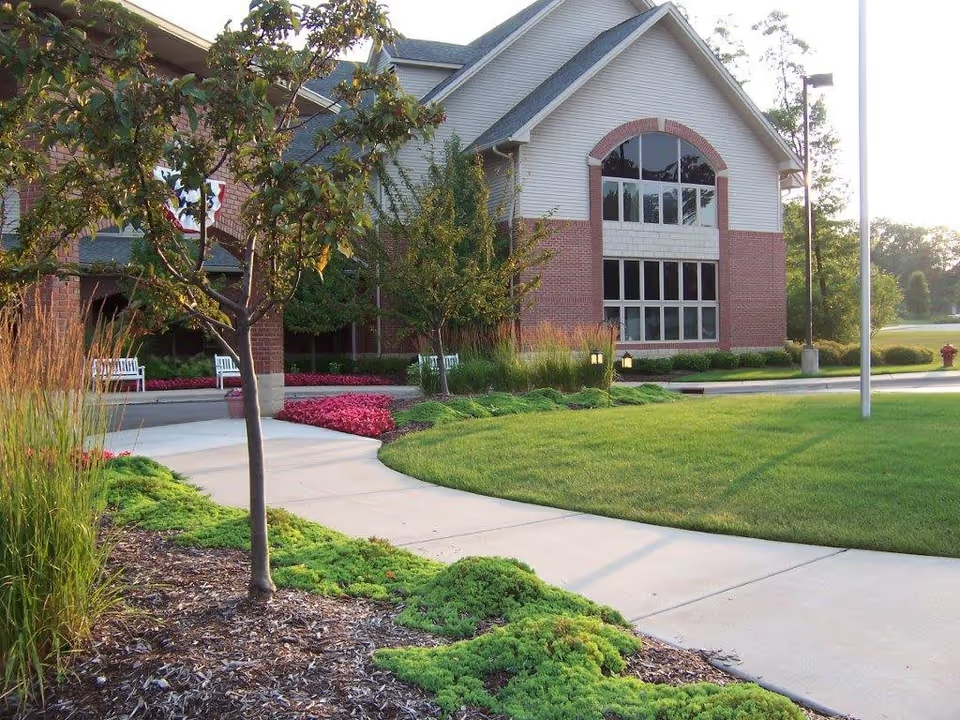
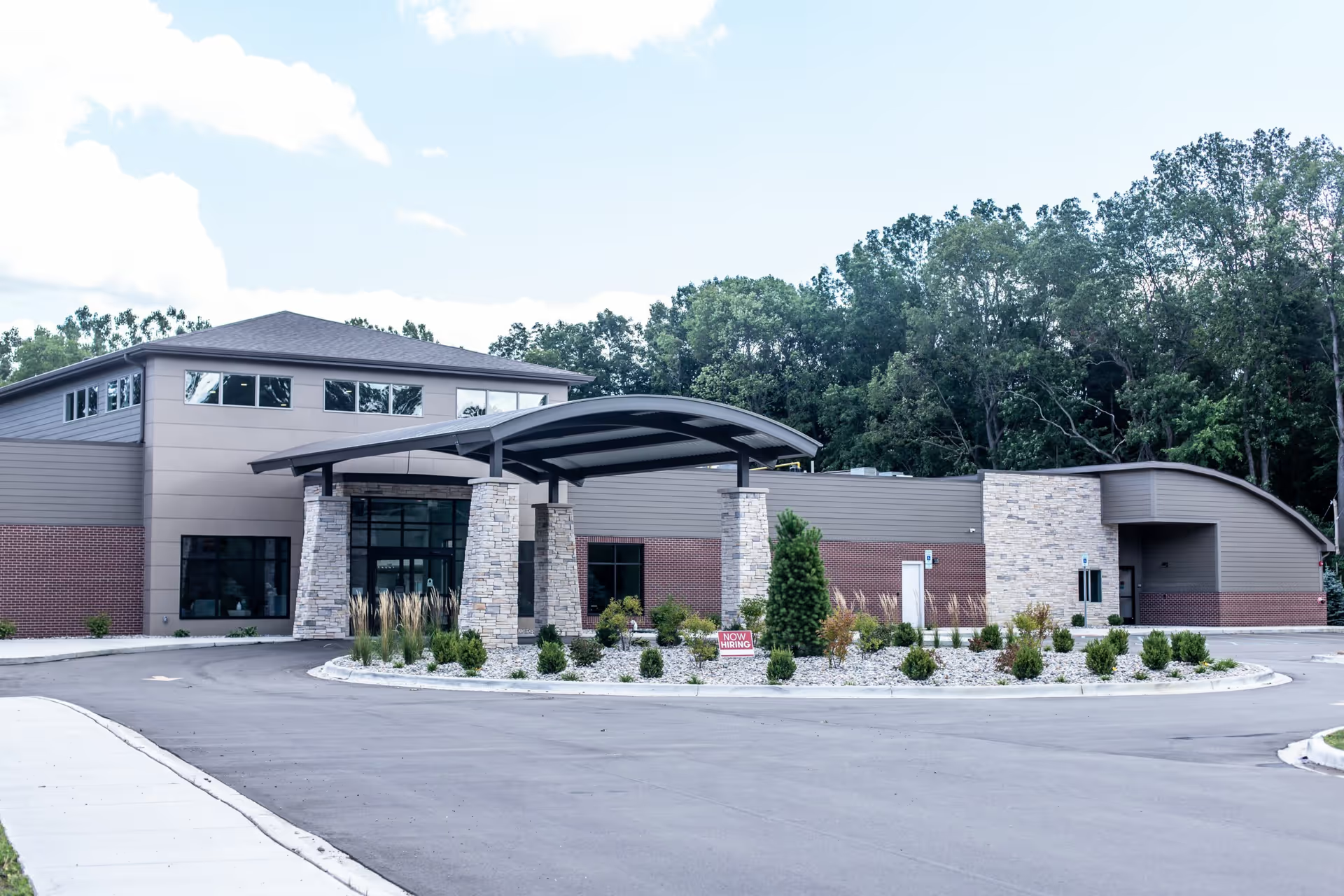
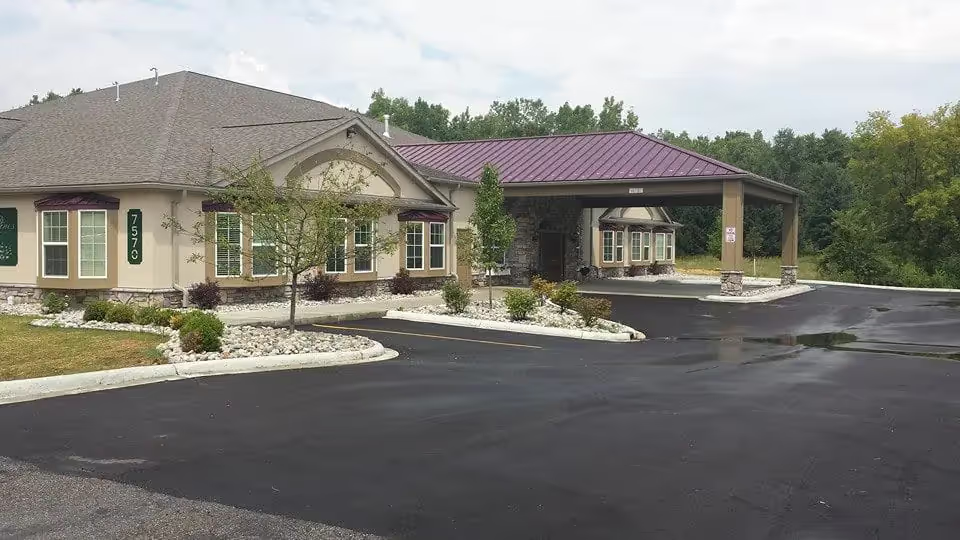
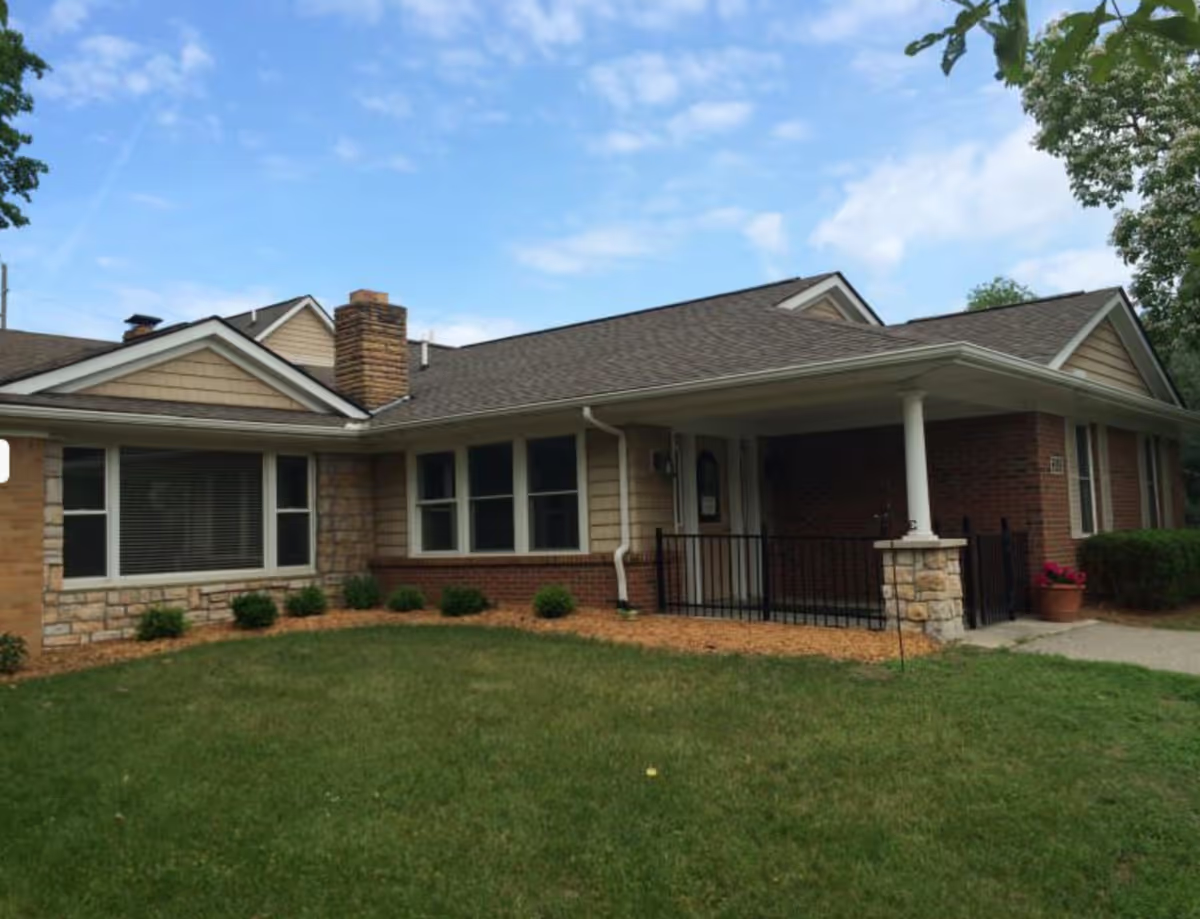
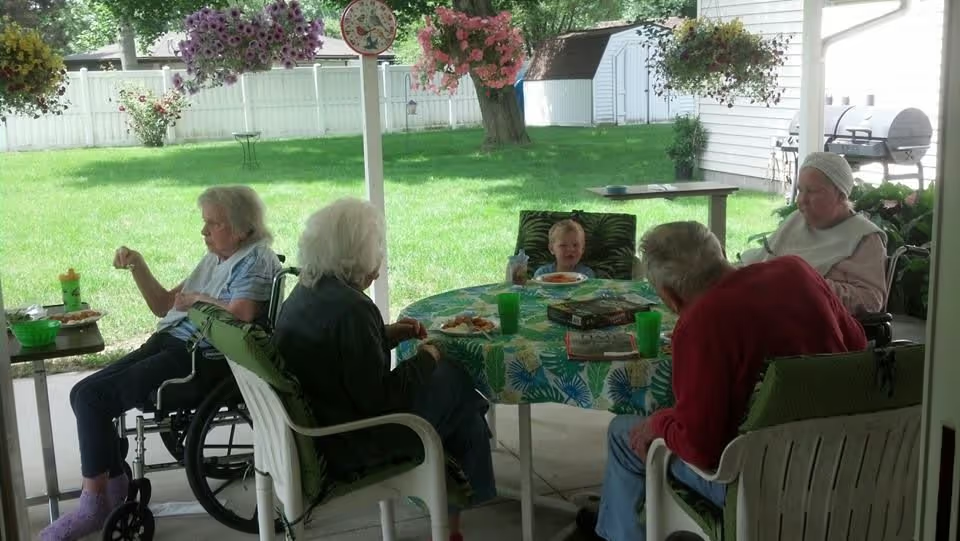
Monark Grove Clarkston presents as a well-appointed senior living community with many strengths and recurring operational concerns. Reviewers consistently praise the facility's physical environment: an attractive, clean building with park-like grounds, plentiful amenities (salon, gym, bistro, pickleball), and spacious rooms. Families frequently highlight a welcoming, family-oriented atmosphere and strong housekeeping and maintenance practices. The community offers an active calendar of events and engagement opportunities, and several staff members (concierge, drivers, dining servers, activities and nursing leads) receive repeated positive mention for personalized assistance and rapport with residents.
Care quality and staffing are areas of mixed feedback. Many families commend compassionate caregiving, attentive memory-care leadership at times, and effective transition support between levels of care. At the same time, there are substantive concerns about consistency in clinical execution: medication administration and follow-through, delayed or inconsistent assistance with bathing and incontinence care, and gaps in wound or skin-care management. These issues appear tied to high staff turnover, variable training—especially for memory-care needs—and intermittent staffing shortages. Several reviewers also described staff distraction and personal-phone use affecting response times and care tasks.
Dining and food service elicit polarized responses. A number of residents and families report positive dining experiences, specific employees who elevate the offering, and a variety of meal choices. Conversely, other accounts point to inconsistent food quality, small or limited portions, menu items served without expected accompaniments, and staffing gaps in the kitchen that affect meal service continuity. Prospective residents should inquire about current dining staffing, menu policies, and portion controls during a tour.
Management and organizational culture reveal both strengths and weaknesses. Multiple families praise front-line managers and named directors who provide responsive, empathetic assistance during move-in and care transitions. However, recurring themes include weekend and after-hours leadership inaccessibility, reported communication and billing/accounting irregularities after discharge (including a contract clause referencing a post-death payment period), and workplace-culture issues such as favoritism and inadequate staff accountability. These operational traits may contribute to variability in resident experience and, in some cases, have led families to relocate loved ones.
Notable patterns: reviewers' experiences cluster into two general profiles — a largely positive experience emphasizing staff warmth, activities, and attractive facilities, and a second profile marked by clinical and operational lapses that prompted transfers or disputes. Given this variability, prospective residents and families would benefit from targeted questions during tours: current staff turnover rates, on-site nursing coverage hours and after-hours escalation procedures, medication-administration checks and documentation practices, memory-care staff training protocols, weekend leadership accessibility, dining staffing and menu-portions policy, housekeeping and sanitation routines, and contract/billing terms (including post-discharge obligations). These inquiries can help clarify whether the facility's strengths align with a given resident's clinical and lifestyle needs.