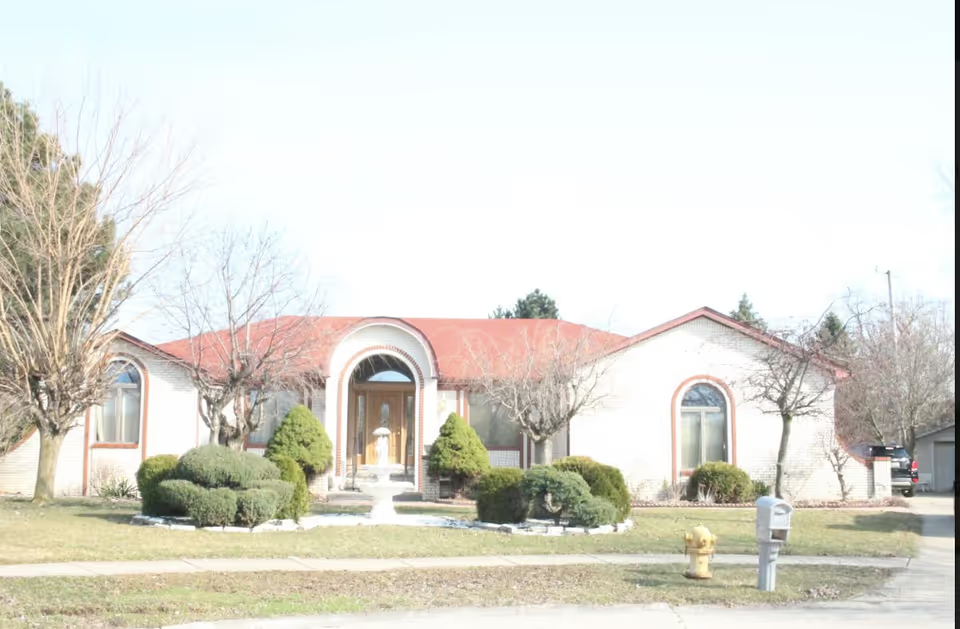
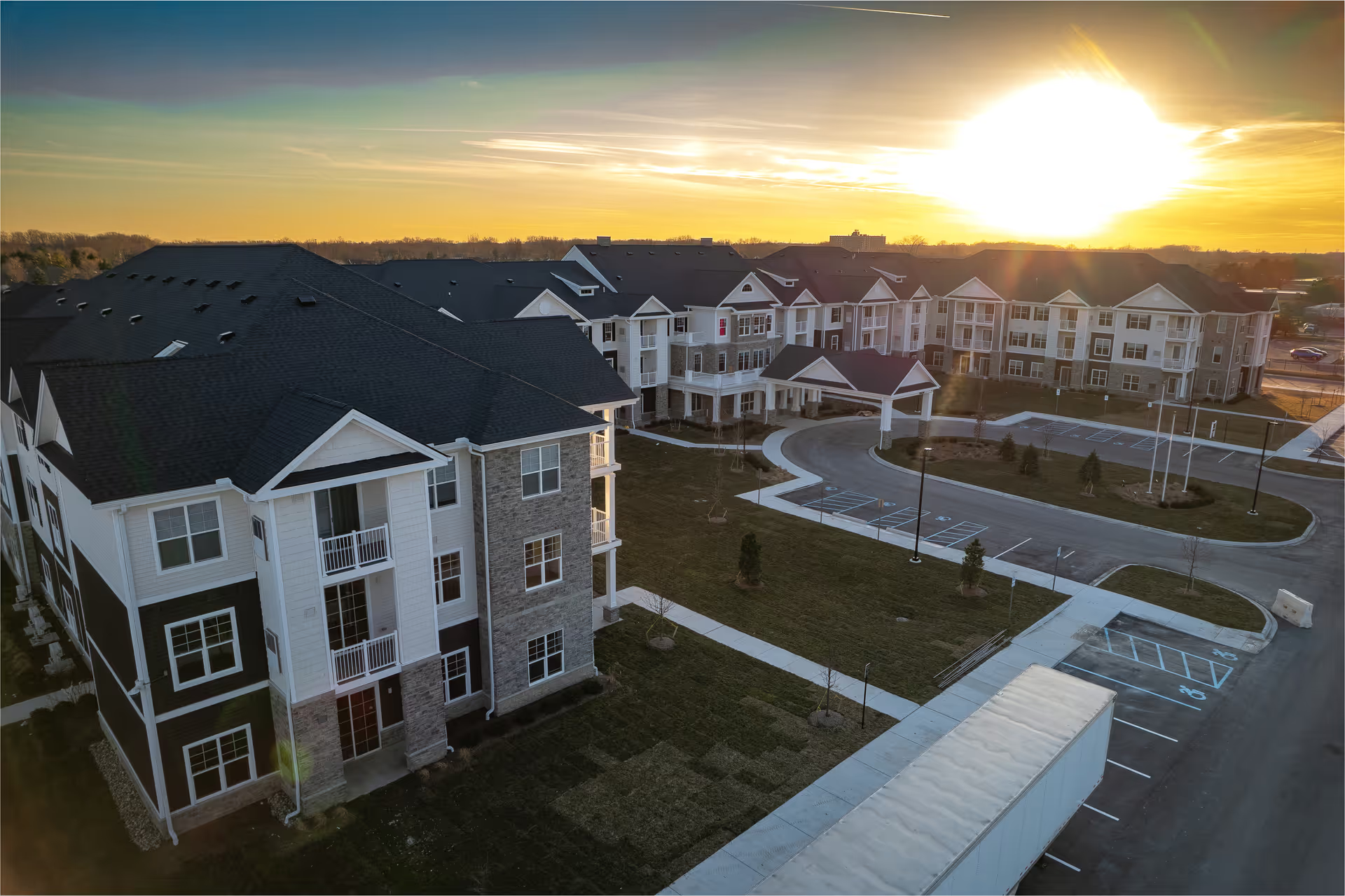
Clinton Creek presents as a small, family-oriented assisted living and memory-care community with a number of strengths cited by families and visitors. Many comments emphasize a warm, homey atmosphere, active owner/management presence, and a modern, updated interior with visible arts/crafts displays. The facility offers a secure memory-care area, an on-site salon, a bistro-style coffee area, a courtyard with a garden, and proximity to a hospital — features that reviewers associated with convenience and resident well-being.
Care quality and staffing are described in mixed terms. Numerous accounts praise compassionate, attentive caregivers and reliable end-of-life/hospice coordination, and several families reported meaningful improvements in residents' social engagement and mental health after admission. Conversely, there is a recurring pattern of operational concerns: inconsistent staffing levels and scheduling appear to have led to missed personal-care tasks for some residents, and there are reports indicating gaps in medication administration and oversight. Relatedly, reviewers also raised issues about clinical-incident documentation and the timeliness or clarity of communication with families. Some comments reflect worries about staff conduct and professionalism, which stand apart from the otherwise positive descriptions of caregiver warmth.
Programming and dining receive consistent positive mention. The community offers frequent activities (bingo, arts and crafts, live music, outings, themed events), recreational therapy, and social spaces that support daily engagement. Meals are described as tailored and palatable by several families, and personal grooming services (hair, nails) are available on-site. The facility’s small size is frequently cited as a benefit that enhances social connection and allows staff to know residents individually.
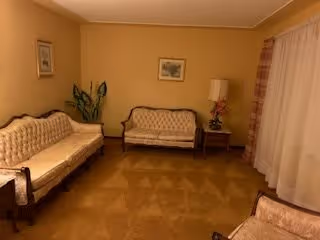
Facility- and site-level attributes are similarly mixed. Many reviewers described the building as attractive and well maintained, but there are also sanitation and odor concerns reported in some common areas and references to visible carpet staining. Physical-activity resources are limited — reviewers noted only minimal exercise equipment rather than a dedicated fitness room. The site’s location near a busy street limits landscaped green space for some visitors. Cost and perceived value were raised as concerns by some families, and a few reviews signaled confusion around program assignment or resident identification during intake or day-program placement.
Taken together, the pattern is one of a largely warm, engaging community with strong social programming and hands-on management, tempered by operational weaknesses that warrant investigation during a tour. Prospective residents and families may find the environment beneficial for social and memory-care needs, but should evaluate staffing consistency, medication and documentation protocols, sanitation practices in communal areas, and the facility’s approach to clinical communication before deciding.