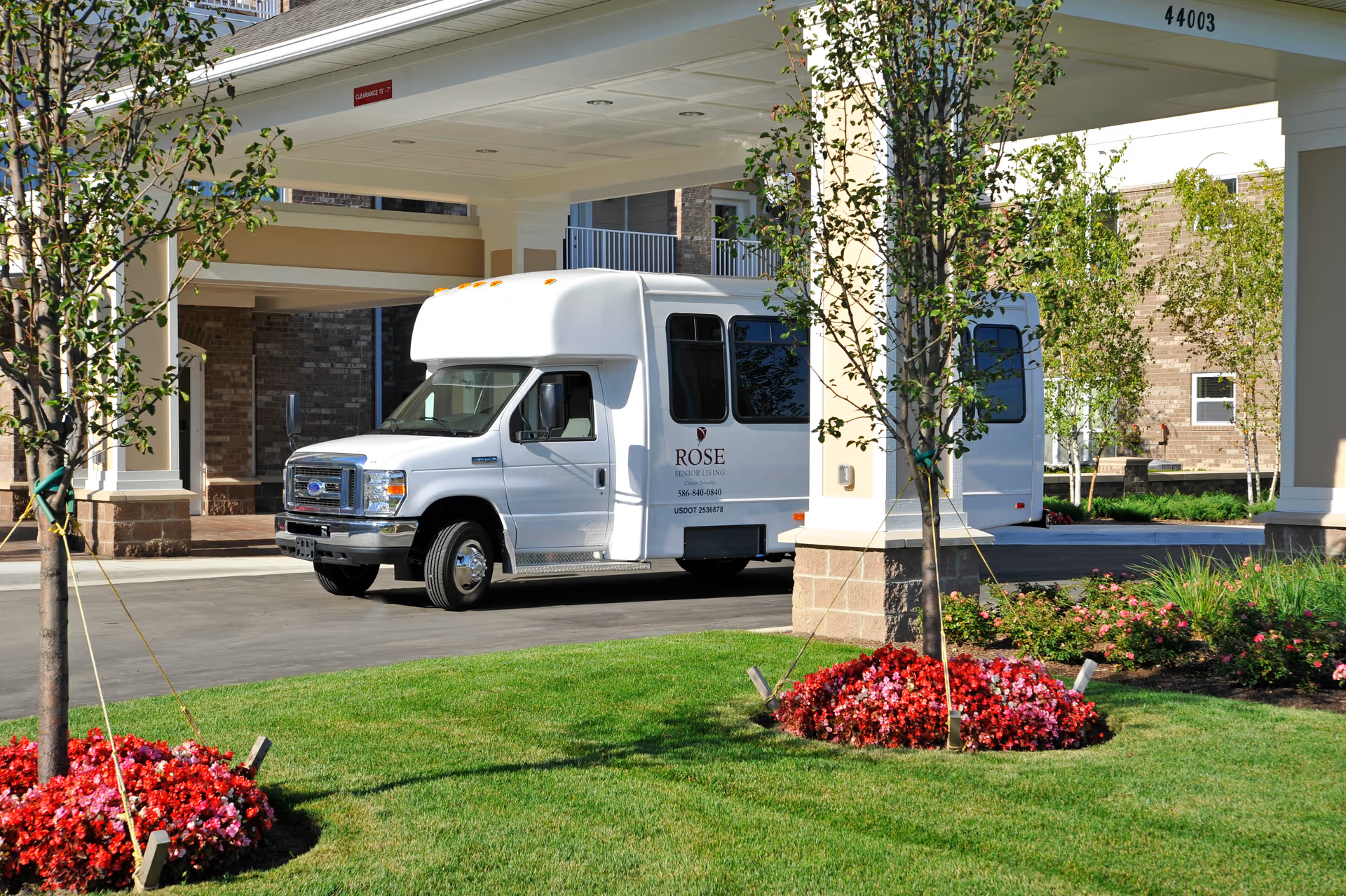
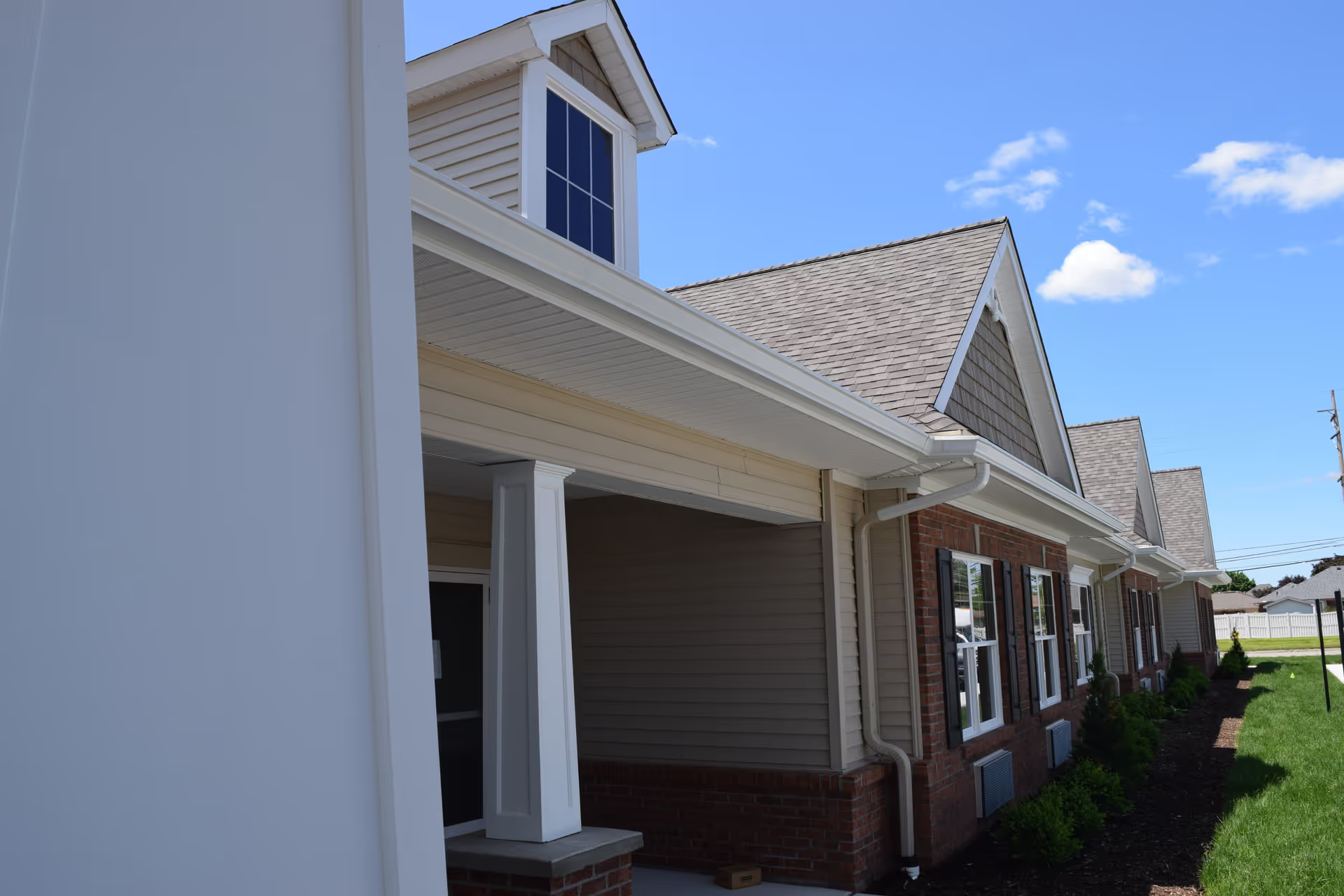
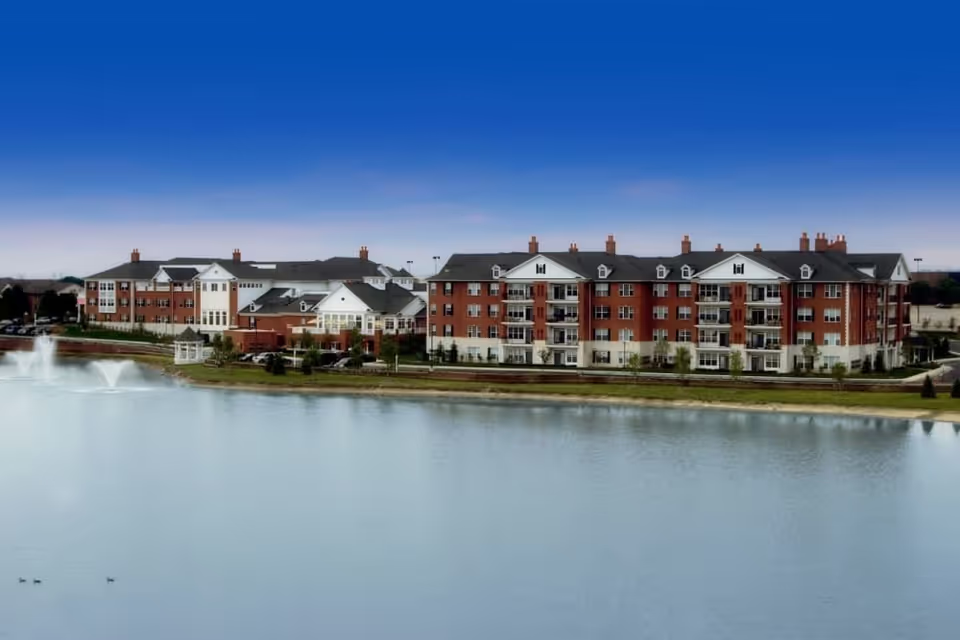
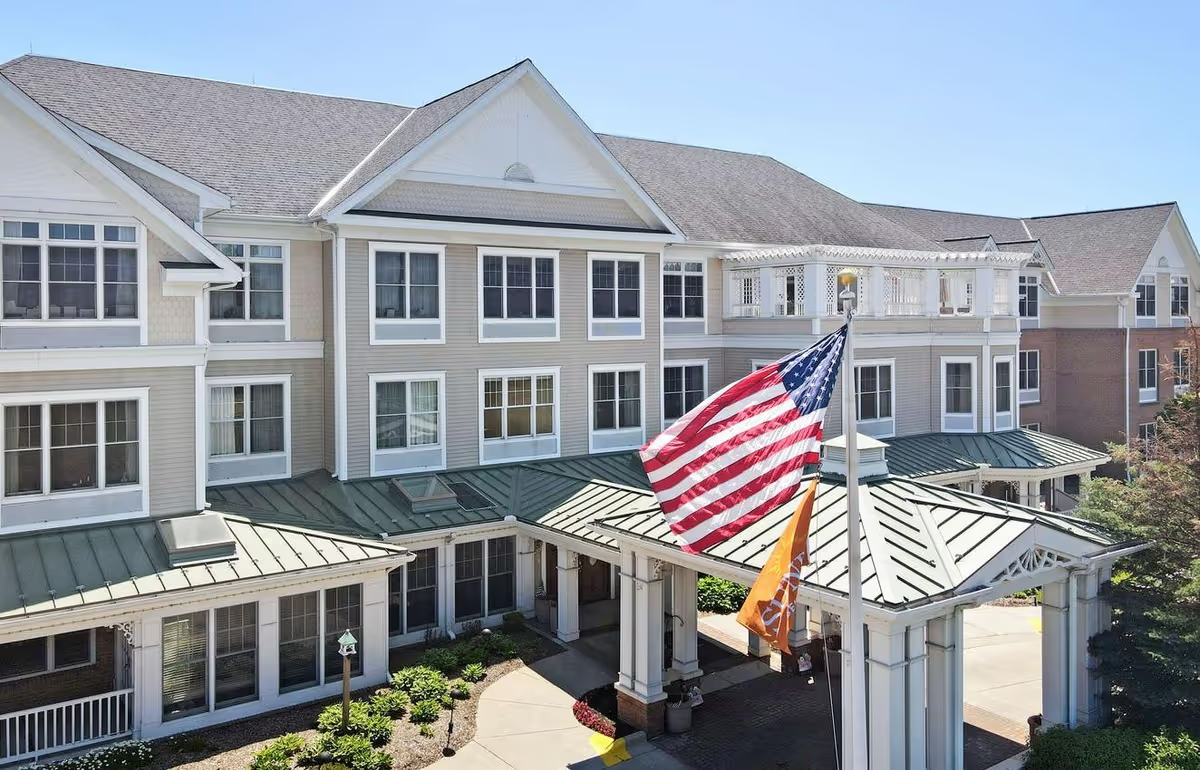
Overall impression: Reviewers describe StoryPoint Clinton Township as a clean, modern, and thoughtfully designed community with bright common areas, large resident rooms, and a homelike atmosphere. Many families praised the onboarding and move-in experience, the welcoming community culture, and staff members who are frequently described as caring, warm, and attentive. The facility’s programing and amenities—chef-prepared meals, a broad activity calendar, therapy services, transportation, and proximity to medical services—are commonly cited as key strengths that promote socialization and peace of mind for residents and families.
Care and staffing: Clinical and daily-care experiences are mixed. Numerous comments highlight compassionate, reliable hands-on care from dedicated team members and supportive therapy services that prioritize independence. However, there are recurring operational concerns: inconsistent staffing levels, variable experience among staff, and notable turnover. These issues are associated with gaps in continuity of care and inconsistent follow-through on scheduled personal-care and housekeeping tasks. Memory-care families in particular flagged inconsistencies in sanitation and incontinence-care management; others described instances where remediation occurred but follow-through needed strengthening.
Staff culture and leadership: Many reviewers compliment the facility’s leadership, noting responsive managers, a welcoming admission process, and staff who go the extra mile. Therapy and activity staff receive specific praise for engagement and individualized attention. At the same time, several comments indicate uneven supervisory practices and concerns about professionalism in certain front-line roles. These concerns include perceived favoritism, variable staff maturity or experience, and communication tone in some dining-management interactions. Overall, leadership responsiveness appears capable of addressing issues when escalated, though consistency in supervisory oversight is an area for improvement.
Dining and food service: Dining is a prominent positive for many residents—chef-prepared meals, favorite dishes, and well-planned menus were frequently noted. The dining program contributes strongly to resident satisfaction and social life. Counterbalancing that, some families reported variability in meal temperature, seasoning (for example, soups perceived as overly salty), and service execution. There are also critiques around kitchen staffing and training and concerns about the professionalism of specific dining-room supervisors. Prospective families should balance the overall high marks for menu and variety with targeted questions about meal-service consistency and staffing practices.
Activities and social life: The activity program is consistently described as robust and engaging, with daily offerings, exercise programs, social events, and holiday celebrations that foster a family-like atmosphere. Residents and families value opportunities for socialization, bingo, outings, and therapy-led programming. A few reviewers requested additional scheduled offerings (for example, more bingo sessions), but the general pattern is of a lively, well-staffed activities calendar.
Facilities and safety: The building and grounds receive strong positive remarks for modern finishes, cleanliness, and thoughtful design. Reported maintenance and safety issues tend to be service-response matters—examples include door-access problems and a medical-alert device malfunction that required management intervention. These examples point to a need for more consistent responsiveness to maintenance and safety-equipment concerns, though reviewers also noted improvements after escalation.
Management, billing, and communication: Administrative strengths include a smooth move-in/onboarding and attentive leadership presence. The most significant administrative concern is billing: reviewers described non-itemized statements and difficulty tracking charges. Communication around charges and financial transparency appears to be an area needing clearer processes. Families recommended confirming billing itemization, staffing ratios, memory-care protocols, and maintenance response expectations during tours and admissions conversations.
Bottom line: StoryPoint Clinton Township offers many attributes that appeal to prospective residents—modern, clean facilities; a strong activities program; chef-driven dining; and many compassionate, engaged staff members. The facility’s main operational weaknesses center on staffing consistency and experience, follow-through on housekeeping and personal-care schedules, dining-service consistency and management professionalism, maintenance responsiveness, and billing transparency. Prospective residents and families who value the community’s physical environment and programming should ask targeted questions about staffing ratios, memory-care sanitation protocols, billing itemization, dining-service processes, and maintenance-response timelines to ensure the level of consistency they expect.