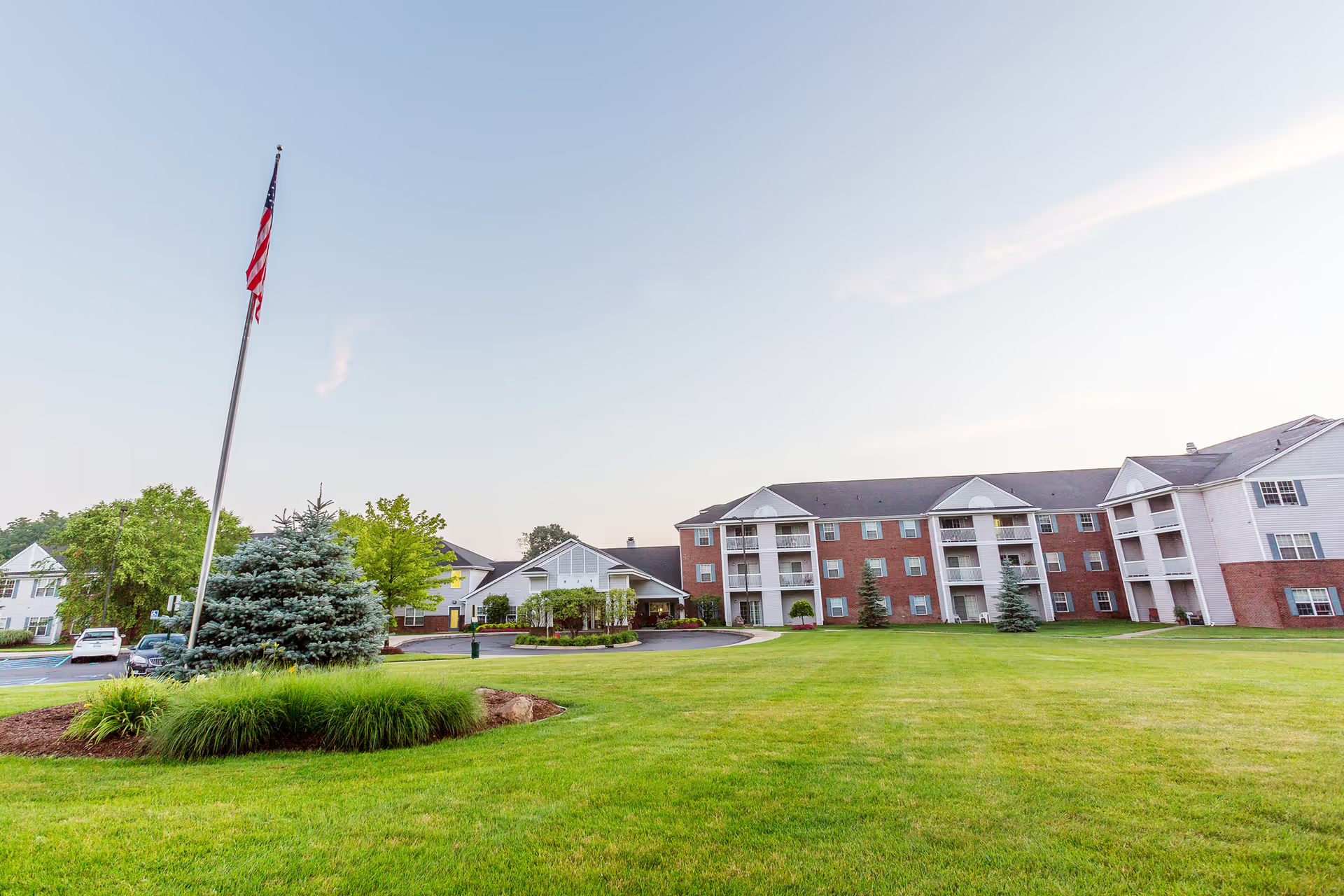
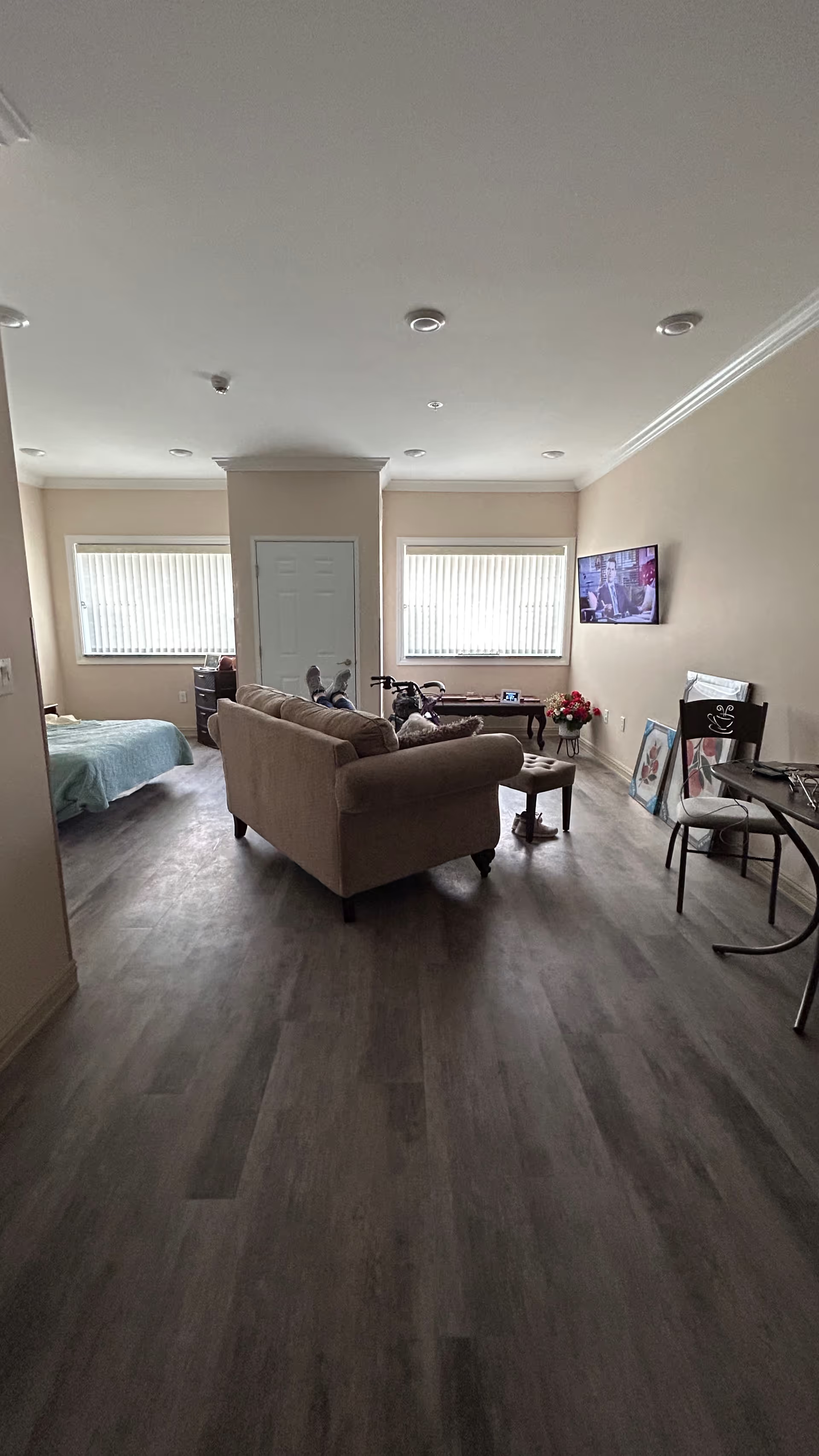
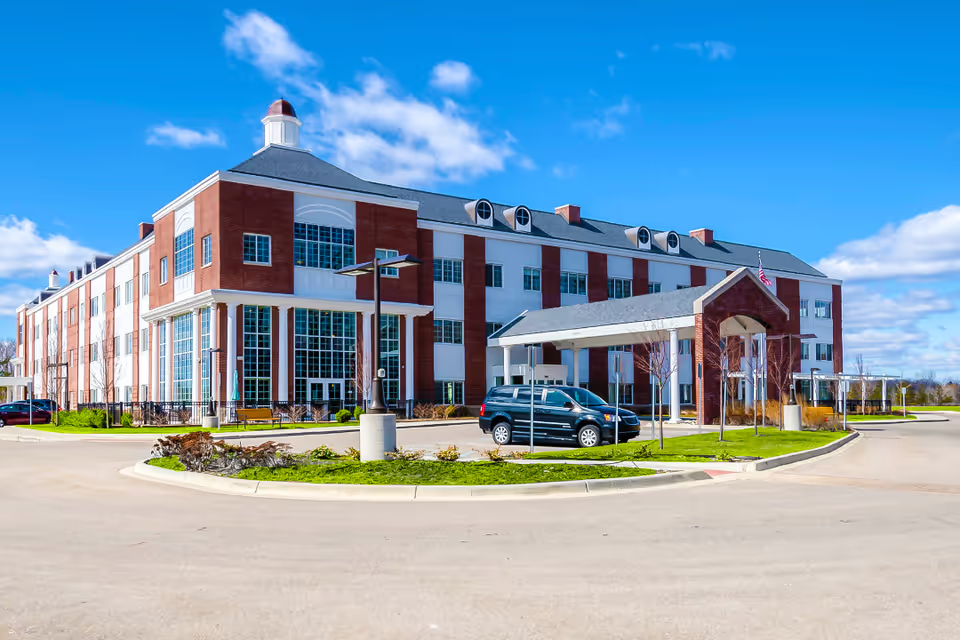
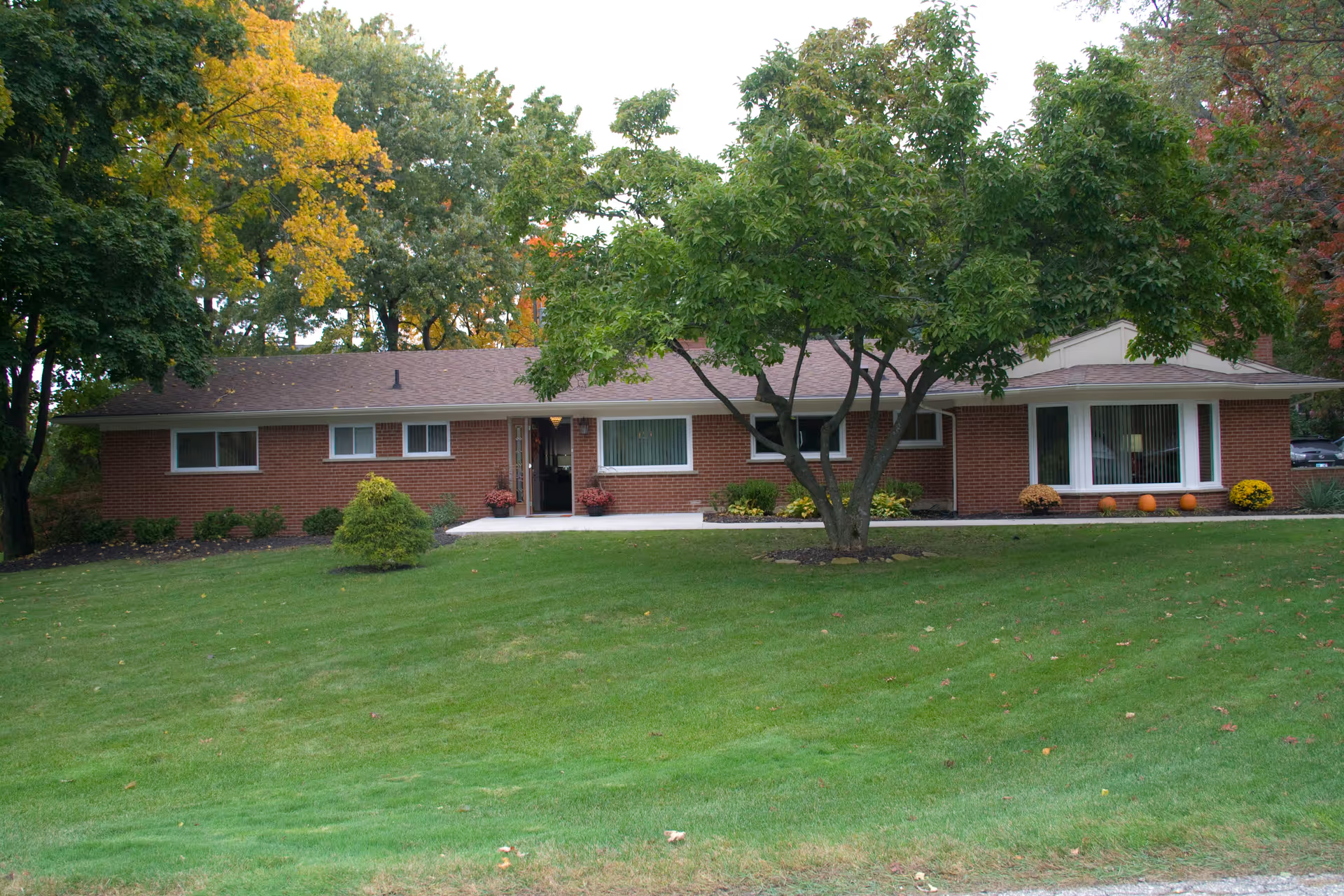
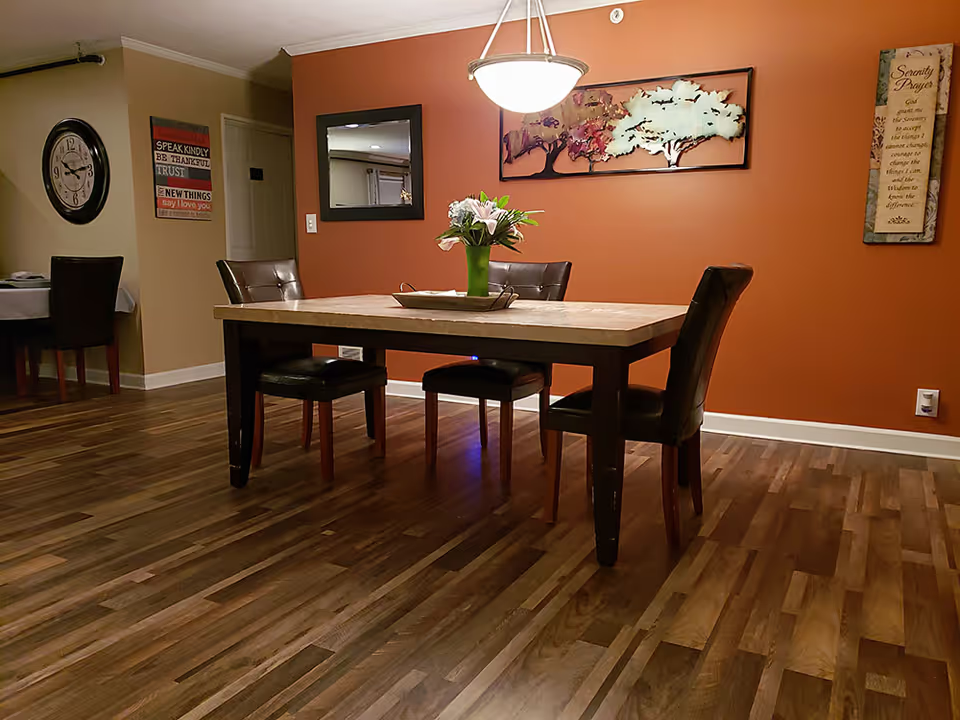
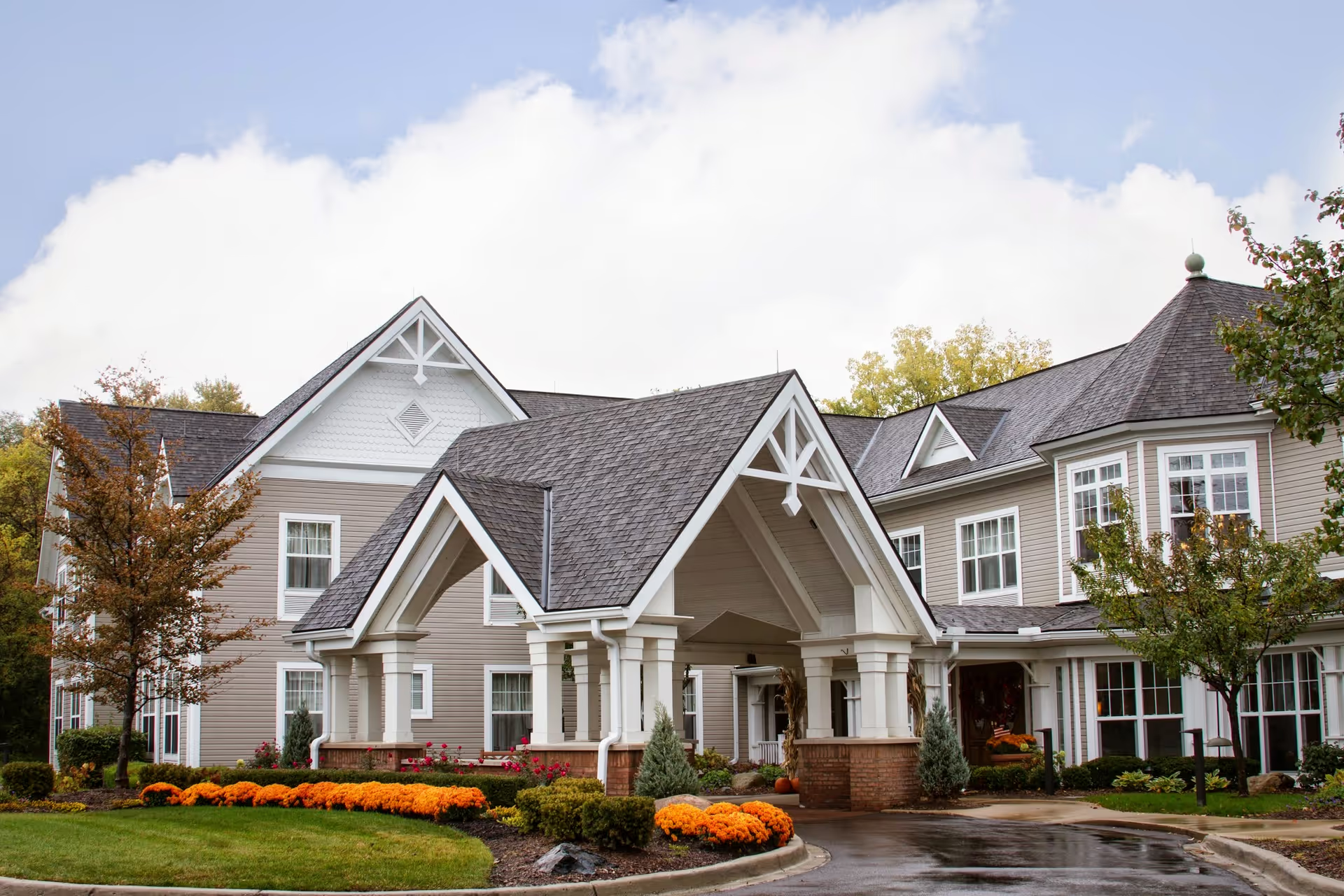
Westlake Health Campus presents a mixed but clearly defined profile. Positive comments emphasize a clean, modern environment with roomy, hotel-like resident accommodations and attractive common areas. The facility appears to offer a broad continuum of services — independent living, rehab/short-term therapy, skilled nursing and hospice — and many reviewers praised the physical plant, courtyards, and convenient location.
Staff and clinical services receive both strong praise and notable criticism. A substantial portion of feedback highlights compassionate, personable caregivers, an attentive rehab team, and clinicians who facilitate meaningful therapy progress. These families and residents report excellent meals, an accomplished culinary team, and a variety of social offerings including music, reminiscence groups, arts and crafts, and outings. At the same time, there are recurring operational concerns: staffing levels and turnover are described as inconsistent, call-light response times and routine care tasks are sometimes delayed, and continuity of clinical care or care-plan follow-through is uneven.
Dementia and memory-care needs are an important area of divergence. Some families describe strong support and active programs for residents with cognitive impairment; others describe gaps in staff training, supervision, and appropriate programming for memory-care residents. This inconsistency extends to incident handling and family communication: several accounts describe poor follow-up after clinical events and frustration with management responsiveness and complaint resolution. There are also references to licensing and regulatory questions that prospective families should review with facility leadership.
Dining and activities are overall strengths but show variability. Many reviewers praise the dining experience, themed meals, and Sunday brunches, with several describing an upscale dining room and attentive service. A number of comments call out limited menu variety (heavy reliance on fried items and fewer vegetable choices) or uneven meal temperature service, indicating that food quality can vary by meal period or day.
Practical operational items repeatedly raised by families include delays in medication administration or equipment provisioning, unclear bed-hold policies when residents are hospitalized, and the presence of extra fees. These are facility-level policy and process items that can materially affect a resident’s experience and financial planning.
Overall, Westlake Health Campus has many elements that attract positive reviews — especially around environment, therapy, dining and social life — but also several recurring operational weaknesses. Prospective residents and families should tour the campus, request current staffing ratios and turnover statistics, ask for the facility’s dementia-care protocols and incident-response procedures, confirm bed-hold and ancillary-fee policies in writing, and review current licensing/compliance status before making a decision.