Americana Seniors of Davison presents a mixed profile: many families and residents emphasize the facility's strengths in daily caregiving, social engagement, and a homelike environment, while other accounts point to operational and clinical inconsistencies that are material to care decisions.
Care and staff: The dominant theme across positive feedback is consistently warm, individualized frontline care. Reviewers describe caregivers as compassionate, patient, and respectful; staff who remember preferences; and a culture in which staff frequently go above and beyond. Several families praised coordinated end-of-life support and hospice partnerships. At the same time, there are recurring concerns about clinical staffing levels and on-site nursing coverage, including instances where families perceived insufficient clinical monitoring or delayed responses to medical changes. These items translate into a facility-level risk around staffing reliability and clinical-incident management that prospective families should evaluate during a tour and by asking about nurse coverage patterns.
Dining and activities: The community offers a broad activities program (crafts, outings, a weekly calendar) and many reviewers note strong social programming that promotes engagement and confidence. Dining is often described positively — varied menus, home-style entrees, and table service — though a subset of reviewers indicated inconsistency in meal quality. Prospective residents should sample meals and review recent menus to assess current consistency.
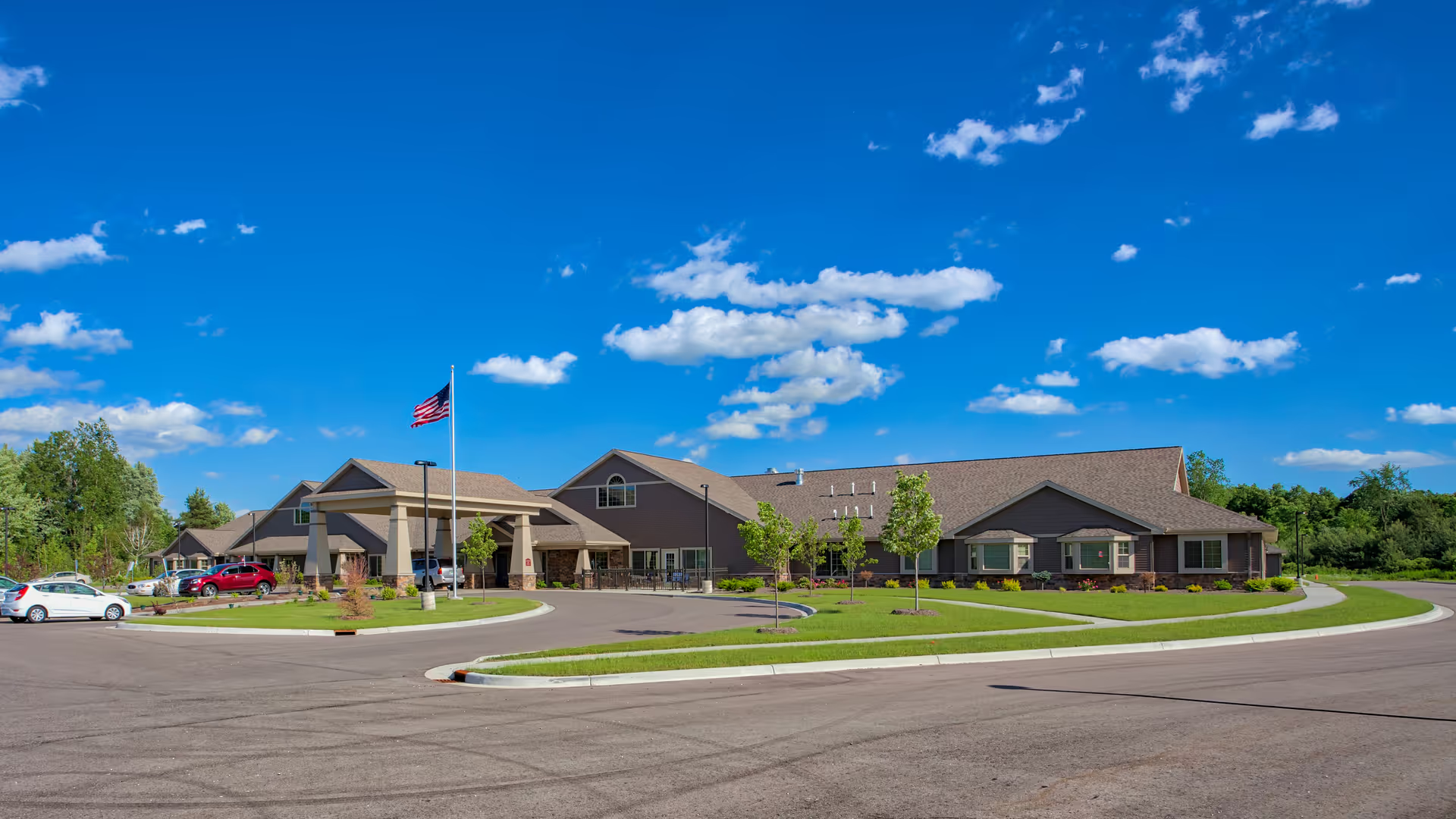
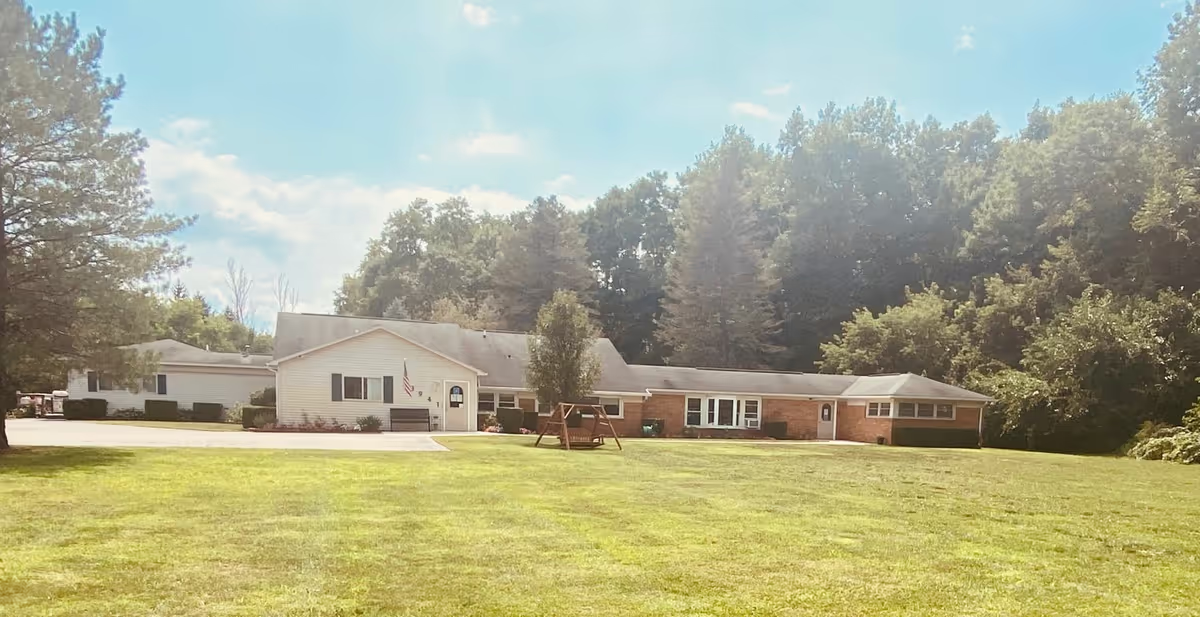
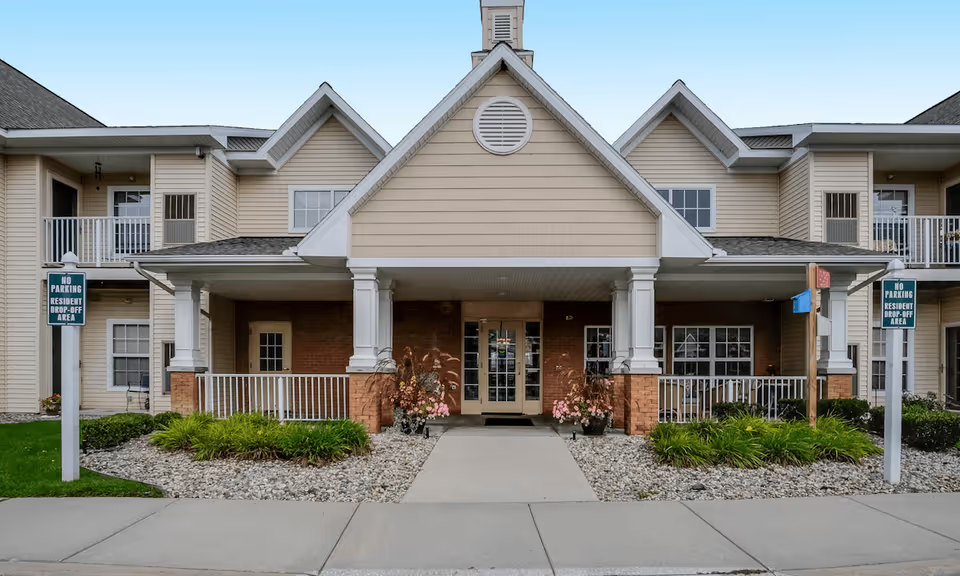
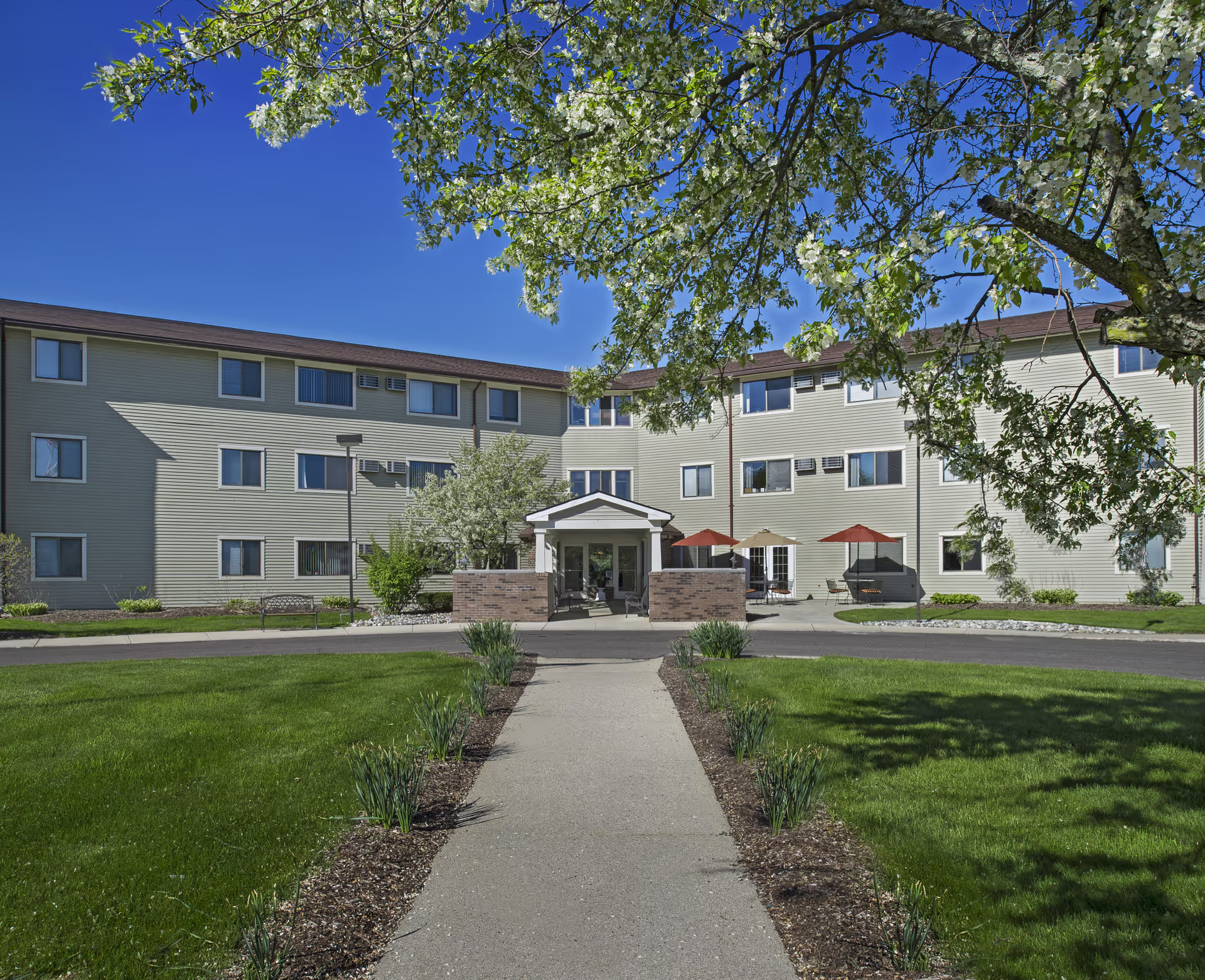
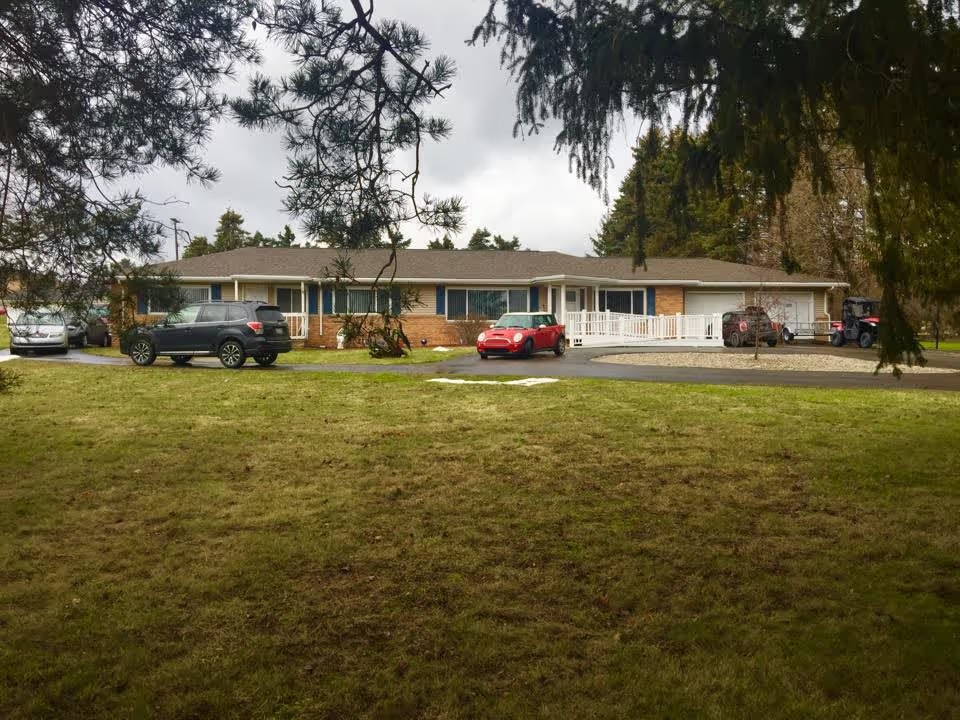
Facilities and amenities: Room layouts are commonly cited as an advantage: apartment-style studios or suites with built-in bathrooms, microwaves, and small refrigerators, plus on-site amenities such as a hairdresser and shuttle service. Outdoor areas and inviting common spaces are also mentioned. However, multiple reviews raise infrastructure and maintenance concerns that appear to be systemic rather than isolated: water intrusion and drainage problems, intermittent flooding of hallways and dining areas, HVAC outages in extreme weather, and limited laundry capacity. There are mixed statements on cleanliness — many note clean common areas and rooms, while others describe sanitation and odor-control concerns in specific areas. Visitors should inspect units, inquire about maintenance response times, and ask for documentation of recent repairs and pest-control/cleaning protocols.
Management, billing, and operations: Several reviewers described uneven management stability associated with ownership and leadership changes; others reported positive changes after new leadership arrived. Financial transparency emerged as a common operational concern — families cited opaque billing, unexplained charges, and substantial rate increases. Those considering the community should request a detailed fee schedule and written notice policies for rate changes. Communication patterns were praised in some cases (proactive COVID updates, good intake support), but inconsistent communication during clinical incidents and questions about medication management and consent processes were cited in other accounts. There are also serious individual allegations — for example, concerns about medication administration and personal-care lapses — which warrant direct inquiry with management and review of state inspection records.
Notable patterns and guidance: Overall, Americana Seniors offers many of the attributes that families seek in a small, community-oriented assisted living — engaged staff, activities, apartment-style living, and on-site conveniences. The trade-offs reported relate primarily to building infrastructure, operational reliability, clinical staffing consistency, and pricing transparency. Prospective residents and families should (1) verify current staffing and nurse-coverage arrangements, (2) tour multiple unit types and communal areas to assess cleanliness and maintenance, (3) sample meals and review activity schedules, (4) ask for an itemized fee schedule and recent rate-change history, and (5) review state inspection reports and any corrective-action documentation related to environmental or clinical issues. These steps will help determine whether the facility’s strong interpersonal culture aligns with the level of clinical and operational reliability required for an individual’s needs.