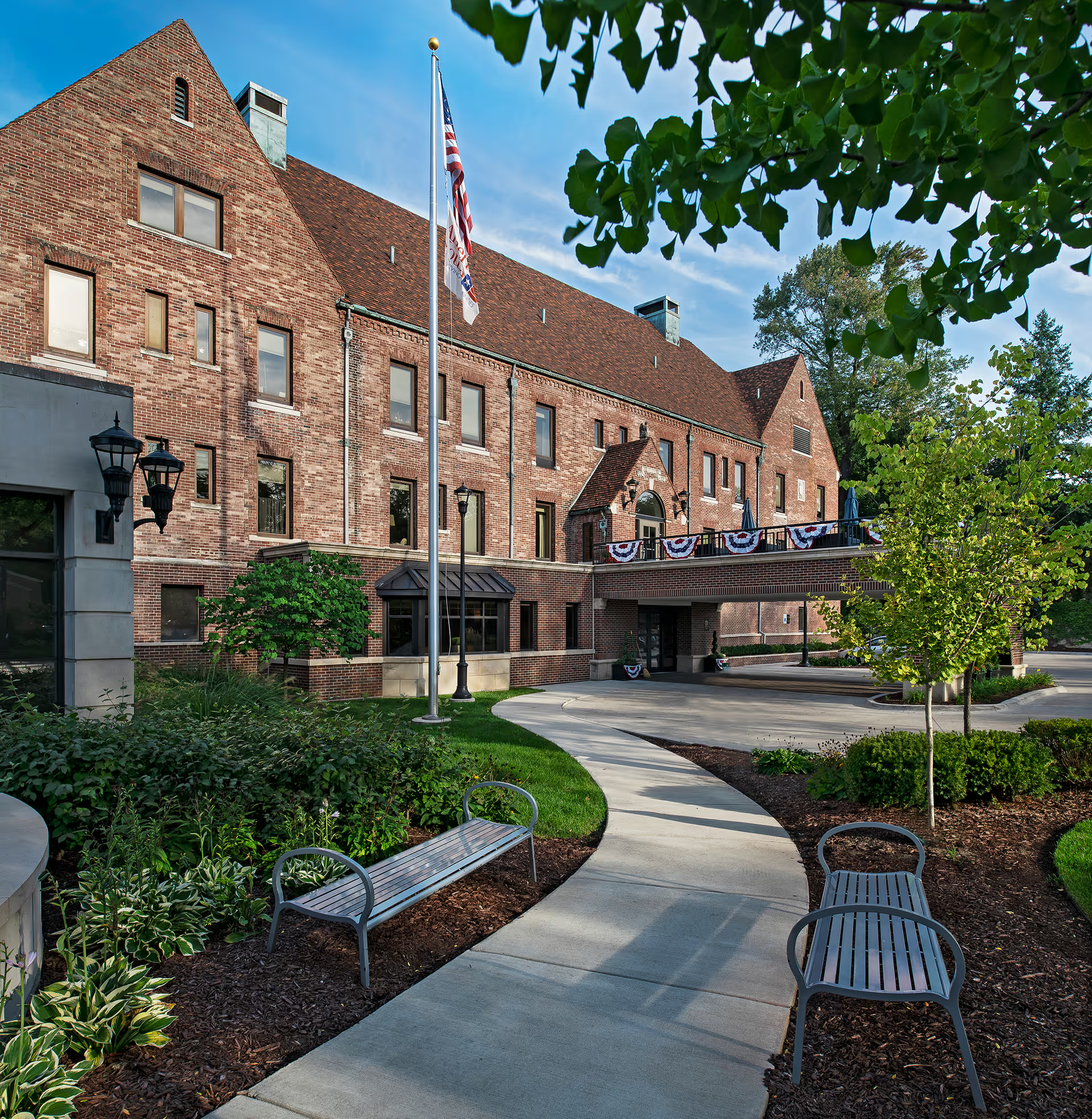
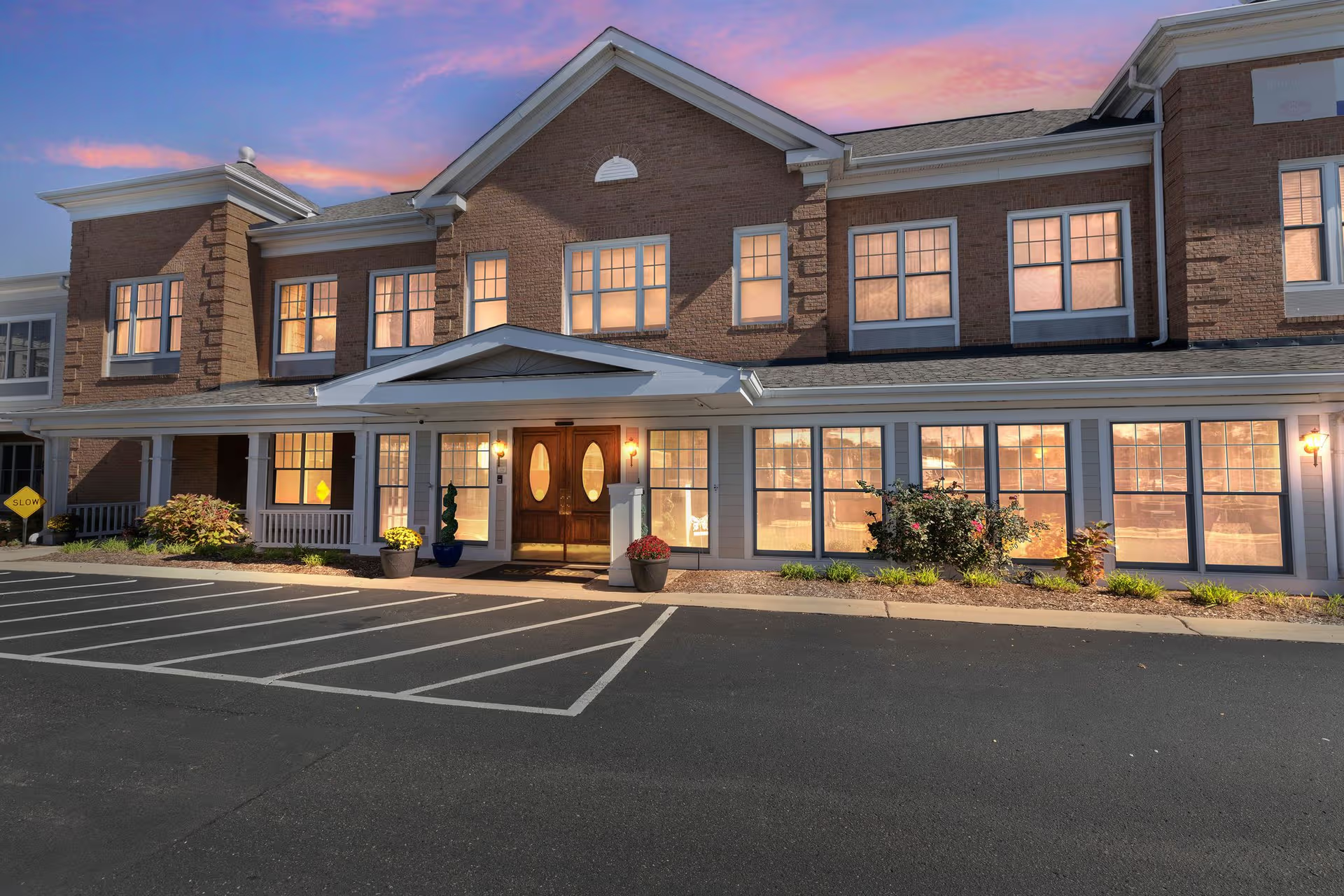
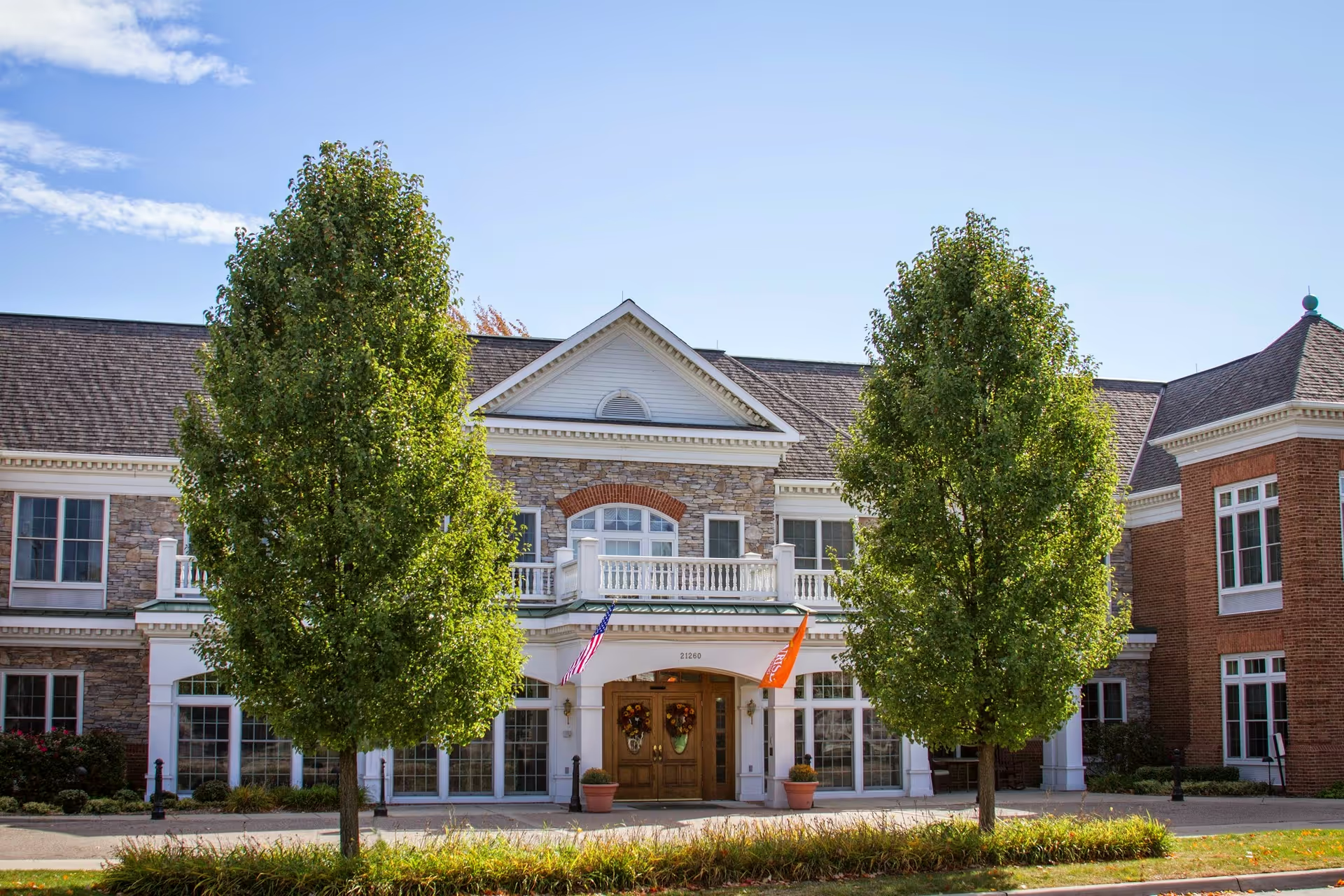
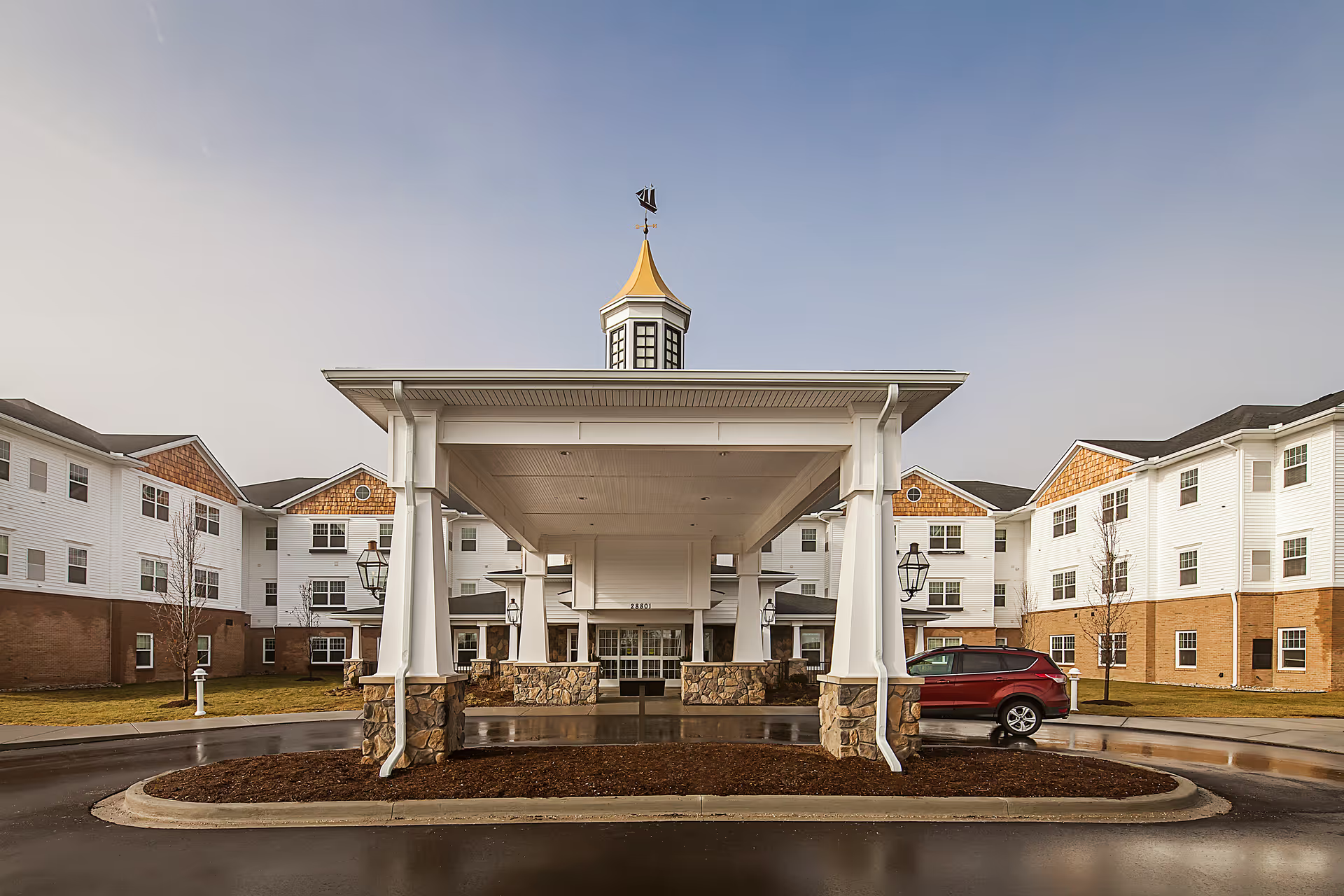
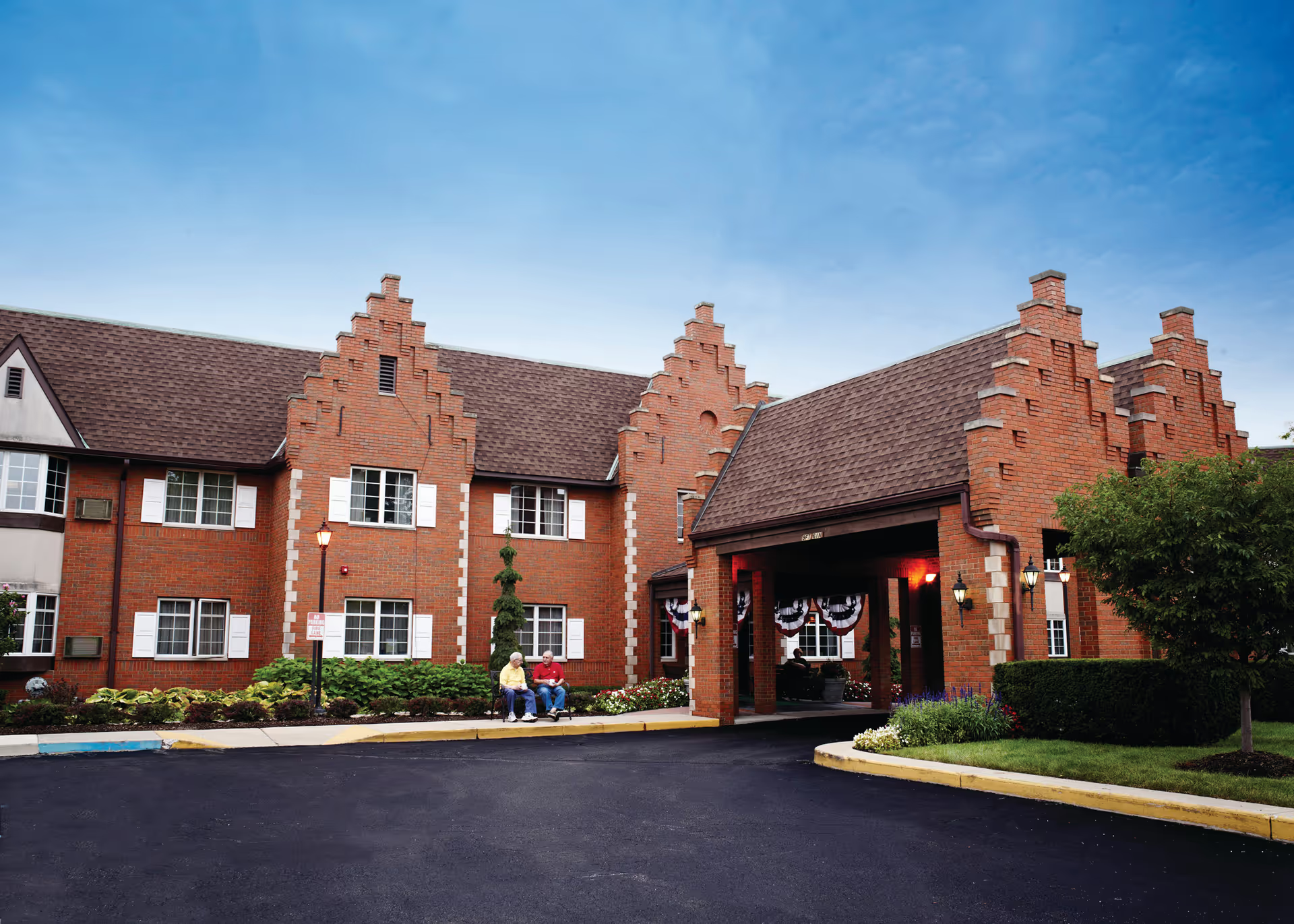
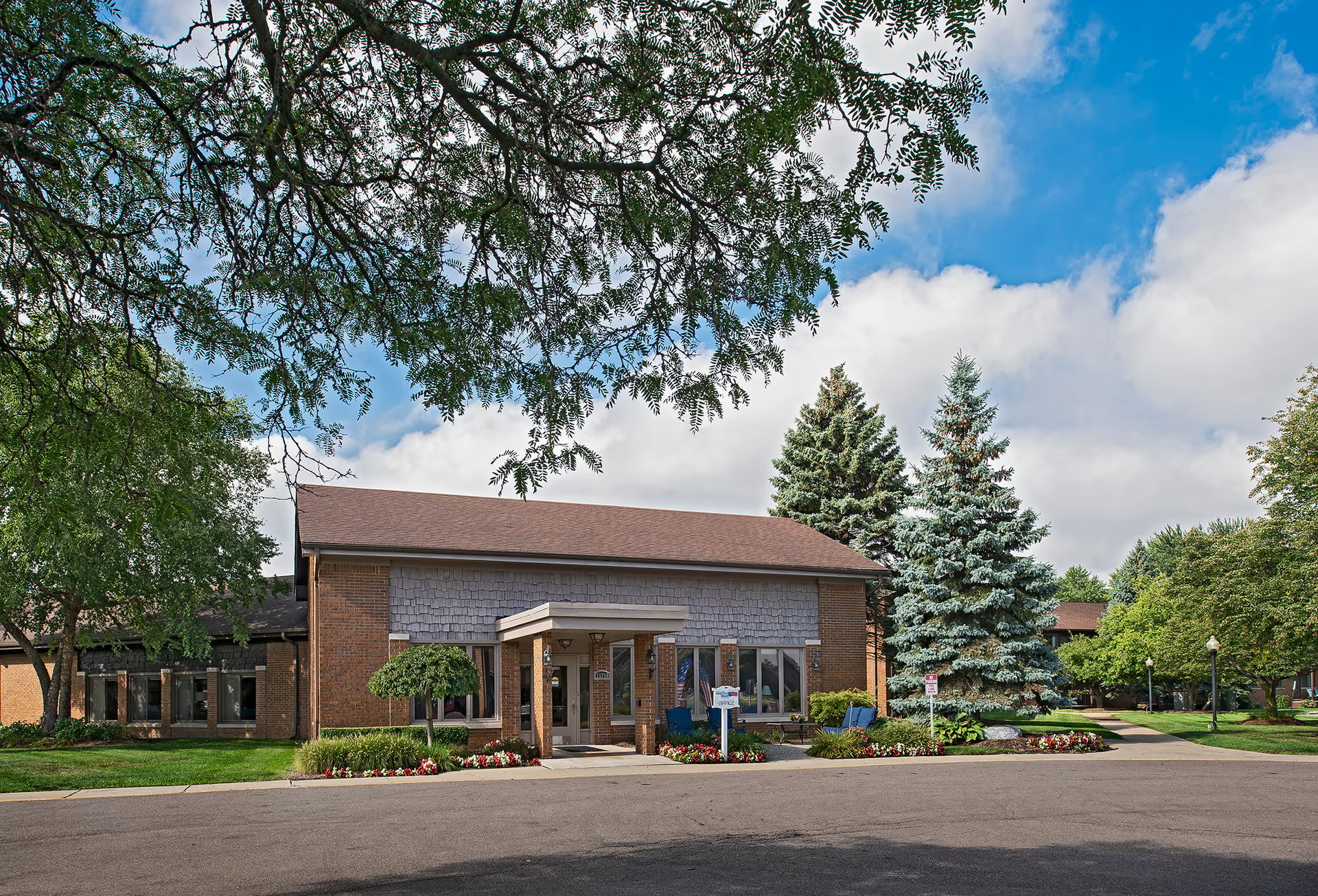
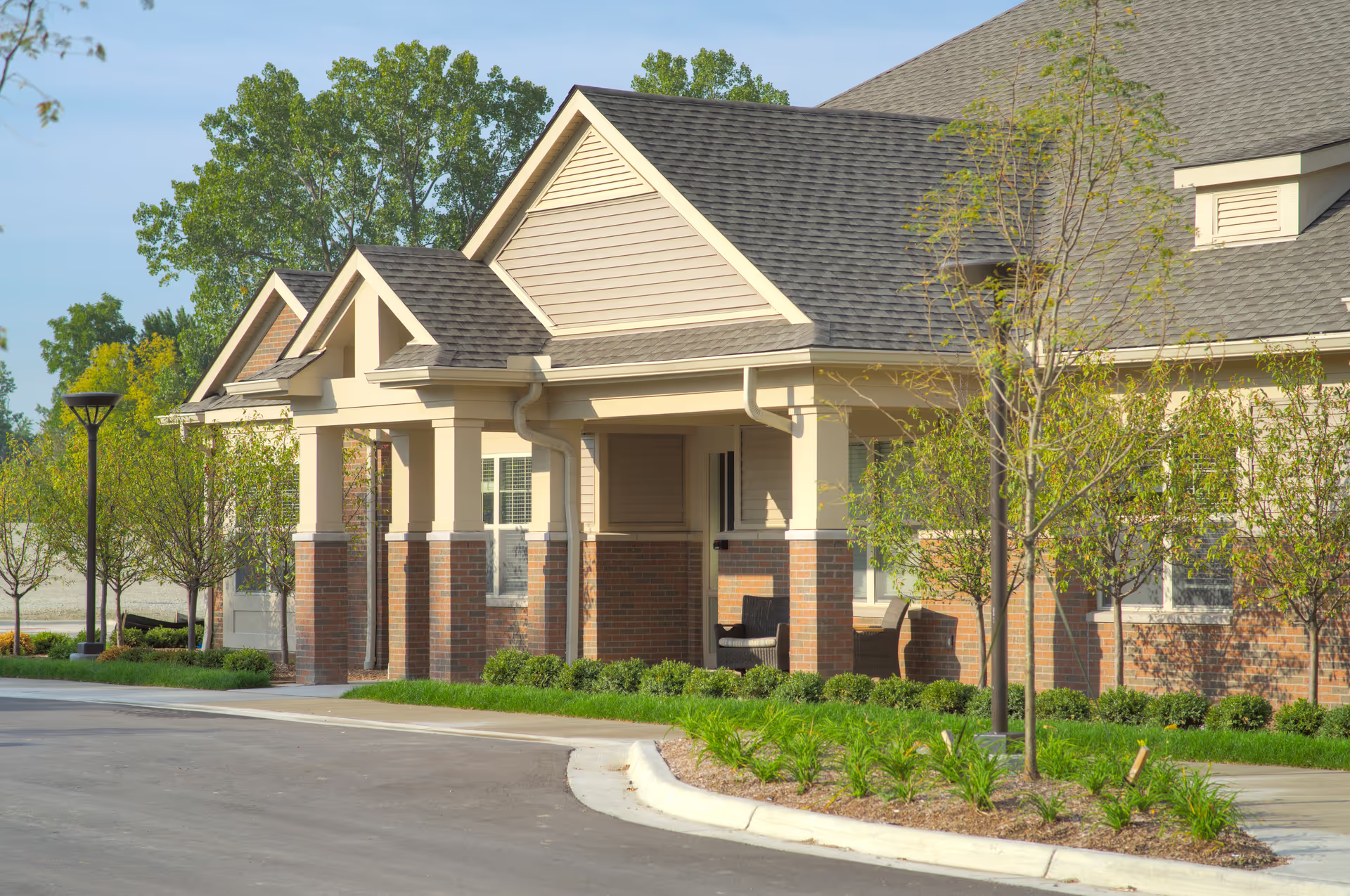
Riverview Health & Rehab North presents a mixed profile of clear clinical strengths and notable operational weaknesses. Its rehabilitation services are a recurring strength: reviewers consistently describe knowledgeable physical and occupational therapists and measurable functional gains for residents participating in therapy programs. Many families also praise attentive nursing assistants and front-line caregivers who provide compassionate day-to-day support. The facility’s public spaces—particularly the dining room and communal areas—are frequently described as clean and updated, and the secured grounds and active security presence are viewed as positive for resident safety and neighborhood access.
At the same time, there are repeated operational concerns that prospective families should evaluate. Several reviewers described delayed medication administration and inconsistent pain-management practices, along with slow responses to call lights and resident requests; these issues create potential risks for resident comfort and safety. Related clinical-process gaps include inconsistent incontinence-care procedures and occurrences suggesting weaknesses in pressure-injury prevention and wound management. There are also accounts of transfers to emergency care following acute events, which reviewers linked to lapses in monitoring or escalation.
Staff performance appears uneven. While many families reported courteous, engaged, and helpful staff—along with robust activity programming, field trips, and social engagement—other accounts describe poor bedside manner, limited responsiveness, and concerns about physical handling practices. Management and administrative accessibility emerged as a separate pattern: reviewers cite difficulty reaching leadership (including the director of nursing and administration), unclear discharge timing, and inconsistent follow-up on family concerns. Financial and accountability issues are also present in the feedback, including billing disputes and at least one serious allegation of staff-related theft; these items point to the need for clear financial and property-protection policies.
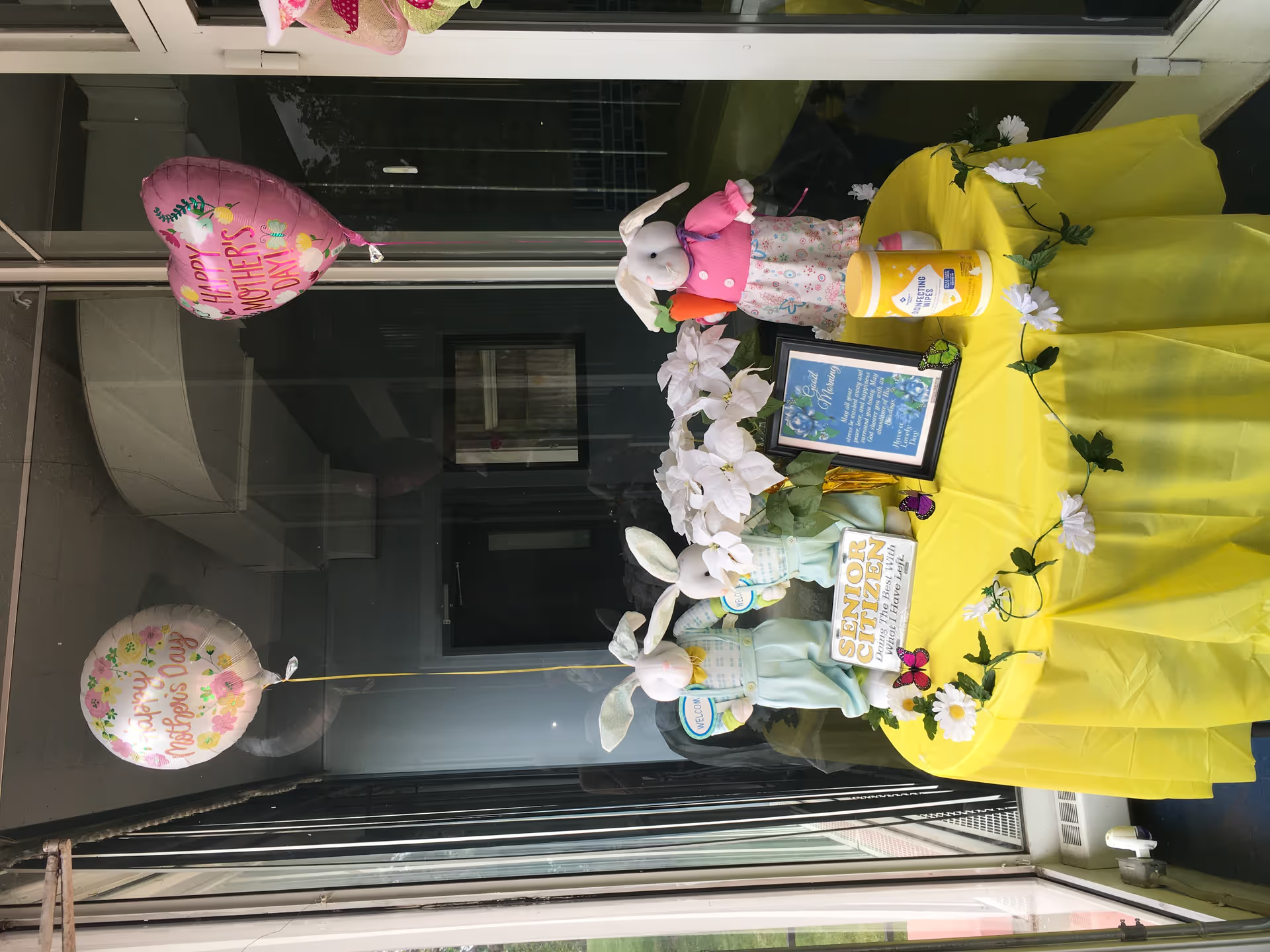
Dining, activities, and facilities offer positive value for many residents. The community runs an active calendar of entertainment and outings, and some reviewers highlighted good food and a pleasant dining environment. Conversely, others described inconsistent meal quality and occasional cold or unappealing service. Facility condition is generally acceptable in public areas, but some private rooms and bathrooms were described as outdated or inconsistently maintained.
Overall, the pattern of feedback is polarized: there are documented strengths in rehabilitation, front-line caregiving, security, and programming, balanced against recurring operational issues around clinical responsiveness, hygiene and wound prevention processes, administrative accessibility, and financial/accountability controls. Families considering this facility should observe staffing levels during a tour, ask for written policies on medication timing, call-response metrics, wound prevention, and property/billing safeguards, and request examples of recent quality-improvement actions taken by leadership.