Overall impression: The facility receives a mix of strong positive feedback and serious operational concerns. Many families and visitors praise the compassion and attentiveness of nurses, CNAs, and therapy staff, and highlight effective rehabilitation programs, an active therapy gym, onsite dialysis, robust wound-care support, and a wide-ranging activities program that includes live music, outings, and volunteer engagement. Long-tenured employees and community partnerships (including relationships with universities and hospice providers) contribute to a family-like atmosphere reported by a number of commenters.
Care quality and clinical services: Clinical services such as physical and restorative therapy, dialysis support, and wound care are frequently described as strengths. Multiple accounts emphasize skilled therapists, effective treatment plans, and daily wound dressing that led to improvement for some residents. At the same time, reviewers describe recurrent concerns about responsiveness to clinical needs — specifically delayed responses to call lights, inconsistent activation or management of oxygen and other treatments, and lapses in monitoring. These operational gaps have led families to question overall reliability during higher-acuity stays, and a minority of accounts describe serious post-incident concerns that families elevated to external authorities.
Staff and professionalism: The staff profile is mixed. A substantial portion of feedback highlights compassionate, patient, and helpful employees who go above and beyond, with specific staff routinely singled out for exemplary care and emotional support. Conversely, other reports point to inconsistent professionalism, training gaps, and conduct issues among some employees. Staffing shortages and workload pressures are cited as contributors to delayed care, missed meal service, and the need for increased family oversight during certain stays.
Dining and activities: The facility’s activities program is a strong recurring positive: frequent social events, themed parties, pet visits, live musicians, and scheduled outings are noted as important quality-of-life contributors. Dining impressions are mixed; several reviewers praise home-style meals and dietary staff effort, while others describe inconsistent meal quality and preferences that may not be met reliably.
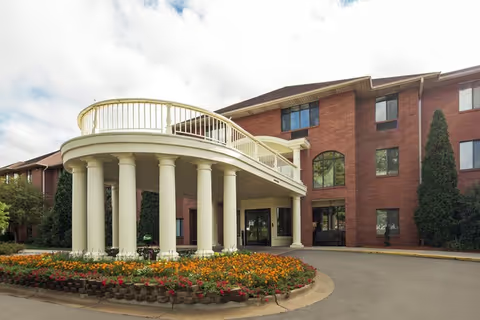
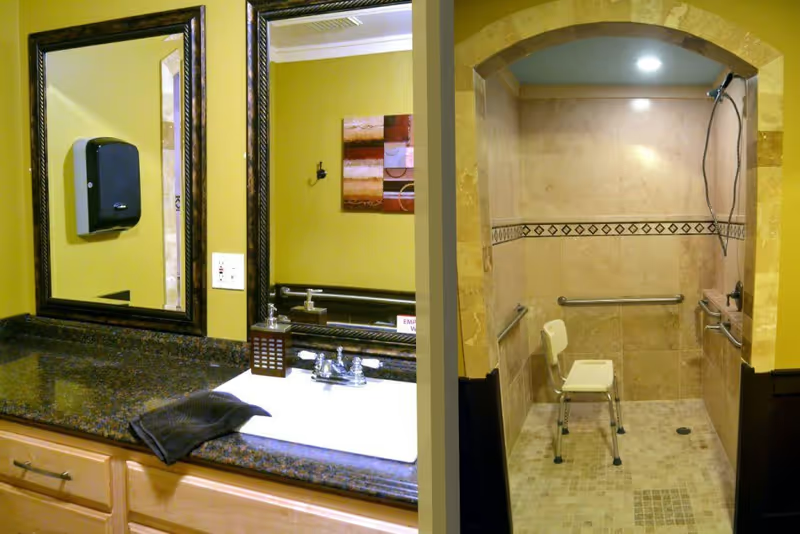
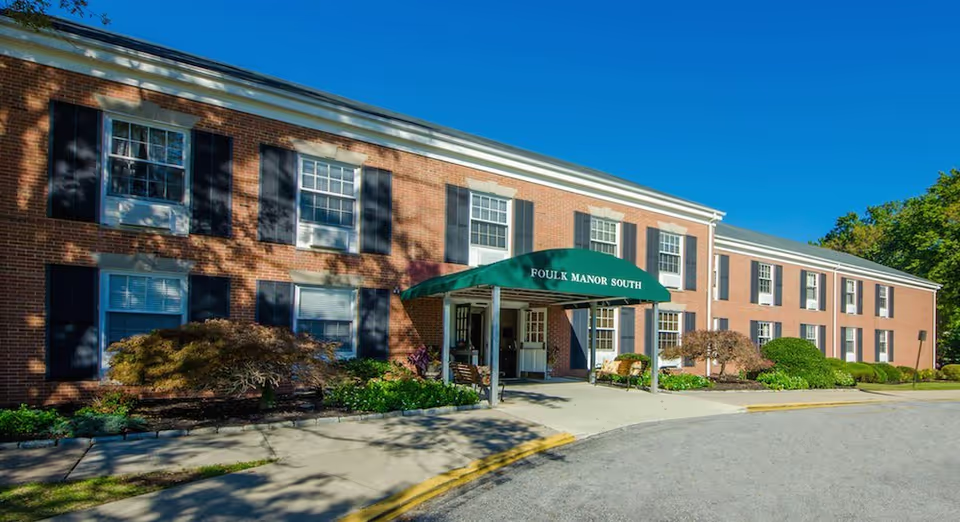
Facilities, maintenance, and hospitality services: Reviewers acknowledge on-site conveniences such as a beauty shop and facility transportation. Positive comments reference clean, tidy resident rooms and attentive housekeeping in many cases, while other feedback raises sanitation and odor concerns in certain areas, laundry mismanagement, and aging infrastructure issues (maintenance delays, worn fixtures, and parking/driveway safety). These inconsistencies suggest that housekeeping and facilities performance may vary by unit or time period.
Management, communication, and transitions of care: Communication and administrative responsiveness are prominent areas of concern. Families describe delays or failures in returning calls, inconsistent coordination around discharges and belongings, and problems with phone-system reliability. Several accounts mention problematic discharge planning or timing and difficulties coordinating benefits or transfers. Conversely, social-work involvement and certain staff members have been praised for helpful discharge support and advocacy.
Notable patterns and guidance for families: The facility offers many programmatic strengths—rehabilitation services, active engagement programs, and compassionate clinicians—making it a reasonable option for residents who need therapy-oriented care and social programming. However, recurring themes around inconsistent responsiveness, staffing pressures, communication breakdowns, and occasional lapses in treatment or monitoring indicate areas to probe during a tour or placement discussion. Prospective residents and families should ask about current staffing ratios, nurse-call system functionality, protocols for oxygen and dialysis management, laundry and personal-belongings procedures, discharge planning processes, and recent corrective actions taken for sanitation and maintenance issues. Reviewing recent inspection results and speaking directly with social-work staff and therapists can help clarify whether operational improvements are sustained.