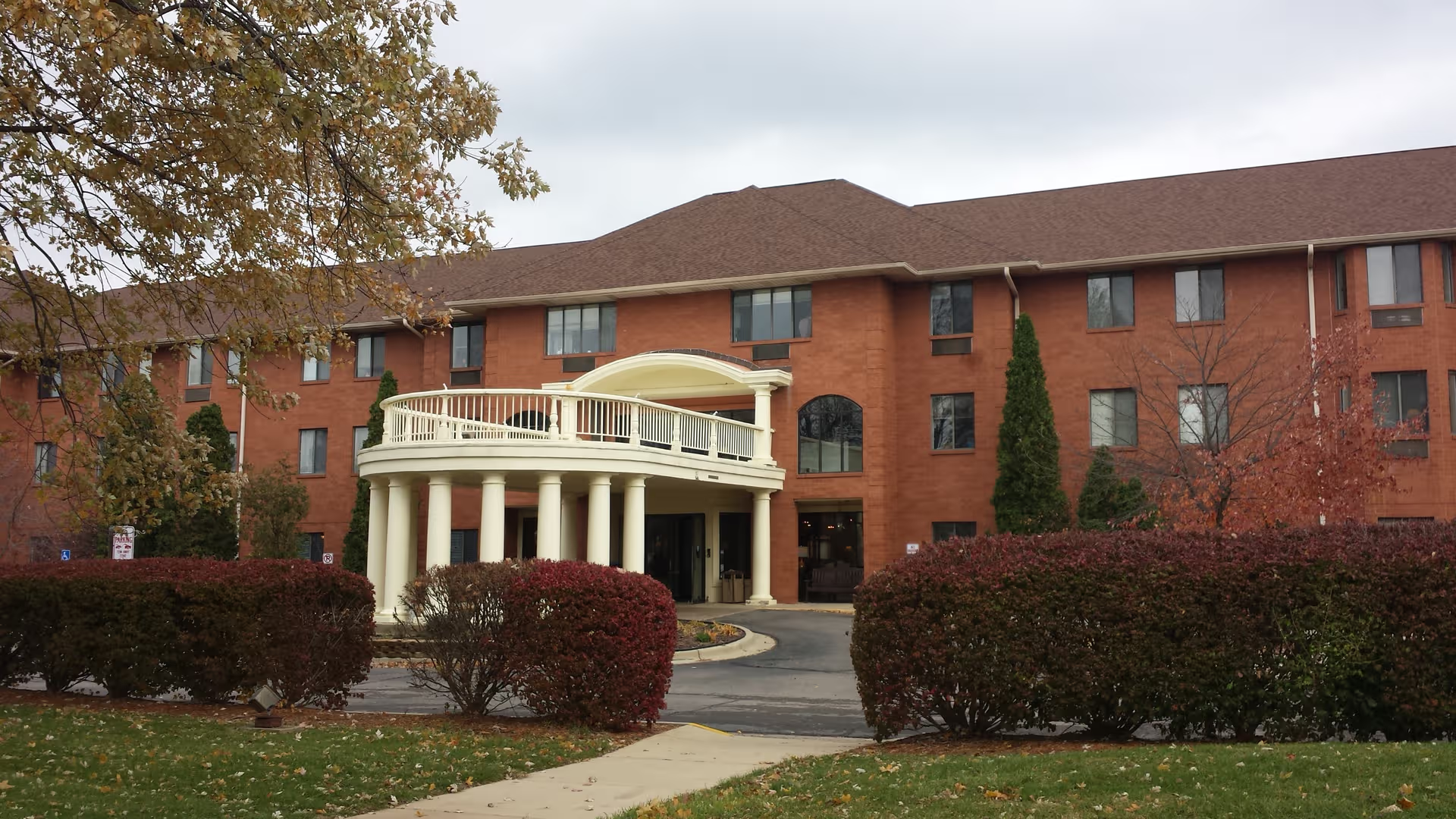
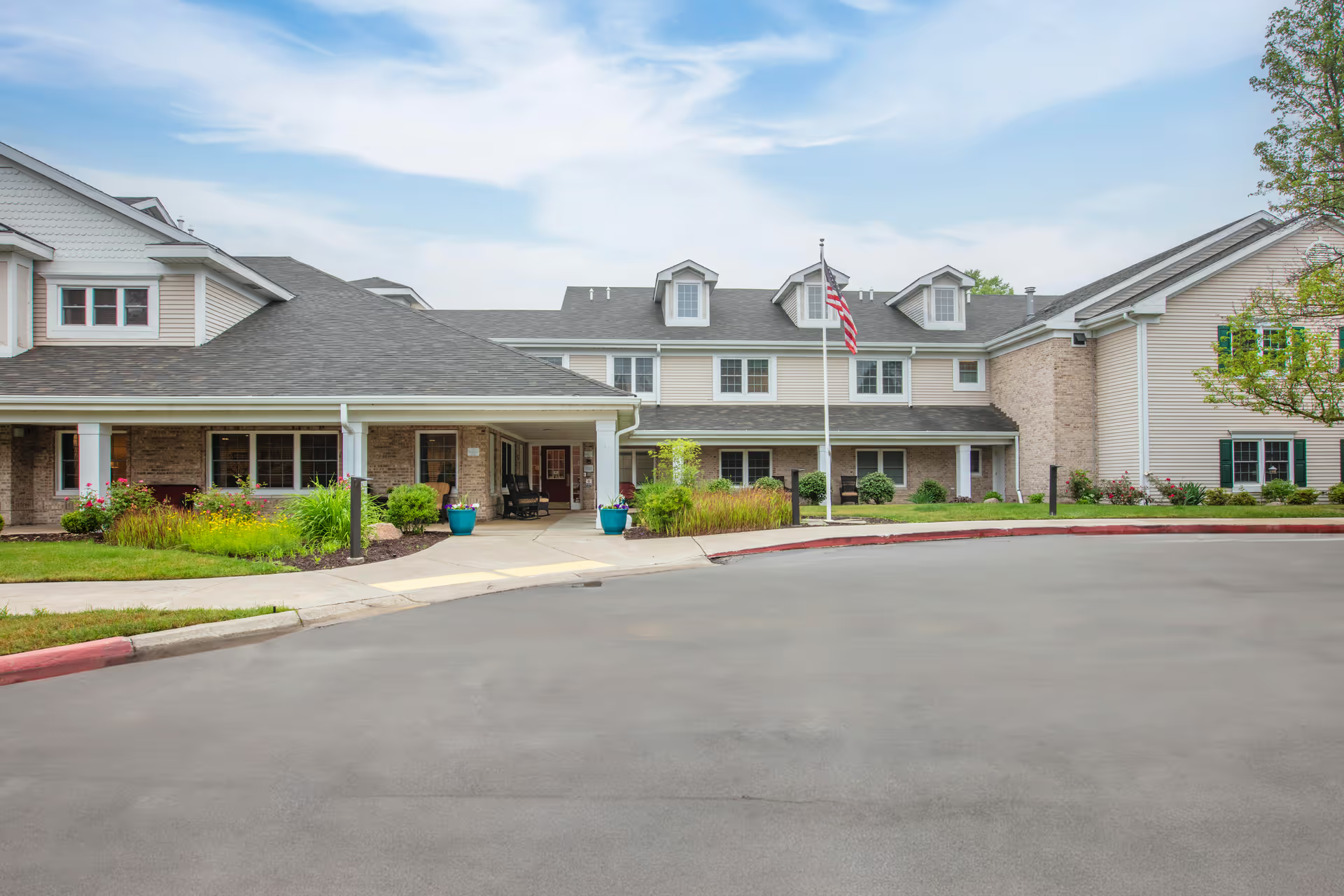
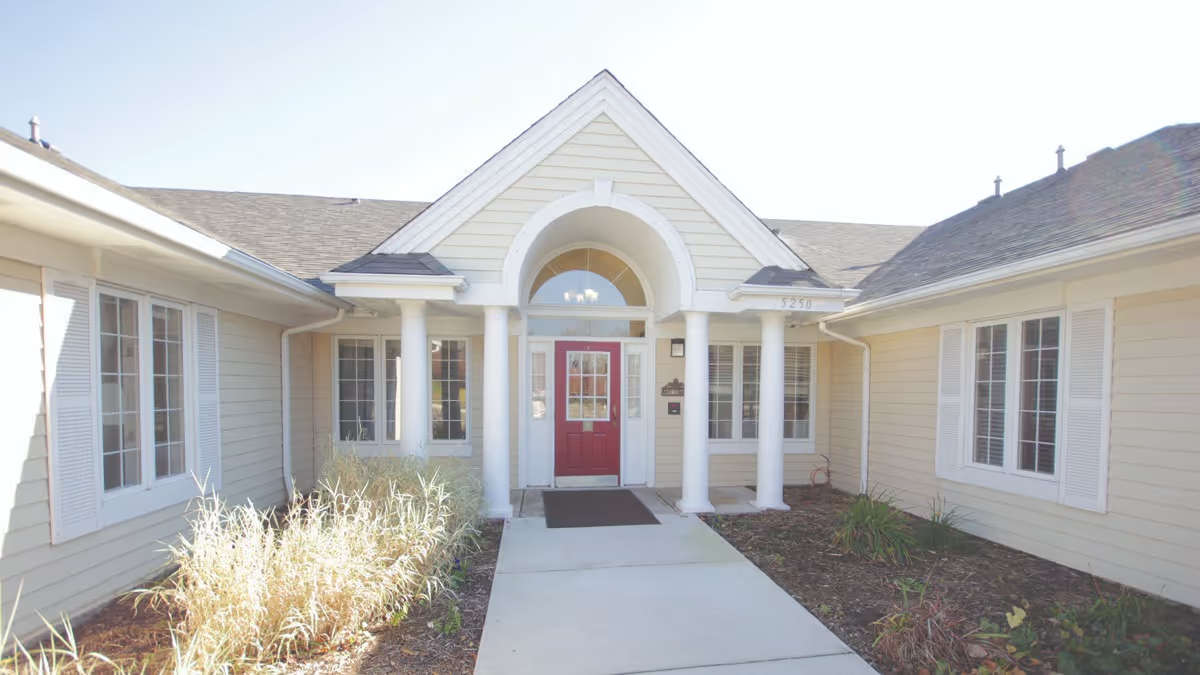
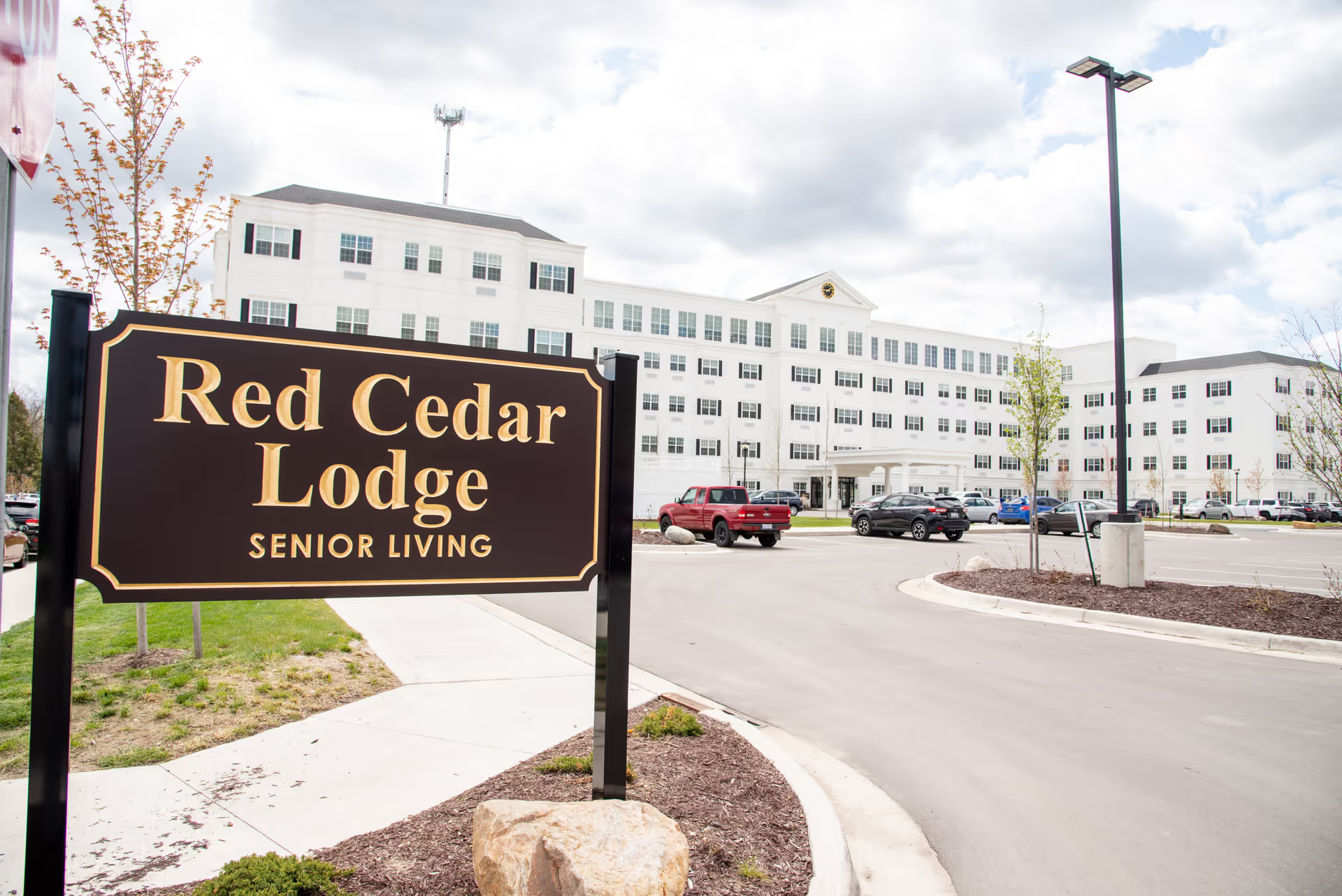
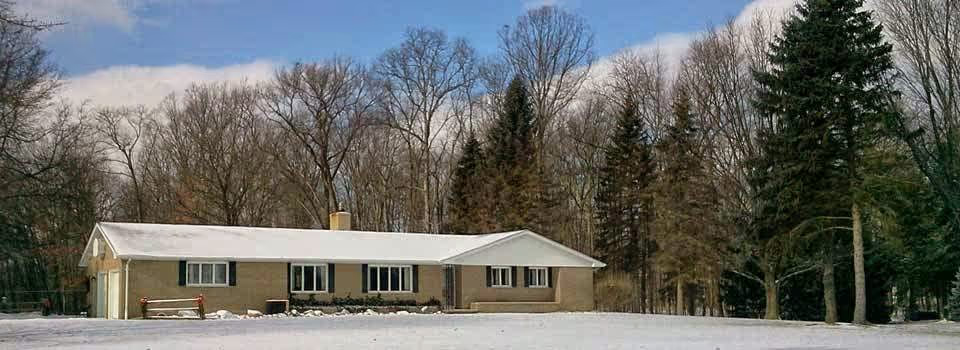
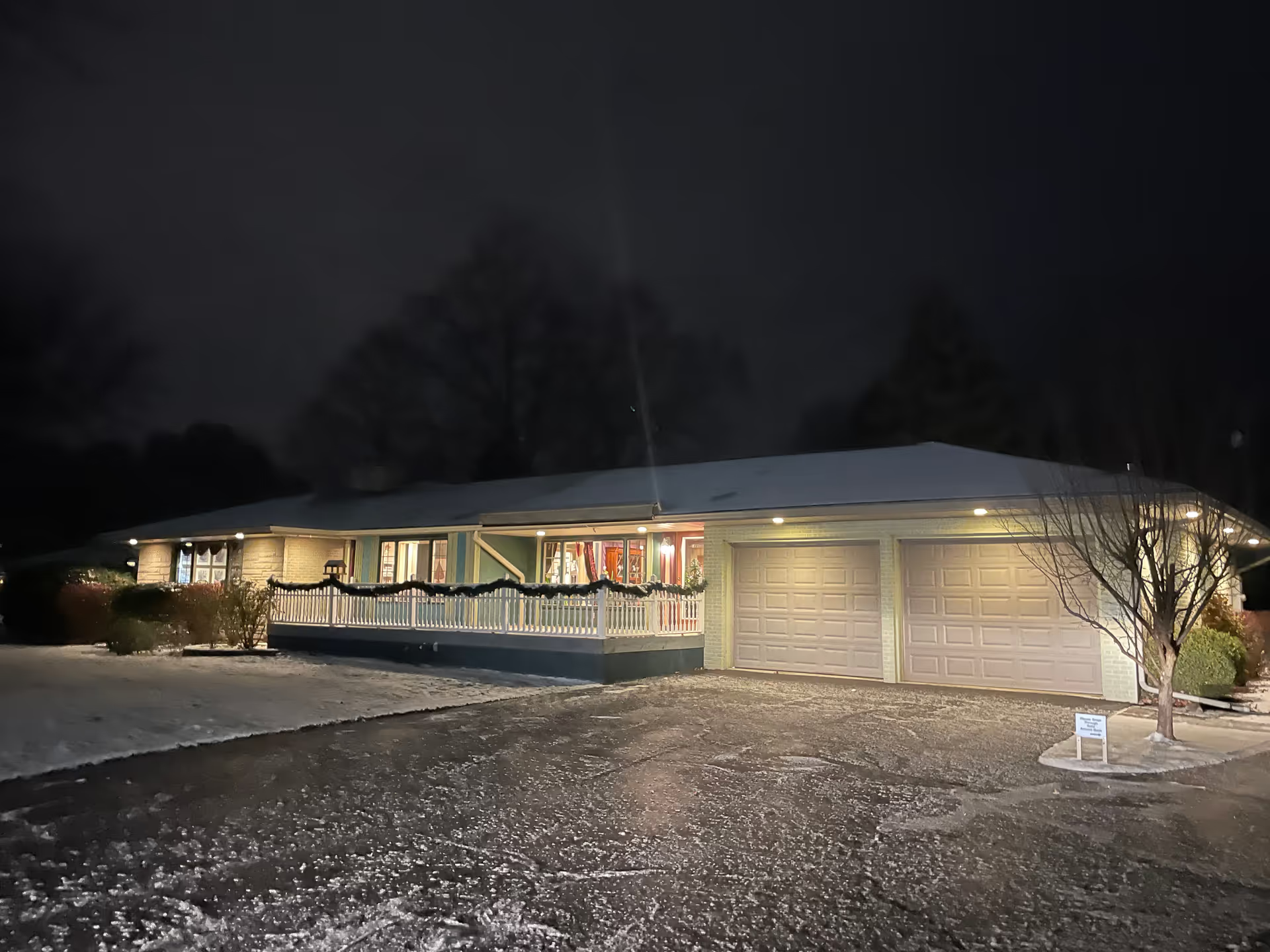
Vista Springs Timber Ridge Village receives frequent praise for its compassionate, person-centered approach and a clean, modern physical environment. Many reviewers note skilled nursing and engaged caregiving staff who emphasize dignity and individualized attention. The community's small, household-style wings and one-level, accessible design contribute to a family-like atmosphere; common areas are described as homey and inviting, and grounds are well maintained with a wooded, serene setting and a fenced outdoor area. Several accounts highlight on-site clinical presence, continuum-of-care options, and a responsive admissions experience.
Dining and amenities are consistently cited as strengths. The culinary program draws repeated compliments for quality, variety, and the ability to accommodate dietary needs; reviewers also mention a salon/barber, spa services, and social meal options that allow families to join residents. Activities programming includes music visits, holiday celebrations, exercise classes, and routine social events that foster resident engagement. At the same time, there are recurring comments that activity offerings can be limited in variety or skewed toward older interests, and some residents would like a broader mix of programming.
Operationally, the community shows mixed signals. Positive accounts describe a low staff-to-resident ratio, long-tenured caregivers, and management that is welcoming and responsive. However, multiple reviewers report inconsistent staffing levels and turnover that have produced variability in day-to-day care continuity—an issue particularly notable for residents with dementia or higher care needs. Related concerns include uneven performance from parts of the wellness/therapy team and gaps in clinical oversight or incident-response processes; these items have produced family frustration around communication and follow-up. There are also mentions that the community is not ideal for very high-acuity residents and that transfers to higher levels of care may be necessary for complex needs.
Facility-level trade-offs to consider are cost and location. The community is often characterized as higher-end and correspondingly more expensive than some alternatives; some families find relocation disruptive given distance and limited cost savings. A few practical issues appear in multiple comments: some apartments are noted as darker or less well lit, and activity spaces (chairs, TV areas) were criticized by a subset of residents. Finally, a small but salient cluster of serious allegations regarding safety and supervision has been raised; while these accounts are not presented as the prevailing narrative, they have affected trust for some families and suggest the importance of reviewing recent inspection records, turnover metrics, and incident-response policies during a tour.
Overall, Timber Ridge Village presents a strong hospitality model with notable strengths in dining, environment, and compassionate frontline caregiving. Prospective residents and families should weigh those strengths against reported variability in staffing, management communication, and clinical oversight—especially if higher-acuity care or consistent dementia-specific staffing is anticipated. A recommended due-diligence approach is to ask the community for staffing ratios by unit, recent incident-response protocols, examples of activity calendars for different interest cohorts, and documentation of clinical oversight and regulatory history during the decision process.