Overall impression: Brookdale Farmington Hills North presents a mixed pattern of strengths and operational weaknesses. Many families highlight compassionate, engaged caregivers and accessible leadership, as well as a clean, well-maintained building with secure, dementia-focused programming. At the same time, reviewers describe recurrent operational concerns—notably inconsistent staffing, variable clinical continuity, and administrative issues—that may affect the day-to-day resident experience. Prospective residents should weigh the strong relational and safety features against the variability in service delivery and cost transparency.
Care and staff: A dominant positive theme is the quality of individual caregiver interactions. Numerous accounts emphasize respectful, attentive, and warm staff who foster a family-like atmosphere and engage residents in one-on-one attention. Leadership is frequently described as accessible and communicative when present, and several families reported smooth admissions and cooperative care-planning. Counterbalancing this, there are repeated descriptions of inconsistent staffing levels, turnover, and periods of reduced responsiveness (including slow response to calls and gaps in bathing or shower schedules). Reviewers also raised concerns about medication handling and documentation in specific instances; these point to variability in clinical processes rather than uniform clinical failure. Memory-care programming and safety measures (secured doors, dementia-focused activities) are consistently noted as strengths.
Dining and activities: Activity programming and entertainment are cited as important strengths pre-pandemic, with regular live music, games, parties, and encouragement to participate. Families and residents frequently praised staff who facilitate engagement and volunteer-led offerings (including pet visits). COVID-era restrictions and staffing fluctuations were commonly blamed for temporary reductions in activity availability. Dining impressions are mixed: some reviewers praised dining rooms and accommodated diets such as gluten-free needs, while others experienced inconsistent meal quality, perceived cafeteria-style food on occasion, and unreliable assistance at mealtimes. Prospective families should confirm current meal-service practices and specific dietary accommodations.
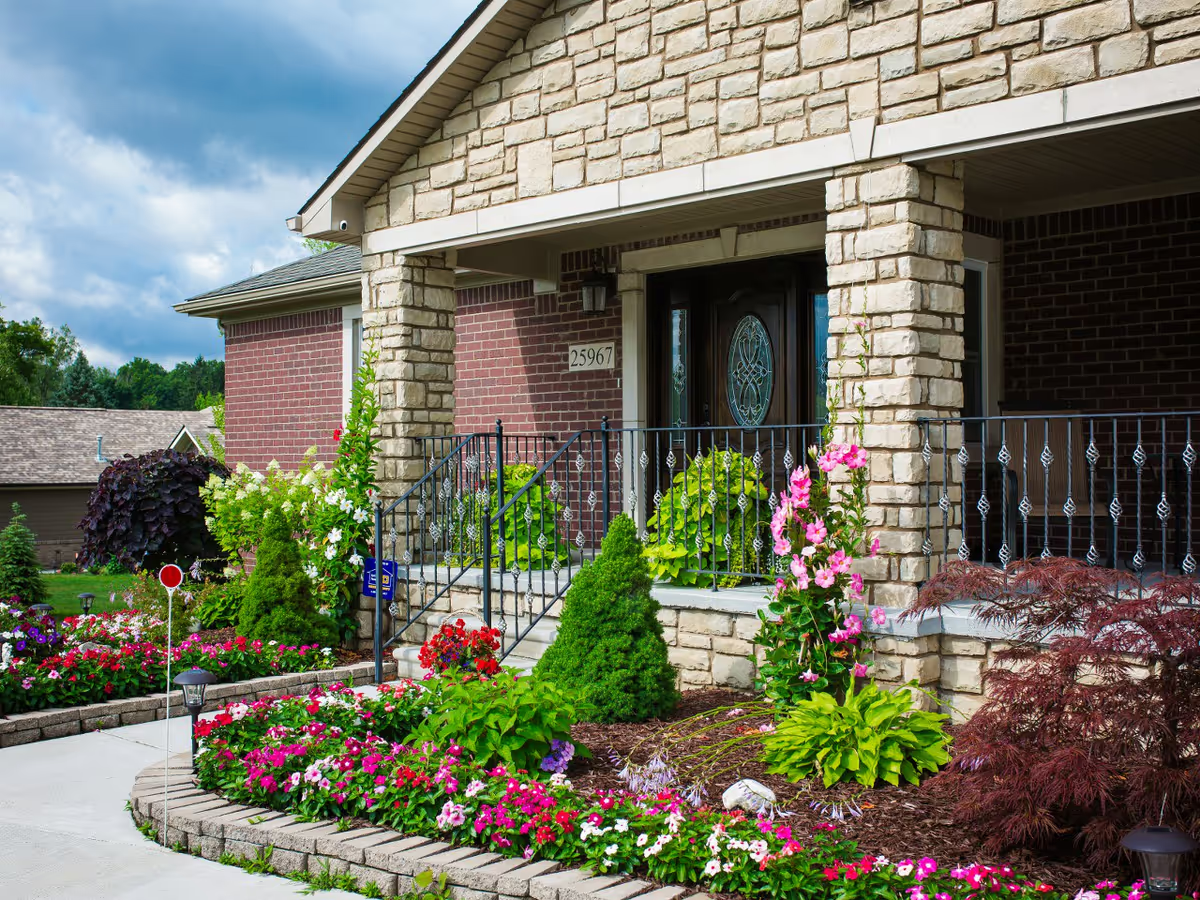
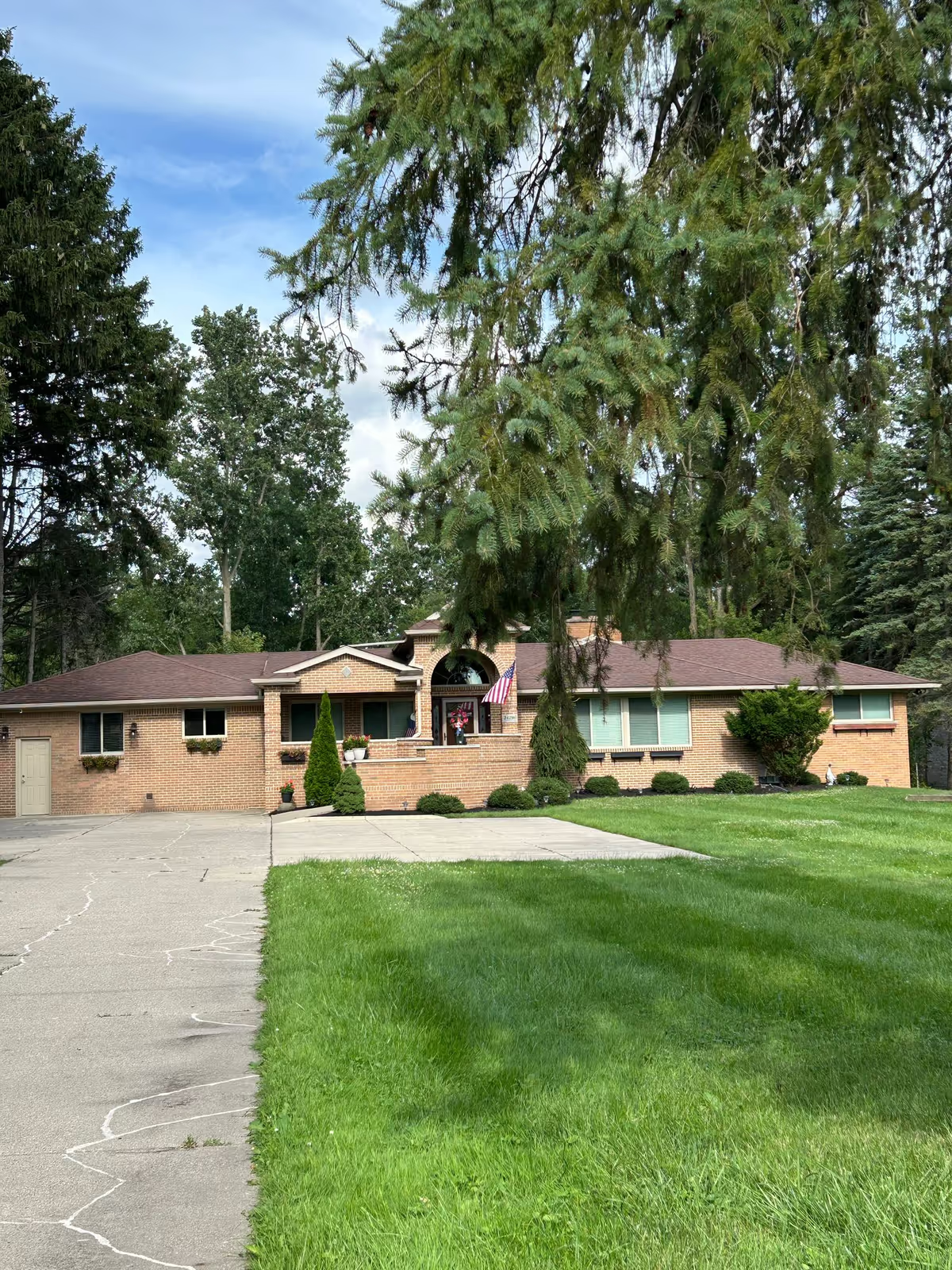
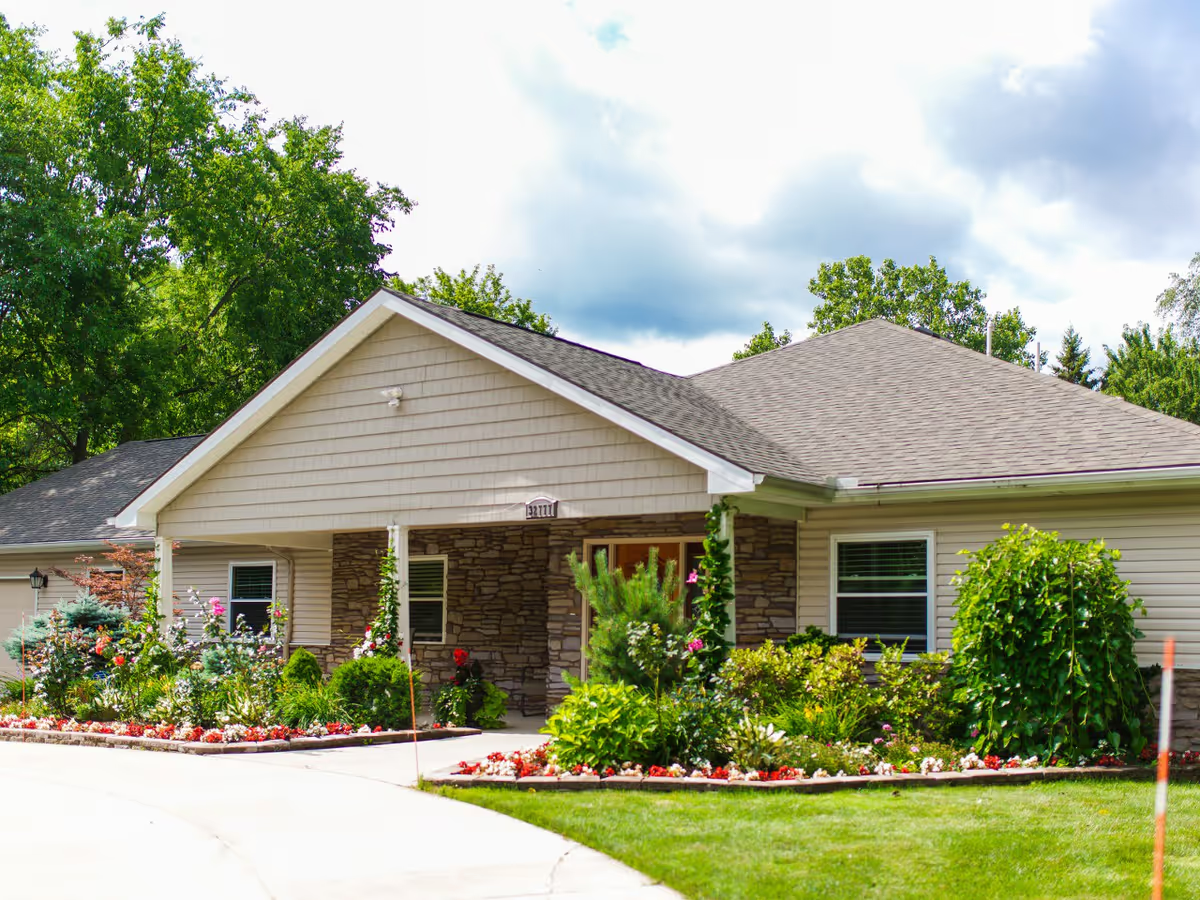
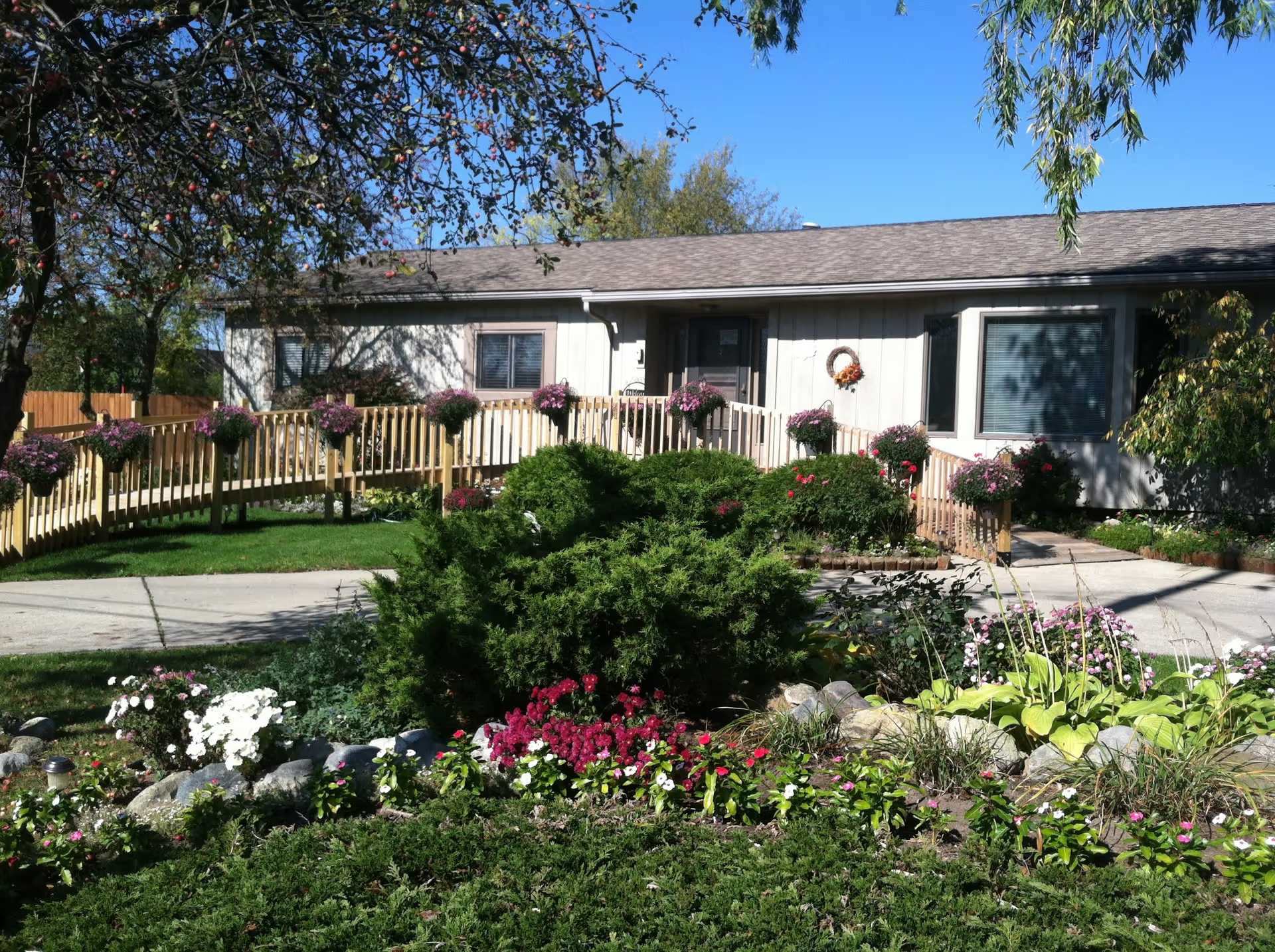
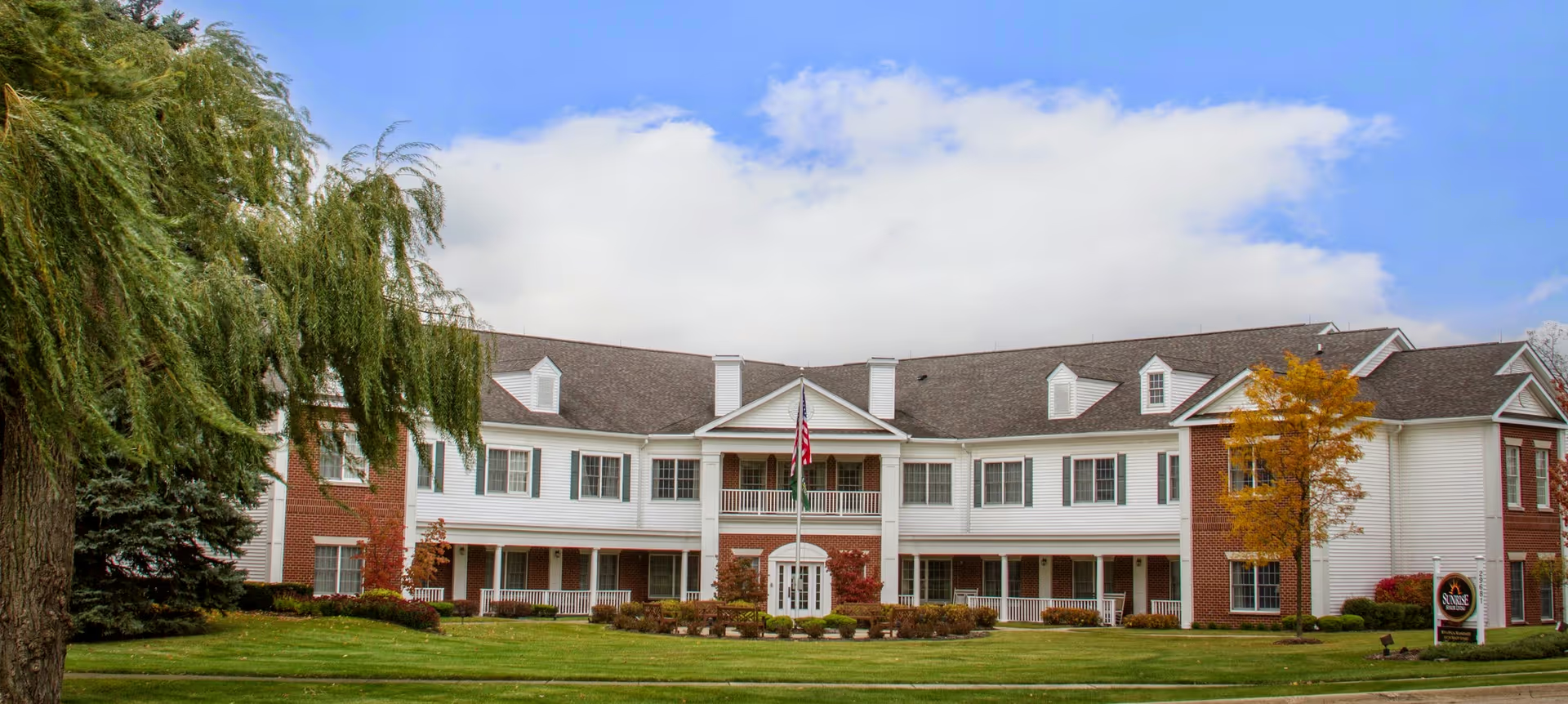
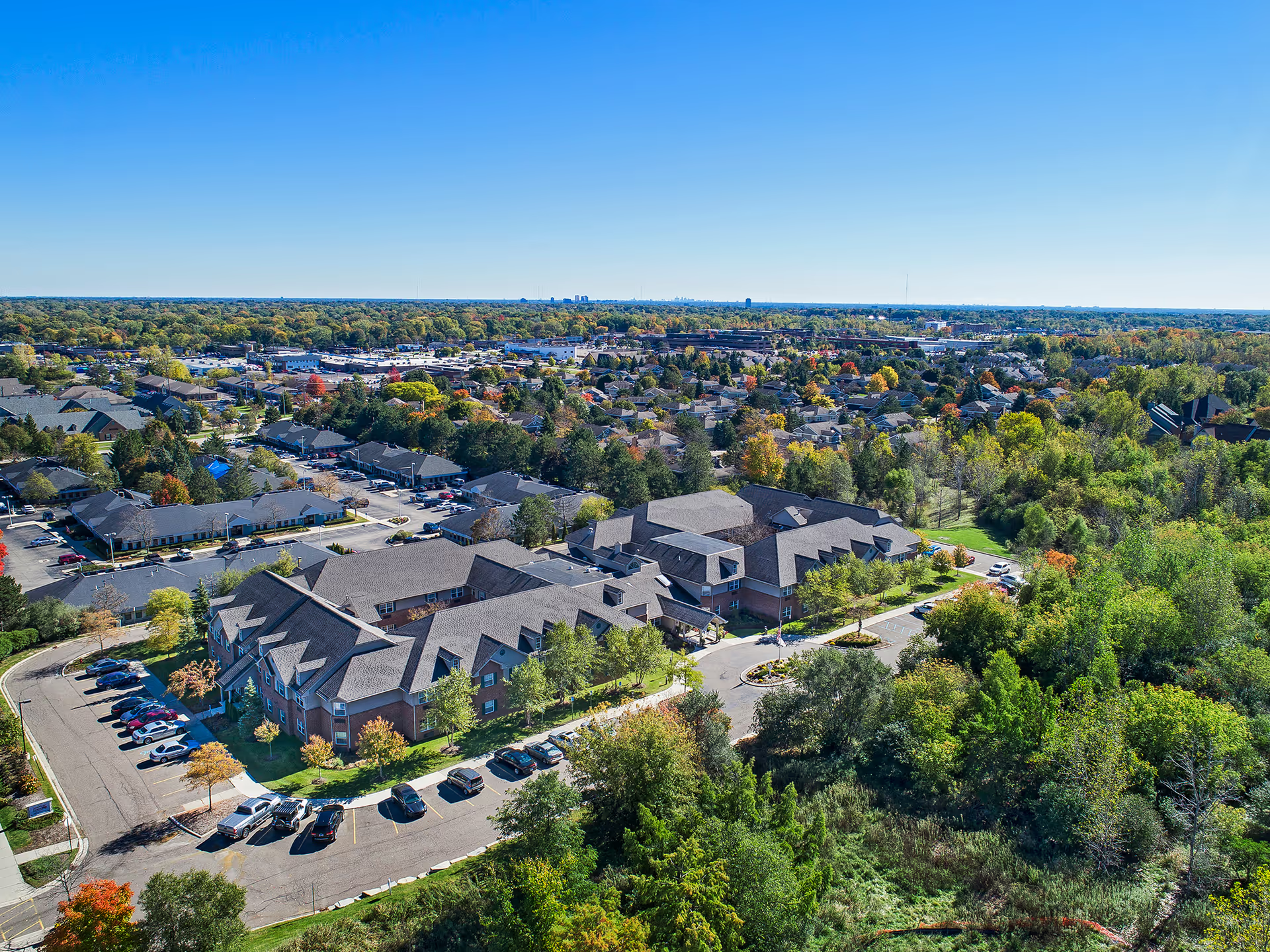
Facilities and amenities: The campus receives frequent positive comments for cleanliness, seasonal decorations, and several attractive features (indoor courtyard, library, common areas, corner apartments with larger bathrooms). Some units and buildings are described as newer or recently upgraded. Conversely, multiple reviewers noted small or dated rooms in certain sections, community showers in some areas, and limited in-room amenities depending on unit type. The facility size and layout are often described as homey and easy to navigate, which many families appreciated.
Management, operations, and financial issues: Management perceptions are polarized. Many reviewers describe responsive leadership, clear family communication, and organized operations; others report recent management turnover, stressed staff, and instances of poor follow-through. Financial and billing transparency emerged as a recurring operational concern: unexpected charges, add-on fees, and unclear billing practices were reported. Laundry and personal-item handling also showed variability, with complaints about missing or damaged clothing in some cases. A small number of serious allegations (including a civil suit referenced by a reviewer and concerns following a resident's death) were raised; these are individual reports but underscore the importance of verifying clinical oversight, incident-reporting practices, and family communication protocols during a tour.
Bottom line guidance: Brookdale Farmington Hills North may be a strong fit for families prioritizing compassionate caregiving, secure memory-care programming, and a small, community feel. However, prospective residents and their families should proactively validate operational reliability before moving forward: ask about current staffing ratios (including weekend nursing coverage), medication-administration procedures, laundry and personal-item policies, sample menus and dietary accommodation processes, activity schedules post–infection-control periods, and a clear written explanation of fees and billing practices. An on-site tour that includes discussion of recent staffing stability and inspection of the specific apartment unit under consideration will help assess whether the facility’s strengths align with the prospective resident’s needs.