Overall impression: Reviews of Farmington Hills Inn Assisted Living are strongly polarized. Many families and residents describe a warm, home-like environment with engaged staff, active programming, and on-site clinical resources; conversely, a substantive set of reviews raises operational and clinical concerns that are important to evaluate before placement.
Care quality: Clinical experiences vary. Positive comments highlight attentive caregiving, effective medication oversight in some units, and prompt emergency response. However, recurring operational themes include inconsistent medication administration (notably insulin timing and diabetic-diet alignment), limited post-hospital follow-up, and gaps in clinical care planning for residents with complex needs. There are also multiple references to delays in attending to continence and personal-care needs, which translate into sanitation and odor concerns in some areas. Prospective families should verify clinical protocols for diabetes, medication timing, post-discharge follow-up, and incontinence-care scheduling.
Staff: Staff behavior is a central theme. Many reviews praise friendly, compassionate, and familiar caregivers and name specific staff who provide high-quality support. At the same time, there are consistent concerns about understaffing, high turnover, and uneven staff training—especially among CNAs—which appears to affect consistency of care. Several reviews mention reduced supervision in evening and overnight shifts. The pattern suggests pockets of very good individual caregivers coexisting with systemic staffing and training challenges.
Dining and nutrition: The dining program is often cited as a strength—chef-prepared meals, menu choices, and accommodating dining staff receive positive comments. Yet reviewers also describe inconsistent adherence to clinical dietary plans (for example, diets for residents with diabetes) and occasional variability in meal timing that can affect clinical outcomes. Families with specific dietary or glycemic-control needs should ask how menus and meal schedules are coordinated with medication administration and whether a dietitian is available.
Activities and social life: Activity offerings are commonly described as robust and creative in many reports—arts and crafts, music, live entertainment, outings, games, and an engaged activities director earn praise. At the same time, some families observed limited activity engagement for certain residents and periods where common areas were underutilized; memory-care programming is generally noted as secure and active but also occasionally described as inconsistent. Confirm the daily activity calendar and staffing dedicated to programming for both assisted living and memory-care units.
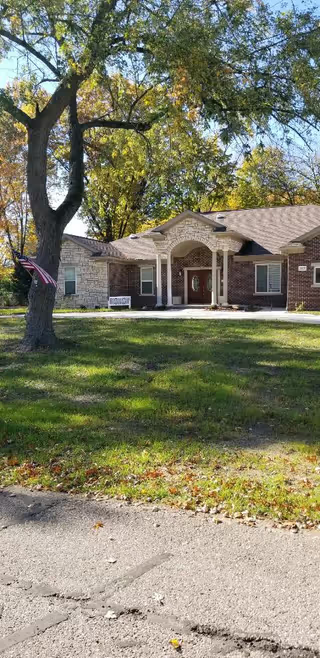
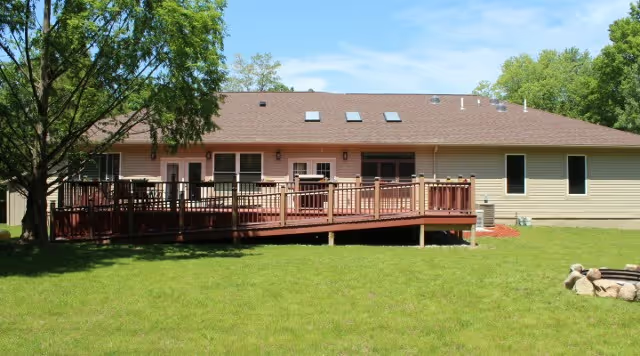
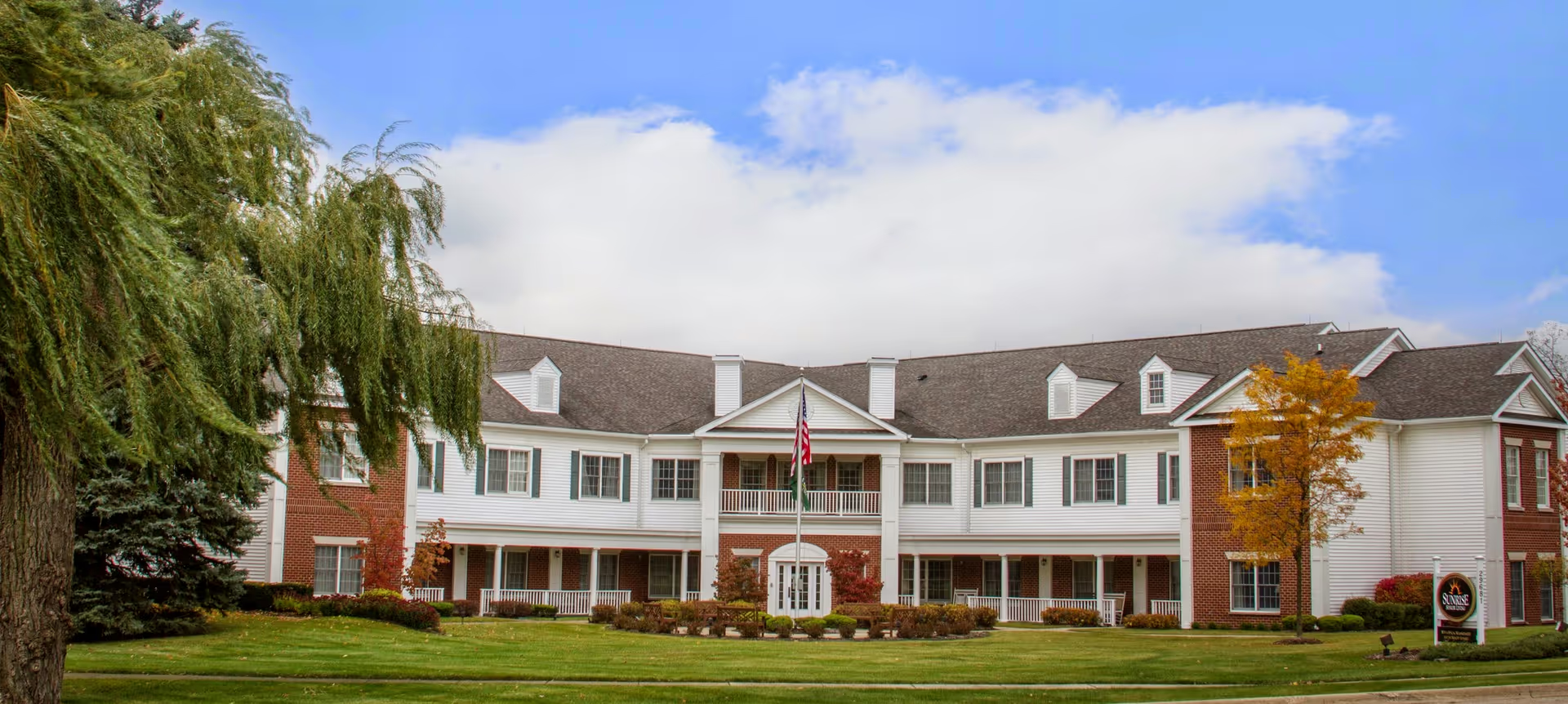
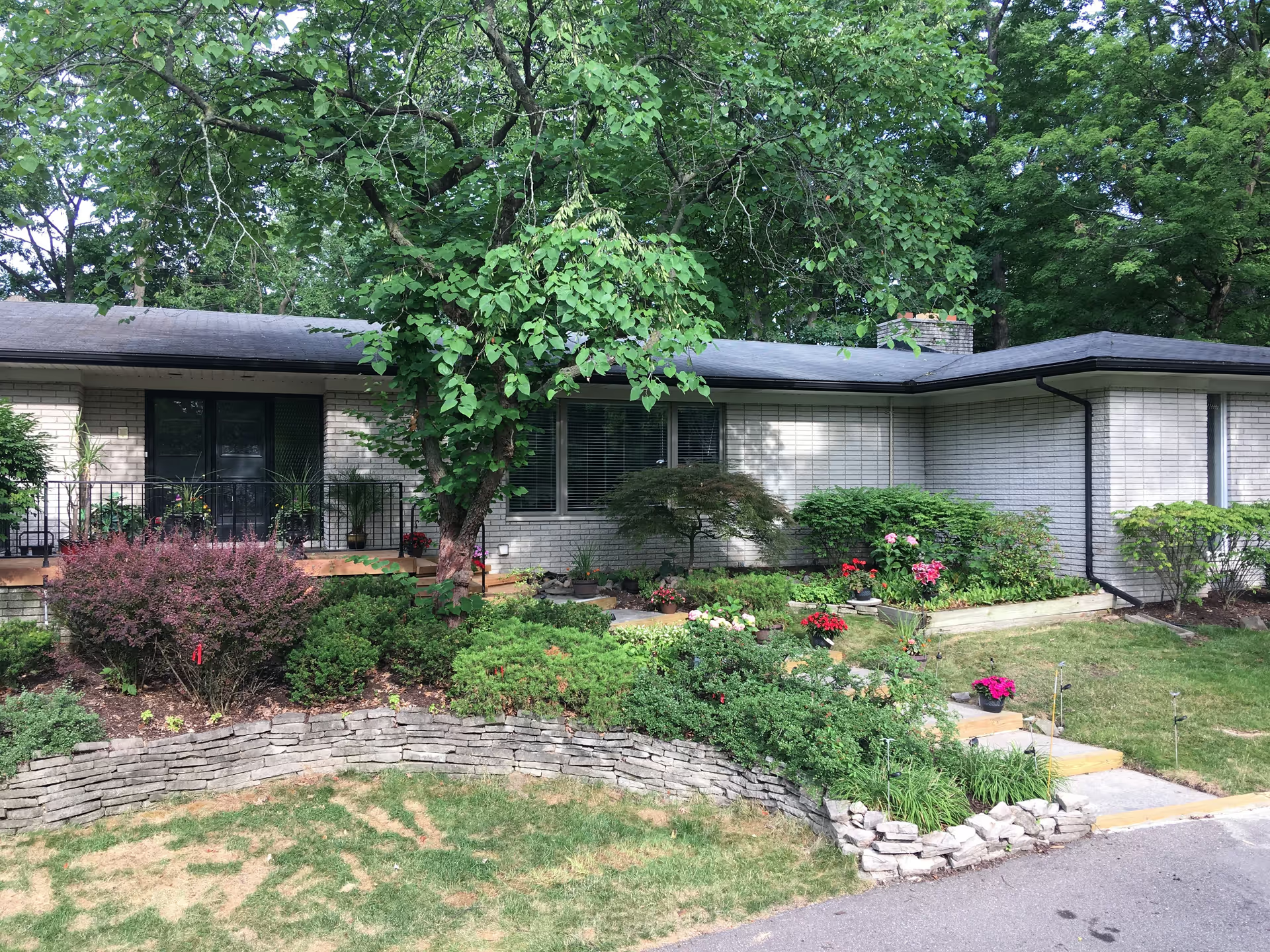
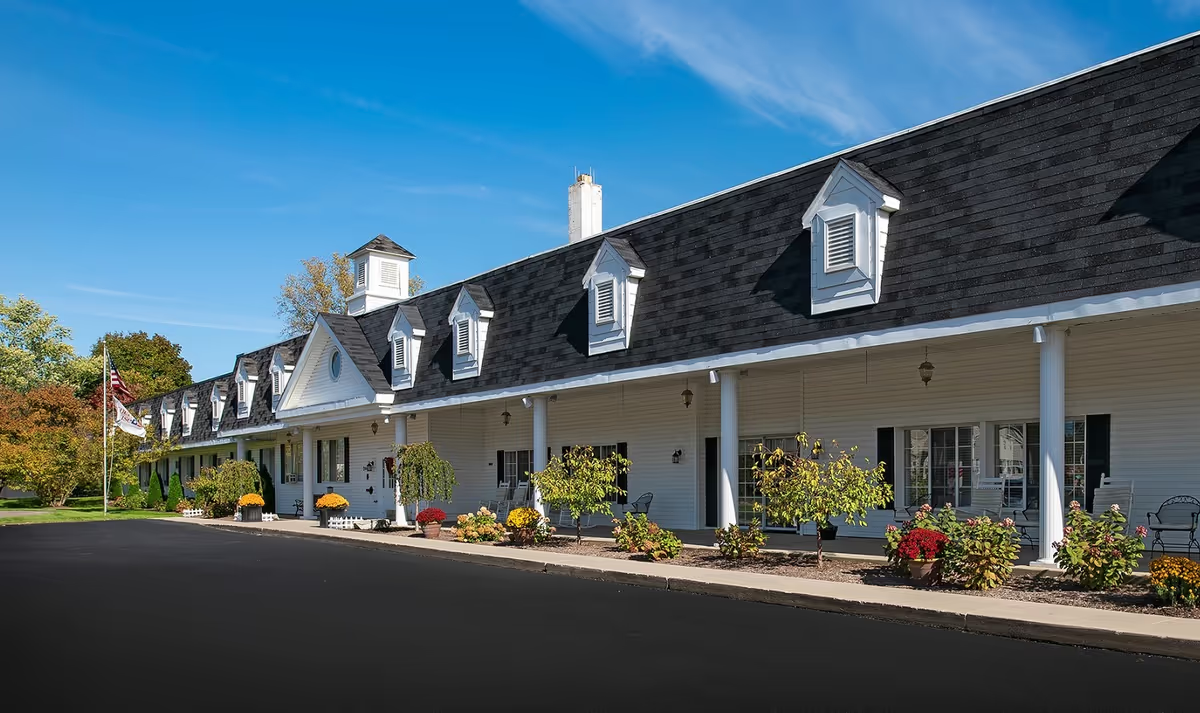
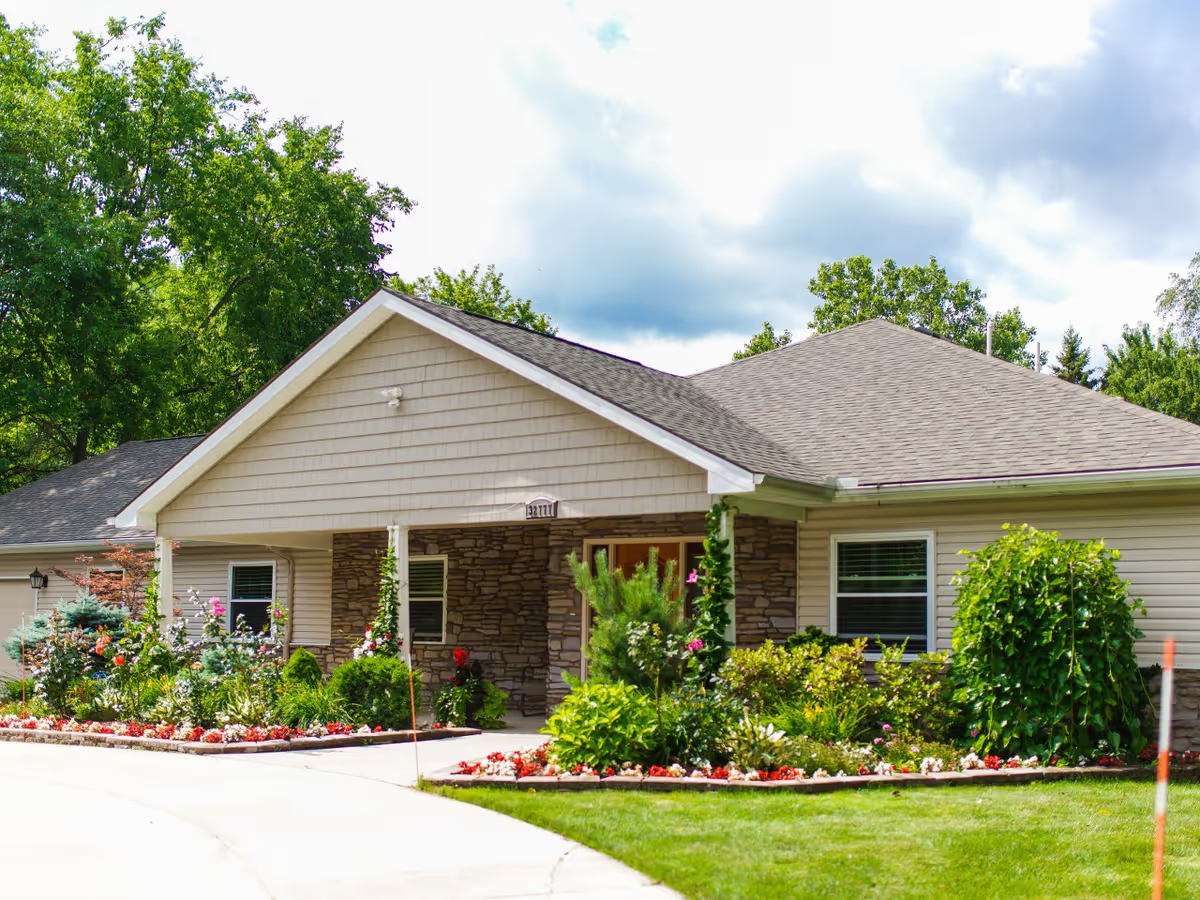
Facilities and safety: The campus receives mixed assessments. Positive notes include well-kept courtyards, single-floor accessibility, clean private rooms in many units, and handy on-site services (salon, podiatry, visiting clinicians). Counterpoints include dated décor, dim lighting, intermittent odor control, and some security/access concerns (unattended doors or unsecured entry points mentioned). Families should inspect cleanliness standards, building security procedures, and housekeeping frequency during a tour.
Management and patterns: Reviews describe both engaged, helpful leadership and defensive or slow responses to family concerns. Multiple accounts mention inconsistent complaint resolution, billing disputes, and at least a few serious allegations regarding unauthorized access to resident finances and contested billing practices; those are presented here as allegations that warrant verification. Communication lapses—difficulty reaching clinical staff after hours, delayed callbacks, and inconsistent family updates—appear repeatedly. Prospective families should clarify complaint procedures, financial-access policies (POA handling), incident-reporting timelines, and after-hours clinical coverages.
Notable patterns and recommendations: The facility shows clear strengths in social programming, some strong caregiving staff, on-site services, and value-based pricing. However, the presence of repeated operational themes—medication administration inconsistencies (particularly for diabetes), incontinence-care and sanitation concerns, uneven staffing and supervisory coverage, and variable management responsiveness—creates risk for residents with higher clinical needs. If considering this community, families should ask targeted questions about staffing ratios by shift, medication-administration protocols and audits, diabetic-care procedures and dietitian access, housekeeping schedules and odor-control practices, security and access policies, and financial/POA safeguards. A focused tour during peak care hours, conversation with the nurse on duty, and review of recent state inspection reports will help determine whether the facility’s strengths align with an individual resident’s care requirements.