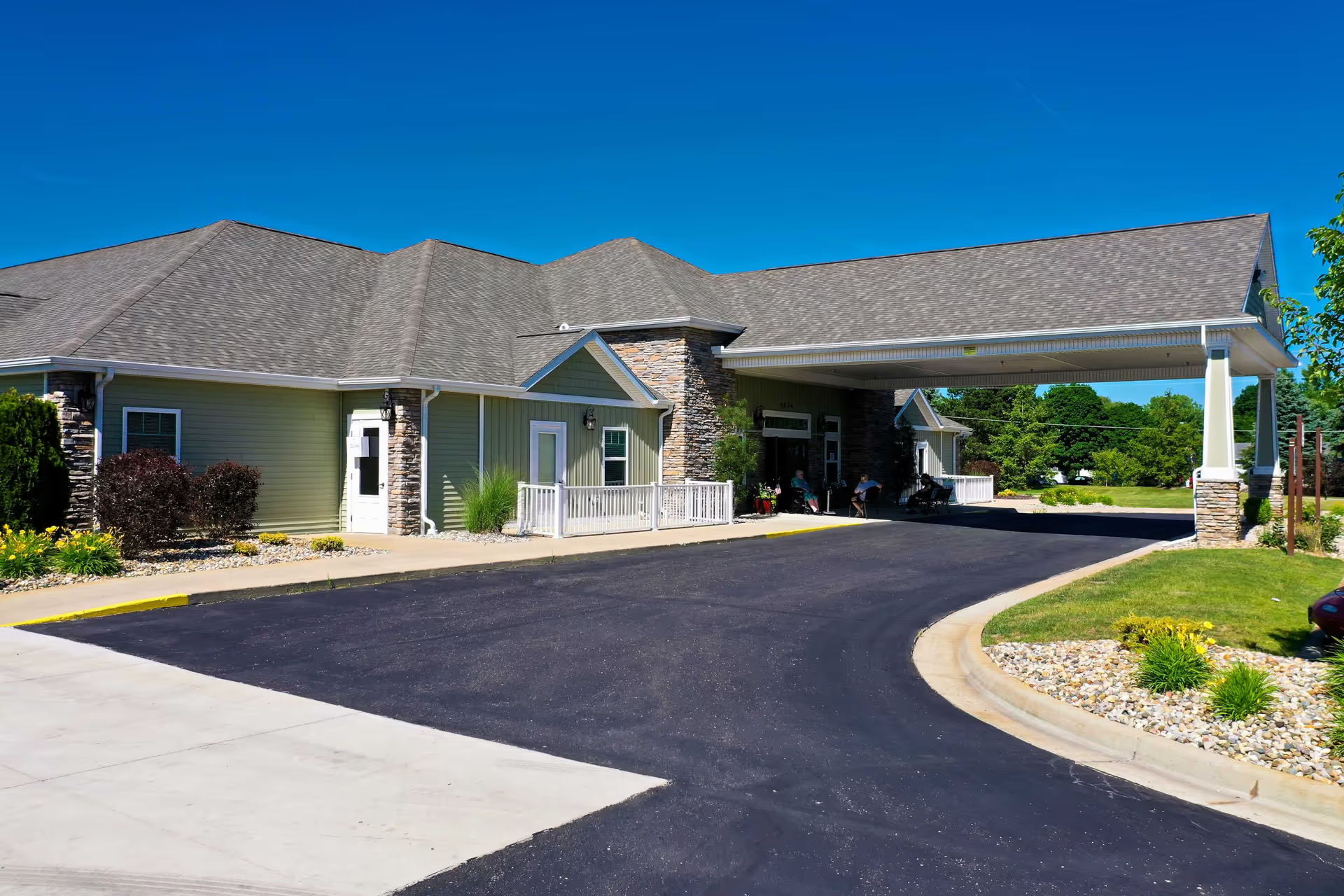
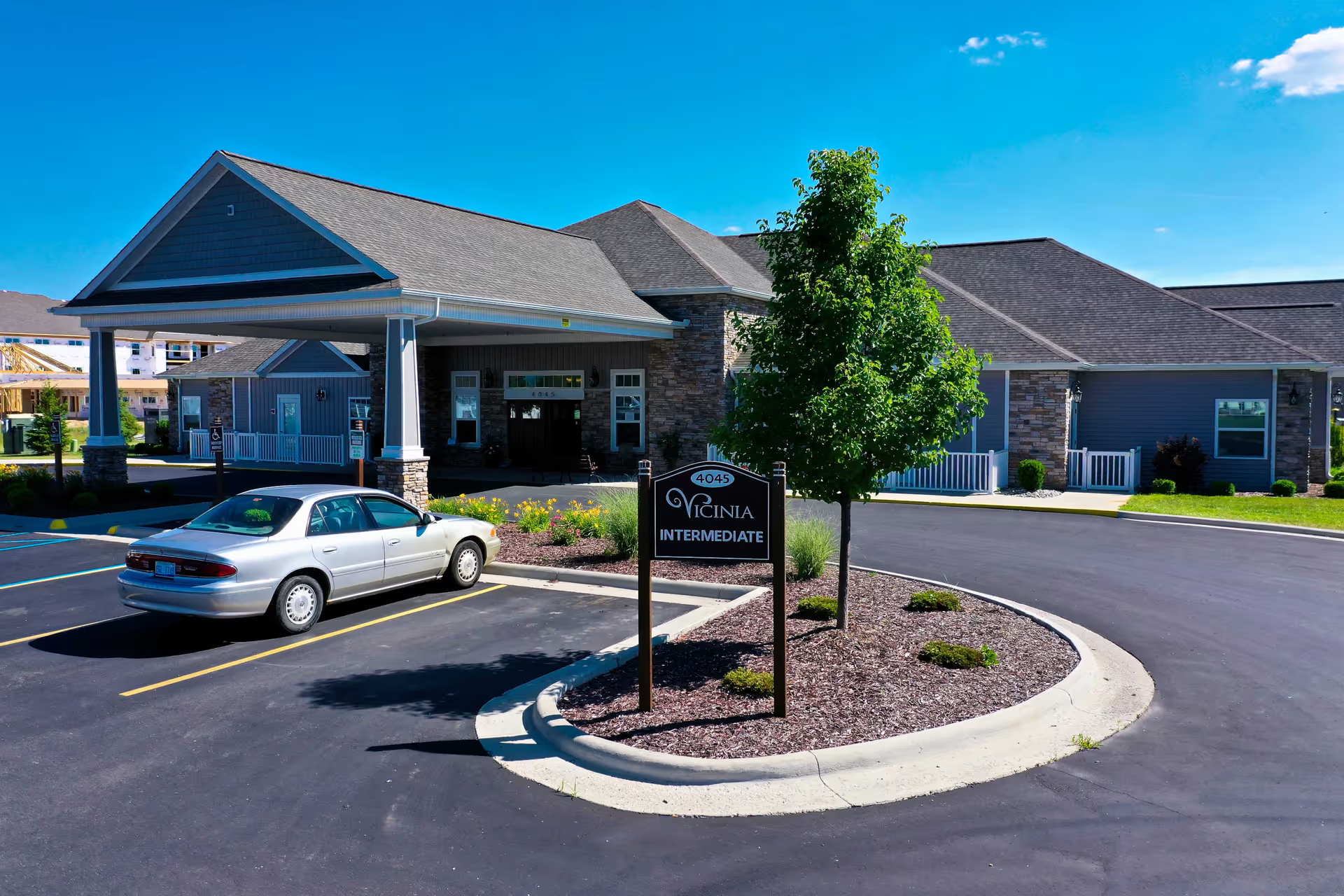
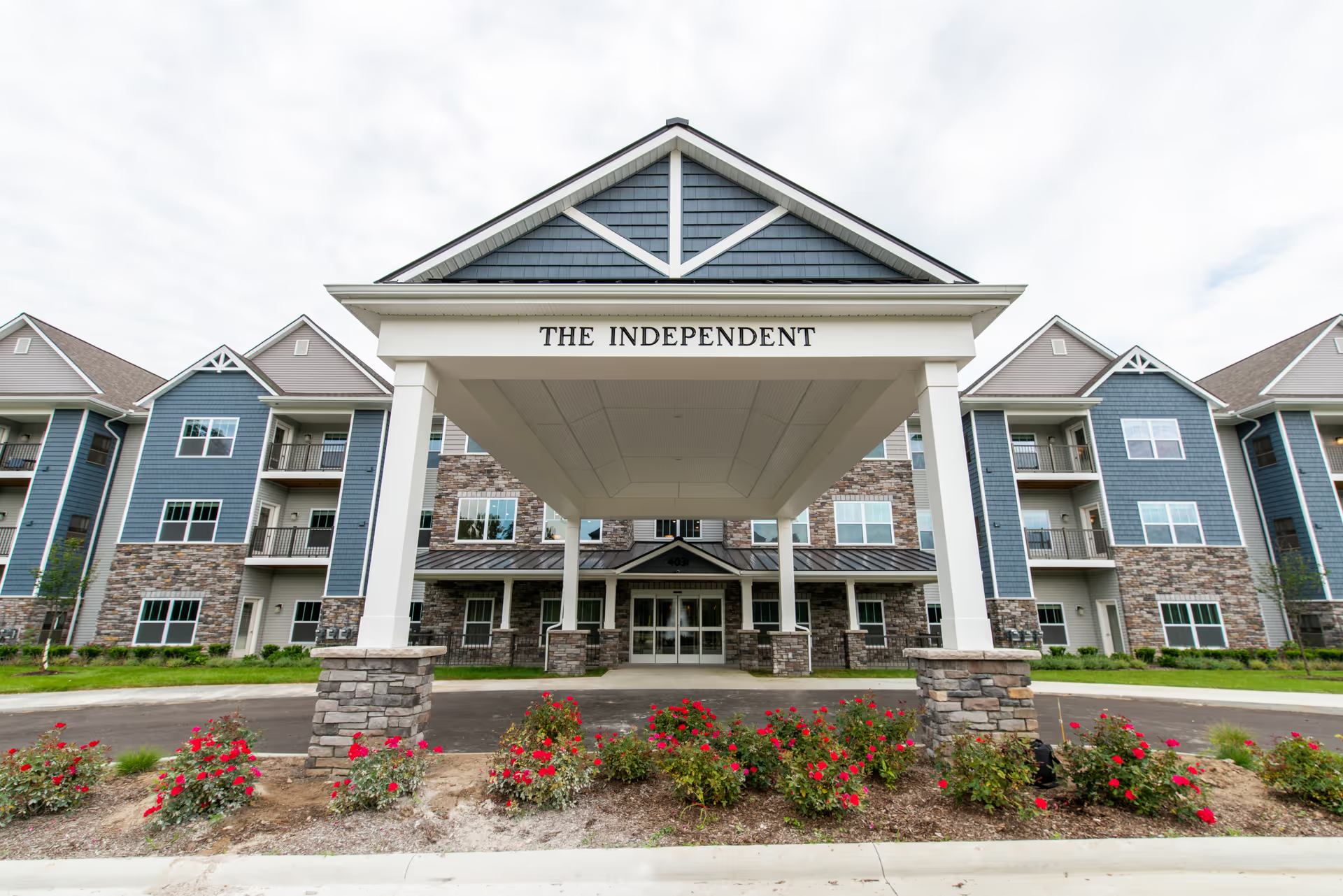
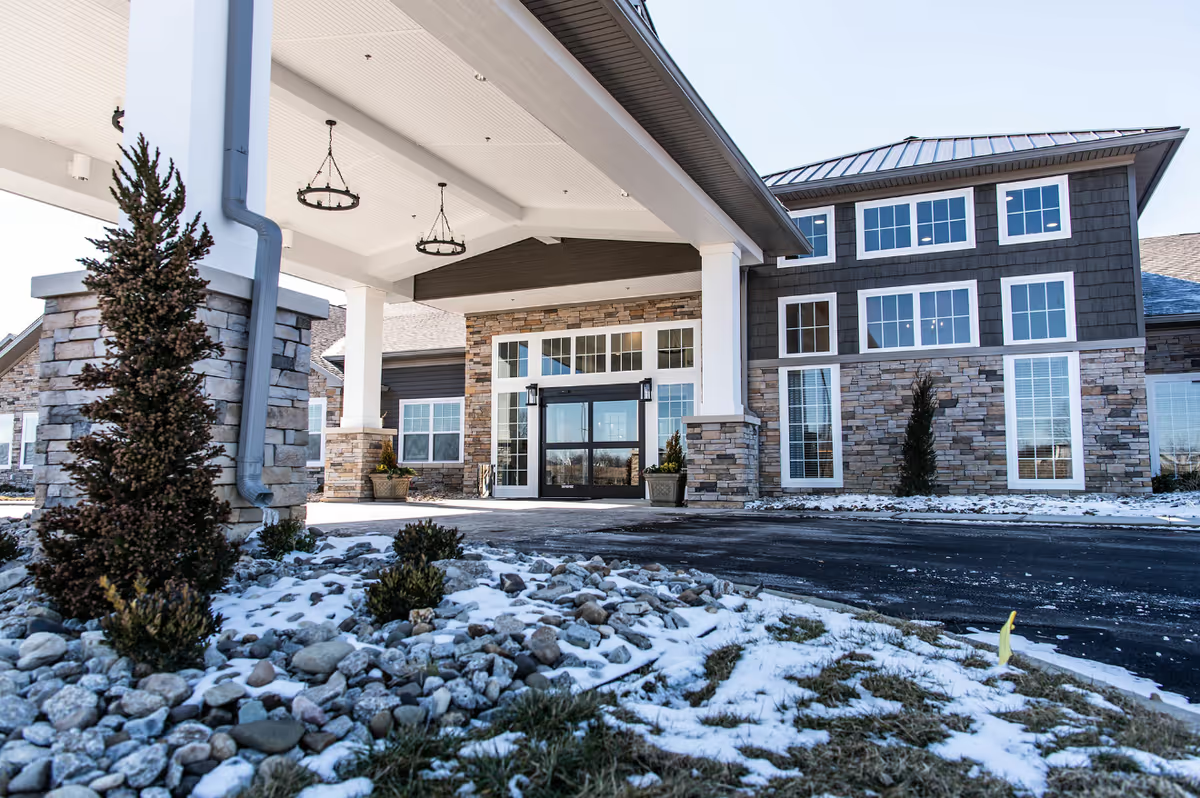
Overall impression: Provision Living at Fenton is presented consistently as a newer, well‑kept memory-care and assisted‑living environment with a strong emphasis on resident engagement and a family‑oriented culture. Many families emphasized the facility’s physical environment — bright, modern common areas, multiple activity rooms, and spacious villa layouts — and described residents as active, socially engaged, and comfortable in the setting.
Care and staff: The facility’s primary strength, as reflected across reviews, is its caregiving culture. Staff are frequently described as kind, empathetic, and personally invested in residents; many reviewers noted staff familiarity with residents’ names and preferences. Memory‑care programming is commonly characterized as appropriate and effective, and on‑site clinical services such as nursing and therapy (PT/OT) are available. At the same time, a pattern of clinical and operational concerns appears in a subset of accounts: inconsistencies in medication administration, intermittent lapses in care follow‑through related to incontinence management, and occasional variability in shift staffing. These items suggest the need for prospective families to ask specific questions about medication protocols, staffing ratios, and care‑documentation practices.
Clinical coordination and end‑of‑life care: The community offers hospice coordination and end‑of‑life support in some cases and has staff who assist with clinical transitions. However, several families experienced difficulty obtaining referrals to outside specialists such as cardiologists or family practitioners, and some noted perceived limits in the facility’s ability to provide higher‑acuity nursing services (partly attributed to state regulatory constraints). Prospective residents with complex or highly medicalized needs should clarify how specialist referrals and off‑site appointments are handled and whether the community’s clinical scope matches required care levels.
Dining and activities: Dining is often cited positively — chef‑prepared meals, social community dining, and residents who enjoy the food — but there is variability in satisfaction. Concerns include limited menu choices, inconsistently executed meals, and communication issues around menus (legibility and responsiveness to feedback). Activity programming is a clear advantage: reviewers describe structured daily activities, varied options, and meaningful social opportunities that support wellbeing. A modest area for improvement noted by families is expanded evening programming.
Facilities and management: The site is new or recently renovated, with well‑maintained amenities (movie room, workout and craft areas, kitchenette options in units) and attentive maintenance. The admissions experience is frequently described as professional and supportive; a named sales director received repeated praise for being informative and non‑pressuring. Management appears responsive in many operational areas (paperwork assistance, deposit handling) but has occasional communication gaps early in the admission period; several families resolved these through follow‑up meetings.
Notable patterns and recommendations: Strengths center on culture — compassionate staff, active programming, and a pleasant physical environment. Recurrent operational themes to investigate further before admission include medication‑administration processes, protocols for specialist referrals, staffing consistency across shifts, incontinence‑care procedures, evening activity options, and contract/pricing terms. Families considering Provision Living at Fenton should tour the community, meet clinical leaders, review medication and incident‑reporting protocols, and ask for examples of how the community coordinates external medical care and handles transitions to higher‑acuity services.