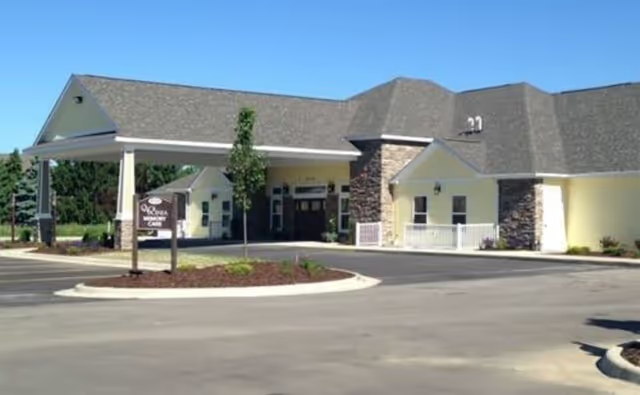
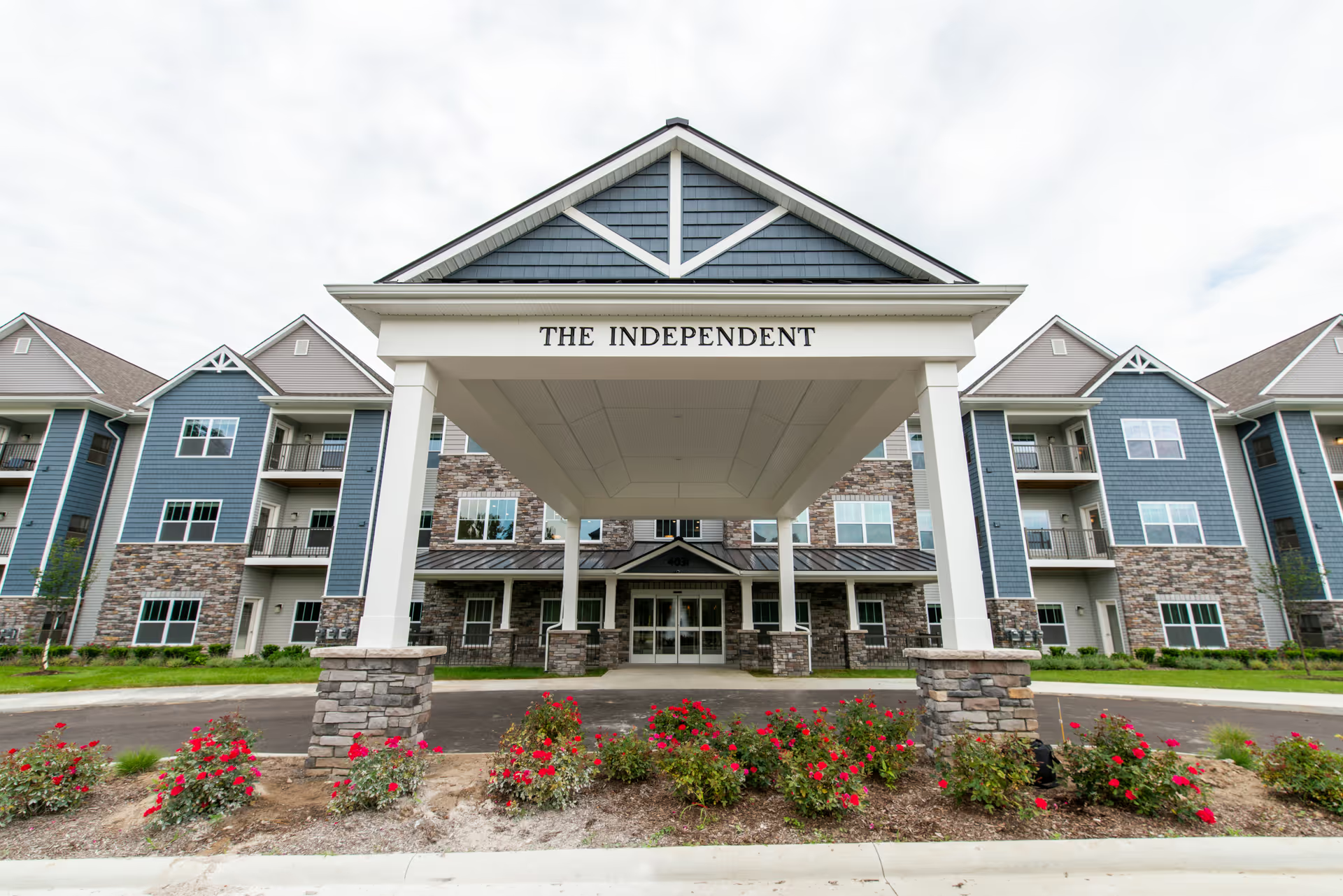
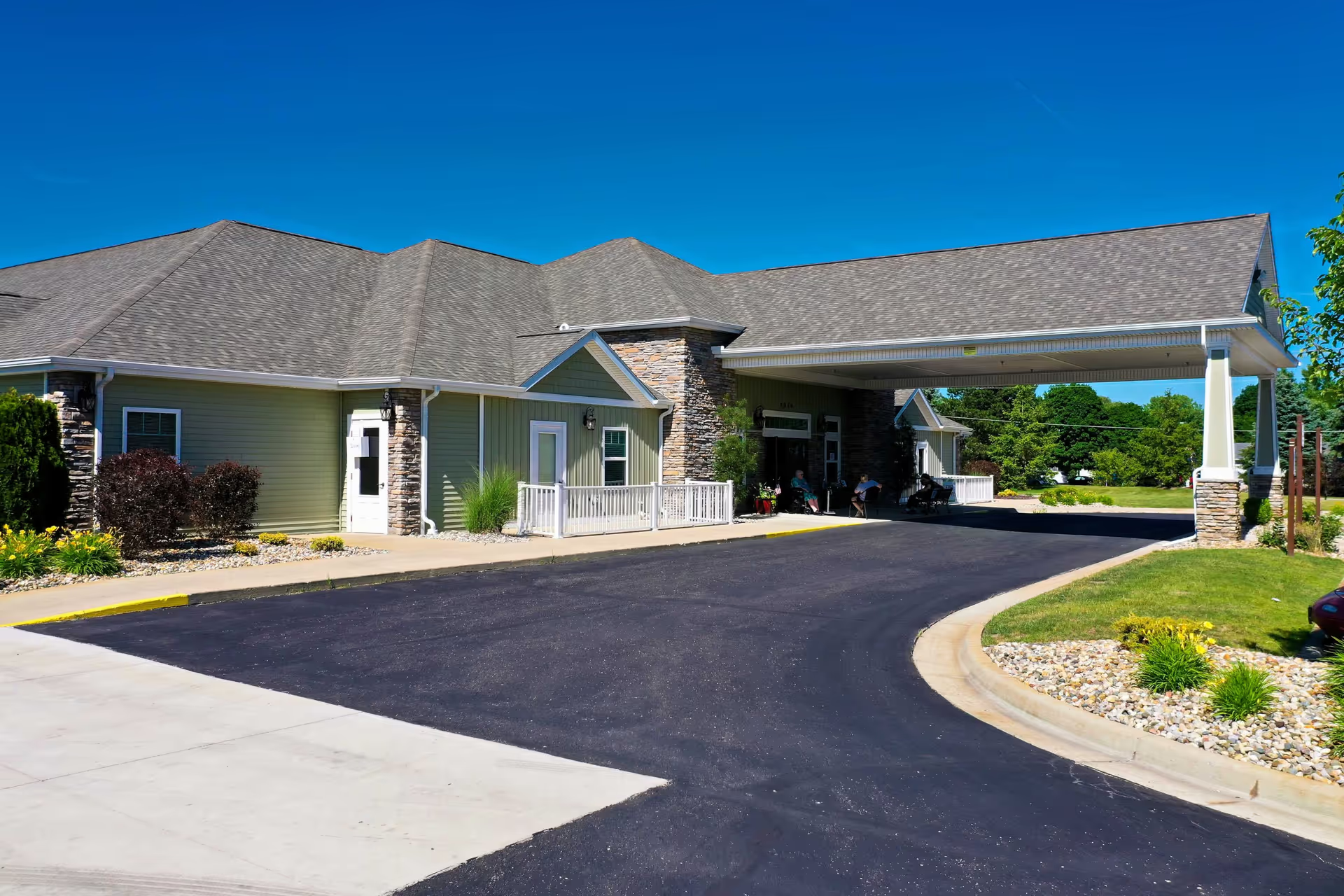
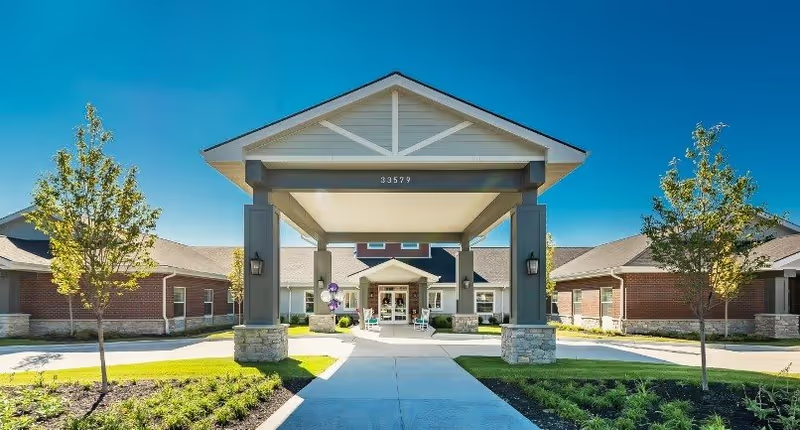
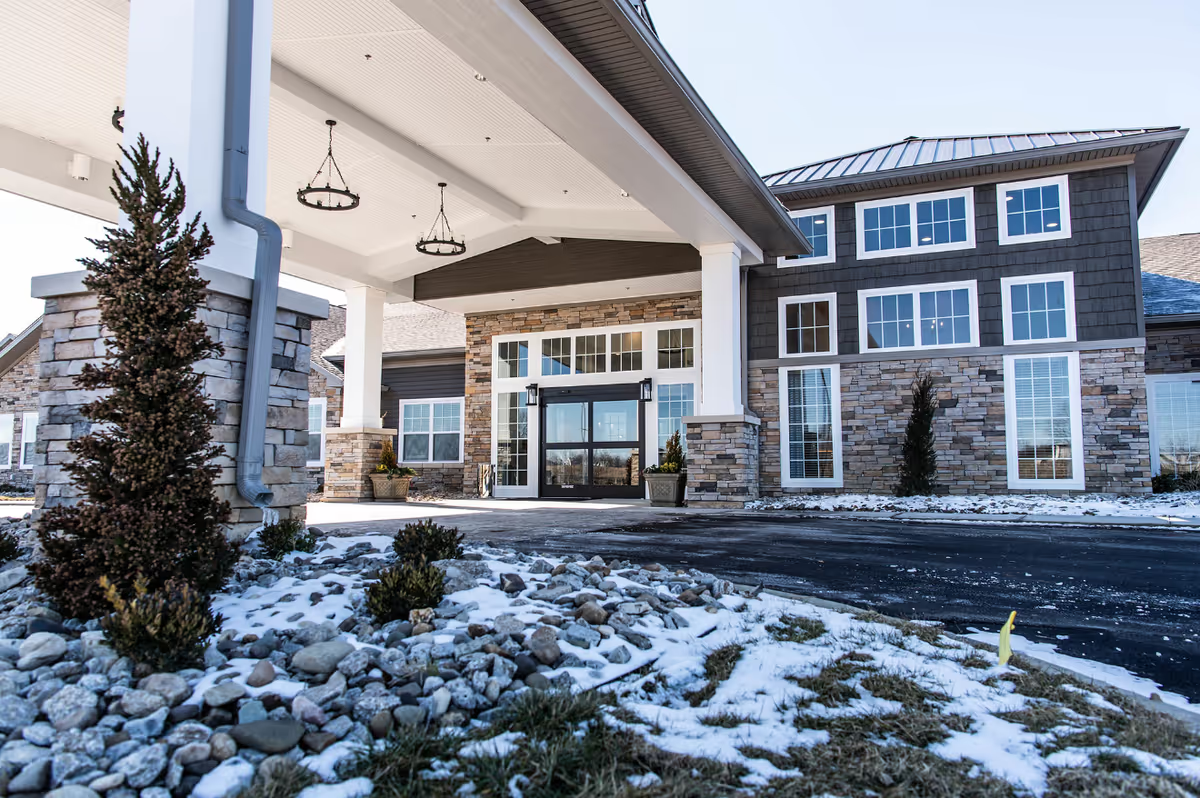
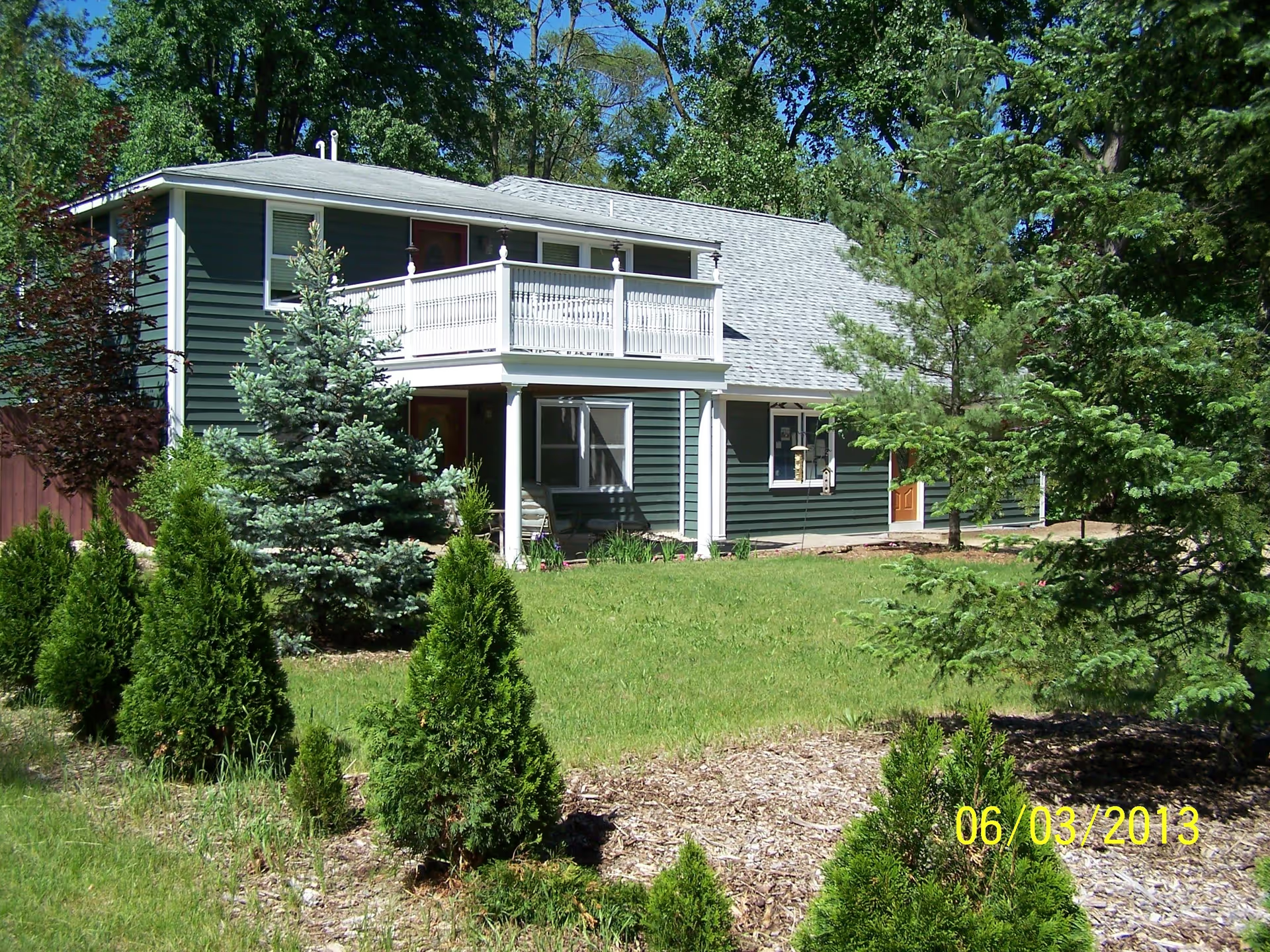
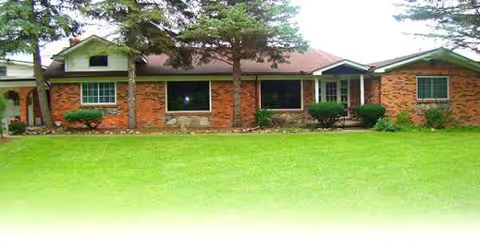
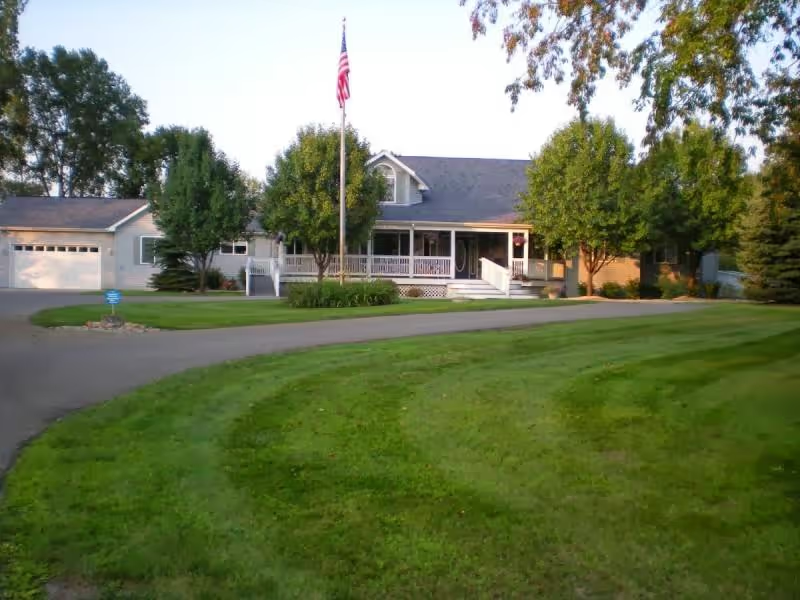
Overall impression: Reviews describe Vicinia Gardens as a small, well-maintained community with a strong emphasis on person-centered, comforting interactions. Families consistently praise the frontline caregivers and aides for compassionate, attentive care, and many comment that the building is clean, attractively decorated, and feels home-like. The community’s infection-control practices and coordination with hospice services are highlighted as strengths, and several families referred to the facility’s calming effect on anxious residents.
Care quality and staff: Caregivers and activity staff receive frequent positive comments for being kind, attentive, and engaging. Reviewers described staff who eased residents’ anxiety and worked well with hospice and end-of-life needs. At the same time, there are indications that staffing levels can be stretched during busier periods; families noted that the team "did their best" when a higher-acuity resident required full care. Prospective families should clarify current staffing ratios and whether the community can meet sustained, high-acuity care needs before placement.
Dining and activities: The community is noted for an active social program—regular parties and events, visible seasonal decorating, and an energetic activity aide. Dining presentation is generally praised (meals “look and smell good”), but several comments characterize food quality as inconsistent. If dining is an important factor, visitors should sample meals and ask about menu rotation and how dietary needs are handled.
Facilities and management: Common areas are described as clean and well-appointed. Resident rooms are consistently described as small but adequate, which may influence decisions for residents who need extra space or equipment. A recurring operational concern involves communication and management accessibility: while particular staff members (identified by name in reviews) receive strong praise for helpfulness, some families experienced difficulty reaching the director and noted gaps in timely communication. There are also isolated concerns about the security of personal belongings; this suggests families ask about inventories, locker/storage options, and policies for valuables.
Notable patterns and recommendations: The strongest, cross-cutting positive is the caregiving culture—staff are viewed as caring and effective at creating a welcoming, family-like environment. Key areas to clarify on a visit are staffing levels for peak times and high-acuity needs, consistency of meal quality, room dimensions and storage, management communication protocols, and policies for safeguarding personal items. Overall, Vicinia Gardens appears to be a well-regarded option for residents seeking a clean, socially active, and hospice-capable environment, with a few operational limitations to evaluate according to individual care requirements.