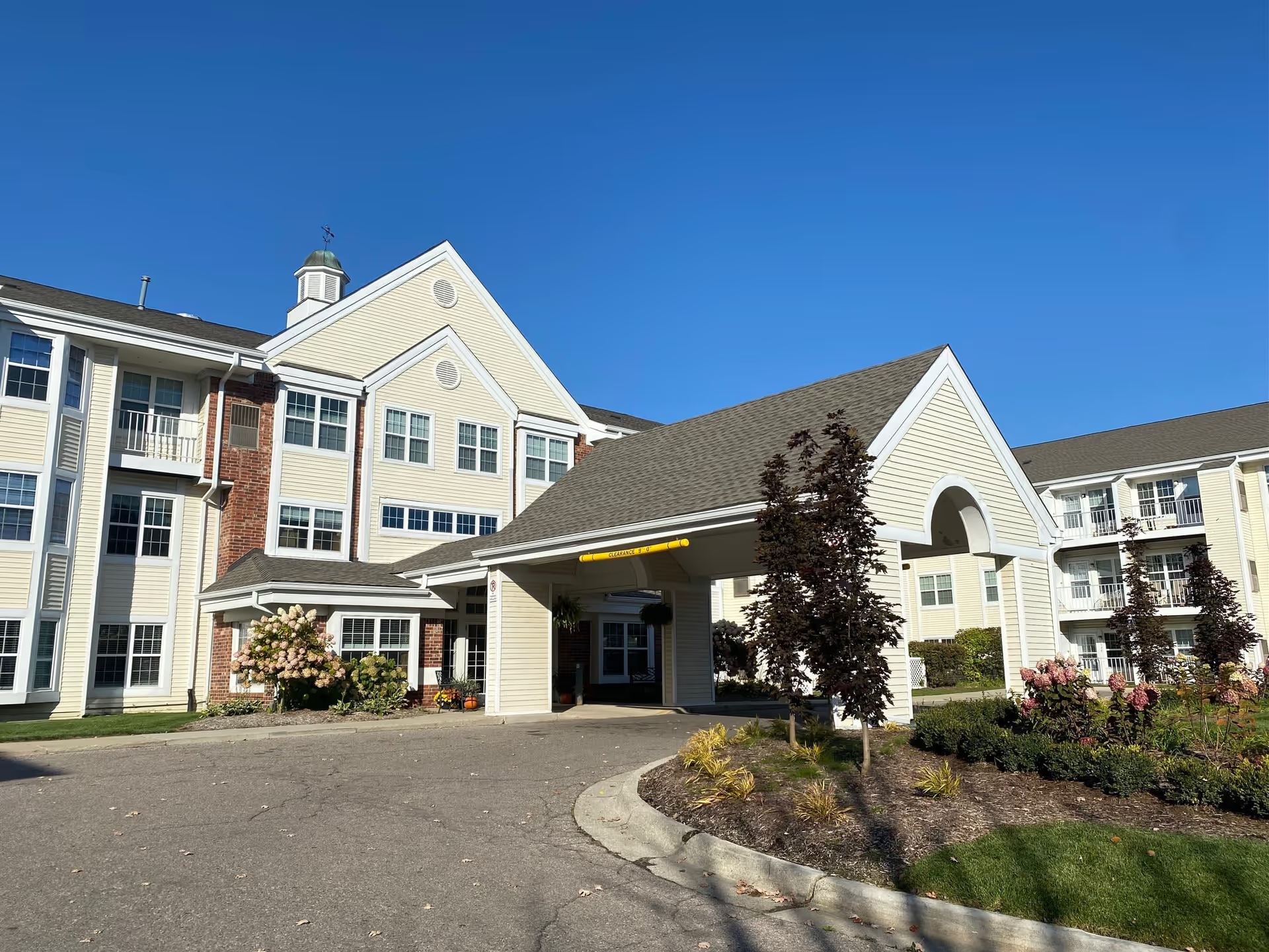
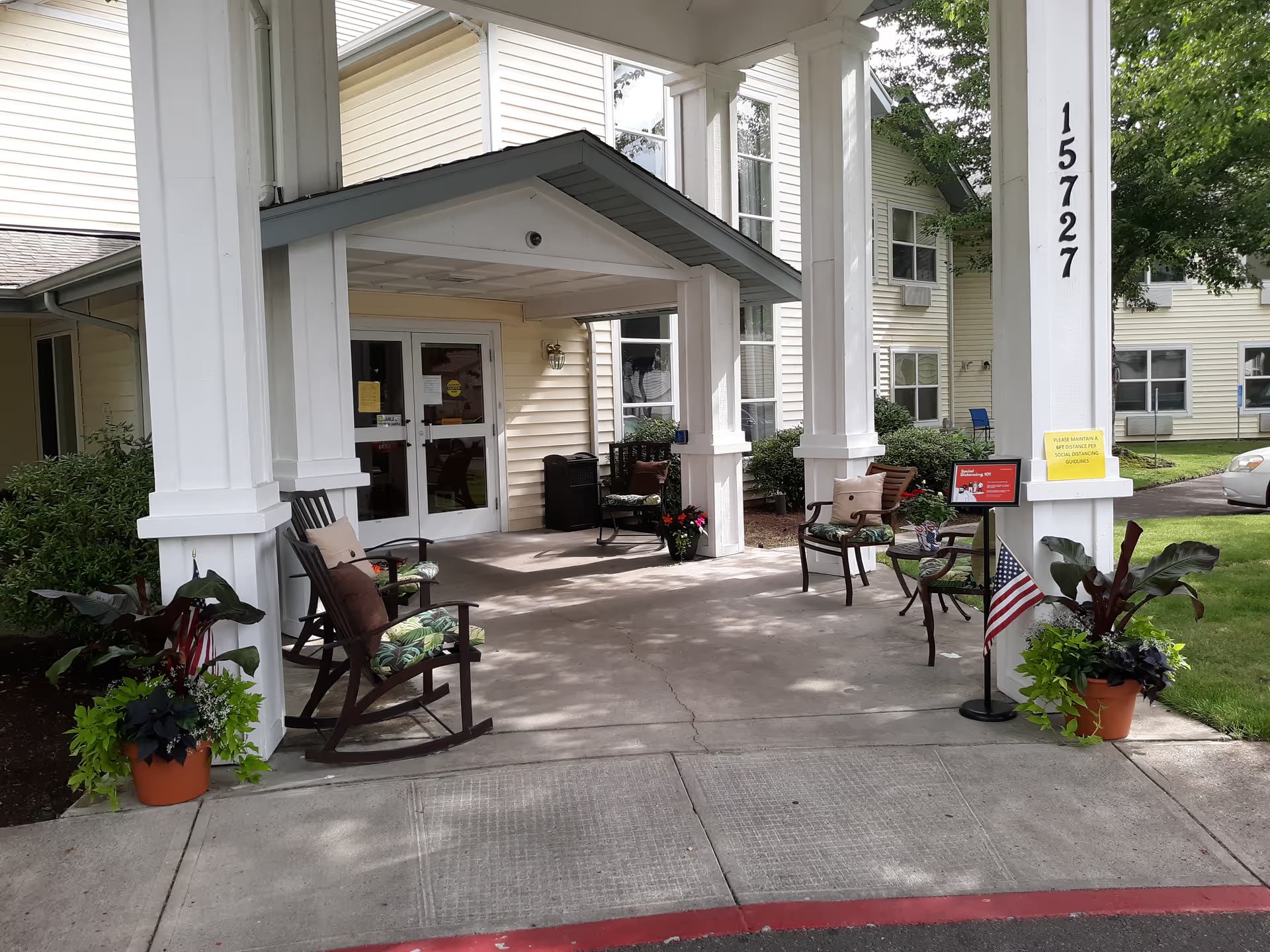
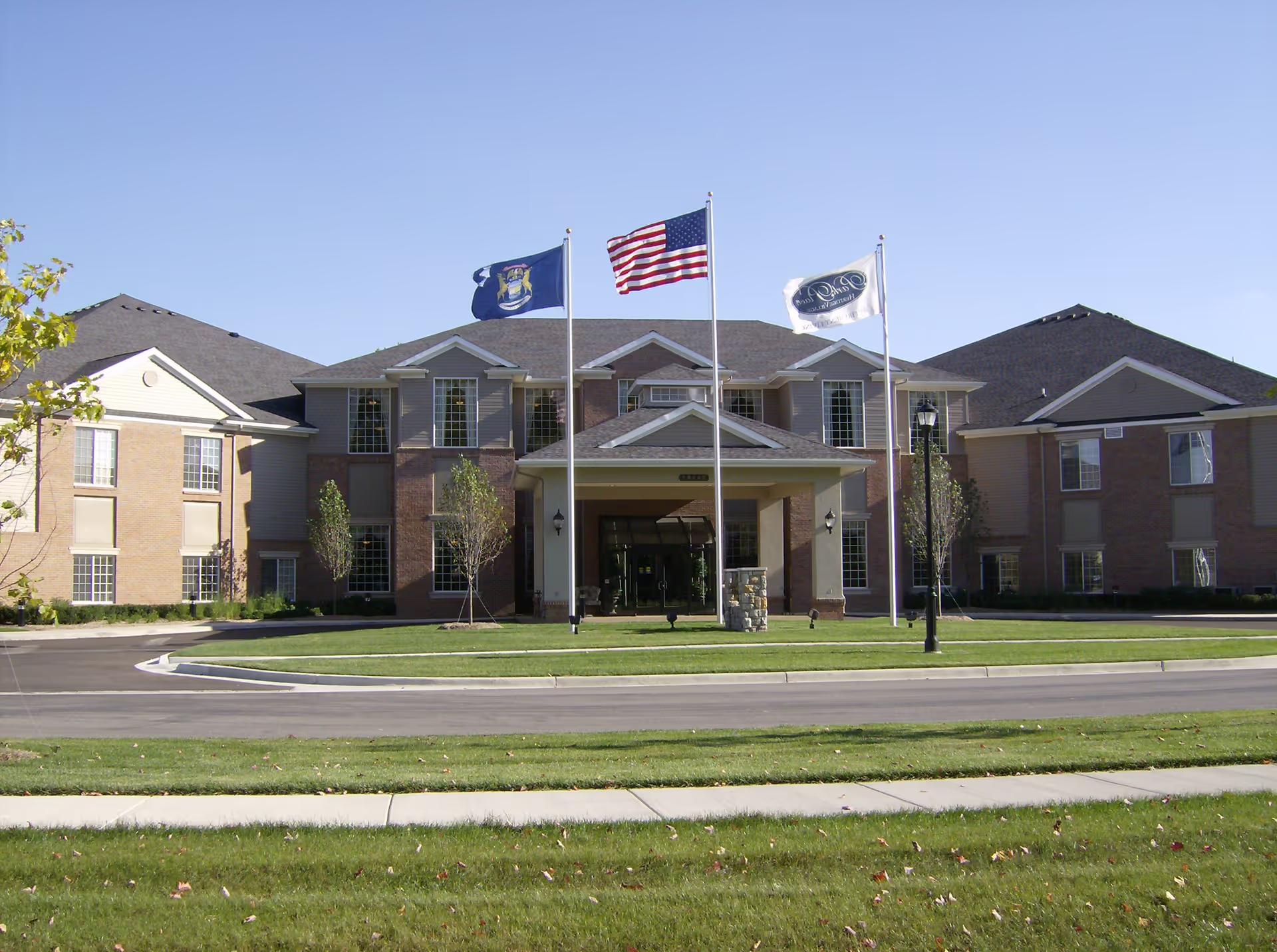
Reviews of Oakridge Manor are markedly polarized, with a cluster of families describing a small, home-like setting with attentive, familiar staff and a variety of activities, and another cluster describing persistent operational and clinical concerns. On the positive side, the facility is frequently characterized as quieter and more personal than larger institutions, with clean resident rooms, an accessible outdoor area, and staff who are personable and know residents by name. Several families highlighted the availability of nursing coverage and a range of recreational offerings that contribute to resident engagement.
Conversely, a recurring pattern relates to clinical-care reliability and staffing. Multiple accounts point to inconsistent staffing levels, especially on weekends, and to variability in how promptly staff address resident needs. These staffing inconsistencies are tied to broader concerns about clinical-care quality, including wound management and infection-control practices and delays in attending to incontinence and hygiene needs. Reviewers also described limited access to rehabilitation and physical-therapy services, which may affect recovery and functional outcomes for residents who need them.
Dining and nutrition emerged as another area of mixed experience. Some families praised regular meals, while others reported inconsistent meal quality and lapses in diet management for residents with specific dietary needs. There are also mentions of acute food-safety concerns; prospective families should inquire specifically about menu planning, diabetic and therapeutic diet protocols, and kitchen oversight.
Facility condition and privacy receive both praise and criticism. While many reviewers noted clean rooms and minimal odors, others described the building as dated and in need of maintenance, and raised concerns about shared rooms with limited privacy and about record-handling practices. Communication and management practices were also cited as problematic by several families: last-minute calls, poor follow-up, and difficulty obtaining timely contact information. There are also serious governance-related allegations around financial and guardianship matters, which warrant careful review of records and oversight documentation.
In summary, Oakridge Manor appears to offer a small, community-oriented environment that can provide attentive, familiar care for some residents. At the same time, there are consistent patterns indicating operational weaknesses — particularly around staffing consistency, clinical-care processes, infection control, dining oversight, facility maintenance, privacy protections, and management transparency. Prospective residents and families should conduct a detailed tour, request staffing ratios and recent inspection reports, ask about wound/infection protocols and therapy availability, review dietary procedures, verify privacy and records policies, and seek references from current families to assess whether the facility's strengths align with their care needs.