Kith Haven Nursing & Rehabilitation elicits a mix of strongly positive and critical observations. Positive accounts consistently highlight compassionate front-line caregivers, a capable therapy team, and a responsive admissions and billing group. Many families credit the facility for measurable rehabilitation progress, attentive wound care, and individualized communication accommodations (including ASL). Activities, resident council engagement, and an on-site garden are cited as assets that support socialization and recovery for some residents. Several reviewers singled out specific staff and administrators for professional, thoughtful handling during admission, care transitions, and discharge planning.
At the same time, a number of recurring operational concerns appear across reviewers. Staffing variability across shifts and units is the most frequent pattern: reviewers describe differences in attentiveness and competence between floors and between day and night shifts. These staffing inconsistencies are linked to medication-administration and documentation gaps, delayed responses to acute needs or emergencies, and longer waits for personal care tasks. Communication problems—difficulty reaching nursing staff by phone, inconsistent clinical updates, and unclear policy communication—are another recurrent theme that compounds family frustration when care problems arise.
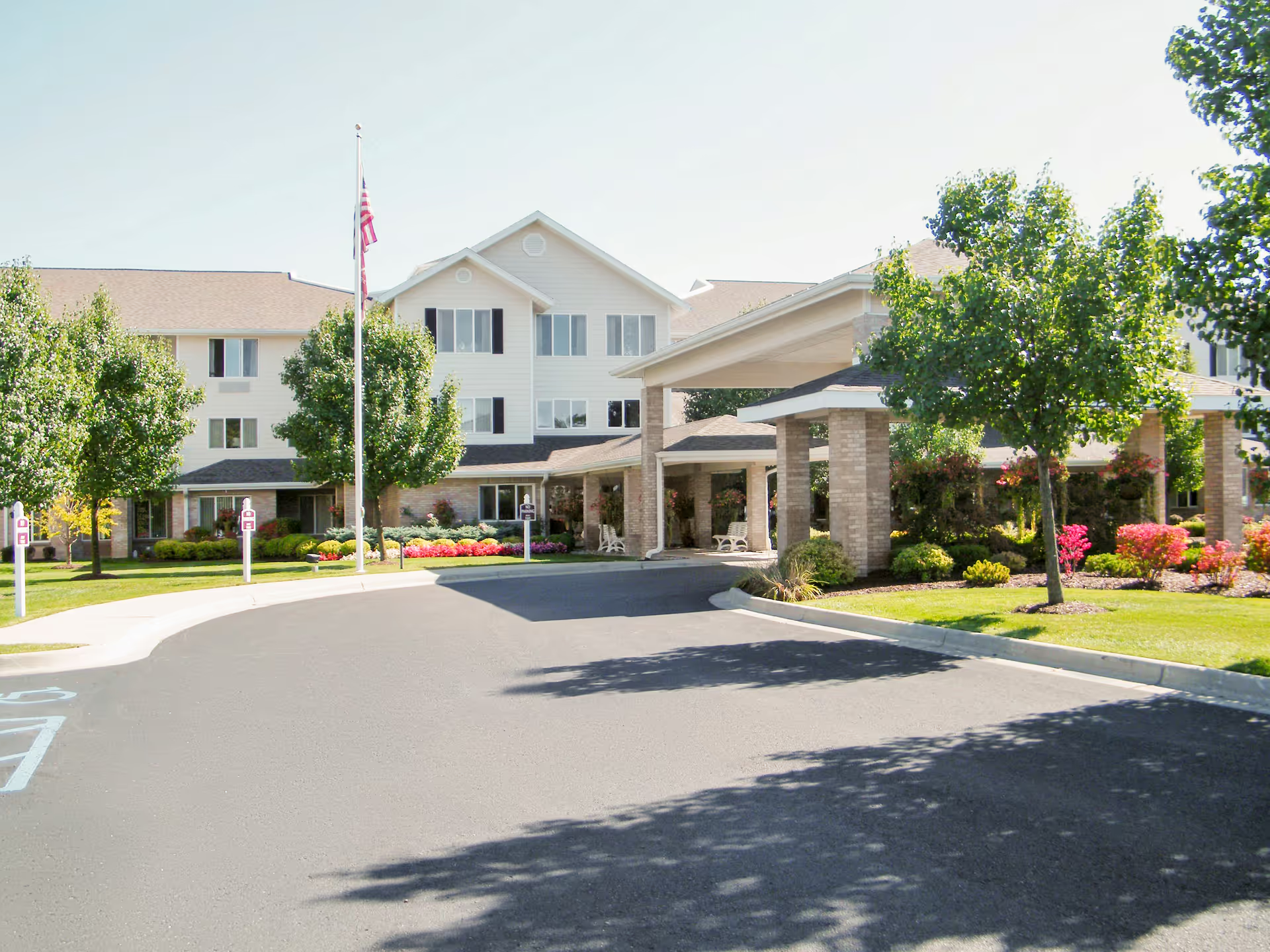
Facility-level amenities and environment are described unevenly. Many reviewers find units clean, well-maintained, and welcoming, while others report sanitation and cleanliness inconsistencies in specific rooms or wings. The building is characterized as older but functional; some praise housekeeping and support staff while others flag odor or cleanliness concerns in parts of the facility. Dining receives mixed reviews: some families note accommodating meal options and respectful food service, whereas others describe inconsistent food quality and missed meal items. Activities programming is present and valued by residents who participate (bingo, arts, music), but a portion of reviews describe limited stimulation or a more institutional atmosphere on certain units, including spaces that are dim or have blinds drawn.
Management and administrative practices show notable variability in reviewer experience. Admissions and certain leaders (named by families) were praised for compassion and clear communication; conversely, other families reported poor responsiveness from case management and nursing leadership, duplicated or confusing paperwork, and a perception that administrative focus can tilt toward insurance and billing issues. There are also serious operational concerns raised about privacy procedures and about the handling of personal items and finances; a small number of reviewers assert theft and unsafe-care incidents. These reports, together with the medication and responsiveness issues described above, suggest that oversight and consistency in protocols can be uneven.
Notable patterns for prospective families: strengths tend to concentrate around rehabilitation, therapy staff, and specific compassionate caregivers, while weaknesses center on consistency—staffing, medication processes, communication, and unit-level cleanliness/atmosphere. When evaluating this facility, consider asking for current staffing ratios by unit and shift, medication-administration and documentation procedures, recent state inspection summaries, access policies for outdoor spaces, and ways the facility escalates and documents family concerns. A tour of the specific unit where a prospective resident would be placed, with meetings with nursing leadership and therapy staff, will help assess whether an individual’s needs are likely to be met given the variability described by reviewers.