Sugarbush House presents as a small-house style assisted-living provider with a clear emphasis on individualized, compassionate caregiving. Across reviews, staff are consistently described as warm, attentive, and family-oriented; leadership and owner involvement are frequently cited as drivers of a care-focused culture. Families note routine safety monitoring, regular vital-sign checks, and integration with visiting physicians, home health, and hospice services, which supports residents with higher-acuity needs including dementia and end-of-life care.
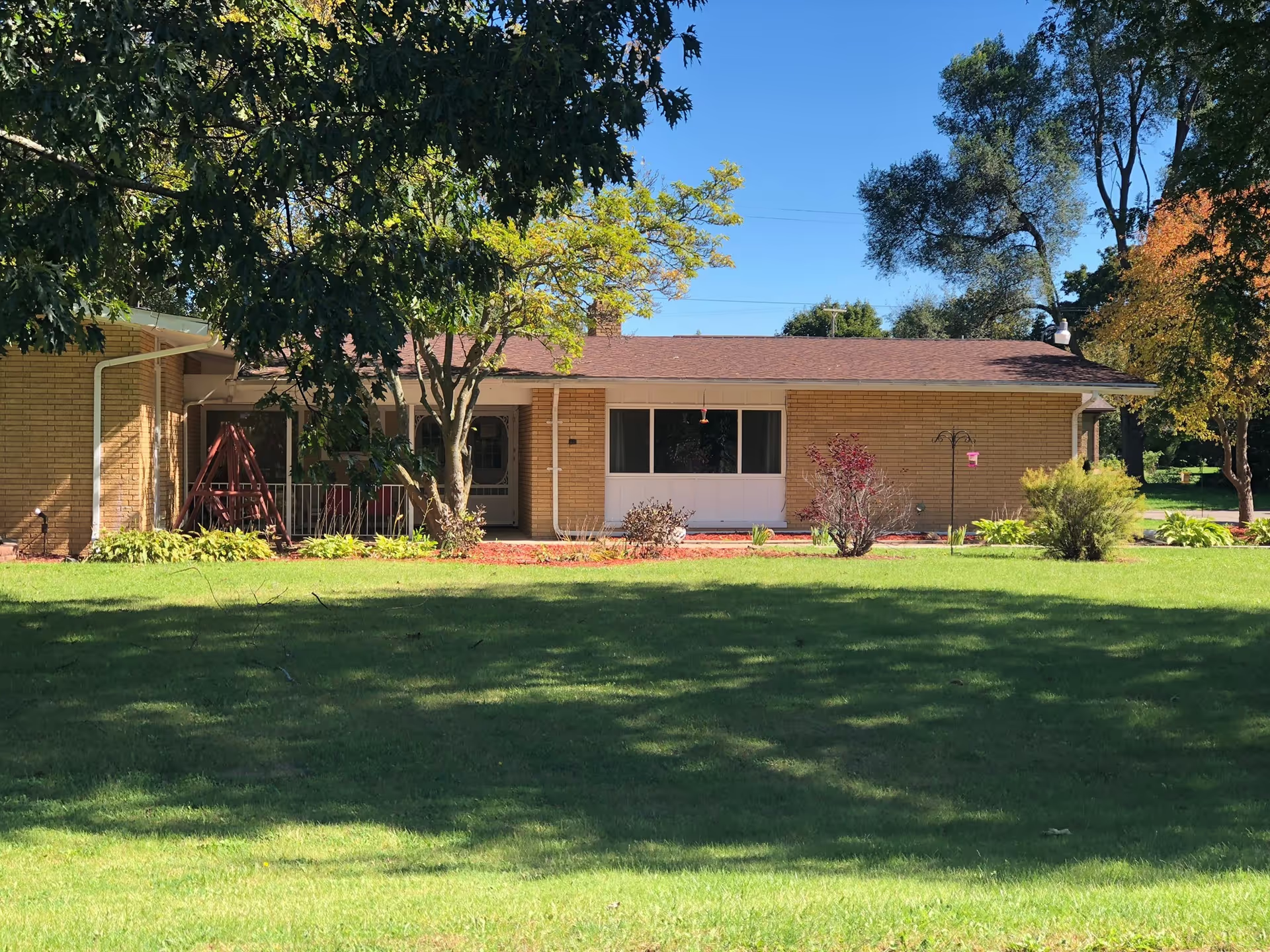
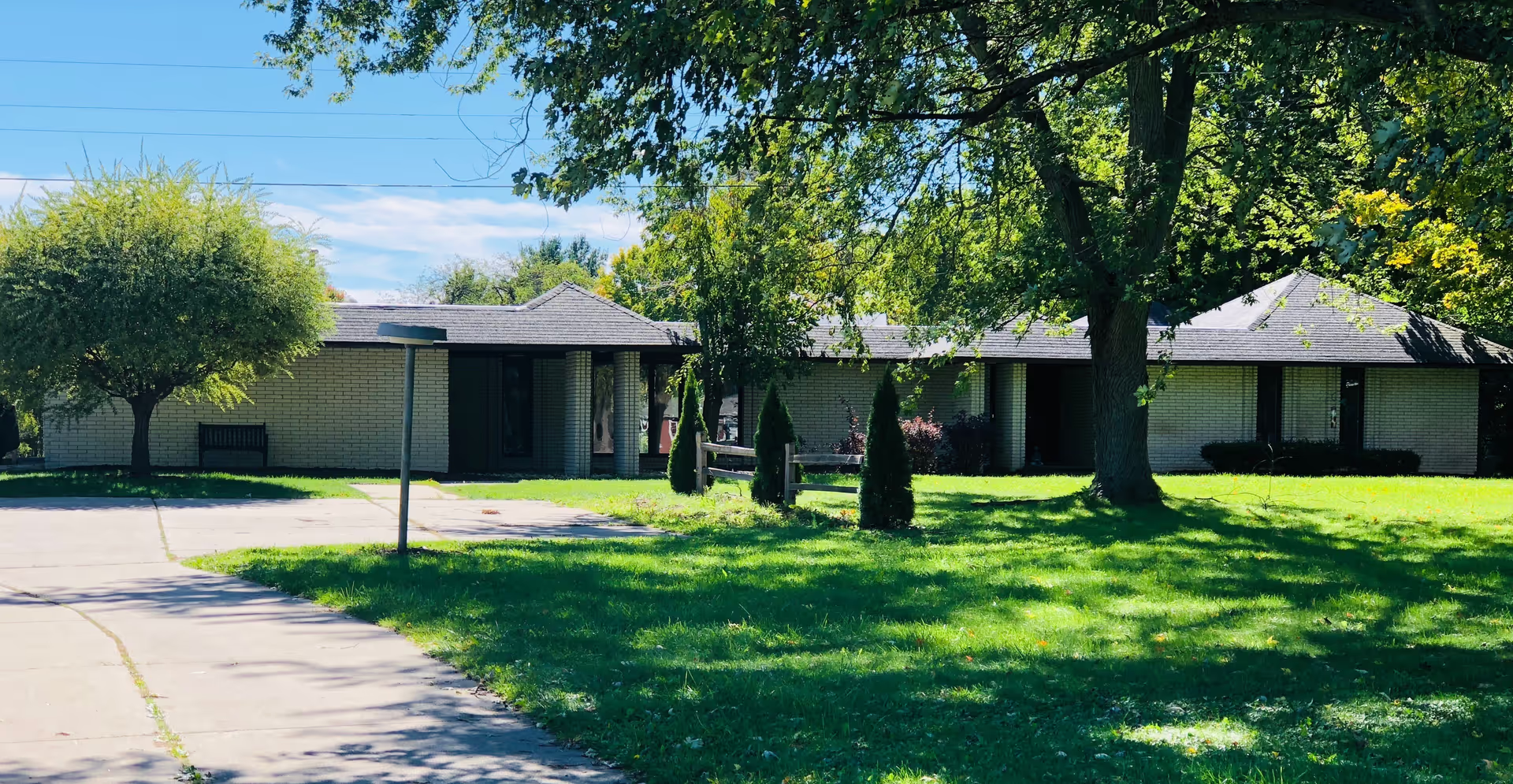
Dining and daily-life elements are commonly viewed as strengths. The facility emphasizes home-style meals, varied menus, and personalized touches such as birthday or special-occasion meals. Common dining areas and a homelike, festive atmosphere are repeatedly highlighted. The small-house layout—private bedrooms clustered around shared living and dining spaces—promotes social interaction and family involvement, and the community is described as pet-friendly and welcoming.
Activity programming and daily engagement show more variability. While some families describe engaging activities and attentive staff interactions, others note limited organized programming with residents spending substantial time in passive activities such as watching television. Prospective residents who prioritize a structured activity schedule should clarify the current offerings during a tour.
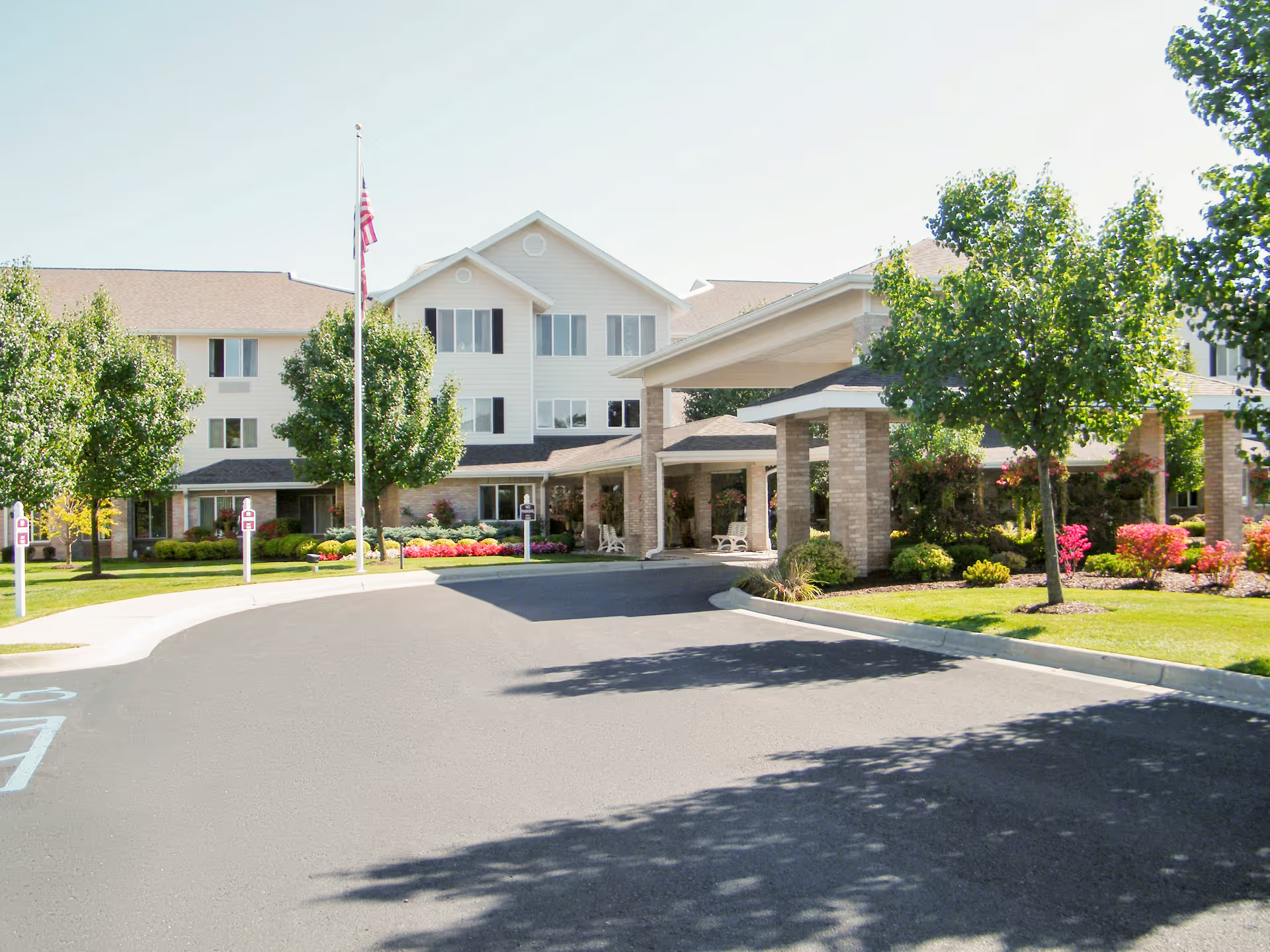
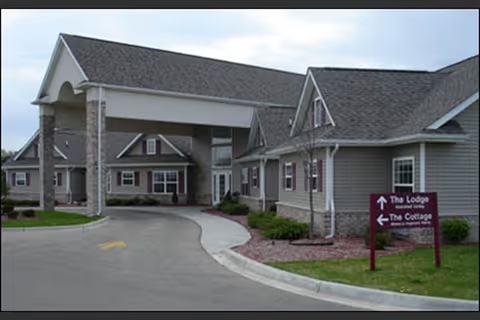
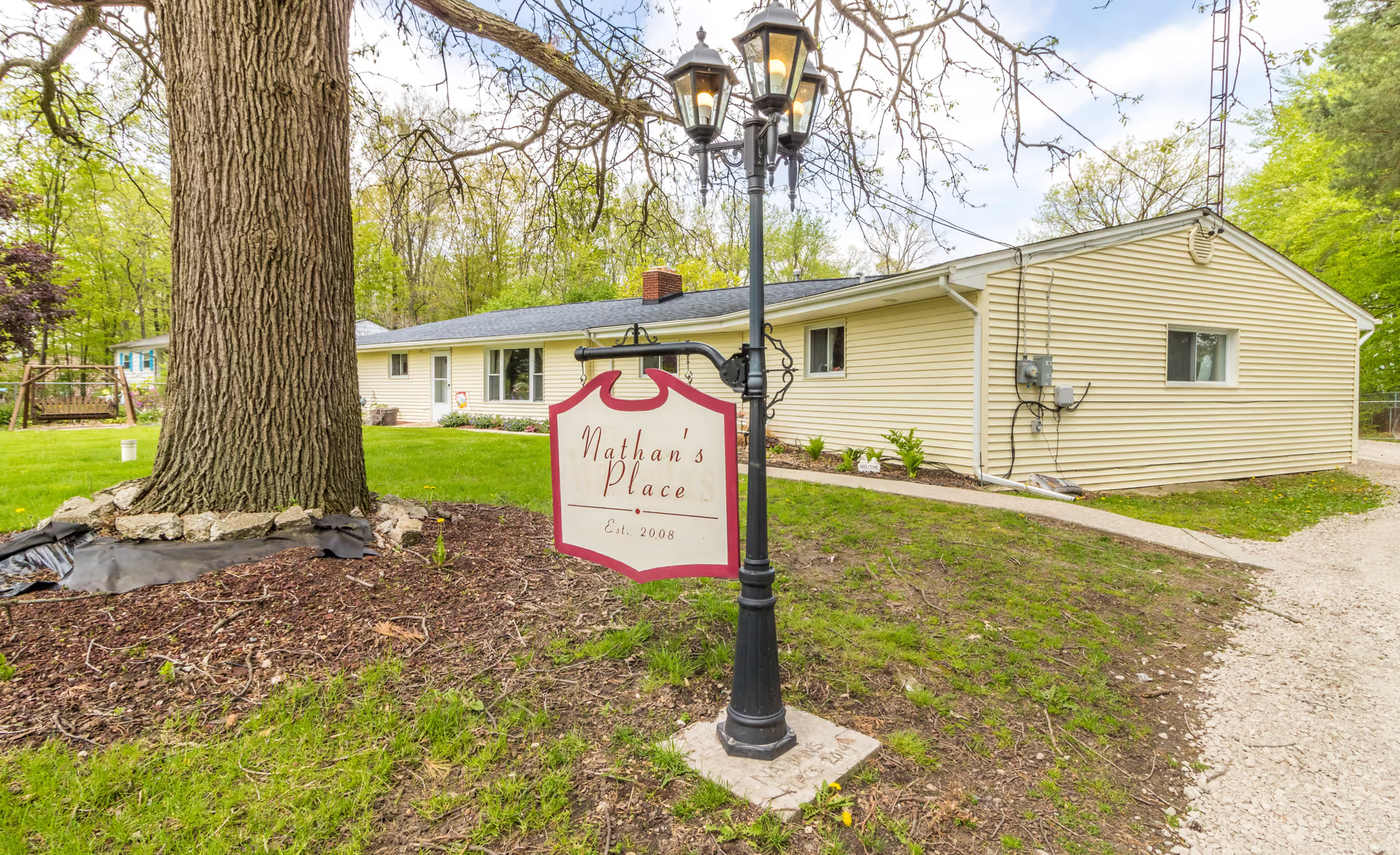
Physical plant and maintenance present mixed impressions. Several reviews praise well-appointed houses and attractive décor, but others describe aging buildings, dated interiors, small bedrooms, and limited private bathing options. Accessibility is uneven—ramps and some adaptations exist, yet the layout and room sizes may not suit all walker or mobility-device users. Maintenance and sanitation standards appear inconsistent across units; while many areas are described as clean and well-kept, there are isolated concerns about room-level cleanliness and exterior upkeep that merit inspection during a visit.
Operationally, the facility is praised for strong family communication and personalized attention, but there are noted weaknesses in administrative follow-through. A number of families described gaps in clinical follow-up after hospitalizations, delayed communication in some post-discharge situations, and billing coordination issues. Prospective families should ask about discharge procedures, medication reconciliation, and billing practices to confirm expectations.
In summary, Sugarbush House's primary strengths are its caregiving culture, personalized and compassionate staff, homestyle dining, small-house living model, and integration with clinical and hospice services. Trade-offs include an aging physical plant in parts of the campus, limited private-bathroom availability, variable accessibility for mobility aids, inconsistent activity programming, and occasional administrative or maintenance variability. Families considering Sugarbush House should weigh the importance of staff quality and individualized care against the facility’s physical and programmatic limitations and perform an in-person tour focused on room size, bathing options, activity schedules, and the facility’s process for clinical follow-up and billing.