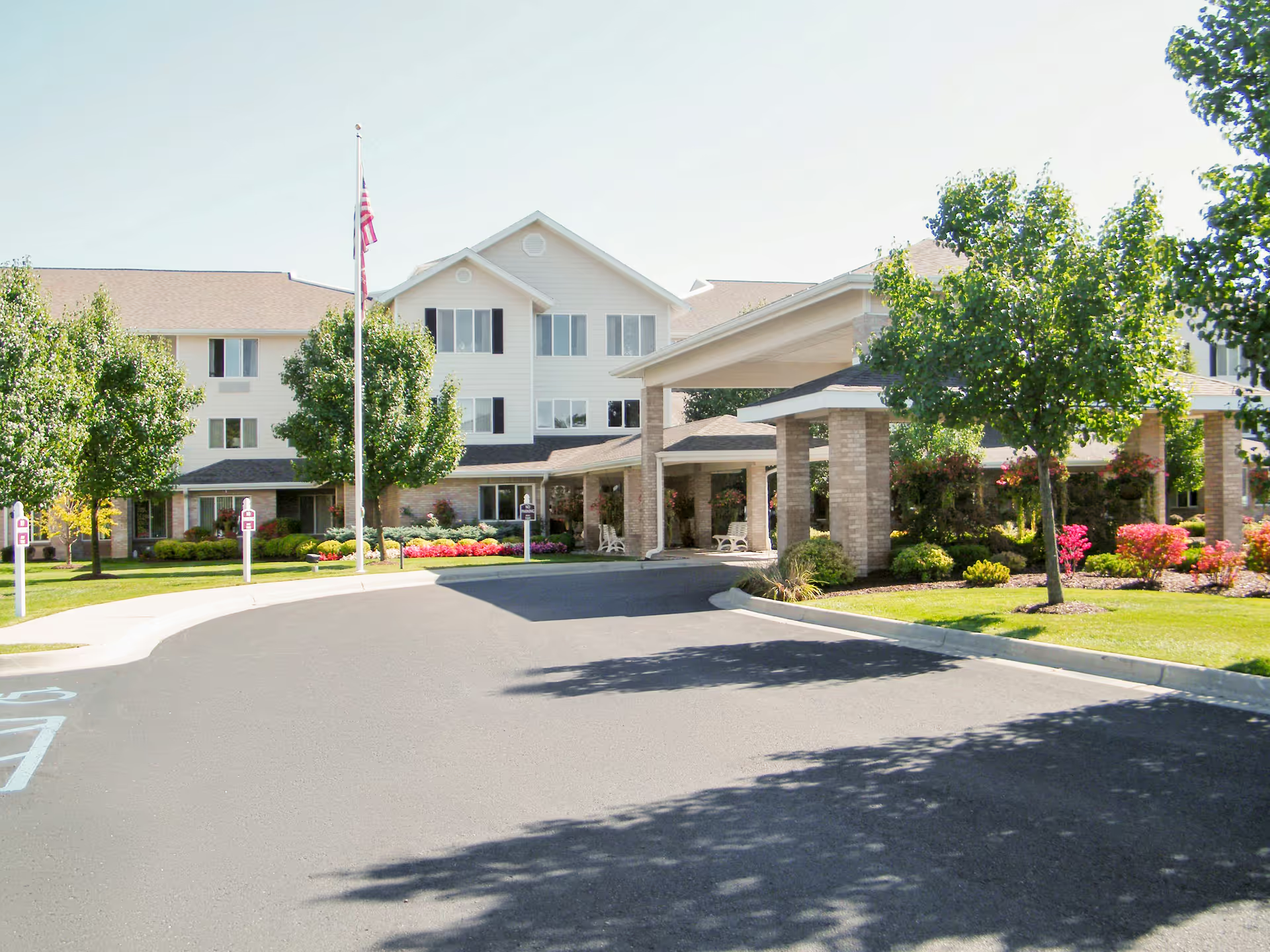
Sugarbush Manor elicits a split but informative set of impressions. Many families and residents describe compassionate, attentive caregivers and a supportive supervisory presence; these positive accounts emphasize individualized attention, weekly housekeeping, private suites with ensuite bathrooms, and an overall home-like environment. The facility is frequently praised for its clean, spacious apartments, an appealing dining room, and three balanced meals a day. Activity offerings such as exercise classes, arts and crafts, piano/music access, and dexterity-focused programs are highlighted as contributors to an engaged community for residents, including memory-care services for those who need them.
Care quality is portrayed positively by numerous families who note patient, familiar aides and occasions of clinical improvement for residents (for example, regained appetite or mobility). Several reviewers specifically commended one-on-one care, hospice support when needed, and staff who take time to know residents. At the same time, there are operational concerns that bear attention: reviewers describe periods of staffing instability and high turnover that appear to correlate with slower response times to call buttons, delays in assisting residents to communal meals or activities, and inconsistent availability of organized programming.
Dining and activities receive mostly favorable comments for food quality and the presence of varied social and physical programs; however, the frequency and reliability of organized activities are described inconsistently. Some families report a lively, active calendar and a cordial dining environment, while others note limited or irregular programming and instances when residents were not escorted to the dining room.
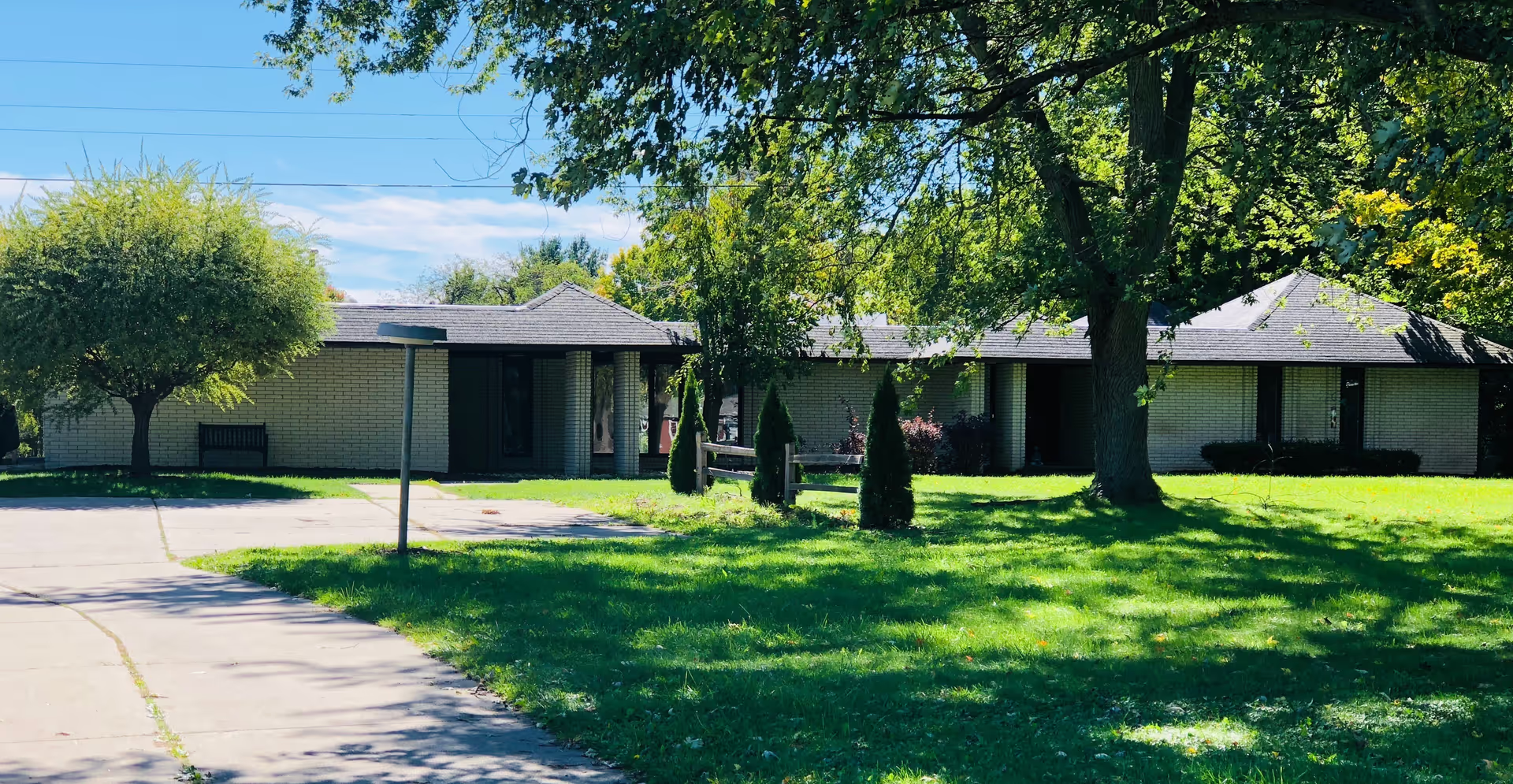
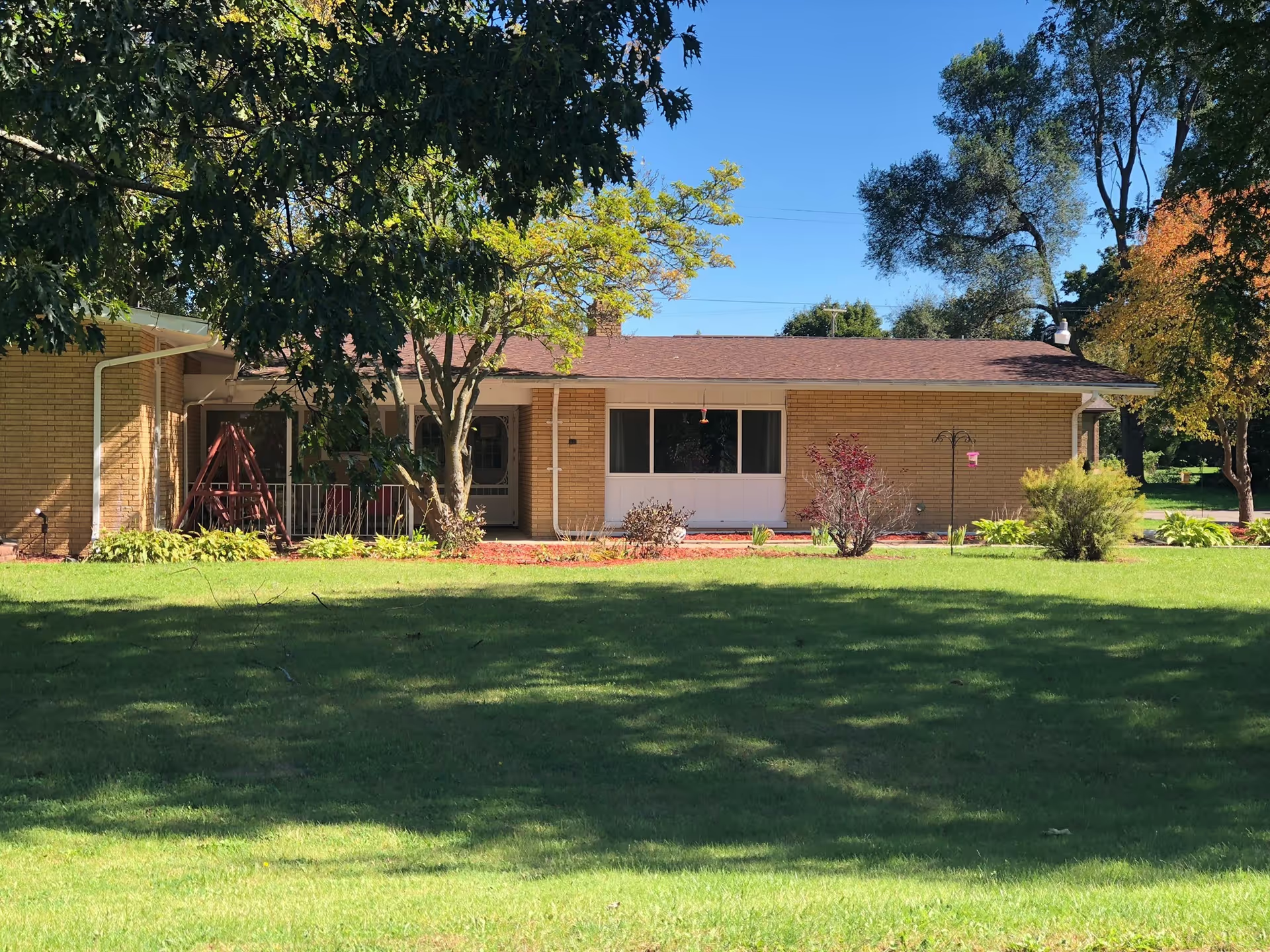
Facility condition and atmosphere are often seen as strengths: clean appearance, garden-like décor in rooms, and a welcoming communal feel are recurring positives. Nonetheless, a subset of feedback raises sanitation and cleanliness inconsistencies in certain areas. Safety and management oversight are notable themes: specific safety-related incidents and concerns about door security prompted questions about exit-monitoring practices and the timeliness of emergency response and family notification. These events, together with comments about managerial change and ownership transitions, suggest variability in operational oversight over time.
In summary, Sugarbush Manor presents several clear strengths—compassionate staff, comfortable private accommodations, good food, and a range of activities—that make it appealing for many families. Prospective residents and their families should weigh these strengths against reported operational weaknesses: staffing stability, response times, consistency of activity programming, and certain safety/communication gaps. For those considering this facility, it would be reasonable to ask management for current staffing ratios, emergency-response protocols, recent inspection or licensing updates, and the schedule of activities to confirm whether recent improvements and management commitments have addressed the outstanding concerns.