Overall impression: The reviews describe Western Hills Living as a well-kept, home-like senior living community with a generally positive culture of care and clear communication with families. Clinical oversight appears structured, with monthly physician visits and documented medical information packets used during intake and ongoing care. End-of-life needs are accommodated through hospice and palliative support, and at least one resident has remained at the community for an extended period, which suggests continuity of care for some families.
Care and staff: Families consistently emphasize prompt, communicative staff who provide timely notifications and appear accessible for questions. Staffing levels are described as sufficient to meet day-to-day needs, and staff conduct is framed as supportive in maintaining a good living atmosphere. The facility’s practice of providing medical packets and maintaining regular physician visits indicates an organized approach to clinical coordination; hospice introduction has also been handled within the community framework.
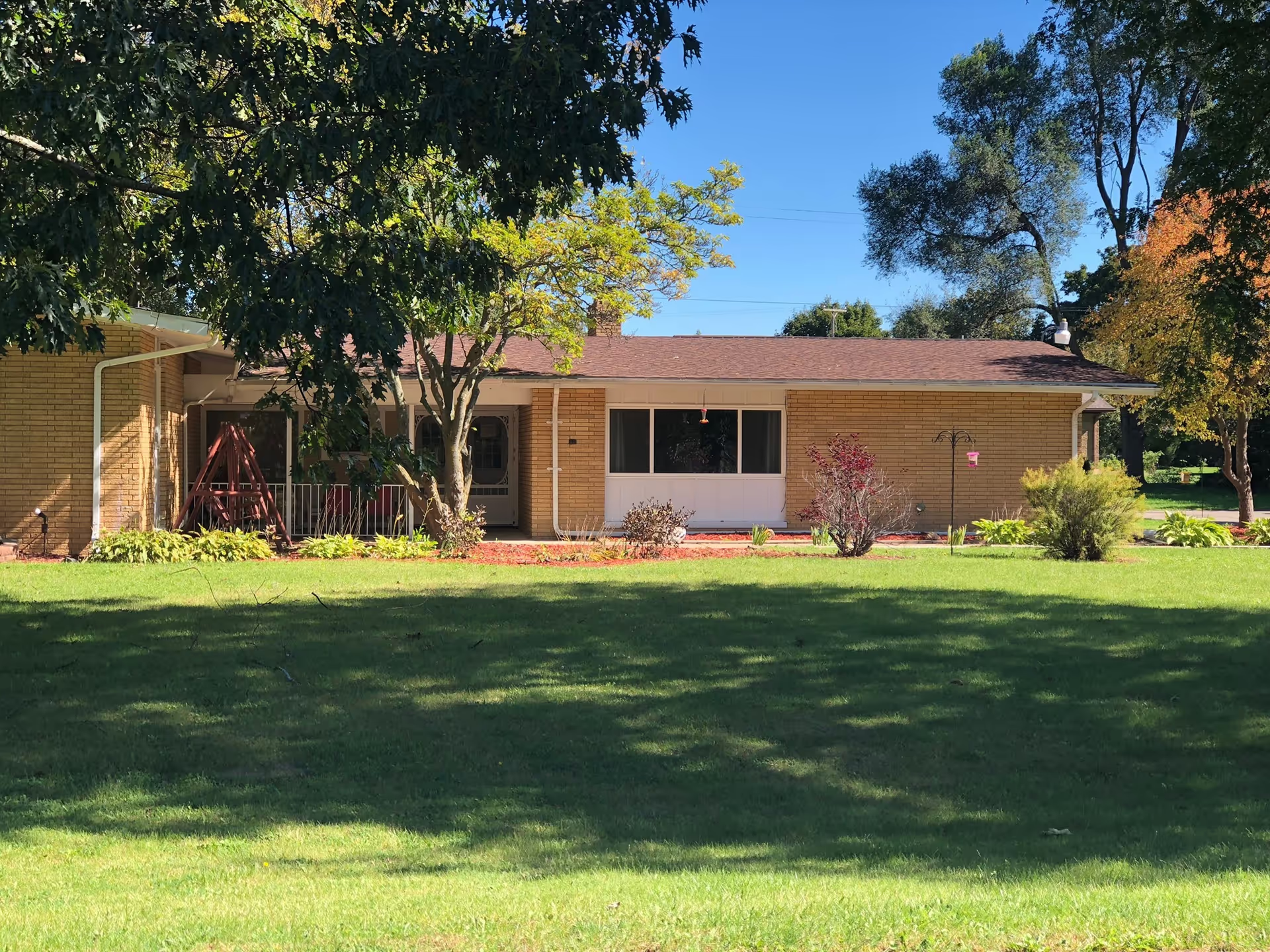
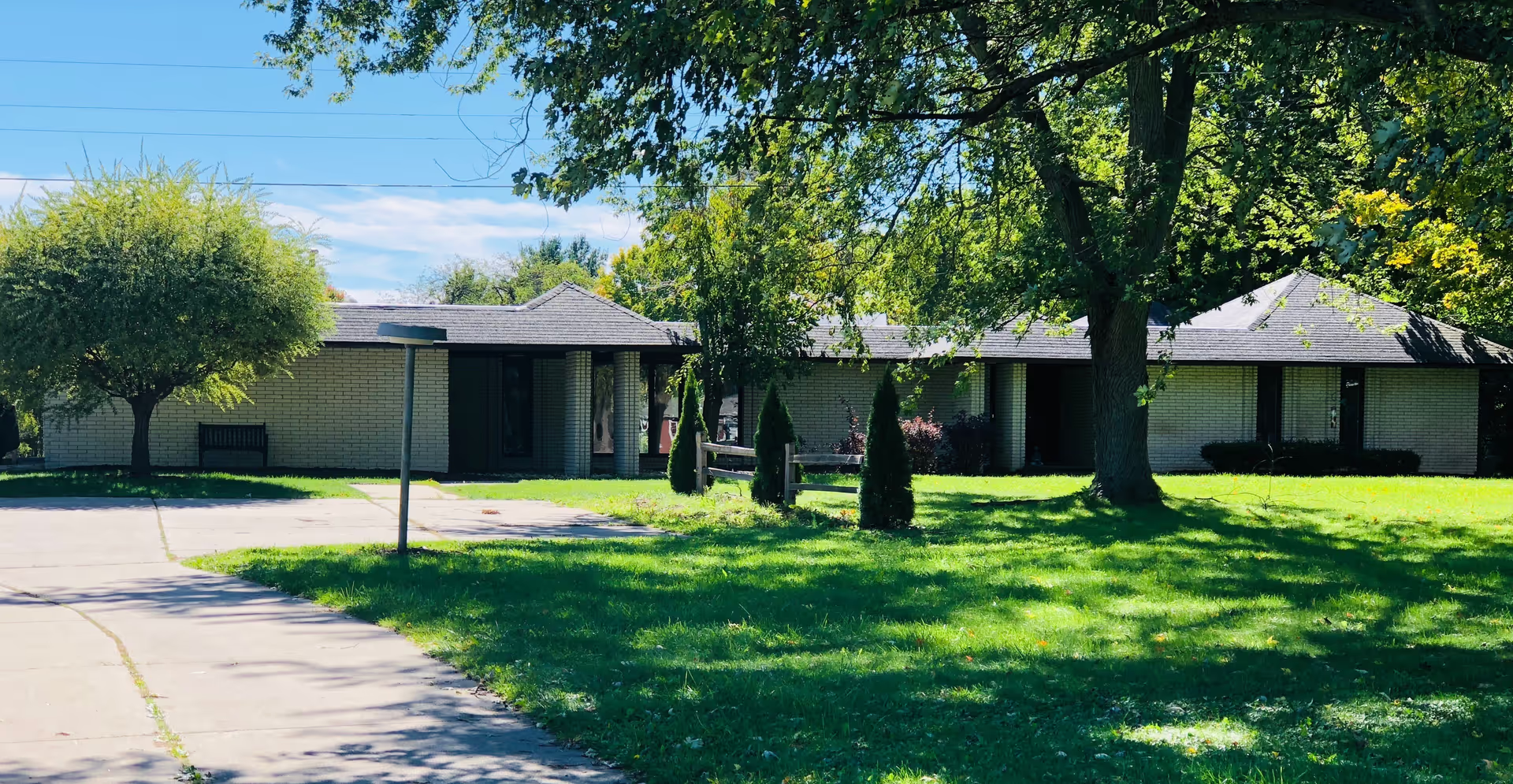
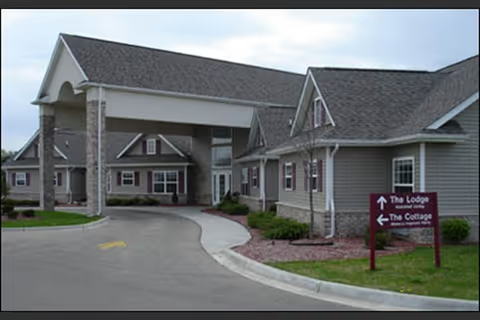
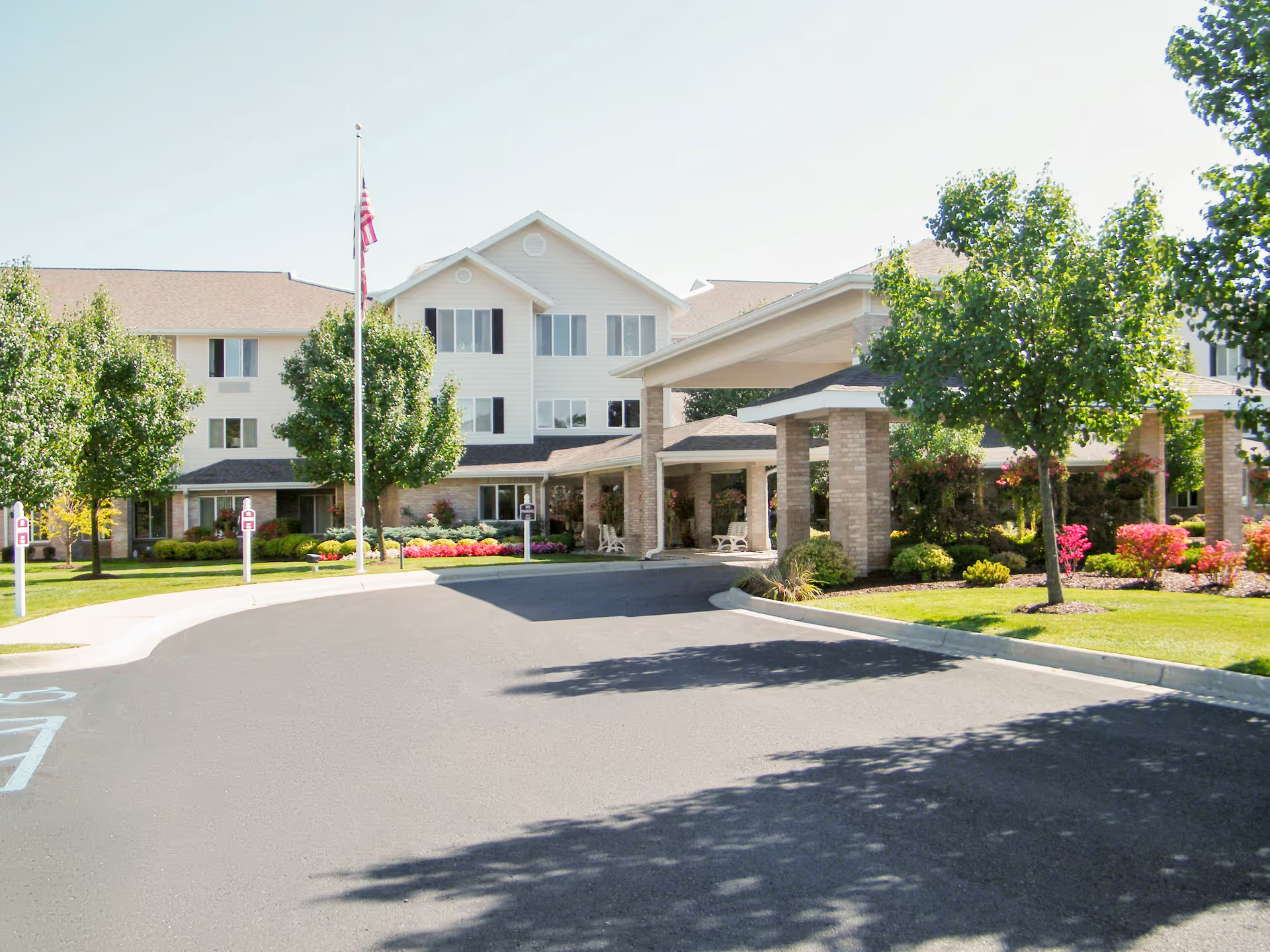
Facilities and cleanliness: The facility is described as attractive and well maintained, with clean common areas and clean shared rooms. The environment is characterized as home-like and pleasant, contributing to a generally positive resident atmosphere. The community’s location is noted as convenient, which may be important for visiting family members. A consistent operational note is that private rooms are relatively small and room layouts vary; prospective residents should inspect individual room dimensions during tours to confirm they meet mobility, storage, and furnishing needs.
Activities and lifestyle: Social programming, including seasonal and holiday events, contributes to the resident experience and supports a communal atmosphere. Review content provided limited detail about dining quality and menu variety; families tended to focus comments on staff interactions, cleanliness, programming, and clinical oversight rather than food service specifics.
Management and admissions: Admissions and touring experiences are described positively, with staff appearing welcoming and responsive during the placement process. The facility’s administrative practices—such as distributing medical information packets and maintaining regular physician access—suggest an organized approach to resident intake and ongoing clinical communication.
Notable patterns and considerations: Strengths center on staff communication, cleanliness, visible clinical oversight, and a comfortable, decorated environment with active holiday programming. The primary operational limitation noted is constrained private-room space and variability in room layouts; this is an important consideration for families prioritizing private-room size or specific furniture/accessibility needs. Prospective residents and families should arrange an in-person tour focused on private-room dimensions, inquire about dining menus and meal accommodations, and confirm staffing patterns for peak-care periods to ensure an appropriate fit.