Reviews for this facility are highly polarized: many families and visitors praise individual staff members, therapy outcomes, and aspects of the environment, while other accounts describe operational and clinical shortcomings that affected resident care. The overall pattern suggests pockets of strong performance alongside recurring, facility-level weaknesses that prospective families should evaluate when considering placement.
Care quality shows a wide range. Several families reported clear clinical improvement tied to the therapy team and described attentive nursing and aide support that produced measurable gains. At the same time, a number of reviews indicate care inconsistencies: wound and skin-care issues, delays in toileting and hygiene assistance, and concerns about medication administration and monitoring. A subset of reviews raised allegations of serious clinical failures, including concerns following a resident's death; these accounts are particularly serious and merit documentation review and regulatory follow-up when present.
Staff behavior and responsiveness is another recurring theme. Many reviewers singled out compassionate, professional aides, nurses, and therapists by name and noted strong, hands-on unit leadership during particular shifts. Conversely, reviewers also described long call-light delays, limited nighttime coverage, and variability in staff attentiveness—often distinguishing between stronger daytime and weaker overnight performance. Communication tone and responsiveness at the reception and administrative level were reported as uneven, with examples of both welcoming admissions experiences and instances of poor follow-through.
Dining and activities receive mixed feedback. Positive comments include ample portions, palatable meals, and active social programming with seasonal events and group activities. Other reviewers described meal errors (including dietary-management mistakes) and limited or inconsistent activity engagement when staffing or leadership was less proactive.
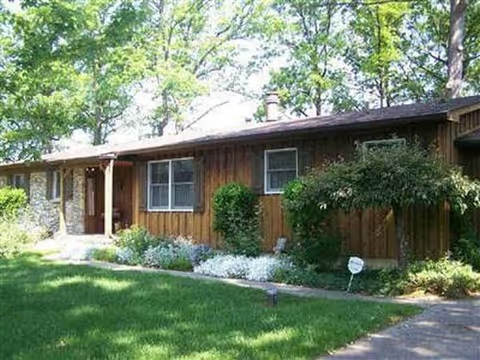
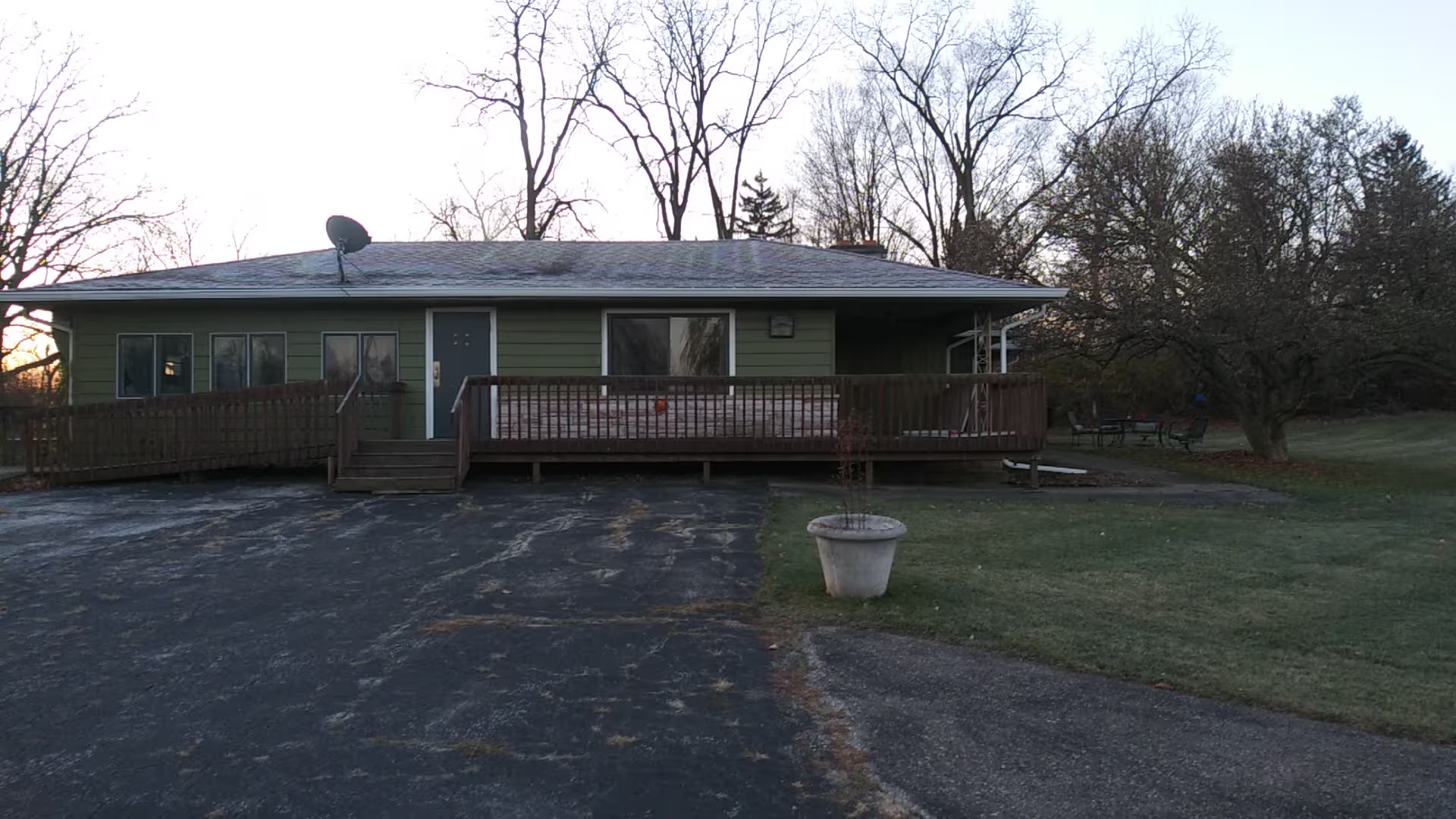
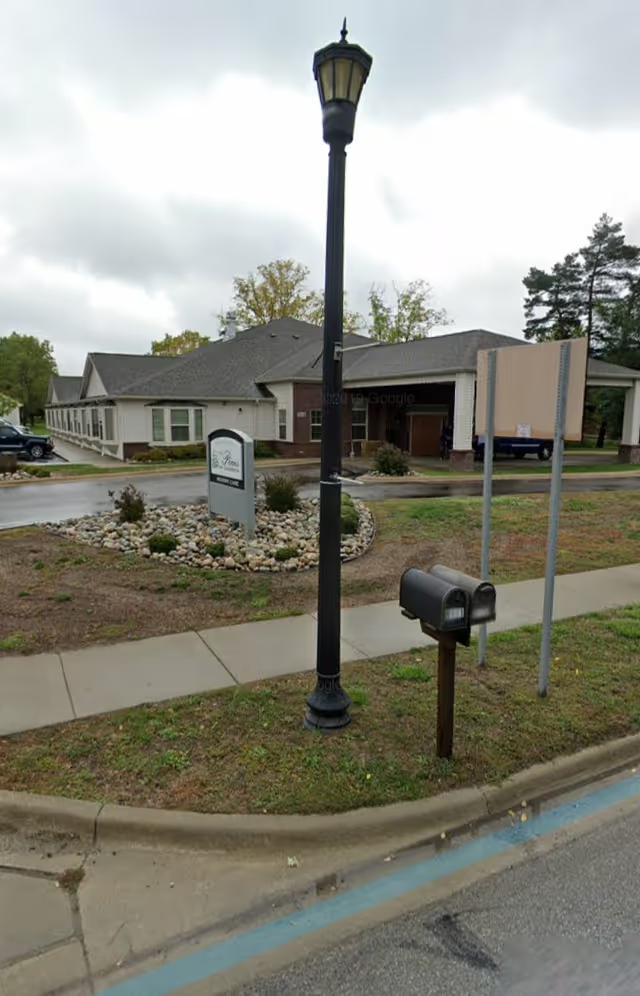
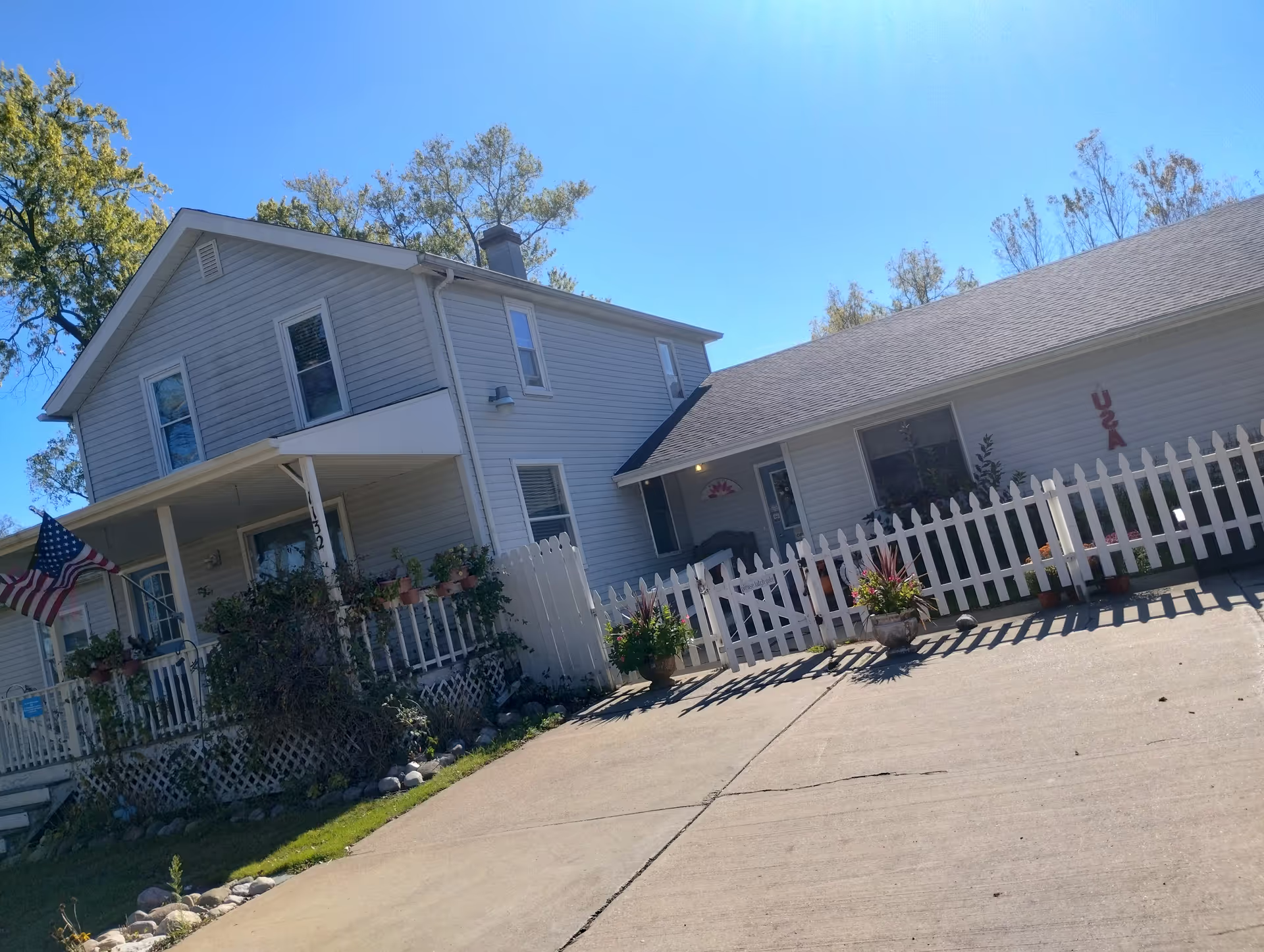
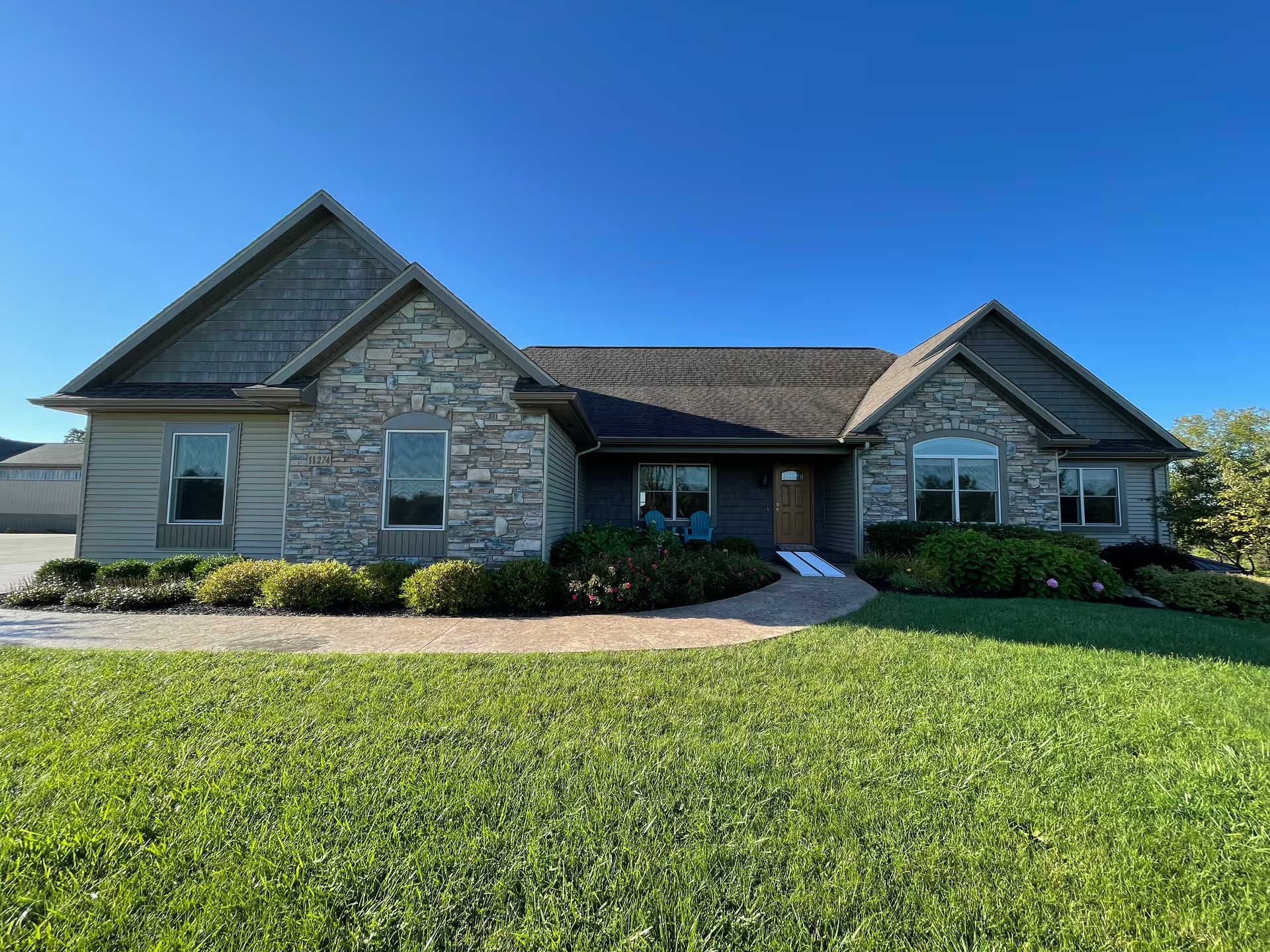
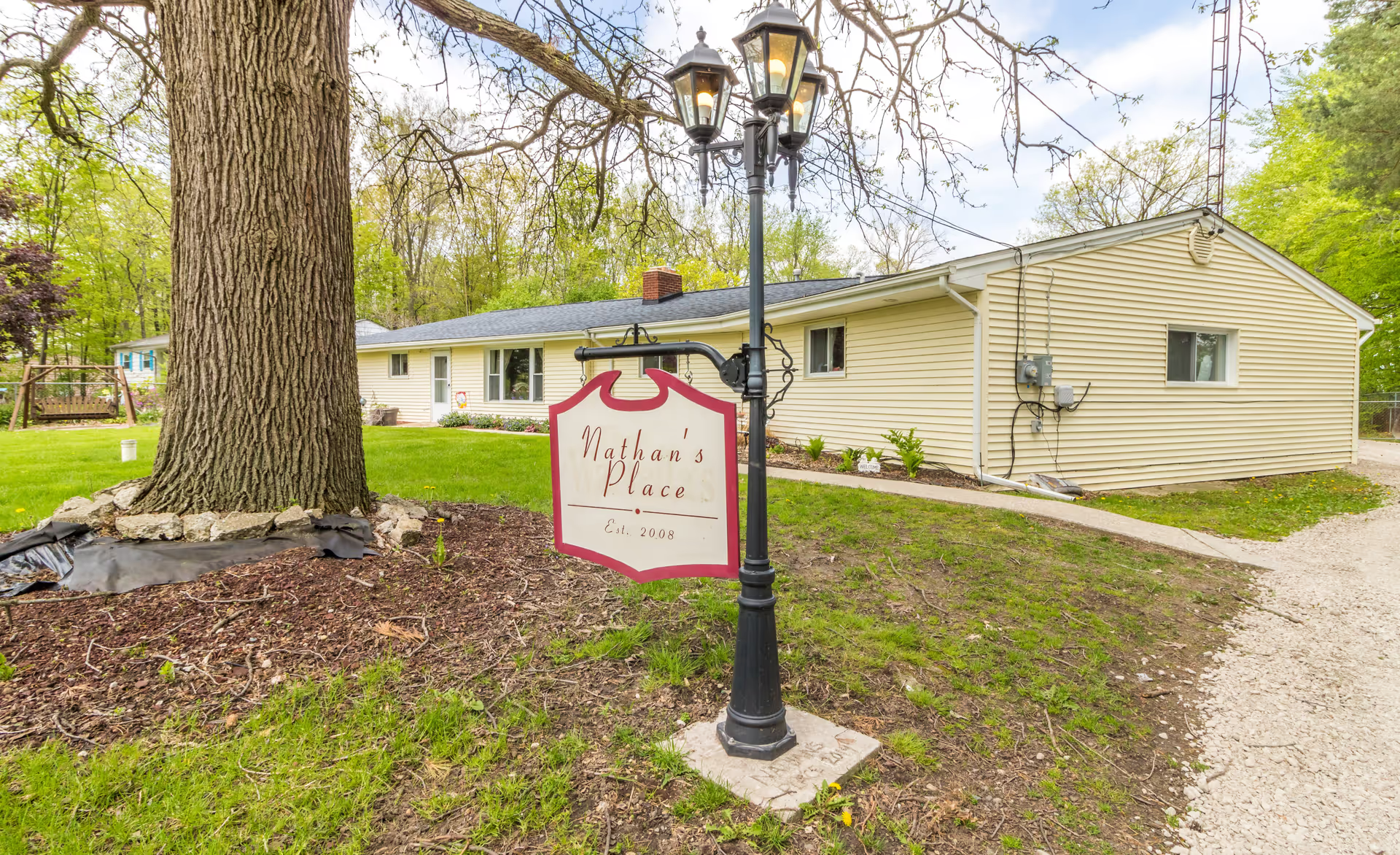
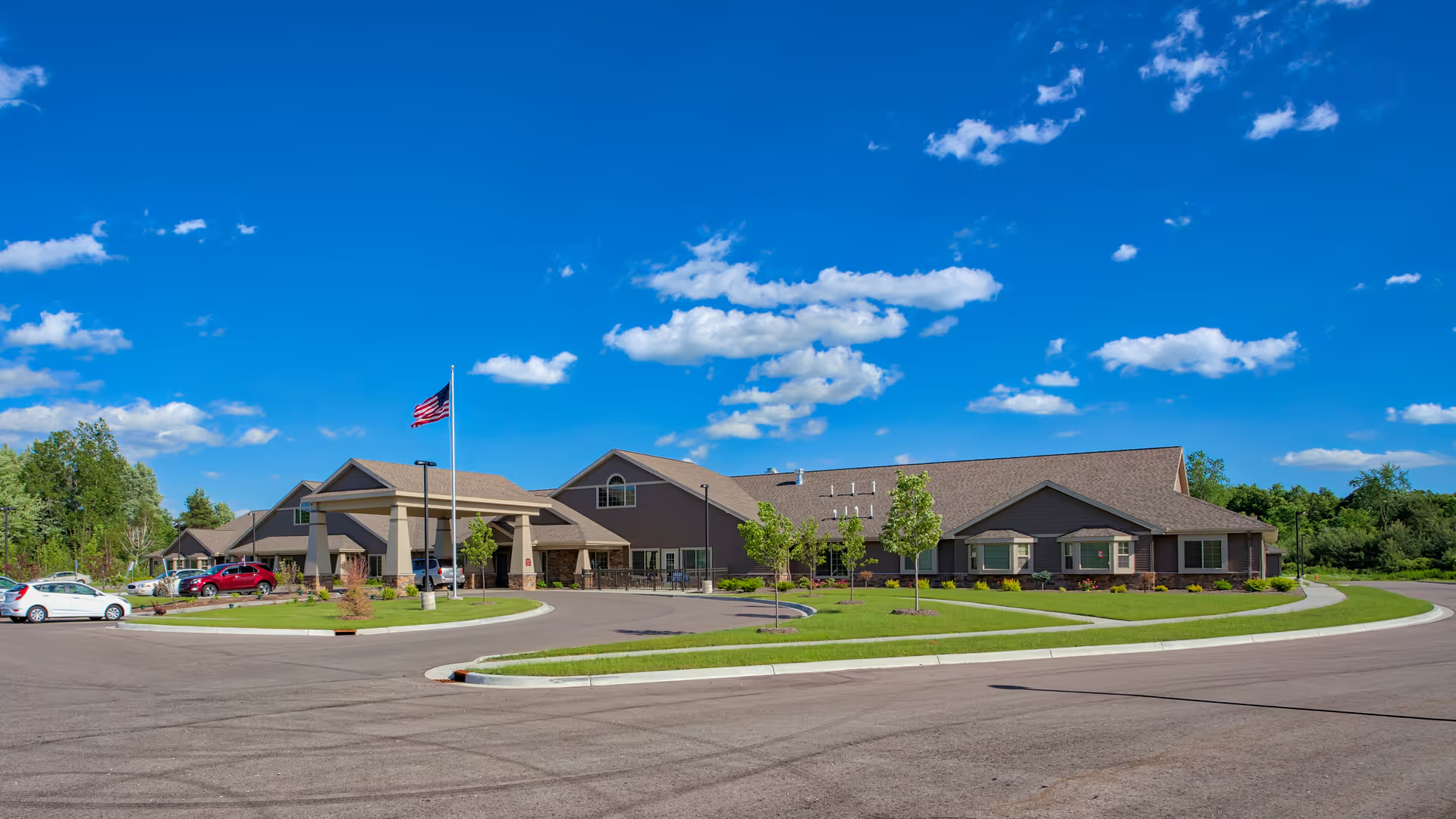
Facility condition and equipment reliability are mixed as well. Portions of the building and some rooms were described as clean and comfortable, while other areas were characterized as outdated, with maintenance needs, odor-control problems, sporadic heating/cooling issues, and concerns about pest control. Several reviews pointed to equipment failures or unreliable respiratory and suction devices; these comments highlight the importance of confirming the facility's maintenance and biomedical support processes for higher-acuity needs.
Management and administrative practices show variability. Some families praised responsive managers and quick corrective action; others described slow responses, unresolved concerns, billing discrepancies, and challenges coordinating with insurers. Given these patterns, families should ask for documentation of staffing ratios, recent survey/inspection reports, therapy schedules, equipment maintenance logs, incident-response protocols, and examples of care-plan communication.
In short, Medilodge of Grand Blanc presents as a facility with meaningful strengths—particularly in therapy and among several dedicated staff—but with notable operational risks related to staffing consistency, sanitation and equipment reliability, medication and safety practices, and administrative transparency. A recommended approach is an on-site tour across multiple shifts, targeted questions about clinical and maintenance protocols, and review of state inspection records and recent corrective actions before making placement decisions.