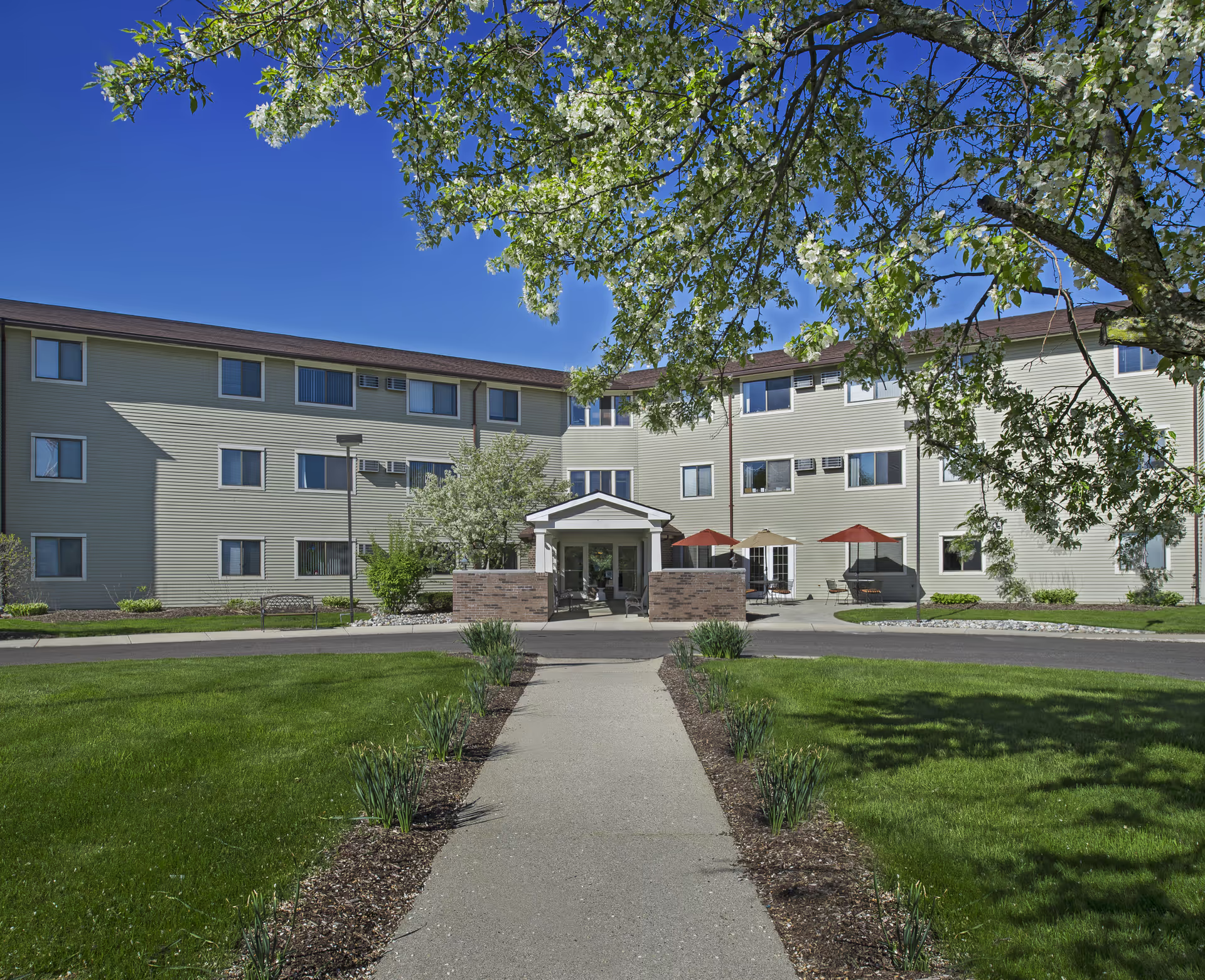
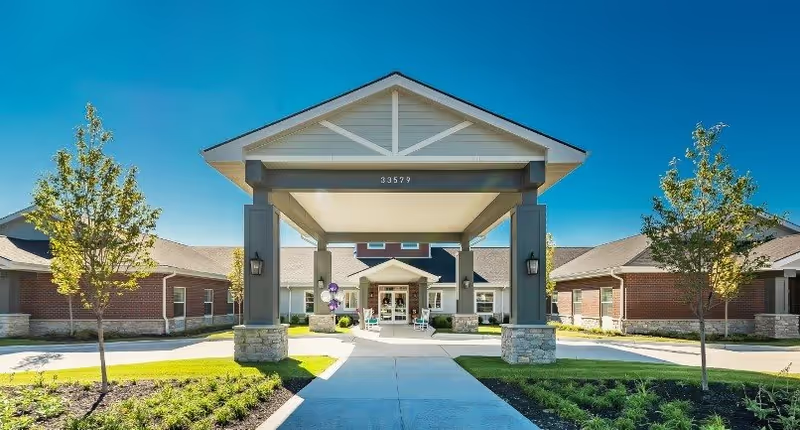
The reviews present a highly polarized picture of WellBridge of Grand Blanc. Many accounts highlight a physically appealing, hotel-like facility that is kept clean and well maintained, with attractive common spaces and an on-site Bistro. Rehabilitation and therapy services receive frequent praise from former residents and families; multiple reports describe effective physical-therapy teams and positive functional outcomes after short-term stays. A significant portion of feedback also commends compassionate direct-care staff, attentive aides, helpful reception and administrative personnel, and strong hospice/palliative-care offerings.
At the same time, a recurring cluster of operational concerns emerges across reviews. Staffing consistency and shift coverage are the most commonly cited weaknesses: families describe long call-light waits, limited weekend or after-hours availability, and variability between day and night shifts. These staffing challenges are linked to delays in assistance, inconsistent bathing and incontinence support, and slow medication administration. Medication-administration problems are described as both delayed doses and inconsistent handling processes, which reviewers identify as a major safety and trust issue.
Clinical oversight and care coordination show variability as well. Several accounts point to gaps in wound-care practices and infection-control processes, occasional hospital transfers for acute issues after discharge, and uneven discharge planning or therapy follow-through. Some families describe inadequate or interrupted therapy during stays, while others report excellent, daily rehabilitation — underscoring inconsistent delivery rather than a uniform program failure. Communication breakdowns with families and inconsistent follow-through on concerns further amplify perceived risk when clinical issues arise.
Dining and activities receive mixed but often positive comments. The Bistro and some dining staff are praised for quality meals and pleasant dining options; however, there are repeated reports of delayed or cold in-room meals and inconsistent meal delivery timing. Activity programming is generally considered engaging and beneficial where it is present, though some reviewers note limited outdoor space and variability in availability of scheduled events.
Management and leadership impressions are mixed. Several reviewers describe hands-on, communicative leaders who addressed concerns promptly and improved operations. Conversely, other accounts characterize management as unresponsive or adversarial, with inconsistent resolution of family complaints. Administrative issues also appear in billing and inventory control: missing personal items, incomplete inventories at admission or discharge, and at least a few serious allegations concerning belongings and financial discrepancies were reported.
Taken together, the pattern suggests a facility with strong physical resources and capability in rehabilitation and short-term care but with operational weaknesses that create variability in resident experience. Prospective residents and families would benefit from focused questions during a tour and intake: current staffing ratios by shift, weekend coverage plans, medication-administration protocols, wound-care and infection-control procedures, inventory and personal-belongings policies, call-bell response time expectations, and recent inspection or quality reports. Observing meal service and a therapy session can also help assess whether the particular unit’s practices match the positive aspects noted by many reviewers.