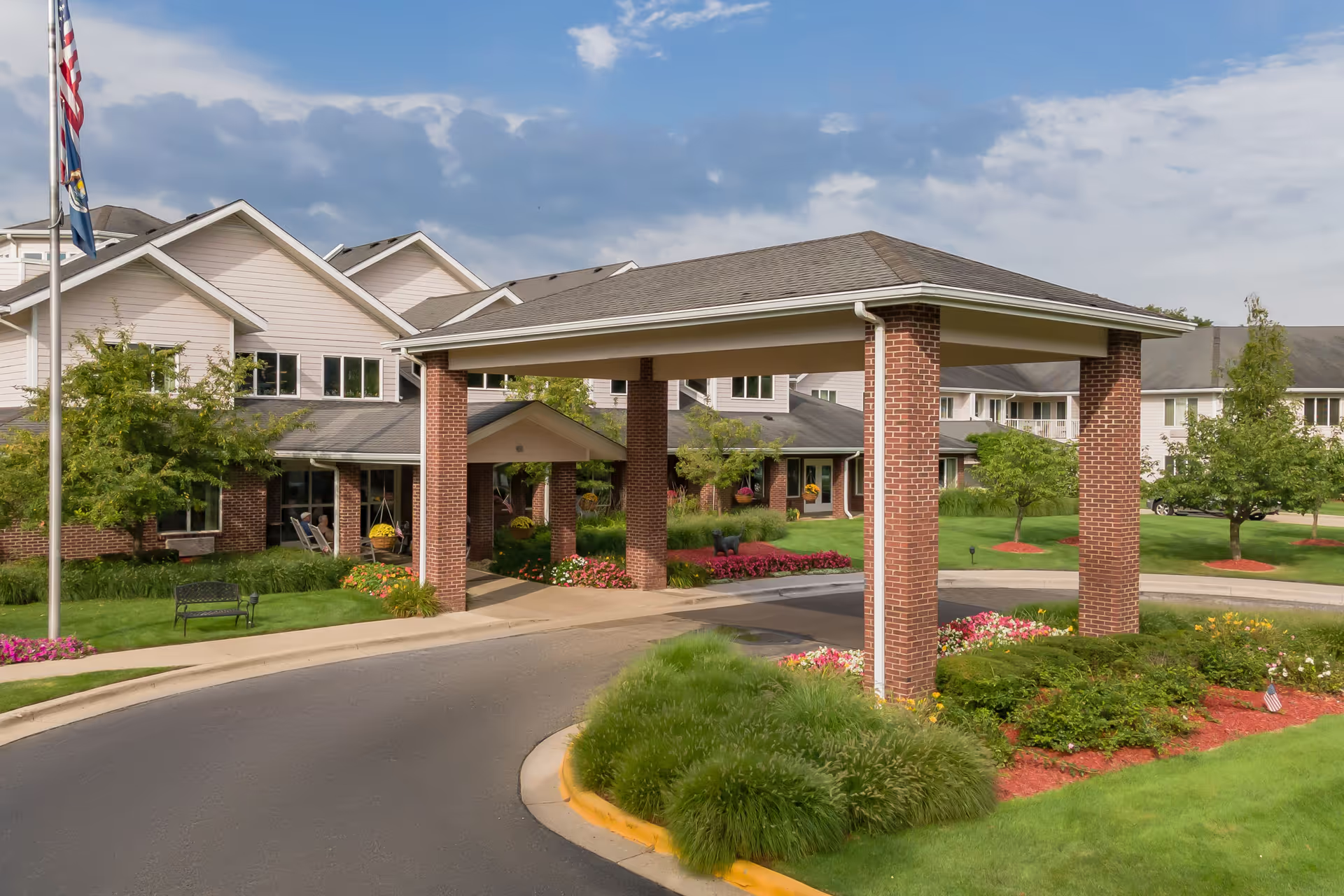
Overall impression: Clark Retirement at Franklin presents as a facility with many institutional strengths—clean, well-maintained interiors; a broad range of on-site services; and an active calendar of resident-focused programming—paired with several operational weaknesses that recur across reviews. Families frequently highlight compassionate caregiving, a sense of home among long-term residents, and the convenience of multiple care levels under one roof. At the same time, persistent issues around staffing, communication, and contractor-dependent services create variability in daily experience and service reliability.
Care and staff: Clinical and daily-care coverage is a mixed picture. Reviewers commonly describe nurses, aides, and activity staff as caring, attentive, and oriented toward personalized engagement: frequent check-ins, tailored activities, and assistance that helped residents maintain social connections. On-site rehabilitation and therapy are noted as valuable, enabling residents to remain in the community rather than transfer elsewhere. However, staffing consistency is an important concern: high turnover and shift-level shortages are associated with slow call-light response times and occasional delays in assistance. Several comments indicate the staffing shortfall can affect perceived safety and timeliness of care during certain shifts.
Dining and activities: Dining has traditionally been a strong feature—diverse menus, generous portions, and an emphasis on communal meals—but food quality and service reliability have shown variability after the facility transitioned to an external contractor. Reviewers mention both very positive dining experiences and periods of reduced portions, substitute menus, or service lapses tied to vendor performance. Activities are a clear strength: daily programs, music, crafting, exercise classes, jewelry making, outings, an on-site chapel, and a range of social options are frequently cited as enhancing resident quality of life.
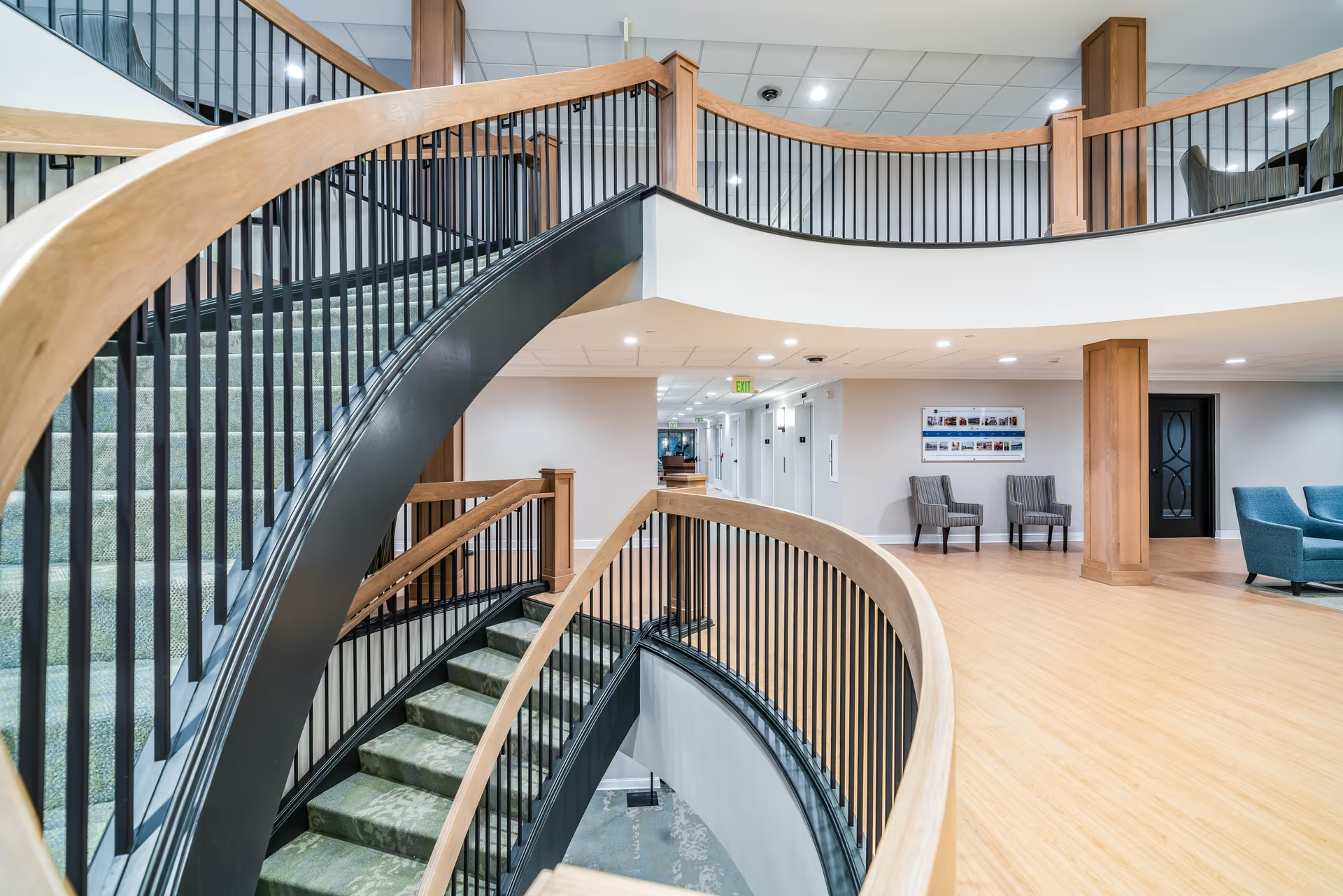
Facilities and amenities: Physical plant and amenities are generally praised. The community offers apartment-style living, salon and wellness spaces, a pool and gym, a café and convenience store, and secure memory-care environments. Most reviewers find the grounds and common spaces clean and pleasant; some note certain wings or higher-acuity floors appear older and could use updating. A few operational details—such as locked balconies requiring supervision or inconsistent room readiness at move-in—highlight areas where protocols and communications could be tightened.
Management, communications, and finances: Several persistent themes relate to organizational processes. Families describe gaps in communication at move-in, occasional accounting and billing errors, and friction with billing staff. The buy-in program and policies that preserve residency in the event of depleted funds are viewed positively, but the community is also described as expensive, with various additional fees for services and intermittent pressure for ancillary payments. Management responsiveness to staffing and contractor issues is a repeated concern; some reviewers express disappointment with leadership continuity and how change-related problems have been handled. There are also a small number of serious individual complaints concerning resident transitions and end-of-stay handling that families found troubling.
Patterns and decision factors: Prospective residents and families should weigh the facility's evident strengths—clean environment, broad program offerings, onsite rehab, and generally warm caregiving culture—against operational variability driven largely by staffing fluctuations and third-party vendor performance. For those prioritizing robust programming, medical continuity, and community amenities, Clark offers compelling features. For those for whom consistent staffing responsiveness, modern finishes on all care floors, and predictable dining service are critical, the facility may warrant additional due diligence: ask for current staffing ratios, food-service oversight details, sample activity calendars, and written policies on move-in readiness, billing, and visitation to assess whether the community meets your expectations.