Cook Valley Estates presents a mixed picture: reviewers consistently describe a well-appointed campus with strong amenities and an active social calendar, but they also identify operational and care-delivery concerns that prospective residents and families should evaluate closely.
Care and staff: Several reviewers praised friendly and positive interactions with many staff members, and the availability of nursing care on site. However, a distinct set of concerns centers on responsiveness and clinical competence. Reviewers described delays in attending to urgent resident needs and instances where staff communication was perceived as dismissive. There are also comments indicating gaps in basic elder-care training. Taken together, these observations point to uneven performance across caregiving teams rather than a uniformly poor or uniformly excellent care environment.
Dining and activities: Dining and programming are generally cited as strengths. The community offers multiple dining rooms, chef-developed menus, consistently good food and coffee, and a variety of cultural offerings including concerts and lectures. The activity schedule supports an engaged community life. At the same time, reviewers noted a noticeable drop-off in programming continuity after major holidays, which suggests variability in year-round activity planning.
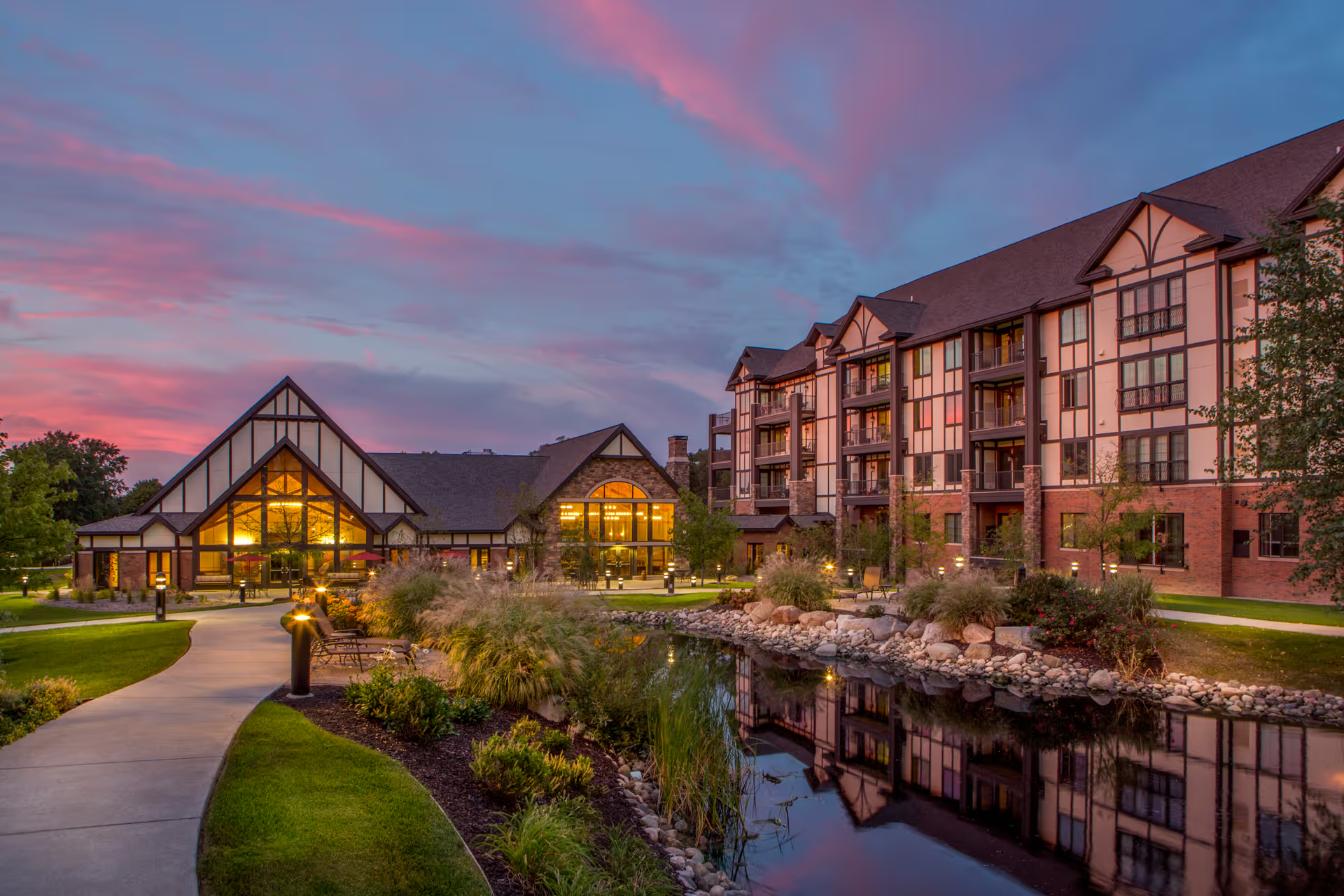
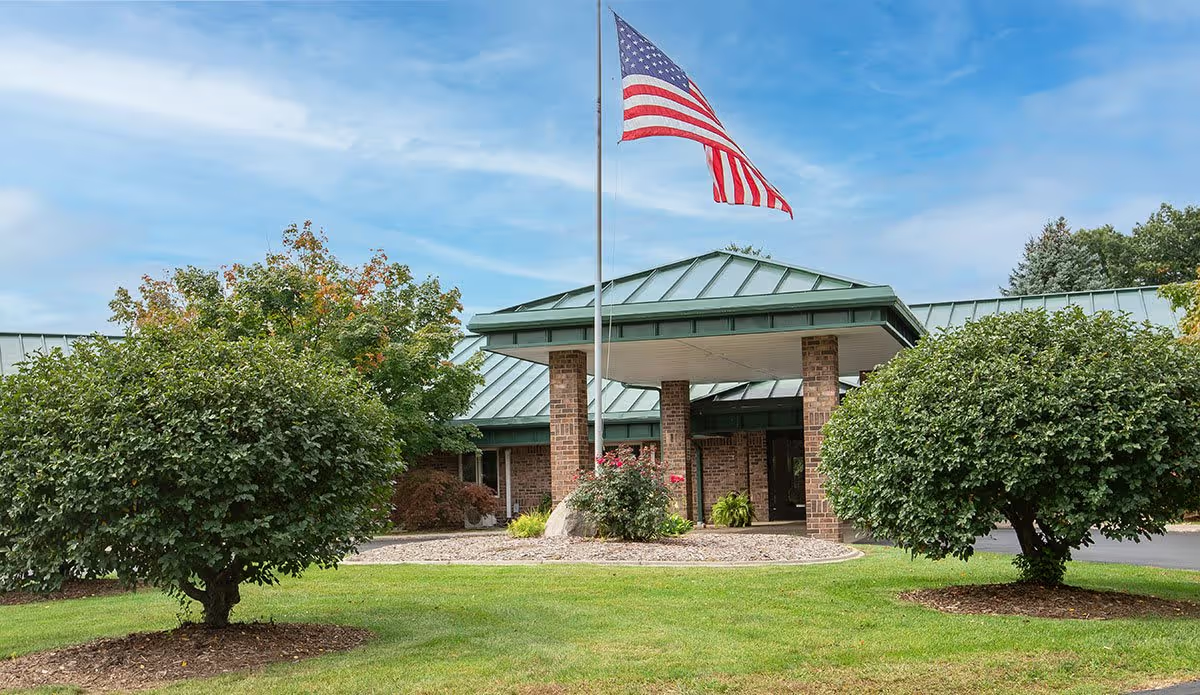
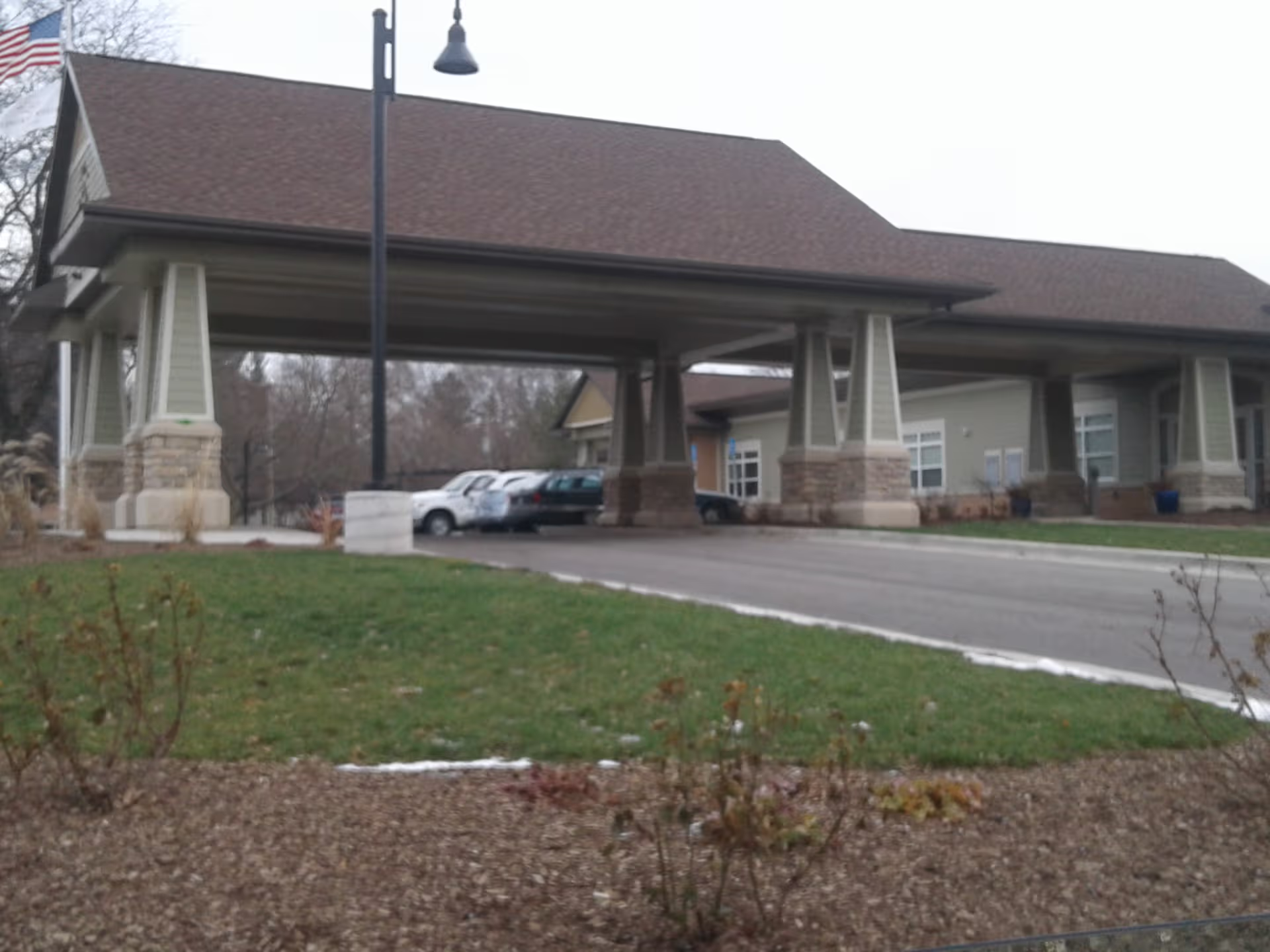
Facilities and living options: The physical plant receives positive remarks: apartment-style units with attractive layouts, villas with garages, well-maintained grounds, and strong natural surroundings with scenic views and wildlife. Transportation services to local stores and on-site amenities contribute to convenience and quality of life for residents.
Management and administration: Operationally, reviewers highlighted administrative weaknesses. There have been ownership changes, and back-office modernization is described as needed—examples include limited electronic payment options that require paper checks. These issues can affect billing convenience and overall administrative responsiveness. Management transitions may also be related to variability in staffing and policy consistency.
Notable patterns and advice: The overall pattern is a facility with strong physical resources, dining, and programming but with intermittent operational and clinical shortcomings. Prospective residents and families should tour the community, observe staff–resident interactions, ask about staff training and emergency response protocols, confirm post-holiday activity plans, and review administrative processes (including payment options and recent management changes) before deciding. These steps can help assess whether the community’s strengths align with an individual’s priorities and whether operational concerns have been or are being addressed.