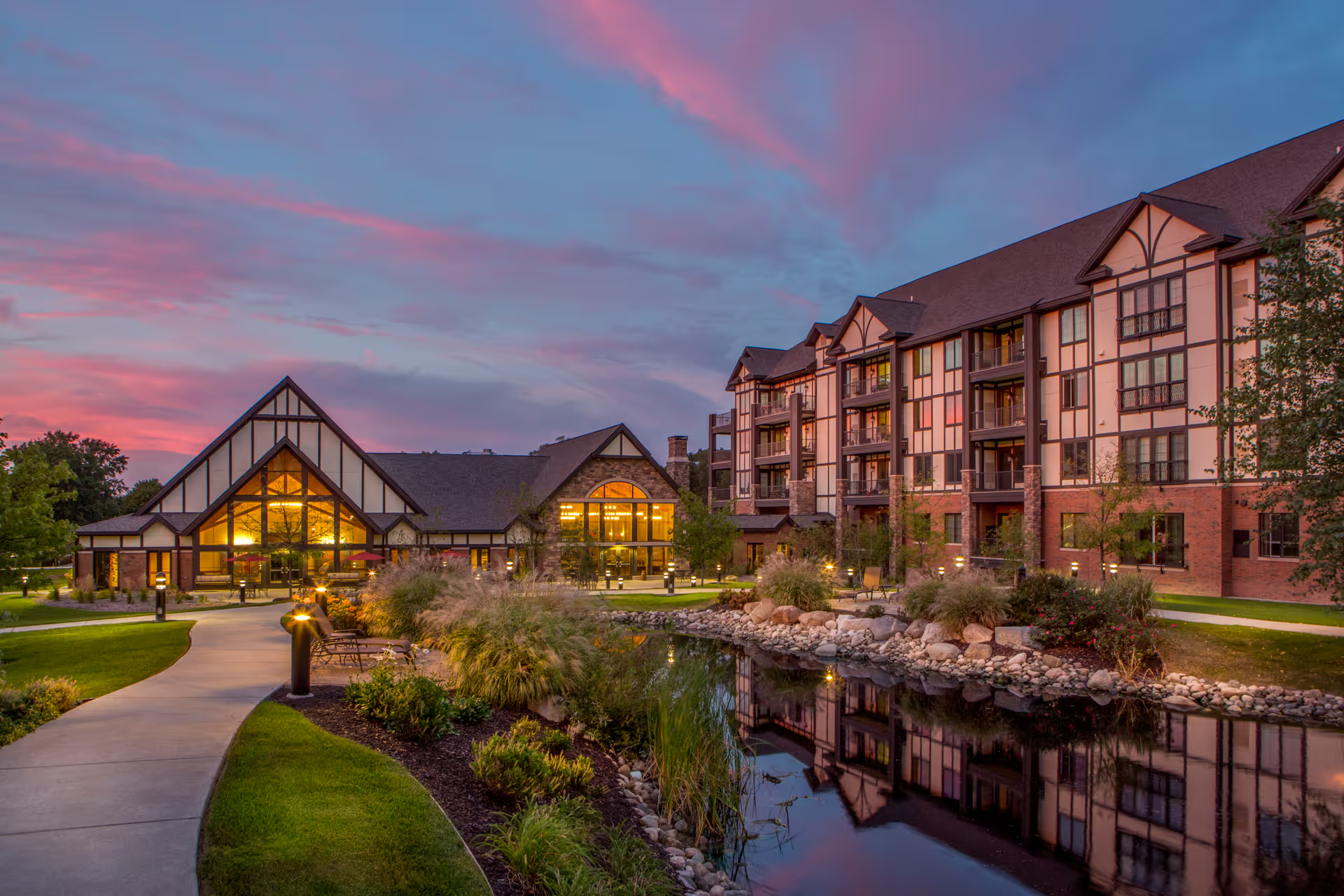
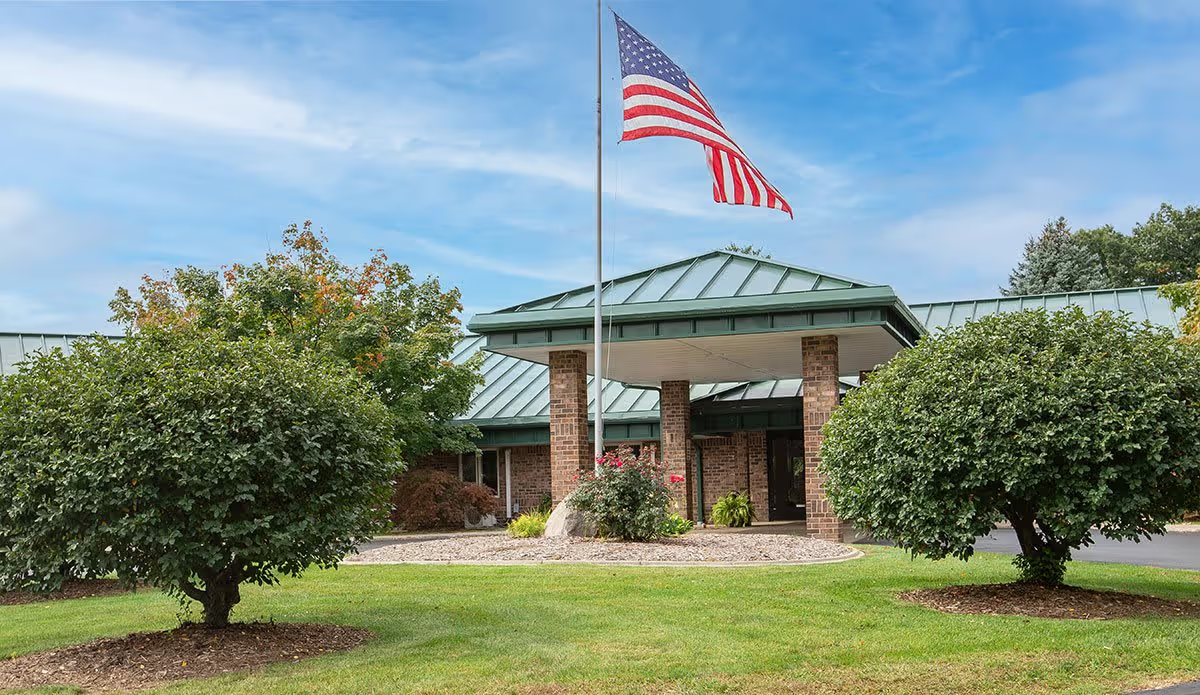
Overall impression: Holland Home Raybrook Campus presents as a well-appointed, amenity-rich senior community with strong positive feedback about its physical environment, social programming, and many elements of care. Reviewers consistently describe attractive grounds, an inviting foyer, and thoughtfully designed apartments. The campus offers a wide range of on-site amenities — multiple dining venues, a restaurant-style dining program with private dining options, a swimming pool, gym and workout rooms, woodworking and hobby spaces, and organized outings — which support an active lifestyle for residents.
Care and staff: Many families praised the staff as compassionate, attentive, and professional, and several accounts highlight strong end-of-life and palliative-care expertise and meaningful bonds between families and care teams. At the same time, a set of operational concerns appears repeatedly: inconsistent responsiveness to clinical needs, gaps in inter-shift communication, and instances of misplaced documentation and personal items. These issues suggest variability in day-to-day clinical coordination and record-keeping, which could affect continuity of care. There are also isolated but serious concerns around privacy controls for medical records and instances where follow-up by leadership was required to resolve clinical or property-related problems.
Dining and activities: The dining program is a clear strength; reviewers describe a varied menu, restaurant-style service, and the availability of private dining for families. The activity program is broad, with regular outings, outdoor walking opportunities, exercise options, and hobby-specific spaces that allow residents to pursue interests. For prospective residents who value an active, socially engaged lifestyle, the campus offers a robust portfolio of options.
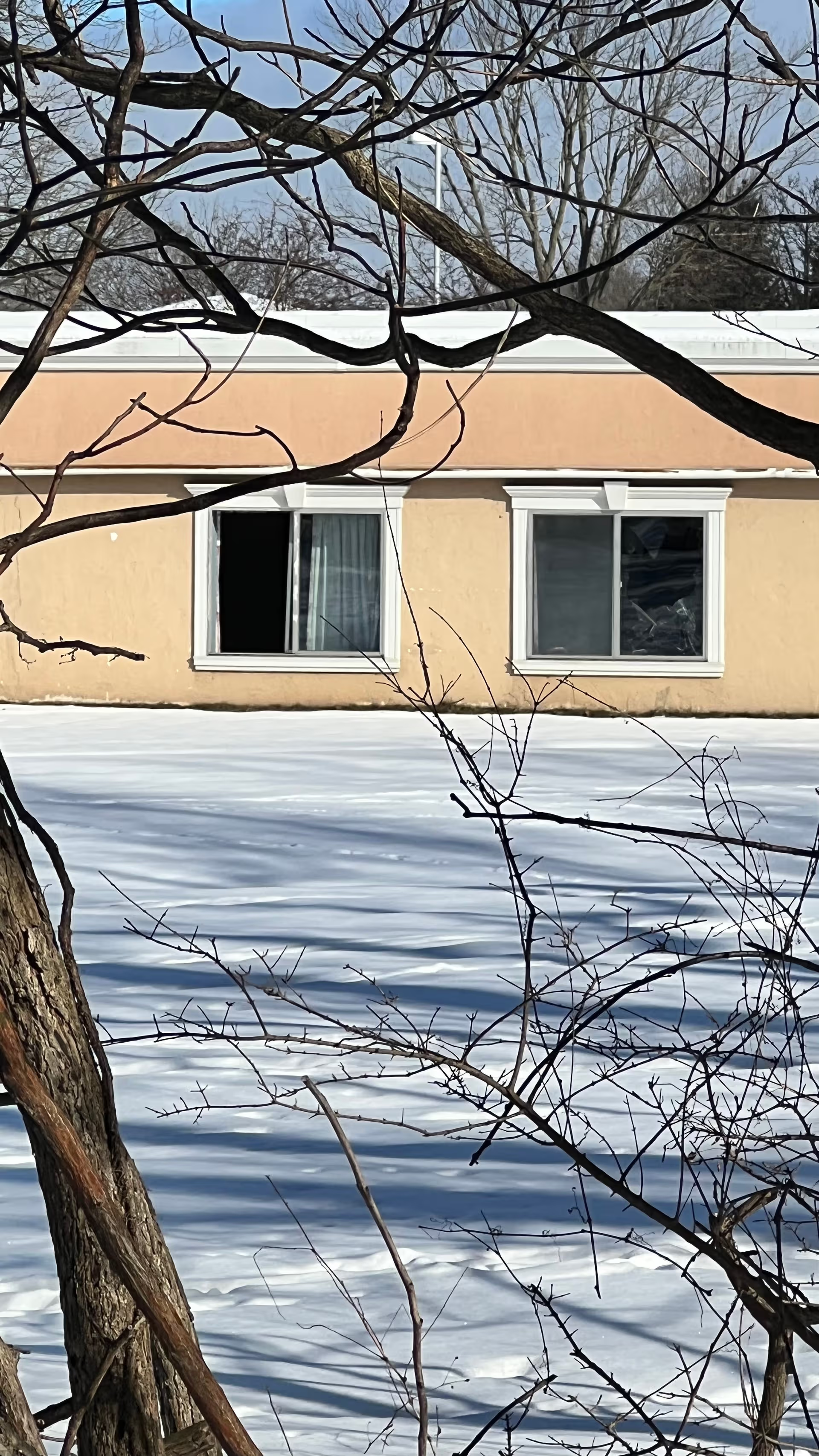
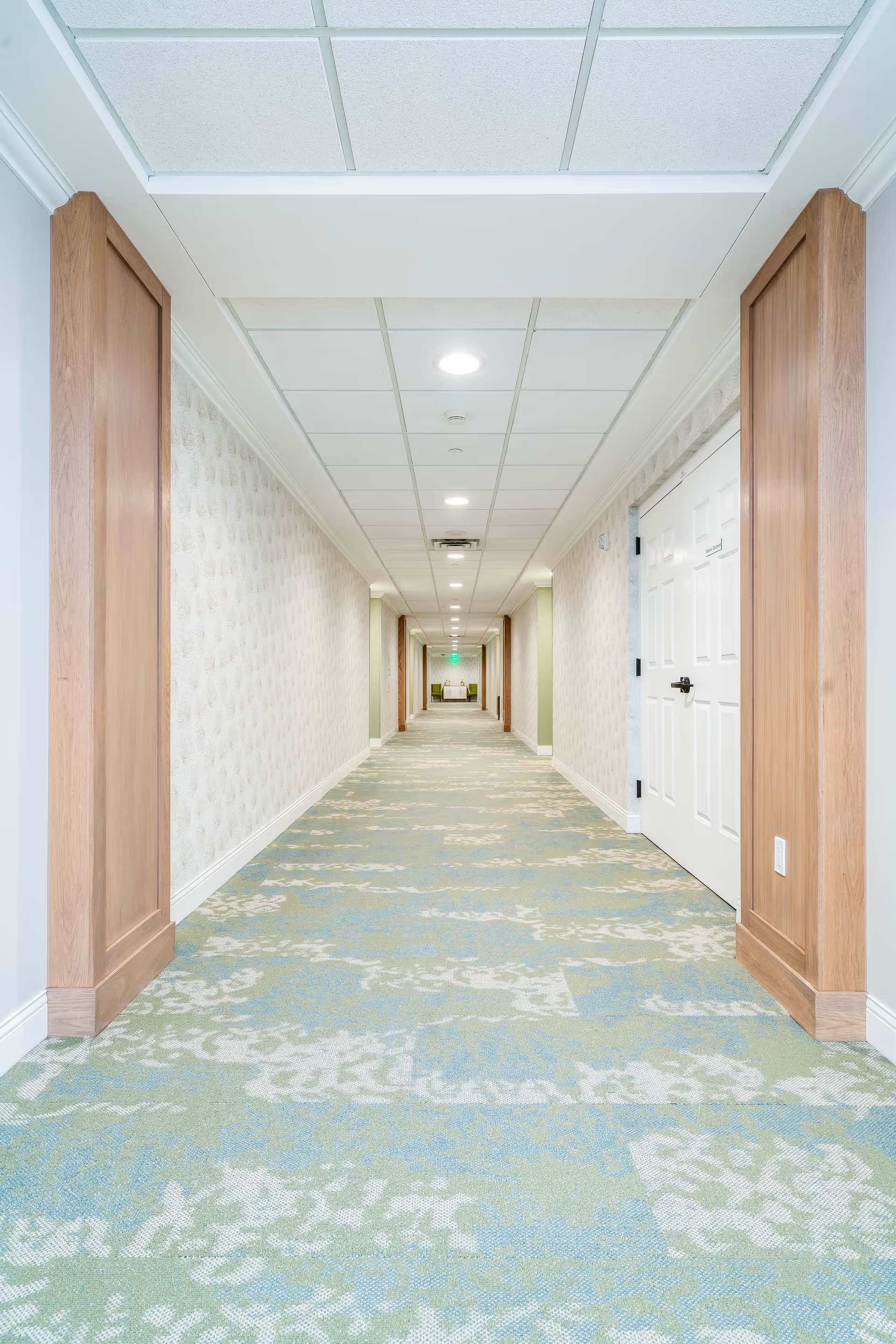
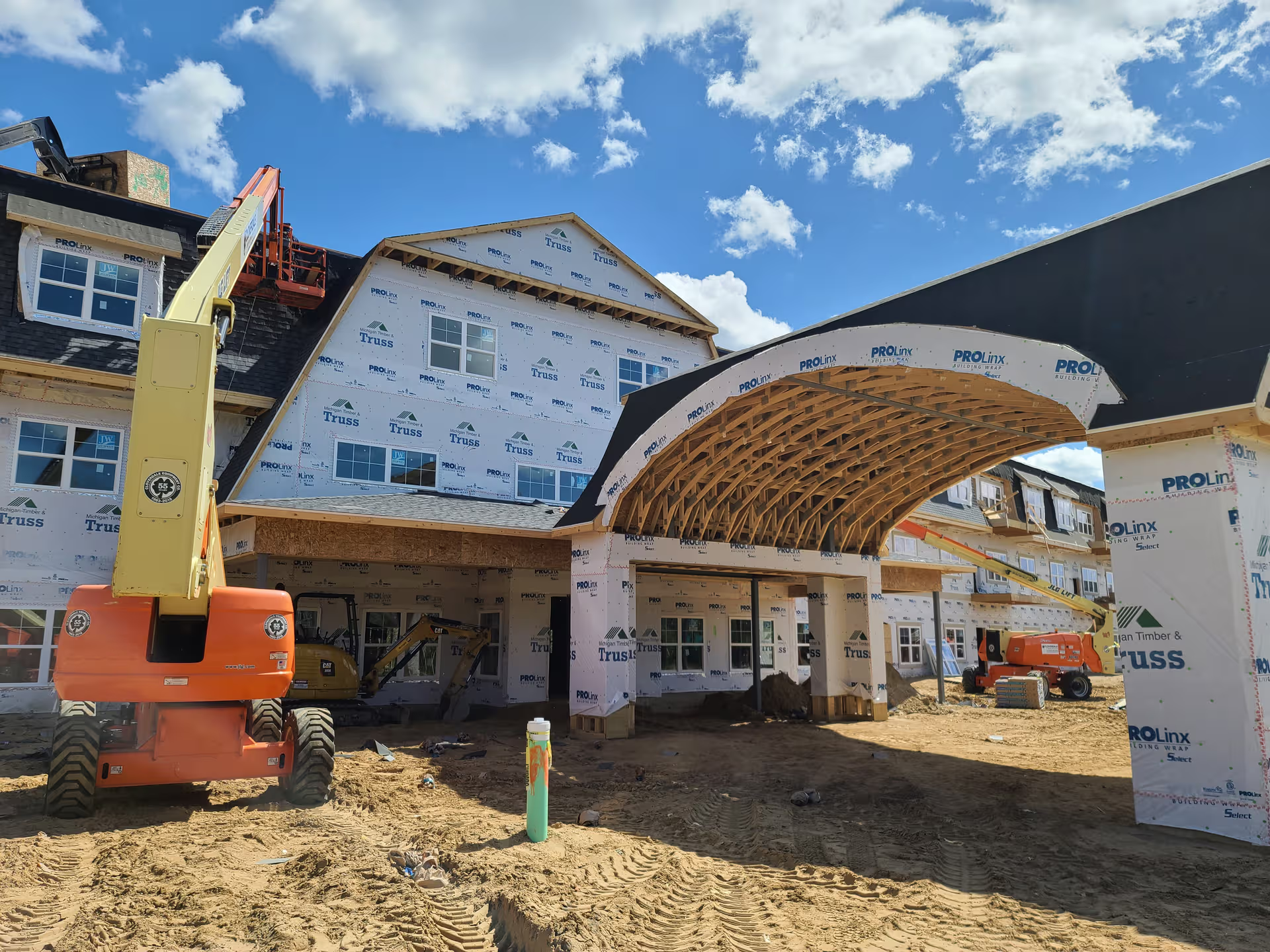
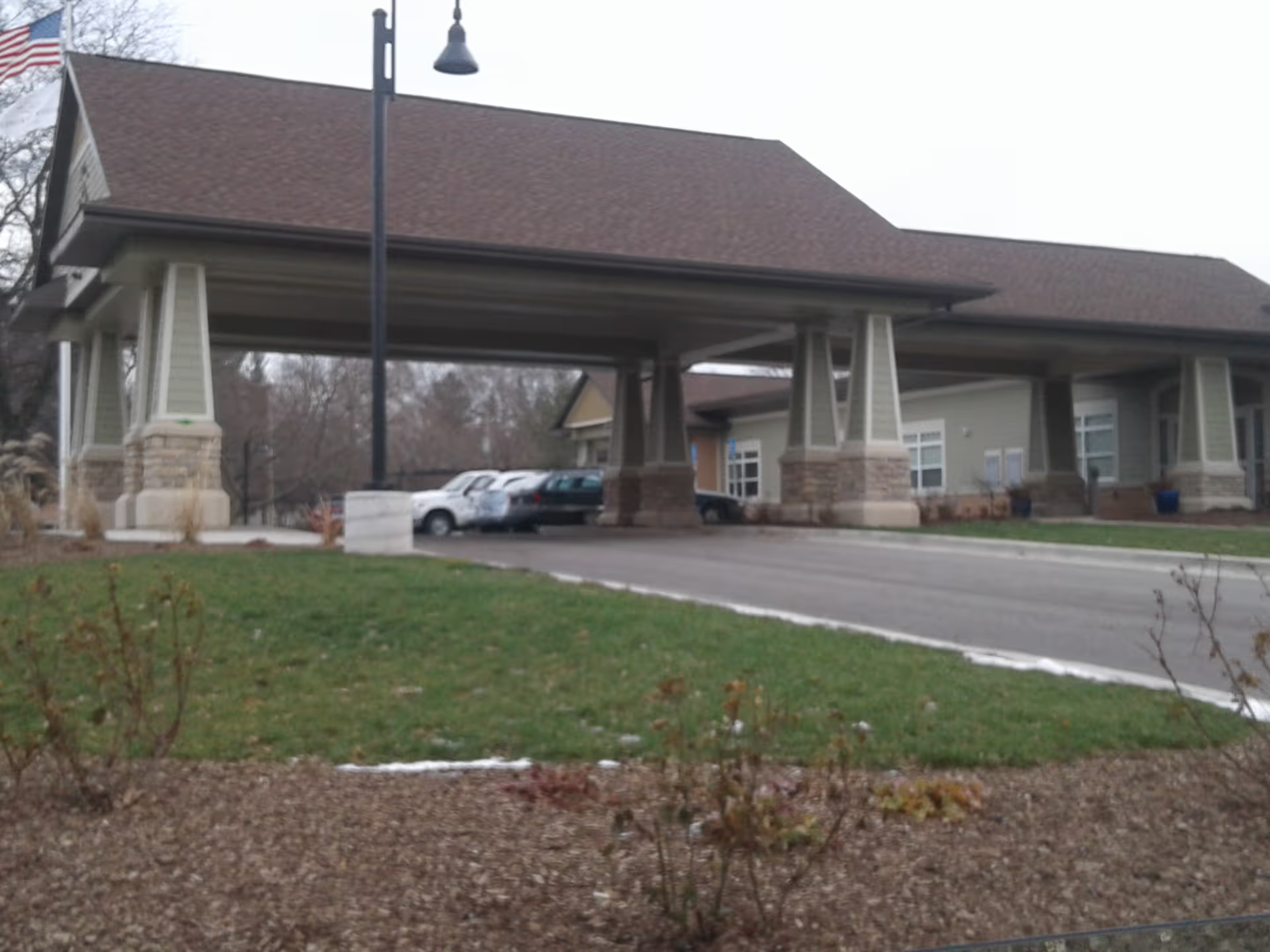
Facilities and housekeeping: The physical plant is frequently described as beautiful, well-kept, and functional even where buildings are older. Reviewers note comfortable rooms and a campus designed to support a range of needs. However, there are intermittent notes about housekeeping consistency and sanitation standards that prospective families may want to inquire about during a tour.
Management, costs, and logistics: Admissions tours and initial explanations of living options and costs are often described as clear and non‑pushy, but the community also has repeated comments about high buy-in fees and overall cost. There is also feedback indicating confusion about what services are included versus billed separately. Logistical issues such as delays at visitor entry (long waits to be buzzed in) and occasional variability in therapy availability were raised as practical pain points.
Notable patterns and suggested questions: The pattern is of a generally well-resourced, activity-rich community with many families experiencing compassionate, high-quality relationships with staff, alongside a discernible minority of operational weaknesses that affect reliability (communication, documentation, property controls, privacy safeguards, and fee transparency). Prospective residents and families should confirm staffing ratios and shift‑handoff procedures, ask for written policies on documentation and personal property handling, verify privacy/medical-record safeguards, clarify exactly which services are included in fees, and observe housekeeping standards and visitor-entry procedures during a visit. Those with high needs for consistent therapy or who prefer a smaller-scale setting should evaluate fit carefully.