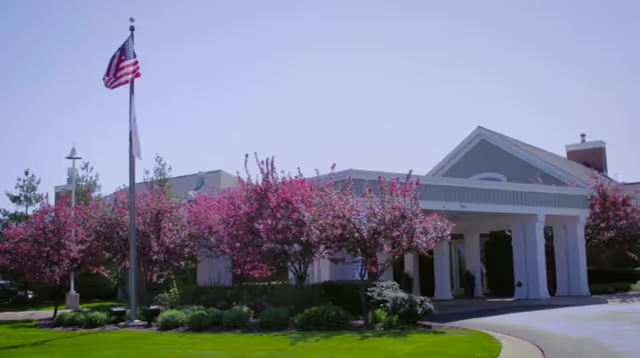
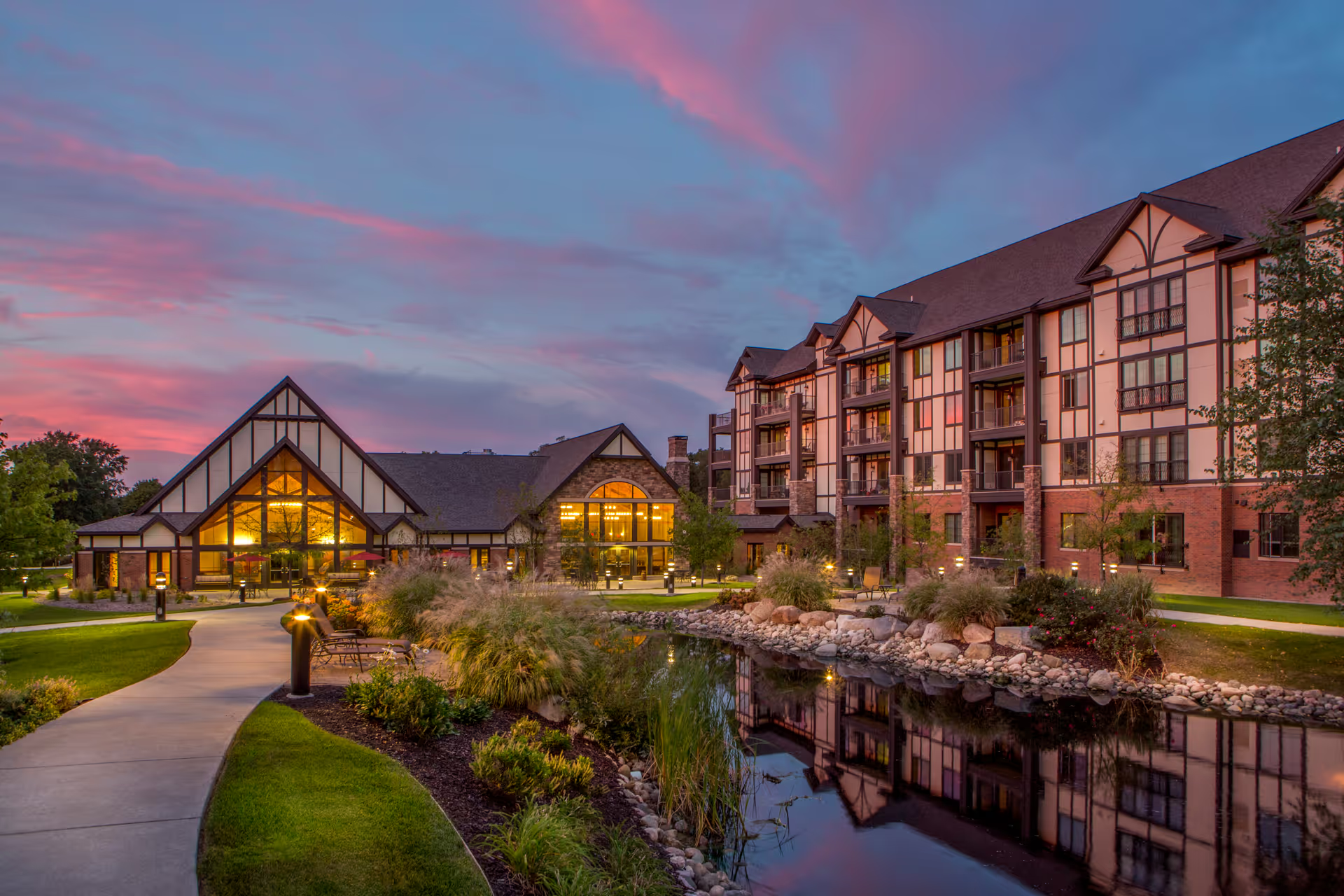
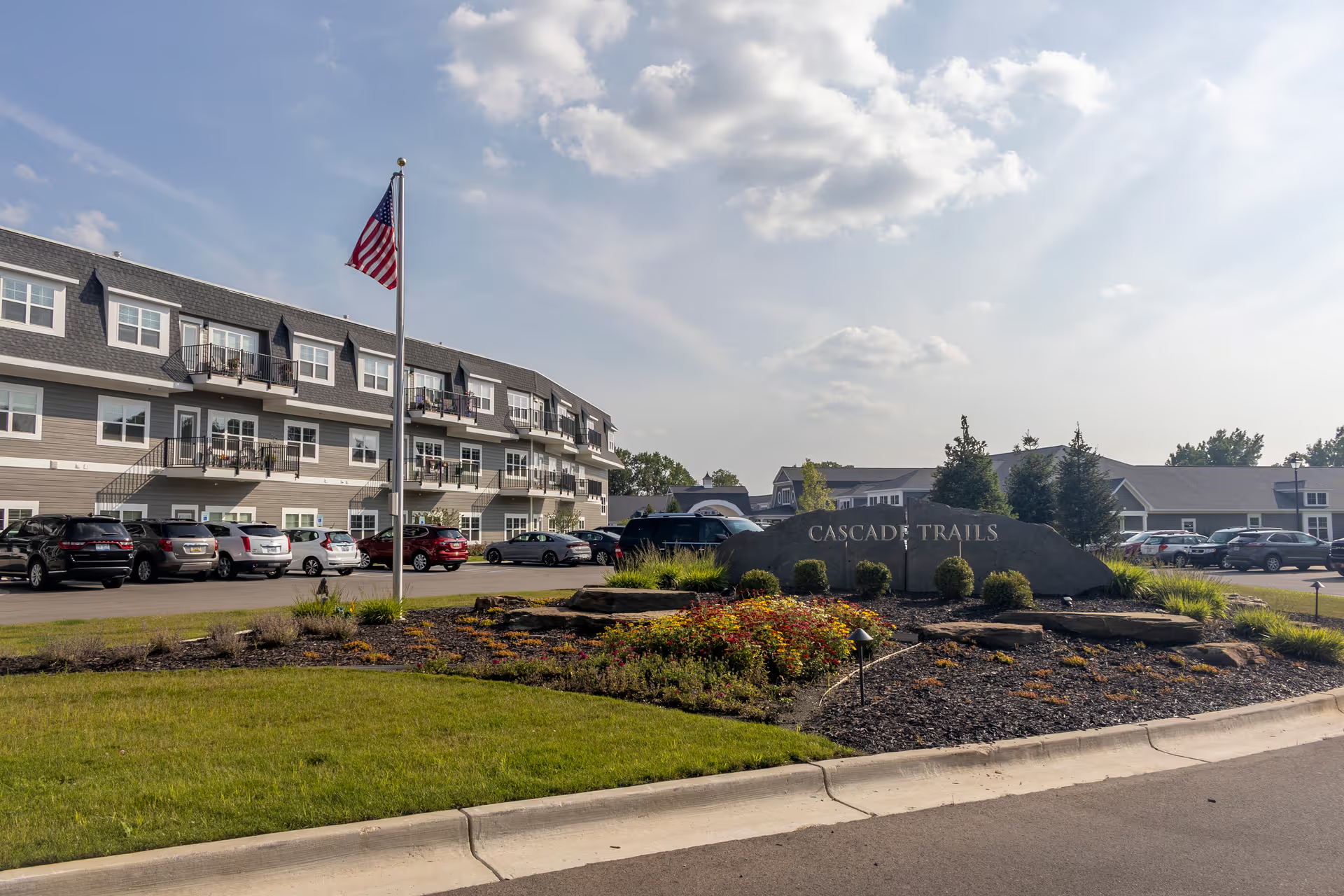
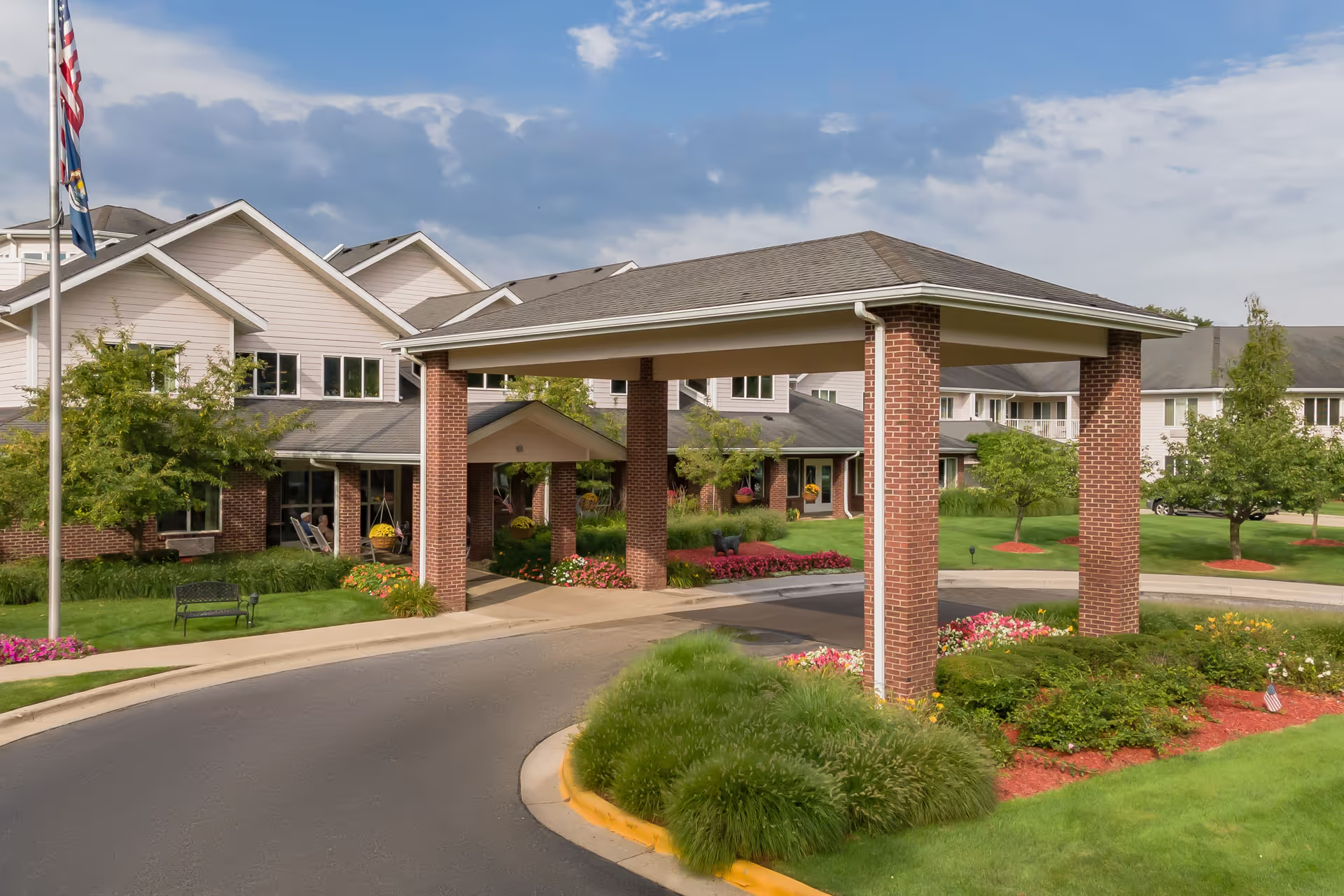
MediLodge of Grand Rapids presents a mixed profile: reviewers highlight meaningful strengths in clinical scope, campus amenities, and individual caregiving, while repeatedly raising operational and consistency concerns. The facility offers a full continuum of care including skilled nursing, a memory-care unit, and on-site clinical services such as dental, vision and podiatry; hospice services are also provided on campus. Several families praised specific caregivers and nursing staff, noted attentive admissions personnel, and pointed to recent renovations, outdoor courtyards, family dining options, and an active calendar of activities and outings as clear positives.
Care quality observations are divided. Supportive clinical capabilities are evident in the presence of in-house therapy and skilled-nursing staff, but reviewers also described gaps in clinical oversight that impacted wound management, medication handling, and safe transfers or supervision of residents with cognitive impairment. There are reports of episodes involving aggressive resident behavior that raised concerns about supervision and transfer-safety practices. A few serious end-of-life and hospice-related incidents prompted concerns about notification, visitation flexibility, and timeliness of clinical responses; these accounts suggest a need for clearer protocols and faster family communication during critical events.
Staffing and management are recurring themes. Many reviews single out compassionate, dedicated caregivers and positive staff–resident interactions, with several named employees receiving strong praise. At the same time, high turnover, understaffing, and uneven training were frequently cited, contributing to delays in care, inconsistent housekeeping, and variability in activity programming. Communication breakdowns between families and leadership—unanswered calls, delayed follow-up, and unclear policy application—were reported often enough to be considered a pattern. Some reviewers also expressed a perception that management decisions emphasize cost control, which can affect service consistency.
Dining and activities present a similarly mixed picture. The community offers an active program that includes musical events, seasonal celebrations, therapy-animal visits, and off-site trips; when staff-led, these are described as engaging and well-run. Conversely, meal quality and reliability were criticized: reviewers described inconsistent preparation, late or cold meals, and chef turnover affecting the dining experience. Housekeeping and maintenance were also inconsistent across the facility: while renovated common areas and attractive grounds are noted, some resident rooms reportedly require bathroom upgrades, improved maintenance response, and attention to pest control.
For prospective residents and families: weigh the facility’s breadth of on-site clinical services, campus amenities, and instances of highly committed caregiving against recurring operational weaknesses—particularly staffing stability, clinical oversight processes, housekeeping consistency, meal-service reliability, and family communication protocols. When evaluating MediLodge of Grand Rapids in person, consider observing staff–resident interactions during care times, reviewing staffing ratios for the intended unit, asking for written policies on dementia supervision and end-of-life visitation, inspecting room maintenance and cleanliness, and clarifying how management addresses clinical incidents and family notifications.