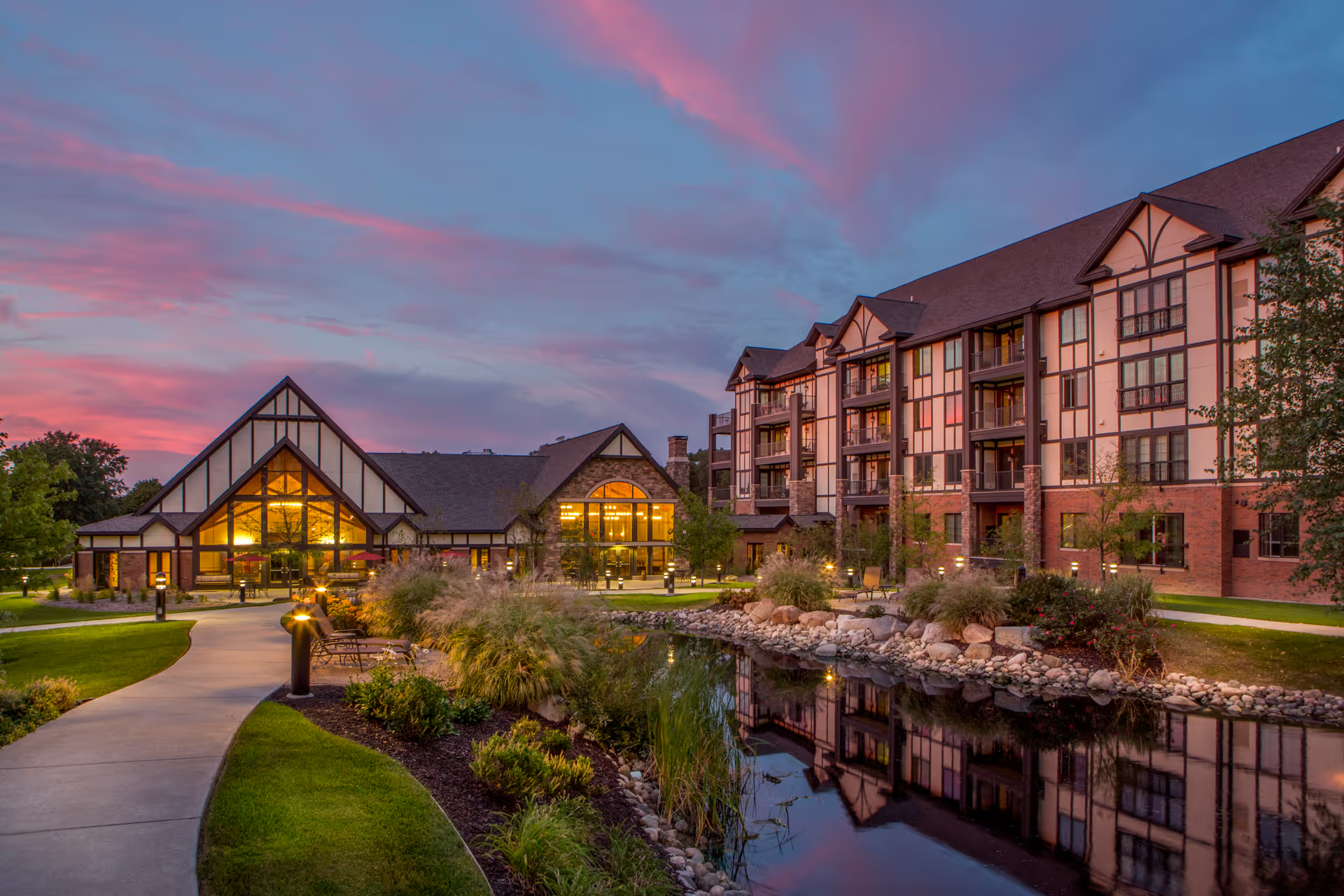
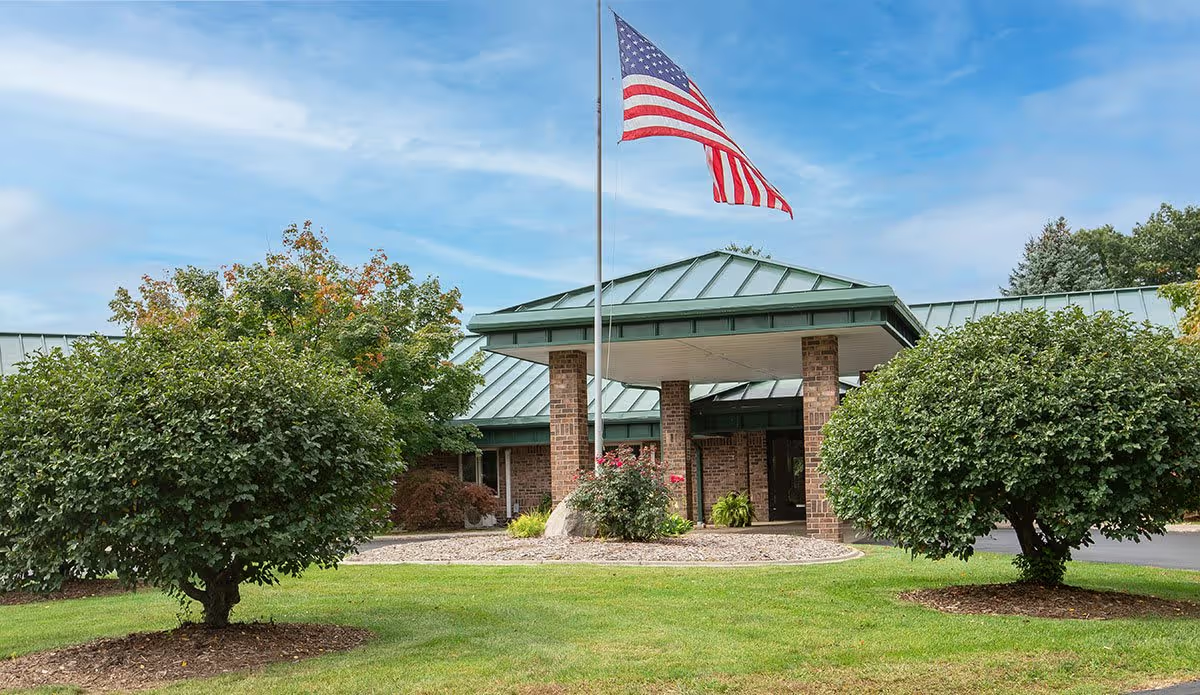
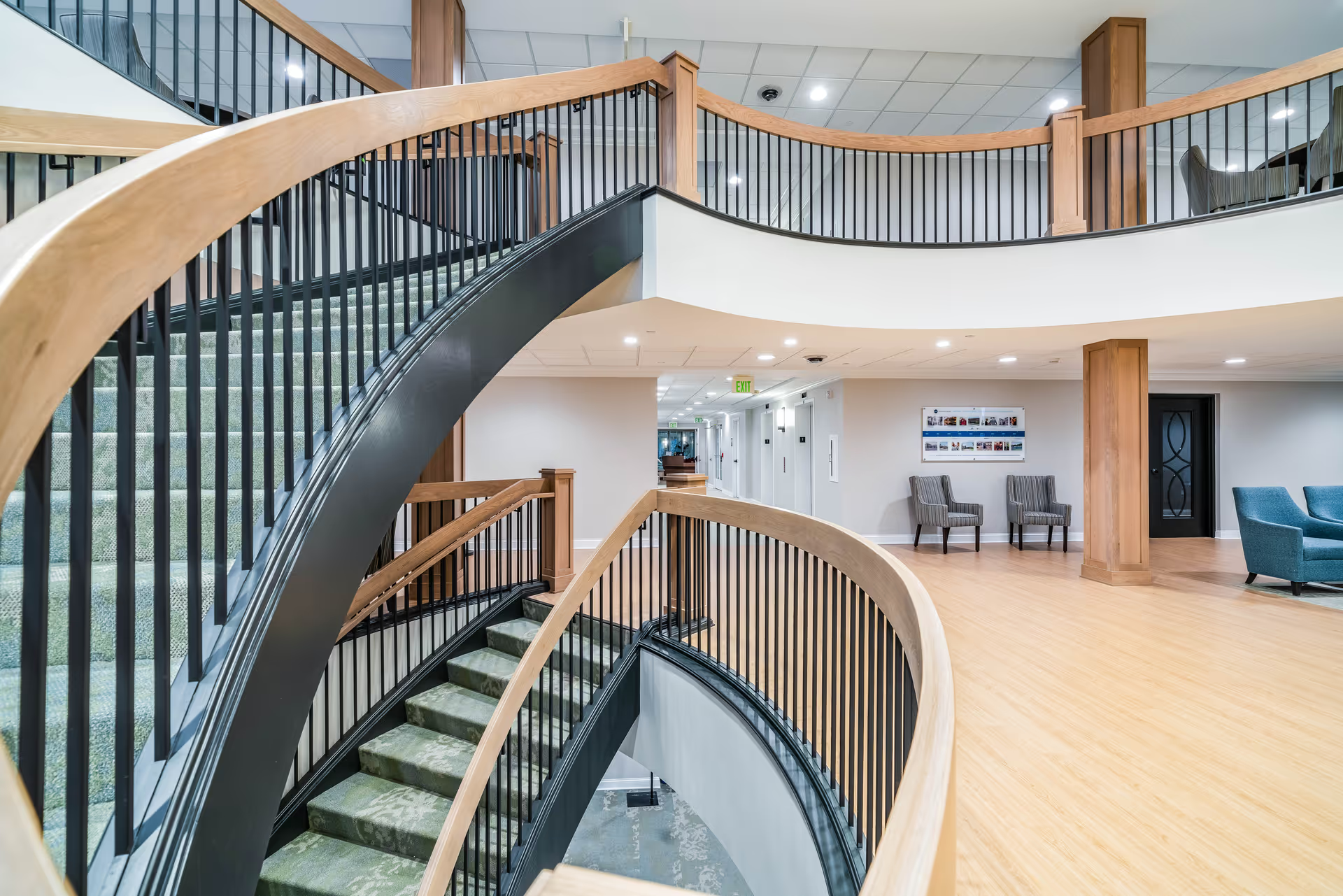
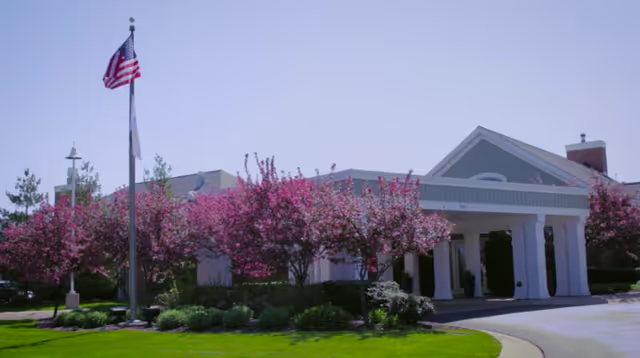
Porter Hills Village presents as a large senior living campus with many strengths for independent living residents and those seeking a full continuum of services. The community is frequently described as clean and well maintained, with renovated, customizable apartments, attractive common spaces, courtyards, and pleasant views. On-site amenities such as an indoor pool, fitness room, library, salon, shop, and scheduled transportation for group trips contribute to a robust lifestyle offering. Activity programming is a clear strength: reviewers highlight an active schedule, a well-regarded activity director, varied fitness options (including water aerobics and simulated golf), social events, and opportunities for creative engagement.
Dining and hospitality receive mixed-to-strong praise. Several comments emphasize flavorful, upscale meals prepared by talented chefs and a home-like dining experience in some venues. At the same time, other reviewers characterize some dining options as cafeteria-style with inconsistent quality, indicating variability across dining venues or service levels. Housekeeping, maintenance, and visible groundskeeping are typically noted positively, and staff members in many departments are described as friendly, helpful, and community-oriented.
Clinical care and operational reliability are areas with notable variability. Independent living and some assisted services are often described positively, but reviewers raise recurring concerns about skilled-nursing and higher-acuity care quality. Themes include understaffing or hurried caregiving, poor responsiveness to call-button or assistance requests, delays in clinical interventions or medication adjustments, and gaps in medication management and monitoring. There are also references to pressure-injury prevention and repositioning practice gaps. Conversely, other reviewers praise attentive nursing/medical oversight and effective therapy and rehabilitation when present; this contrast suggests inconsistent performance across units or shifts.
Communication and management practices appear uneven. Positive accounts describe accessible management, quarterly meetings, and staff who listen; negative accounts describe unresponsive phone lines, poor follow-up on family concerns, defensive or excuse-based management responses, and procedural changes that frustrated residents and families (for example, changes in room sizing or service levels). Weekend coverage and agency staffing are repeatedly flagged as weaker points relative to weekday staffing, which contributes to perceived inconsistency in care.
Safety, security, and environmental-control issues are important patterns to note. Several reviewers raised allegations of theft and unresolved asset-security incidents involving resident belongings, alongside pest-control and sanitation concerns in some units or service areas. These issues, combined with the communication and staffing gaps described above, have contributed to families escalating complaints to outside authorities in a few instances. Facility size and layout also contribute to an impersonal feel for some residents and occasional navigation/signage difficulties.
In summary, Porter Hills Village offers a strong independent-living experience with substantial amenities, active programming, and many dedicated employees. For prospective residents and families considering higher-acuity assisted or skilled nursing care, the reviews suggest exercising additional due diligence: ask about staffing levels by shift, weekend and agency coverage, medication-administration protocols, incident escalation procedures, asset-protection measures, pest-control practices, and current wait times or availability in assisted- and memory-care units. A site visit focused on the specific unit of interest and conversations with clinical leadership and families of current residents will help clarify whether the facility’s operational performance aligns with an individual’s care needs and expectations.