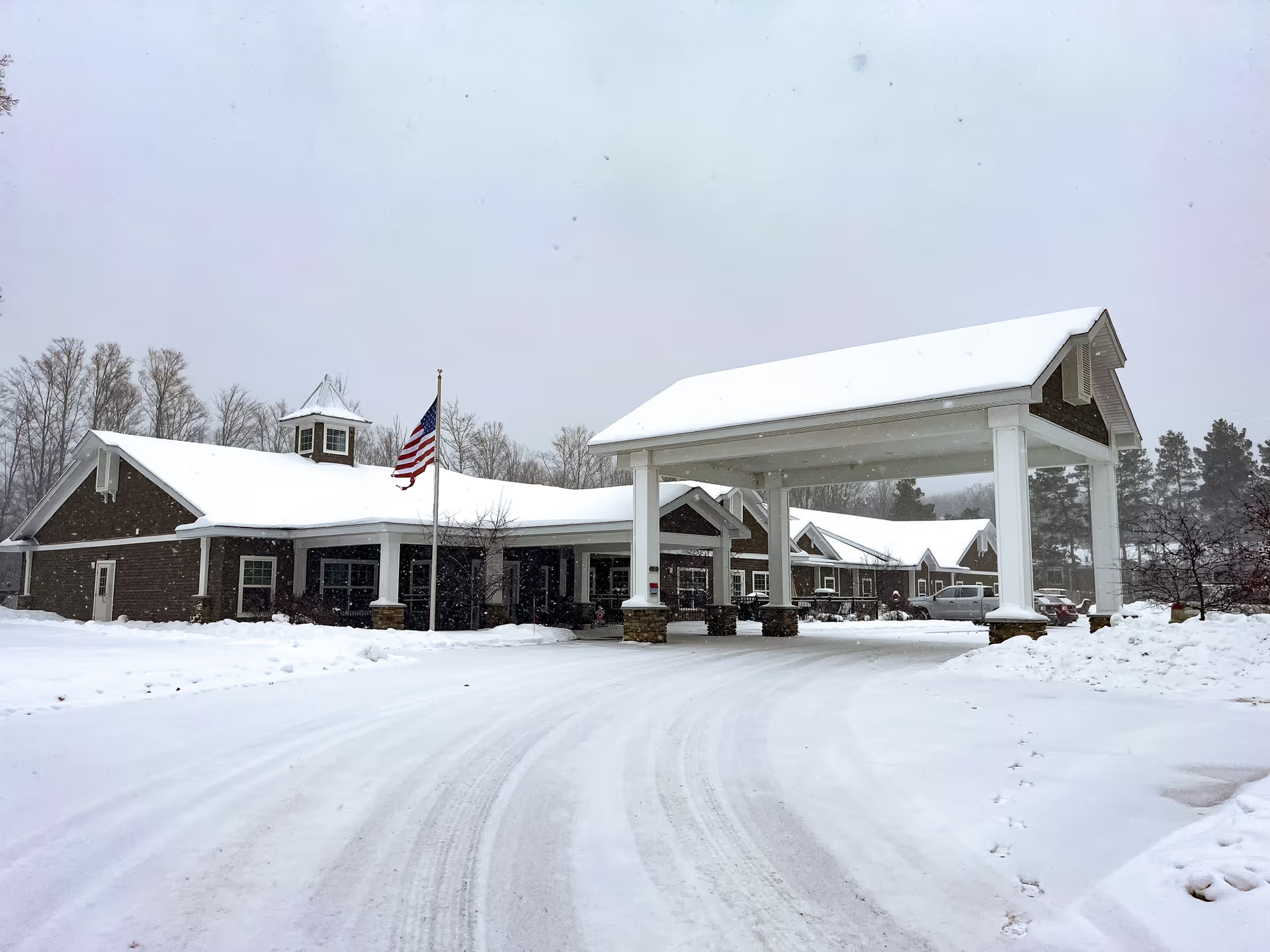
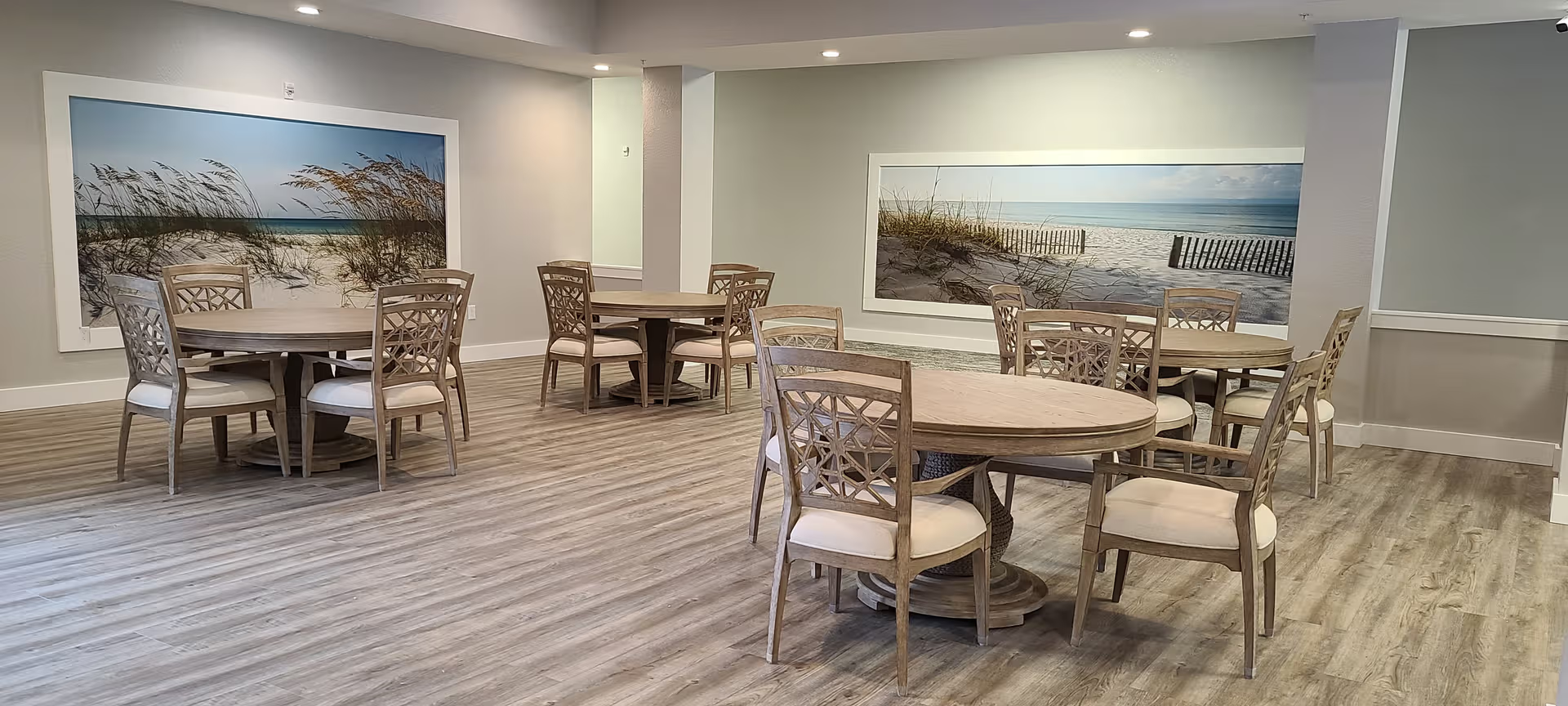
Grayling Nursing & Rehab Community elicits a mixed but instructive set of impressions. Many families and residents praise the facility's rehabilitation program, the attentive and compassionate nature of several caregivers, and a warm, home-like atmosphere where residents form social connections. Specific staff members were named for exemplary care, and multiple accounts describe meaningful explanations about elder-care issues and a level of care that provided families with reassurance and peace of mind.
Care quality and staffing present a split picture. Positive accounts highlight strong nursing and therapy interventions and staff who are willing to assist and advocate for residents. At the same time, other families described variability in day-to-day nursing performance and responsiveness. Underlying operational themes include delays in assistance with activities of daily living (for example, toileting and dining help) and inconsistent professional conduct and communication tone among staff. There are also indications of gaps in clinical monitoring and management in some cases, including oxygen and medication-related practices; these items suggest areas to probe when evaluating clinical protocols and staffing patterns.
Dining and nutrition appear inconsistent. Several reviewers commended the food and the dining environment, while others raised concerns about meal composition and special-diet accommodations—notably carbohydrate- and sugar-heavy offerings and a lack of clearly managed diabetic options. These contrasting accounts point to variability in dietary planning and implementation rather than a uniform standard of practice.
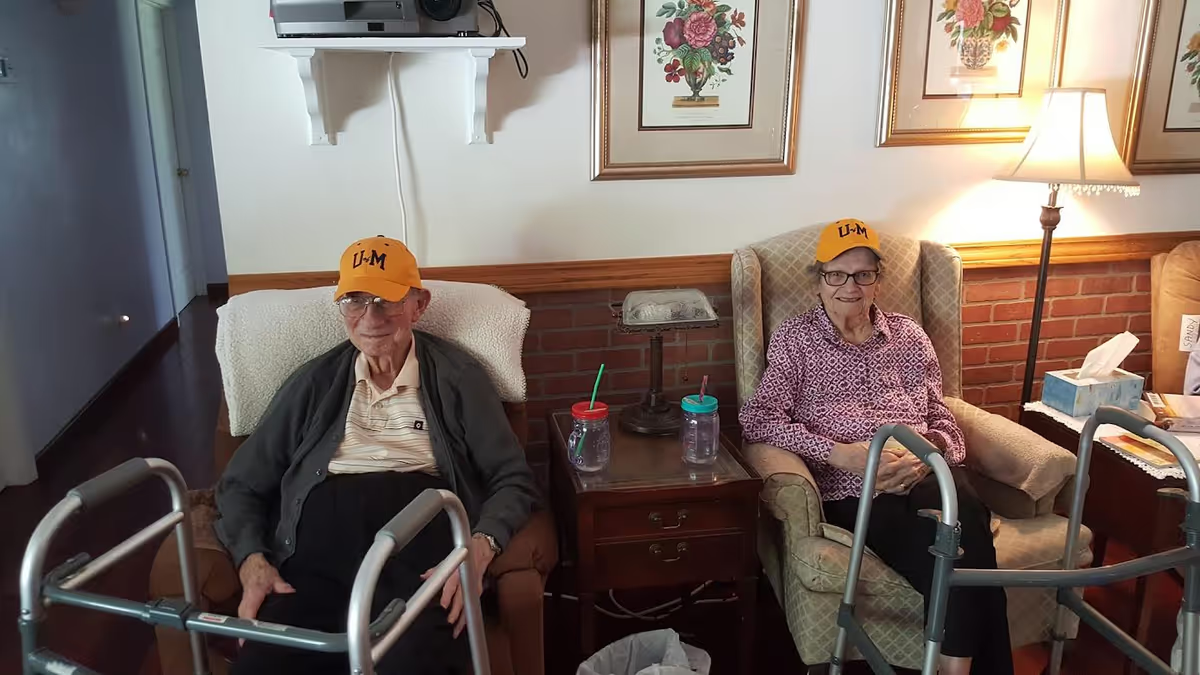
The social and environmental aspects receive generally positive remarks. Many descriptions emphasize a welcoming atmosphere, smiling staff, and opportunities for residents to build friendships; some families stated they felt at home and appreciated cleanliness in common areas. Conversely, there are reports of supply shortages and unit-level sanitation or hygiene inconsistencies, indicating that cleanliness and inventory control may vary across the building.
Management and operational processes show areas for improvement. Several reviews describe inconsistent family communication, difficulties with documentation or consent processes, and concerns about billing transparency. Reports of supply management lapses reinforce the need to confirm logistical and administrative practices directly with leadership.
For prospective residents and families: Grayling demonstrates notable strengths in rehabilitation, individual caregiver relationships, and a socially supportive atmosphere. However, reviewers also point to operational inconsistencies in diet management, ADL assistance, clinical monitoring, staff conduct, communication, and supply/billing processes. When considering this facility, conduct an on-site visit, observe meal service and staff–resident interactions, review individualized care and dietary plans, ask about clinical protocols (including oxygen and medication oversight), and obtain clear explanations of documentation, consent, and billing practices.