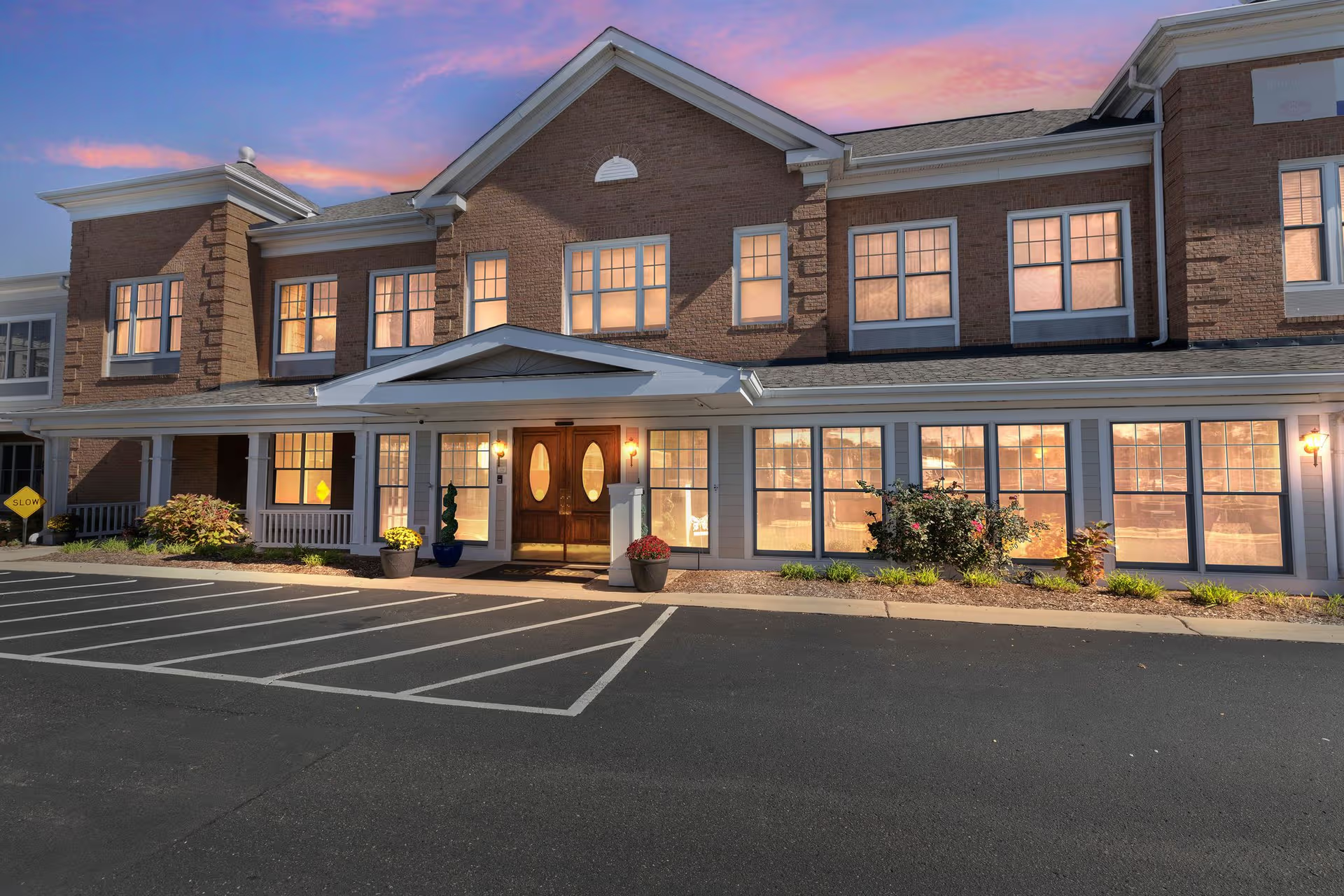
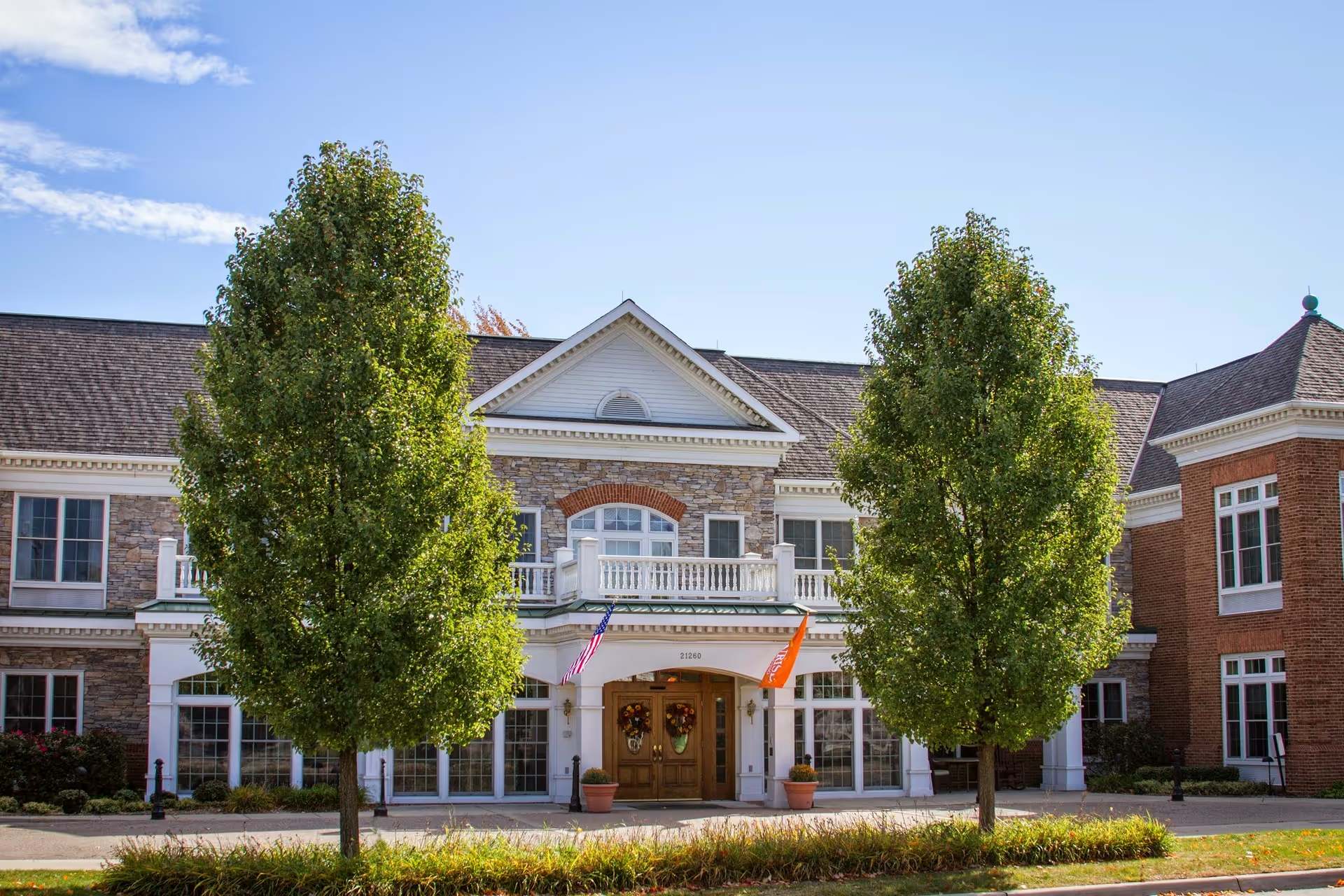
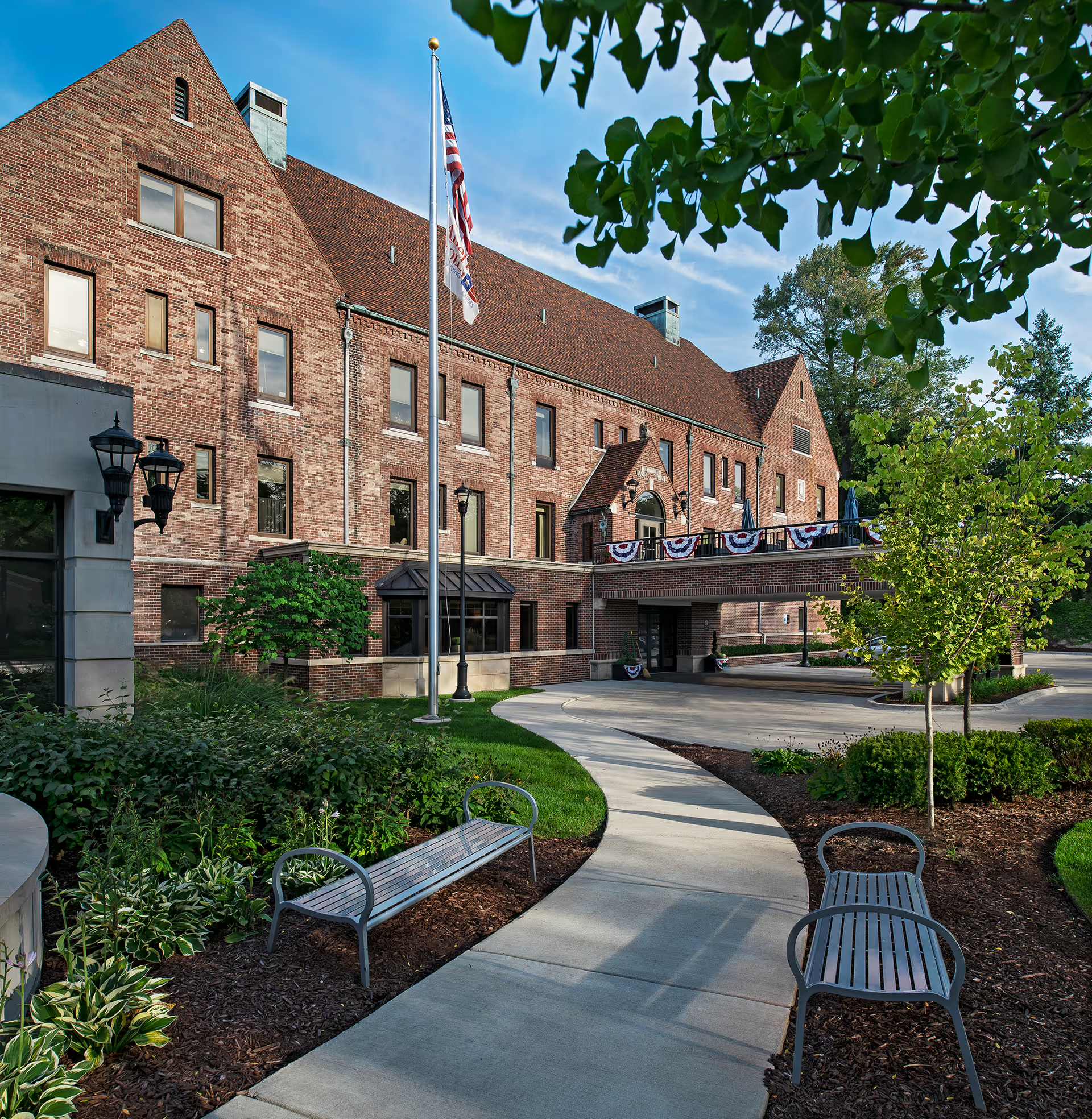
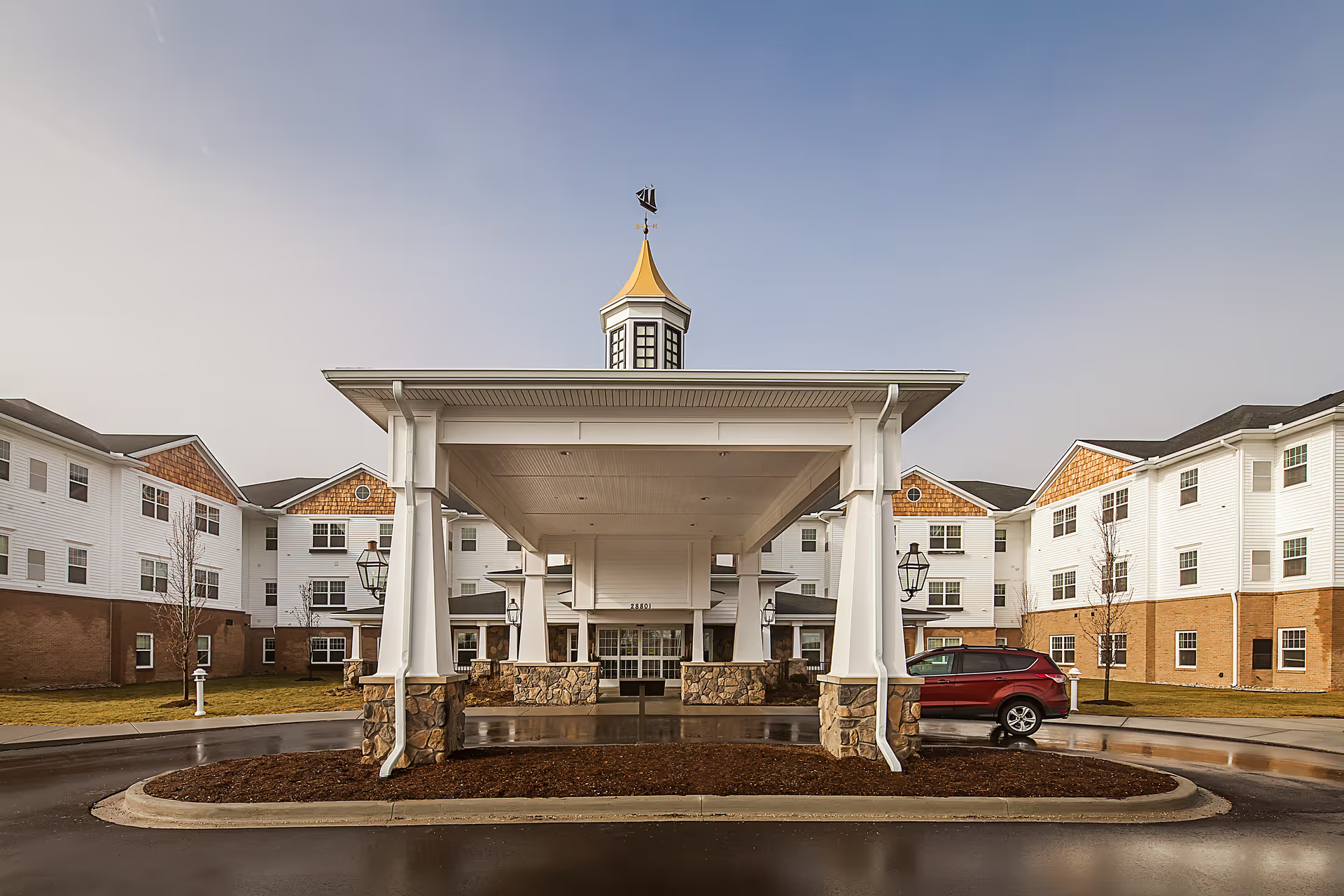
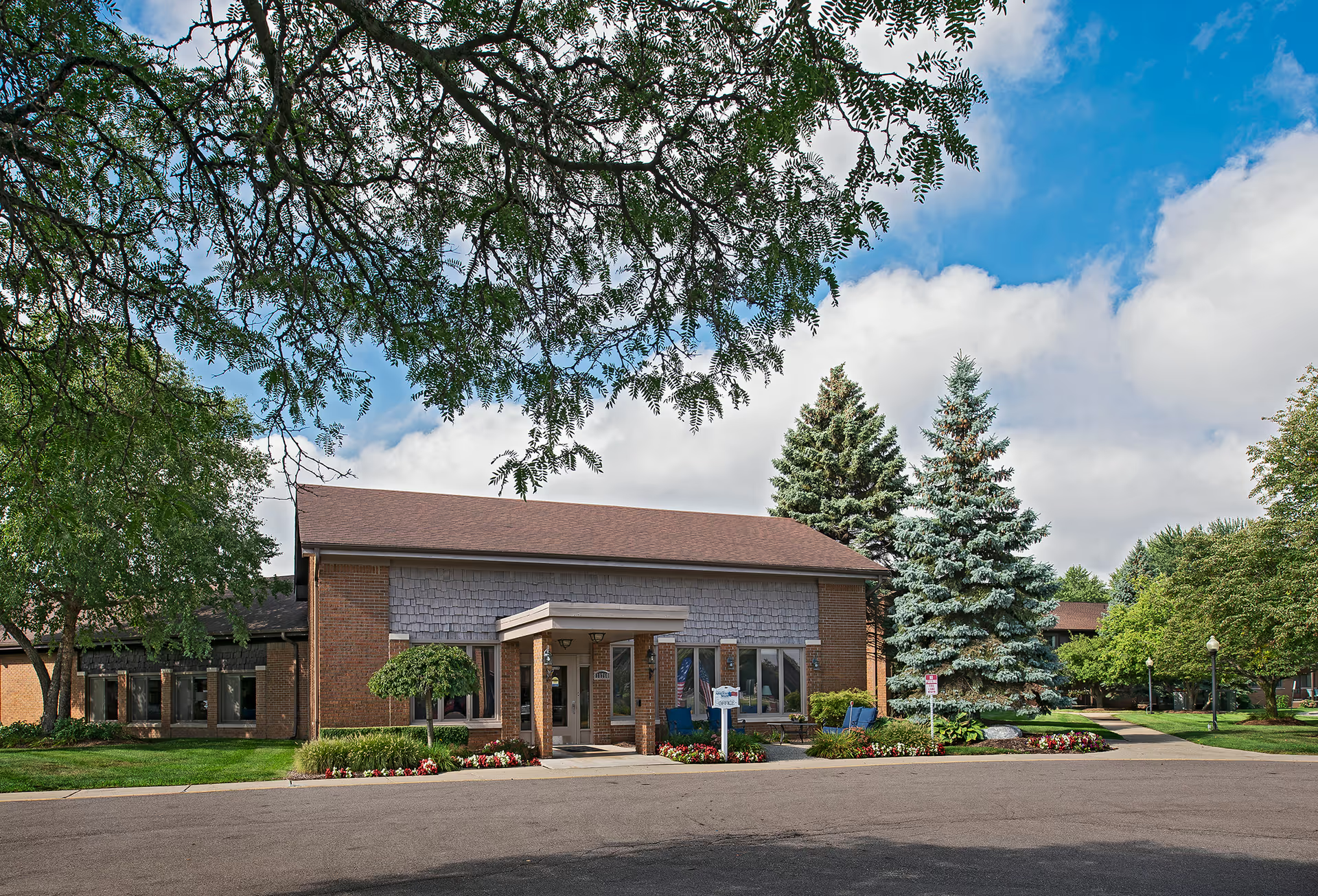
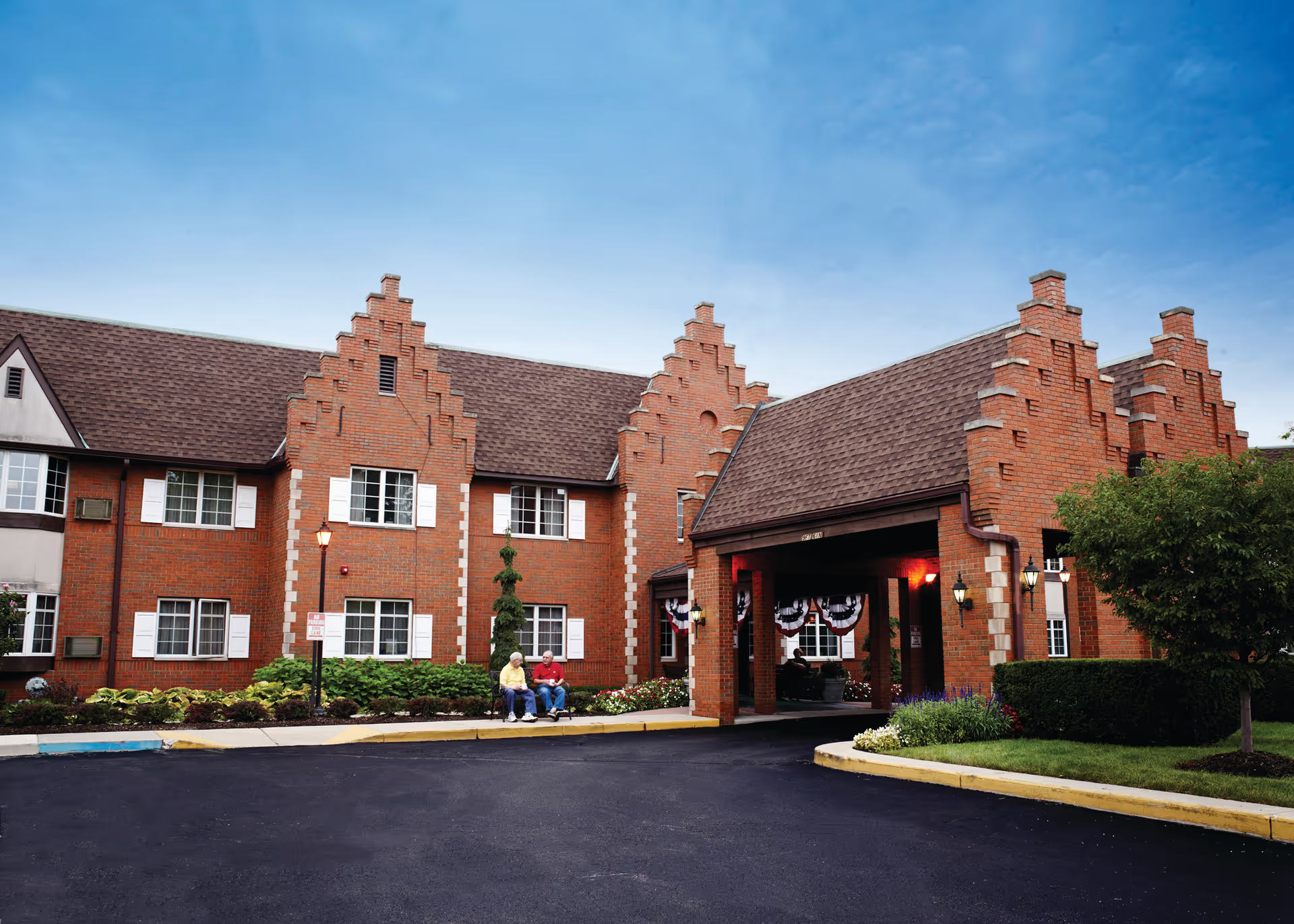
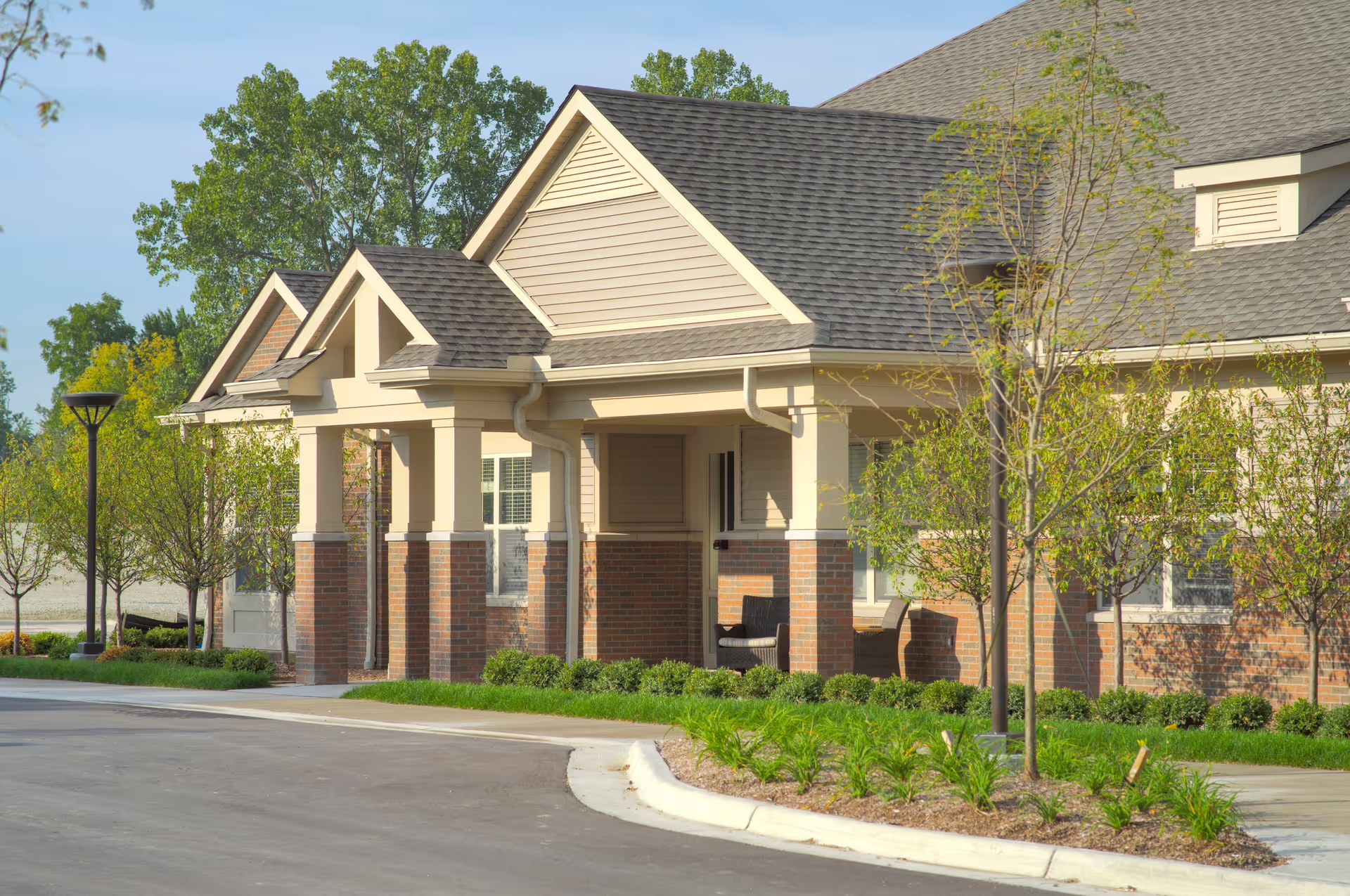
The Rivers Grosse Pointe presents a clear contrast between physical environment and operational performance. Many reviewers note the facility’s strong physical attributes: a new, hotel‑like building; spacious, high‑end independent‑living apartments with attractive finishes and in‑unit laundry; a large, well‑equipped rehabilitation gym and indoor pool; and on‑site dining and pub spaces. Therapy staff and resources receive repeated positive mention — the PT/OT teams and rehab environment are often described as capable and proactive, and several families credited therapy with meaningful functional gains.
Clinical care and resident safety emerge as the most significant areas of concern. Reviews describe patterns consistent with understaffing and uneven clinical oversight: delays in responding to call bells, inconsistent bathing and hygiene assistance, lapses in wound care management, variable medication administration, and instances where fall‑prevention processes and transfer safety appear inadequate. There are also references to severe individual incidents that prompted family alarm and, in at least one case, references to a regulatory review; reviewers have cited privacy/records‑access problems including an alleged HIPAA‑related issue. These reports suggest systemic gaps in clinical safety, escalation pathways, and after‑hours coverage rather than isolated problems confined to a single unit.
Staffing, training, and management practices are mixed in reviewers’ accounts. Multiple families praised particular long‑tenured nurses, therapists, and aides for compassionate, attentive care, and some noted helpful administrative or social‑work contacts. At the same time, frequent comments point to high turnover, inexperienced hires, inconsistent training, and a culture of poor responsiveness — especially on nights and weekends. Several reviewers described difficulty obtaining clear communication from leadership about care concerns, discharge plans, or billing matters. The 63% rent increase and reports of additional fees contribute to a perception of pricing opacity and value concerns.
Daily life elements show variability. Food service and dining receive divergent reviews: while the facility offers three meals and resident dining spaces, multiple accounts cite inconsistent meal quality, cold entrees, and slow beverage service. Activity programming appears robust when staffed and led, but several families reported cancellations, limited offerings for residents with higher needs, and a reduction in activity continuity after staff changes. Operational features such as locked hallways, sign‑in procedures, limited on‑floor emergency contact in independent living, and constrained TV/cable or storage options in some units were also noted and may affect resident convenience and perceived independence.
For prospective residents and families: the Rivers has tangible strengths in physical amenities and rehabilitative capacity, but consistent, facility‑level weaknesses in staffing, communication, clinical follow‑through, and price transparency merit careful inquiry. Recommended questions include current staffing ratios by shift, specifics of the on‑floor emergency call system for independent living, wound‑care and medication‑administration protocols, turnover rates and staff training practices, recent inspection or survey results, policies on rent increases and ancillary fees, and how management documents and communicates adverse incidents to families. Visiting during an evening or weekend period, speaking directly with therapy staff, and requesting the facility’s latest quality and inspection reports can help validate whether the operational gaps noted in reviews have been addressed.