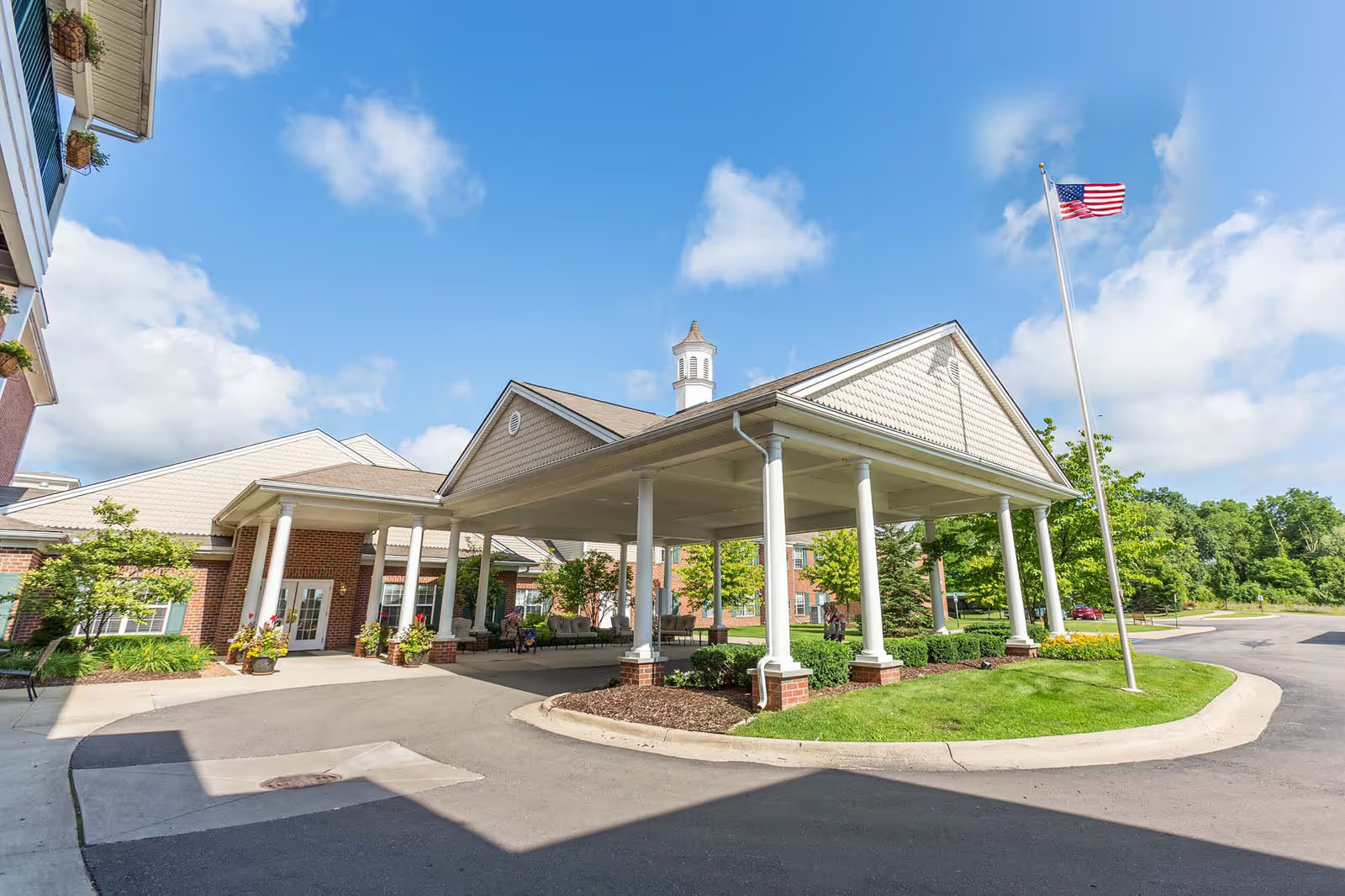
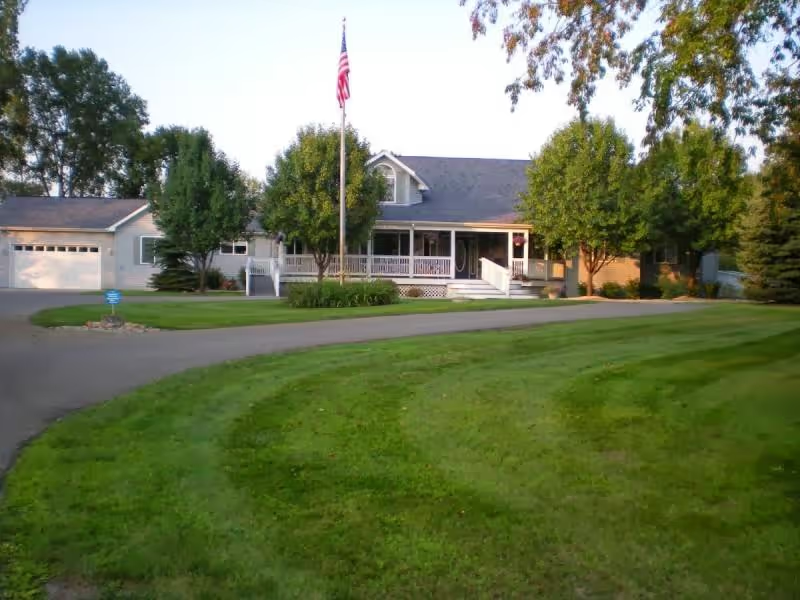
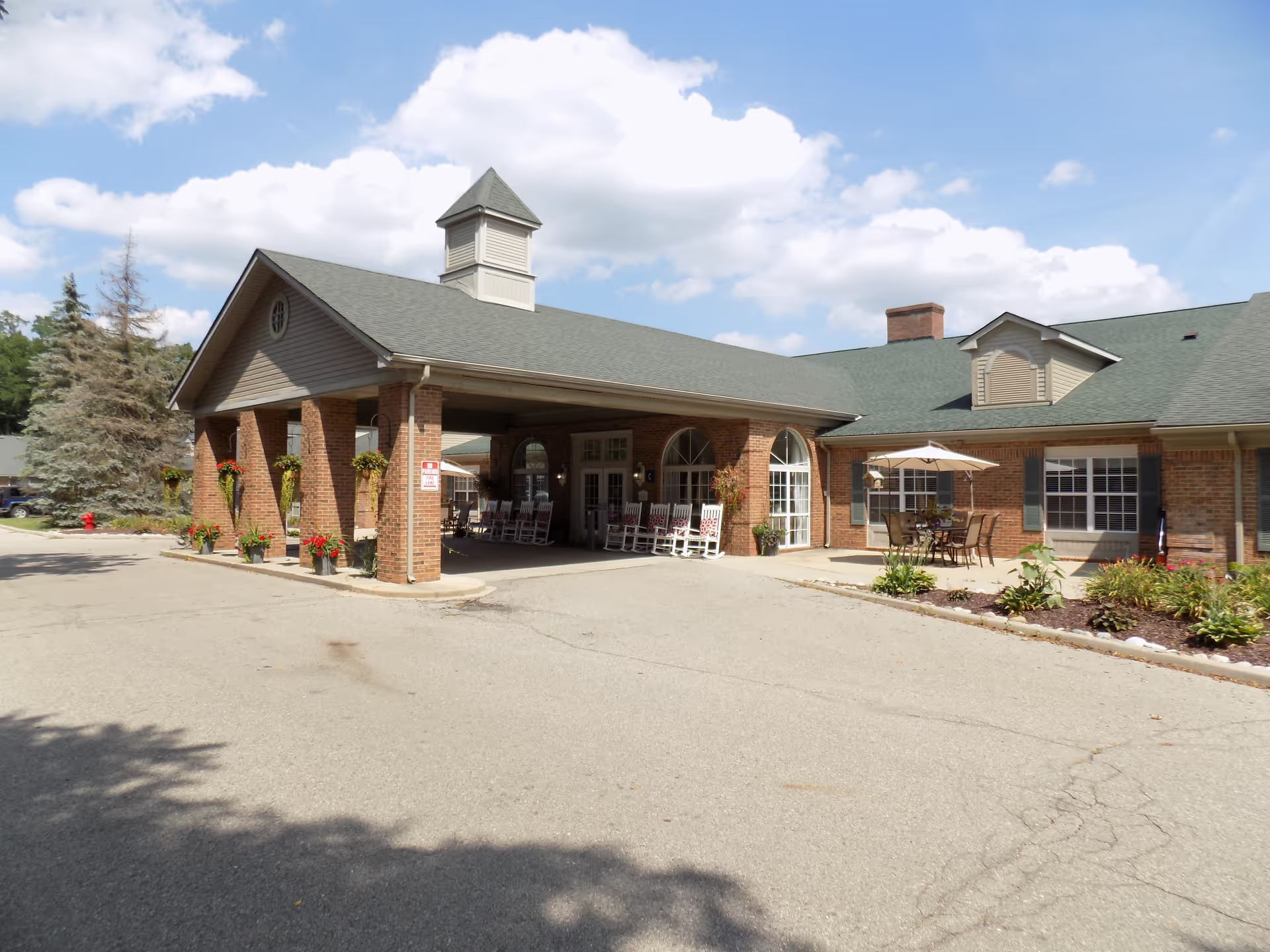
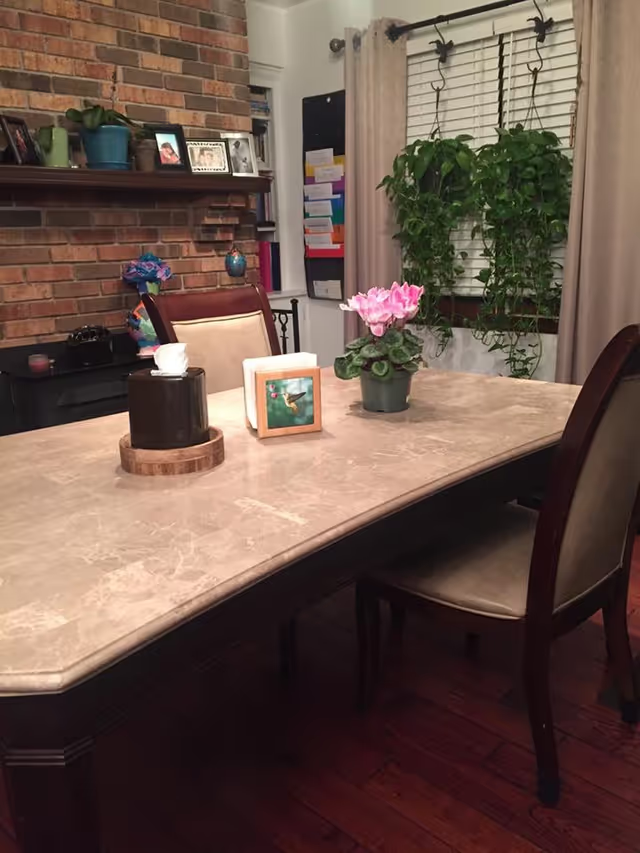
The Cortland Howell is consistently described as a small, home‑like community with strong hospitality strengths: many families praised compassionate, attentive staff, a clean and well‑maintained building, chef-driven dining, and a broad schedule of social and memory-care activities. Housekeeping and laundry services, transportation, onsite amenities such as a beauty salon and enclosed patio, and visible life‑enrichment programming (music therapy, bingo, holiday events, outings and church services) are cited as meaningful quality-of-life contributors. Several accounts highlight accessible management, proactive wellness and therapy support, and a family-oriented culture that helps residents adjust.
Care quality impressions are mixed. Positive accounts emphasize attentive caregiving, coordinated communication with families, physical‑therapy responsiveness, and hospice charting access. However, other accounts raise operational concerns about clinical oversight: limited onsite nursing coverage, sparse certified nursing assistant availability, and examples of medication errors or inconsistent medication administration. These issues point to underlying gaps in medication-management processes, staff training, and clinical staffing models rather than isolated interpersonal complaints.
Dining and activities are frequently singled out as strengths, with many reviewers commending fresh, creative menus and encouraged participation in a variety of programs. At the same time, there are occasional notes of inconsistent meal quality or menu fit for particular tastes, and some memory‑care dining layout limitations were mentioned. Life‑enrichment staff and social programming are generally described as active and inclusive, offering both onsite events and offsite trips that support resident engagement.
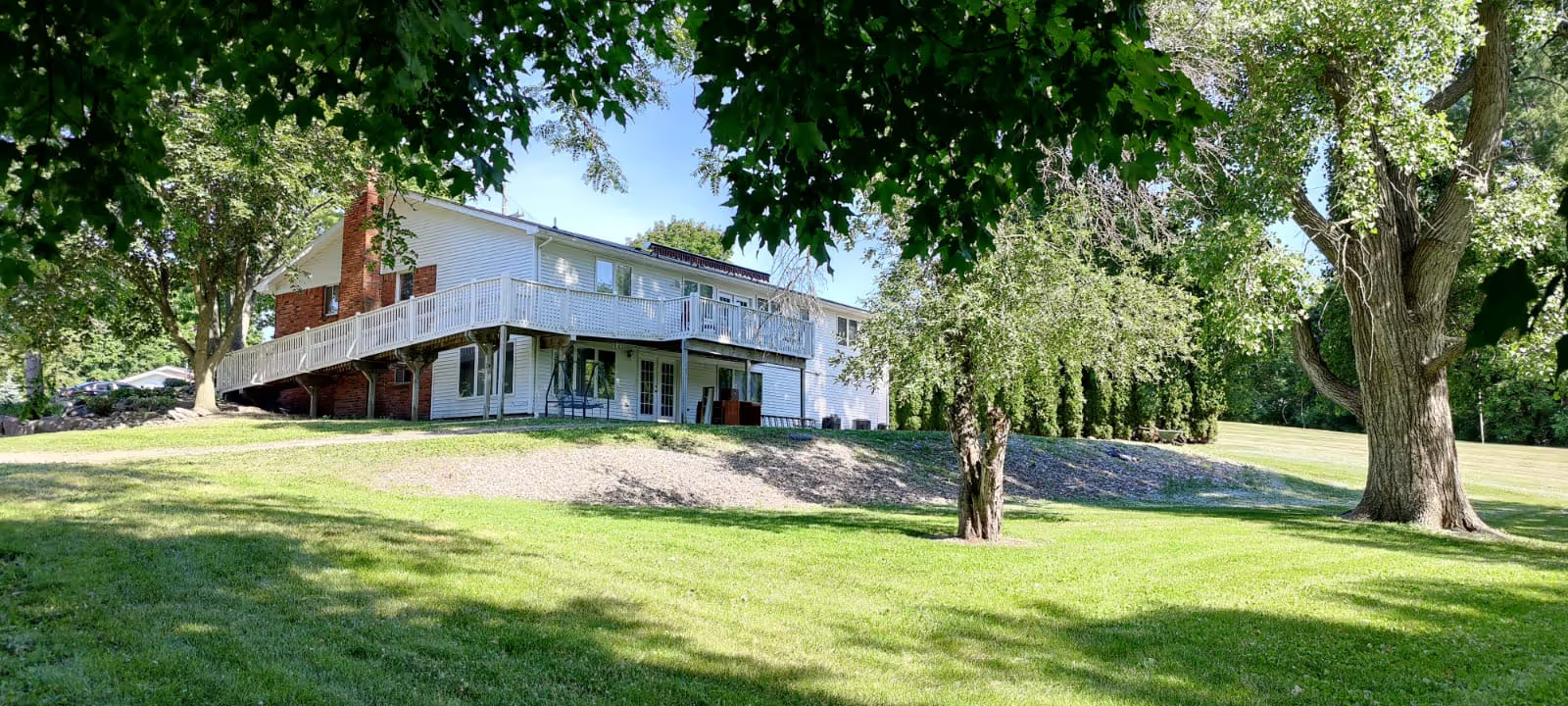
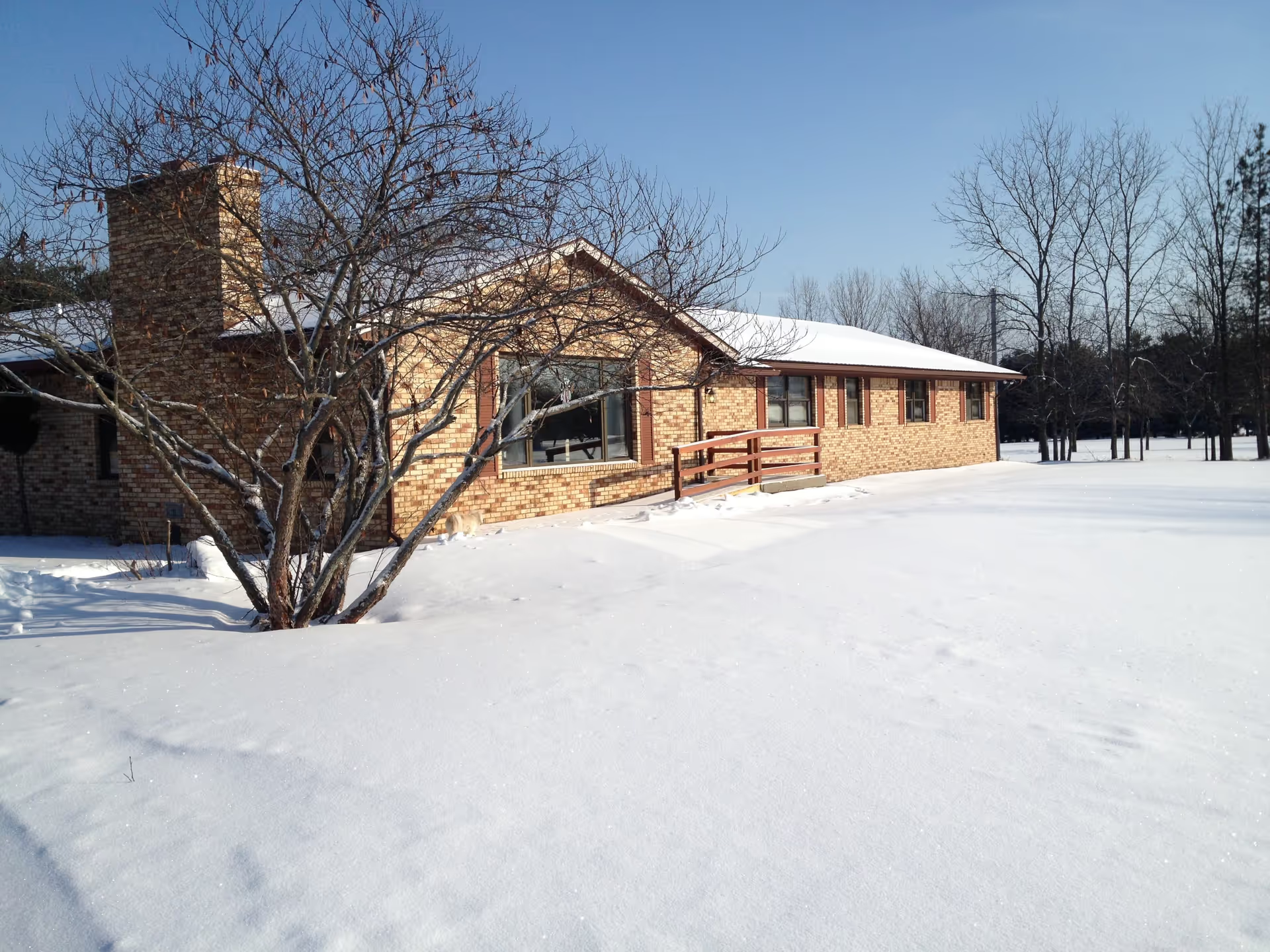
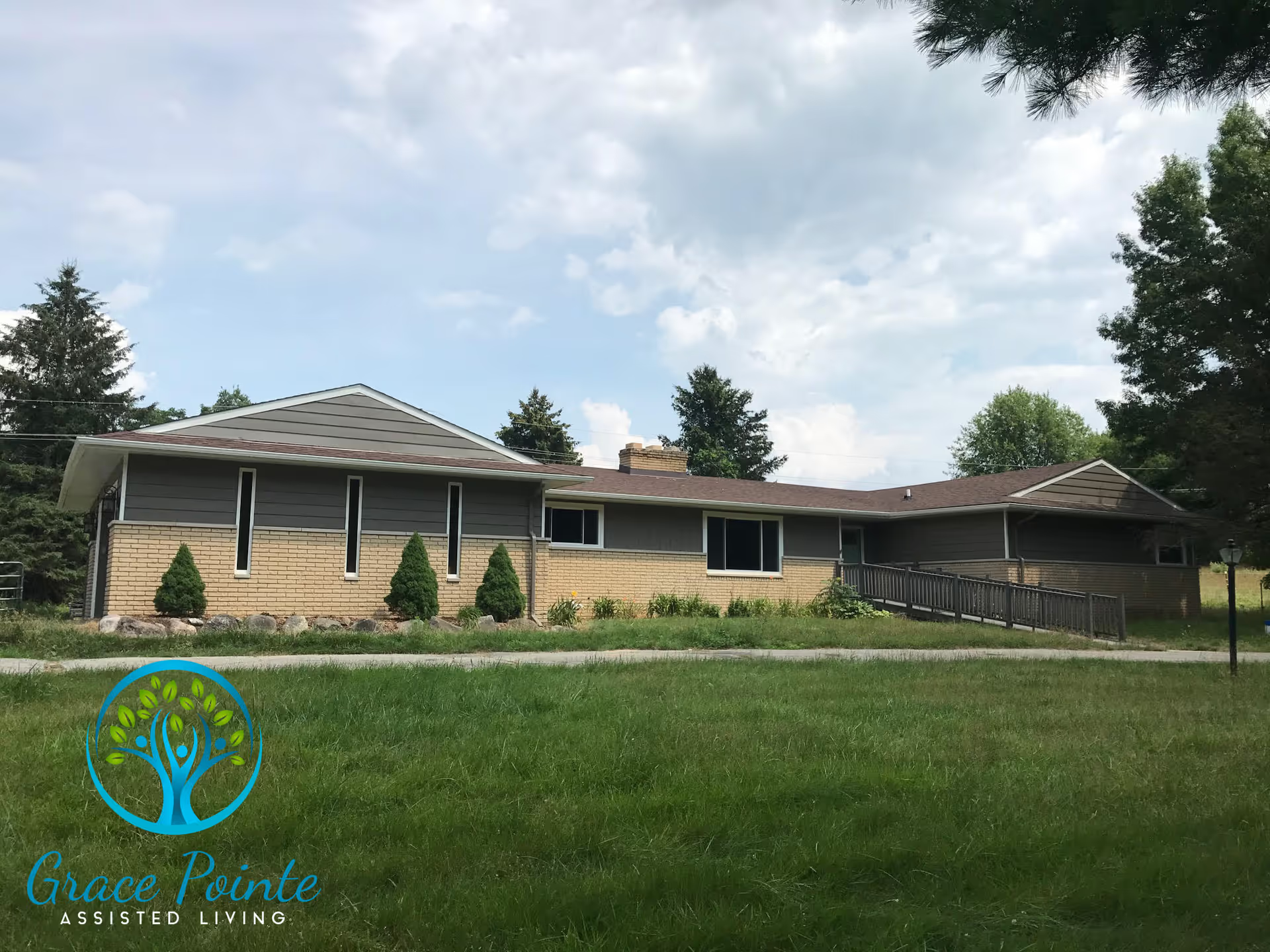
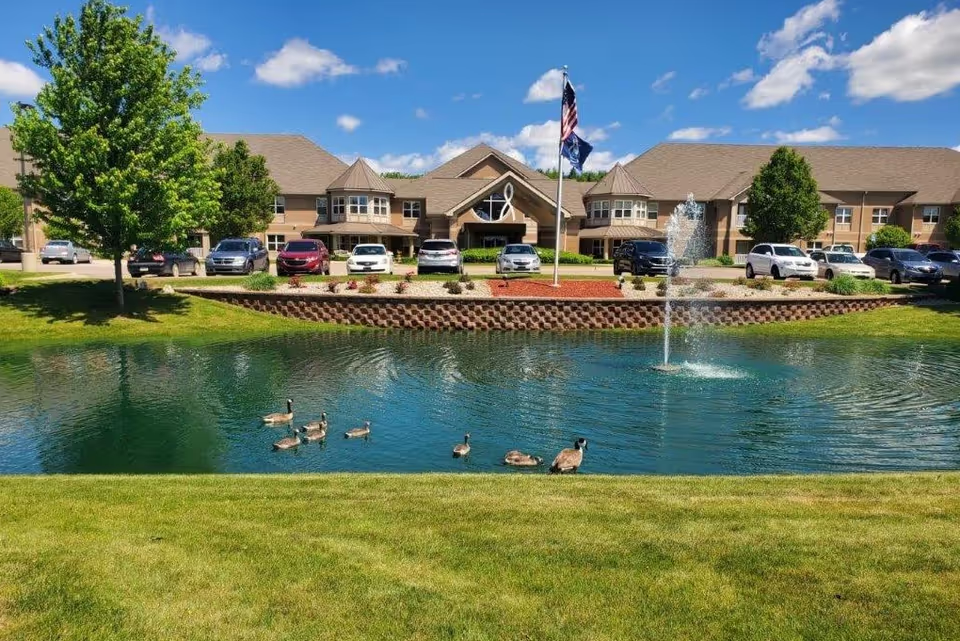
Facility condition and amenities receive largely positive remarks about cleanliness, apartment layouts, storage, and the general atmosphere. Nevertheless, multiple reviewers cited maintenance responsiveness gaps, including moisture and mold concerns in specific instances; these comments suggest families should confirm current remediation practices and inspection records during a tour. There is also some uncertainty among reviewers about the facility’s regulatory/licensure status and how that affects onsite clinical services and staffing levels.
Management and organizational stability are areas of divergence. Many families reported accessible, compassionate administrative staff and visible improvements under new leadership, while other reviewers described frequent management turnover, communication breakdowns, and staffing shortages that affected care continuity. Pricing and insurance questions were raised as well—costs and acceptance of coverage vary, so prospective residents should clarify contract terms, rate history, and what services are included.
Overall, The Cortland Howell offers notable strengths in hospitality, social engagement, and dining that create a welcoming atmosphere for many residents. Prospective residents and families should balance those strengths against operational concerns around clinical staffing, medication-management processes, maintenance responsiveness, and administrative stability. Recommended next steps before a move include verifying current nursing and CNA coverage, reviewing medication‑management protocols, inspecting maintenance records (including any remediation for moisture/mold), confirming licensure and insurance acceptance, and observing a mealtime and an activity session to assess fit.