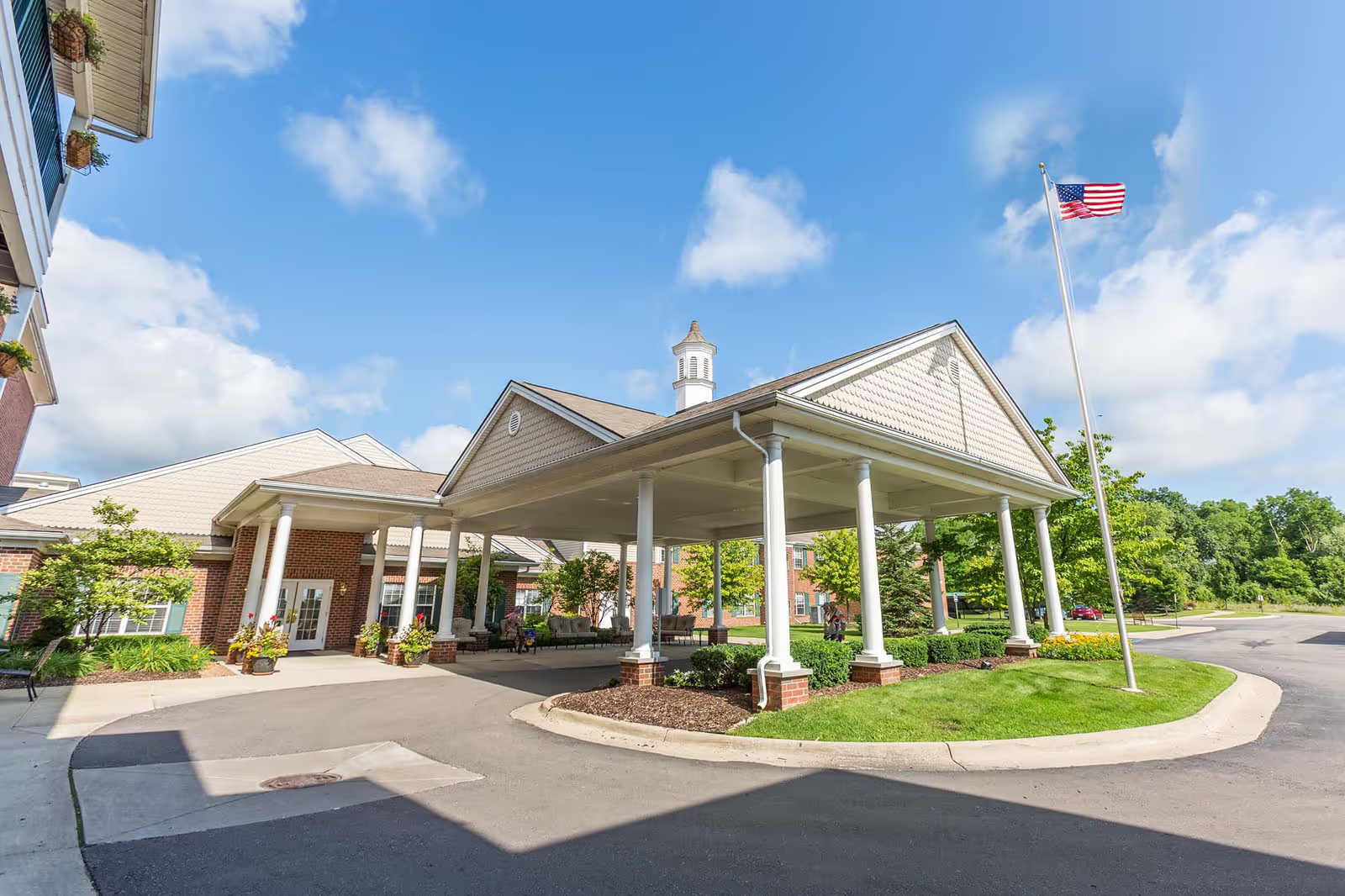
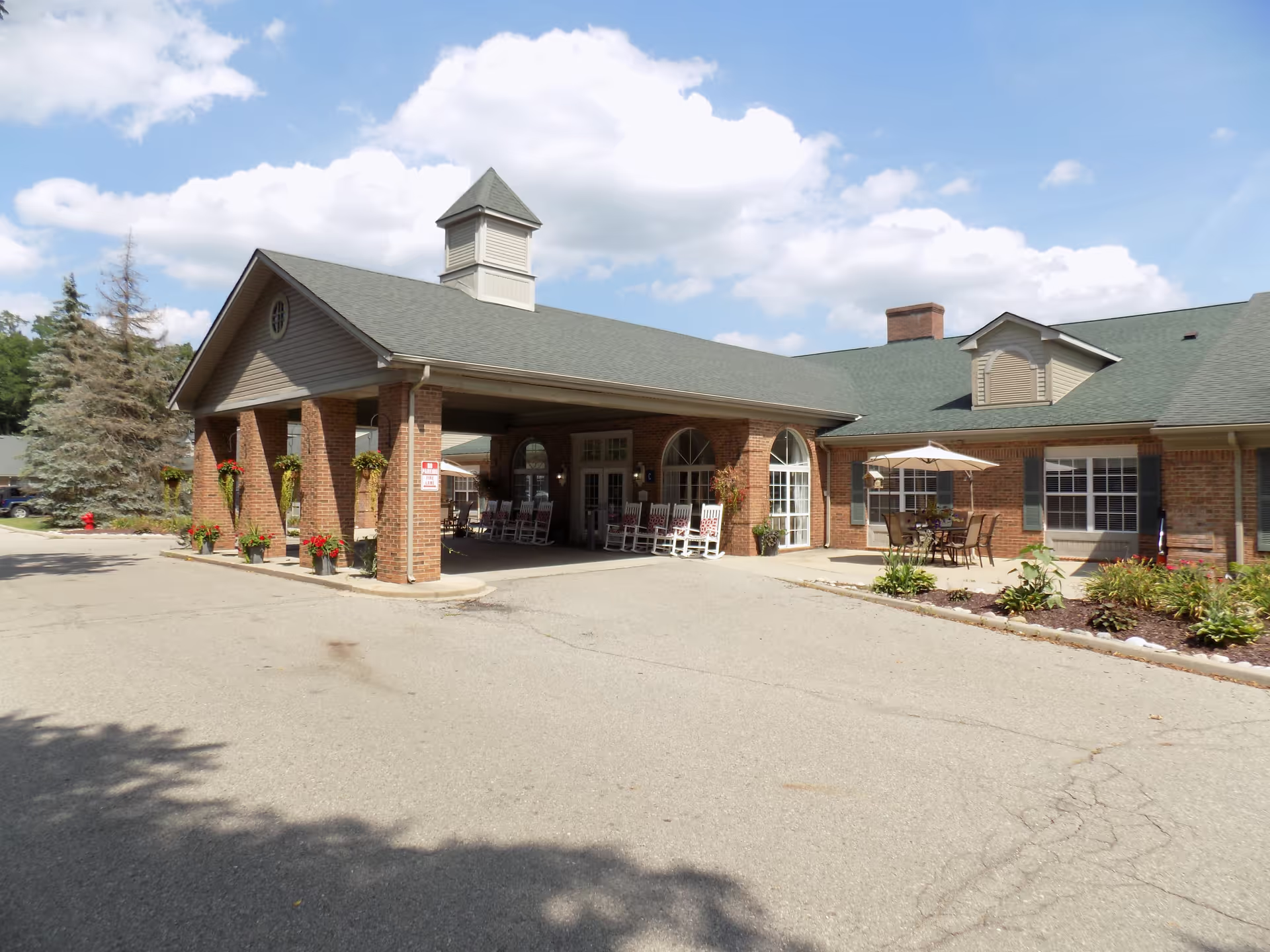
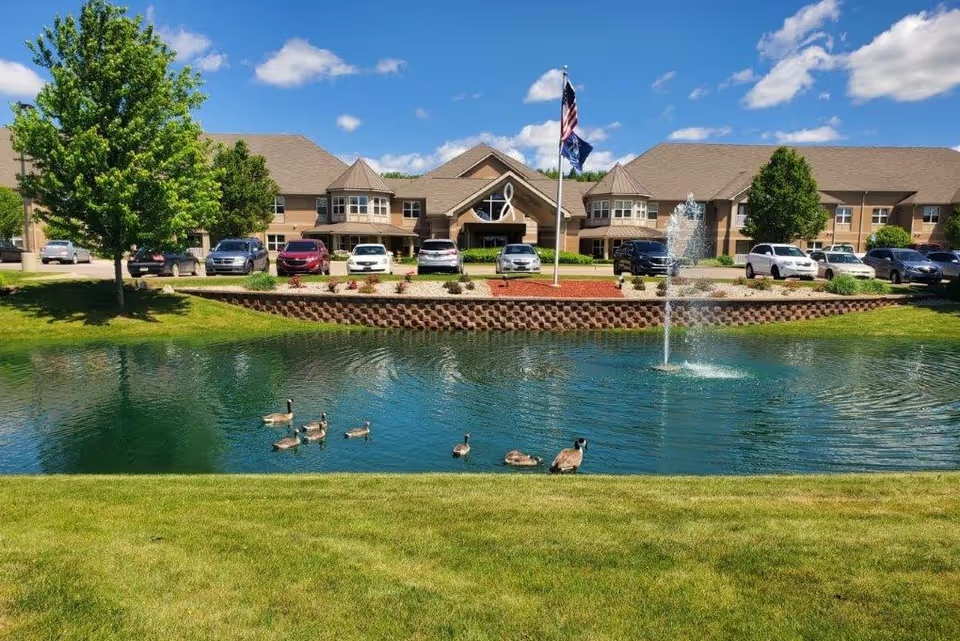
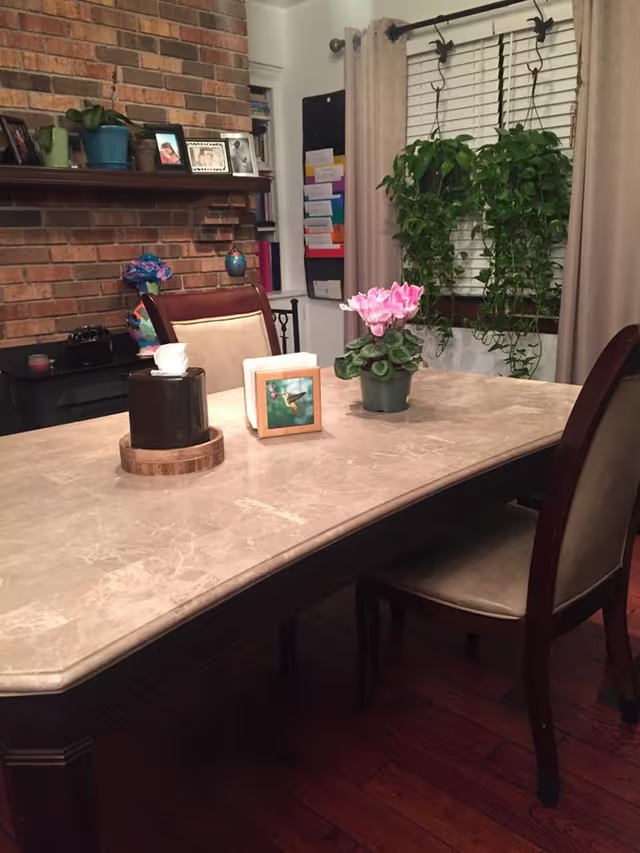
WellBridge of Brighton elicits strongly mixed impressions. Positive accounts emphasize a clean, attractively appointed building with private rooms, wide corridors and a well-equipped rehabilitation gym. Many families and former residents describe highly effective therapy programs, attentive physical and occupational therapists, and successful short-term rehabilitation outcomes. The facility offers a robust activities calendar (arts and crafts, painting, bingo, presentations), on-site personal-care services (salon, massages), and several concierge touches (Starbucks, linen tablecloths, fresh flowers) that contribute to a homey, hotel-like atmosphere.
Staffing and day-to-day caregiving are portrayed inconsistently. Numerous reviews praise compassionate, respectful nursing and CNA teams who perform daily nursing checks, call residents by name, and support smooth discharges and hospice transitions. Conversely, other accounts describe understaffing, slow or missed responses to call lights, inconsistent bathing and personal-care schedules, and variability in staff conduct and training. These divergent descriptions suggest that care experiences may depend heavily on shift, unit, or staff assignment.
Clinical-safety and operational issues appear as recurring themes in the negative accounts. Reviewers raised concerns about medication and clinical oversight, delayed recognition or follow-up for skin and hydration problems, and emergency transfers to hospital in some cases. There are also reports suggesting variability in therapy frequency for certain patients and occasional gaps in housekeeping or room readiness at admission. A small number of reviewers made serious allegations about clinical orders tied to billing practices; those claims would warrant independent verification during a tour or care-planning discussion.
Dining and activities receive generally favorable remarks for menu variety, made-to-order options, and an active social program; however, some reviewers reported inconsistent meal quality and at least one concern about food-safety. Facility aesthetics and communal spaces are frequently praised (decor, linens, comfortable furnishings), but practical matters such as functional call buttons, room accessibility for mobility-impaired residents, and timely admissions coordination were called out as areas needing improvement.
Management and communication are another mixed area. Positive experiences note engaged managers who respond to issues and coordinate care transitions. Negative feedback highlights slow or unreturned family communications, staffing shortages, and admissions/bed-assignment disorganization (delays at check-in, rooms not ready, or room changes). These operational weaknesses intersect with clinical concerns and contribute to polarized family experiences.
Overall, the facility appears to provide strong rehabilitation services, attractive amenities, and excellent care under many circumstances, while also showing patterns of inconsistent staffing, communication, and clinical follow-up that have materially affected some residents. Prospective residents and families should consider an in-person visit focused on concrete operational checks: staffing levels (day and night), average call-response times, wound- and hydration-monitoring protocols, medication-administration procedures, frequency of therapy sessions, and admission/room-readiness processes. Asking management for recent quality metrics, an explanation of billing and clinical-order practices, and references from recent families may help clarify whether the facility’s strengths align with an individual’s care needs.