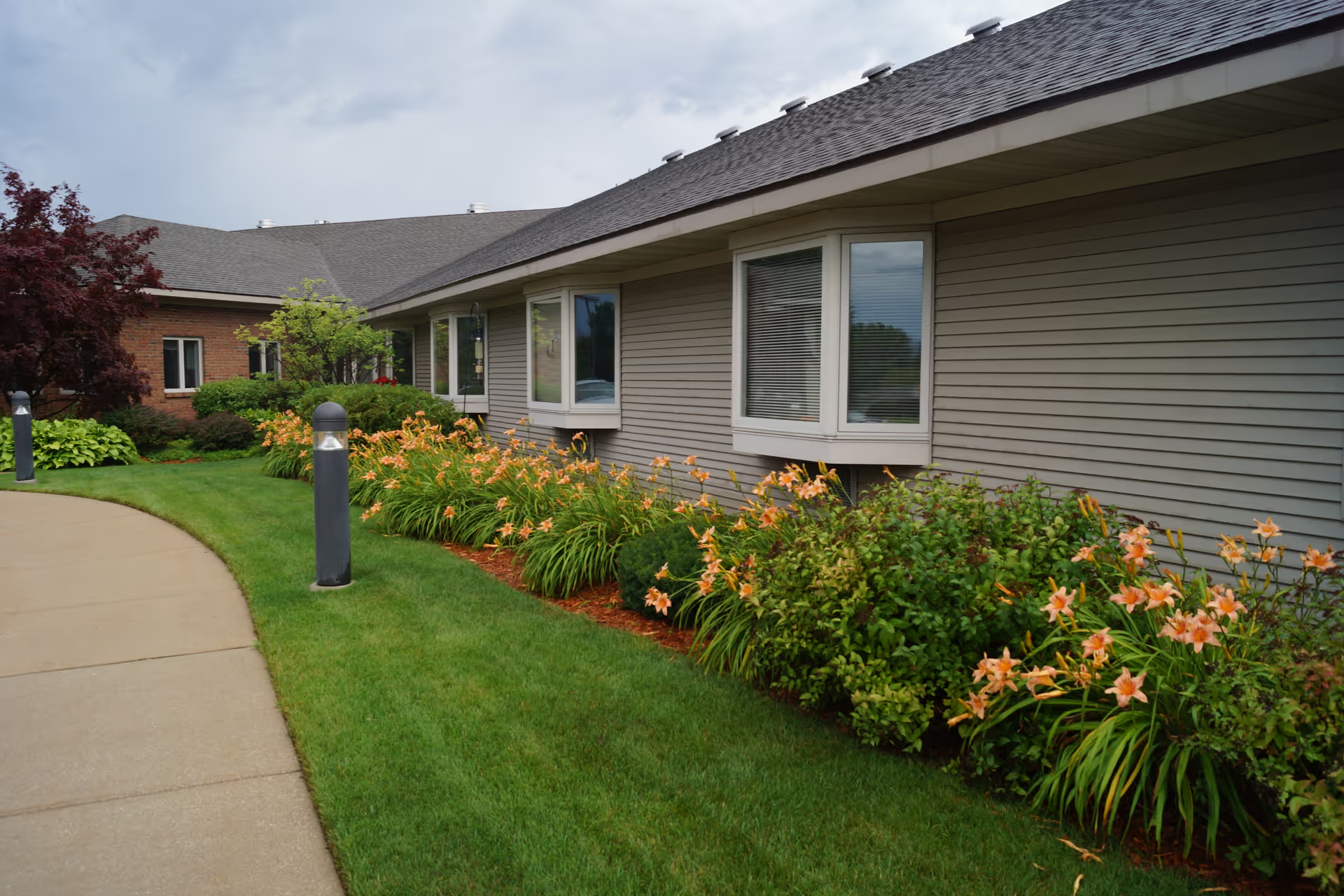
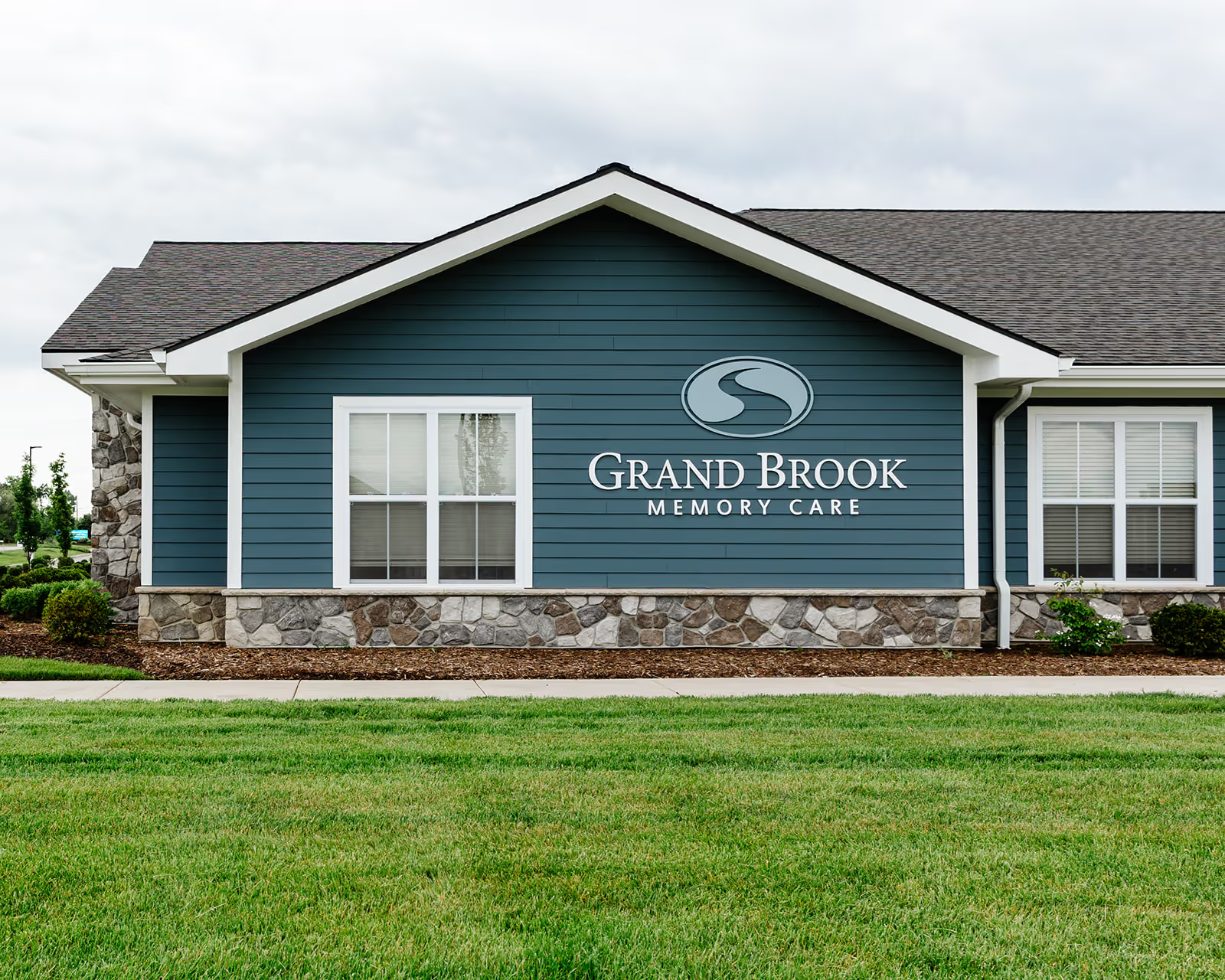
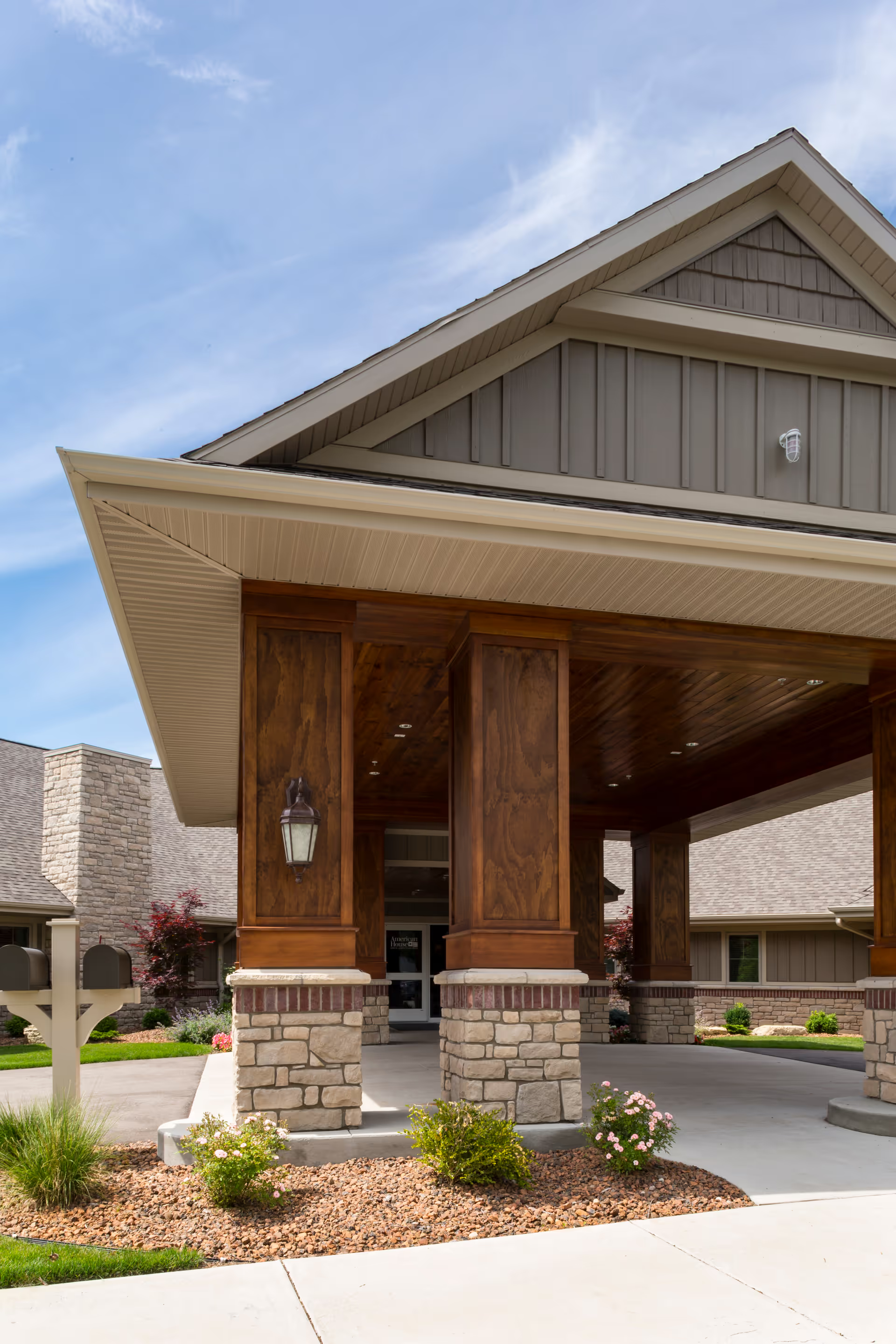
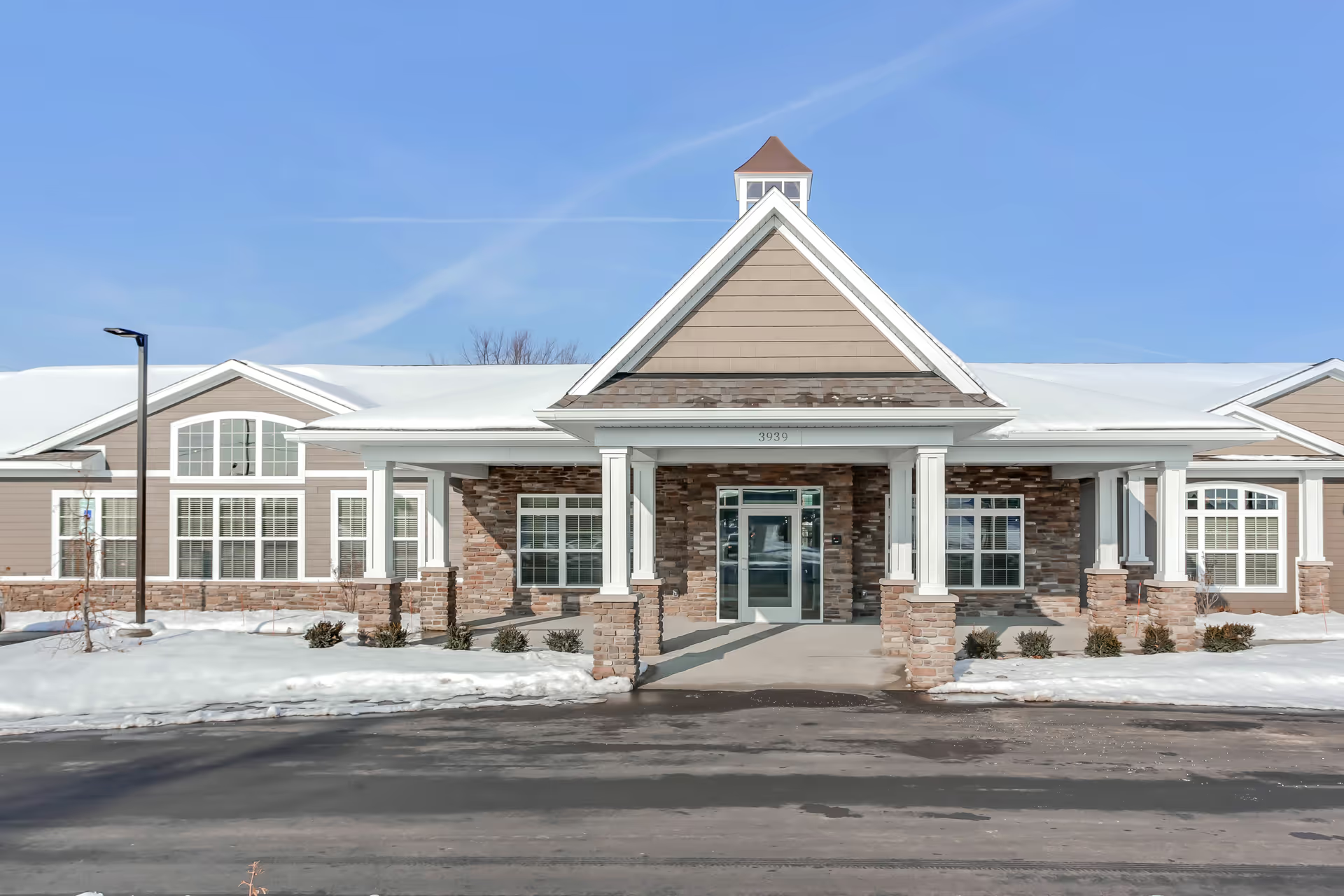
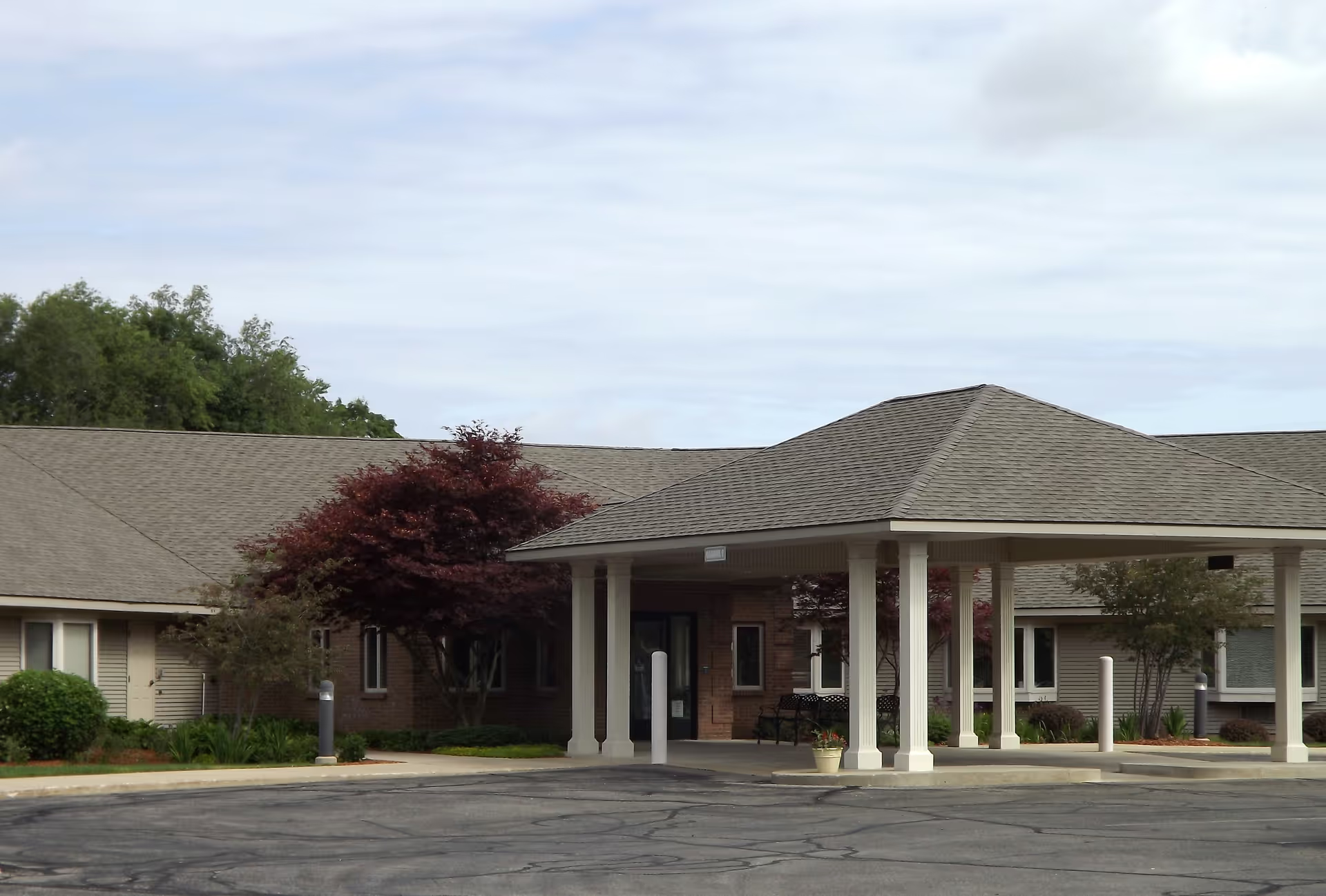
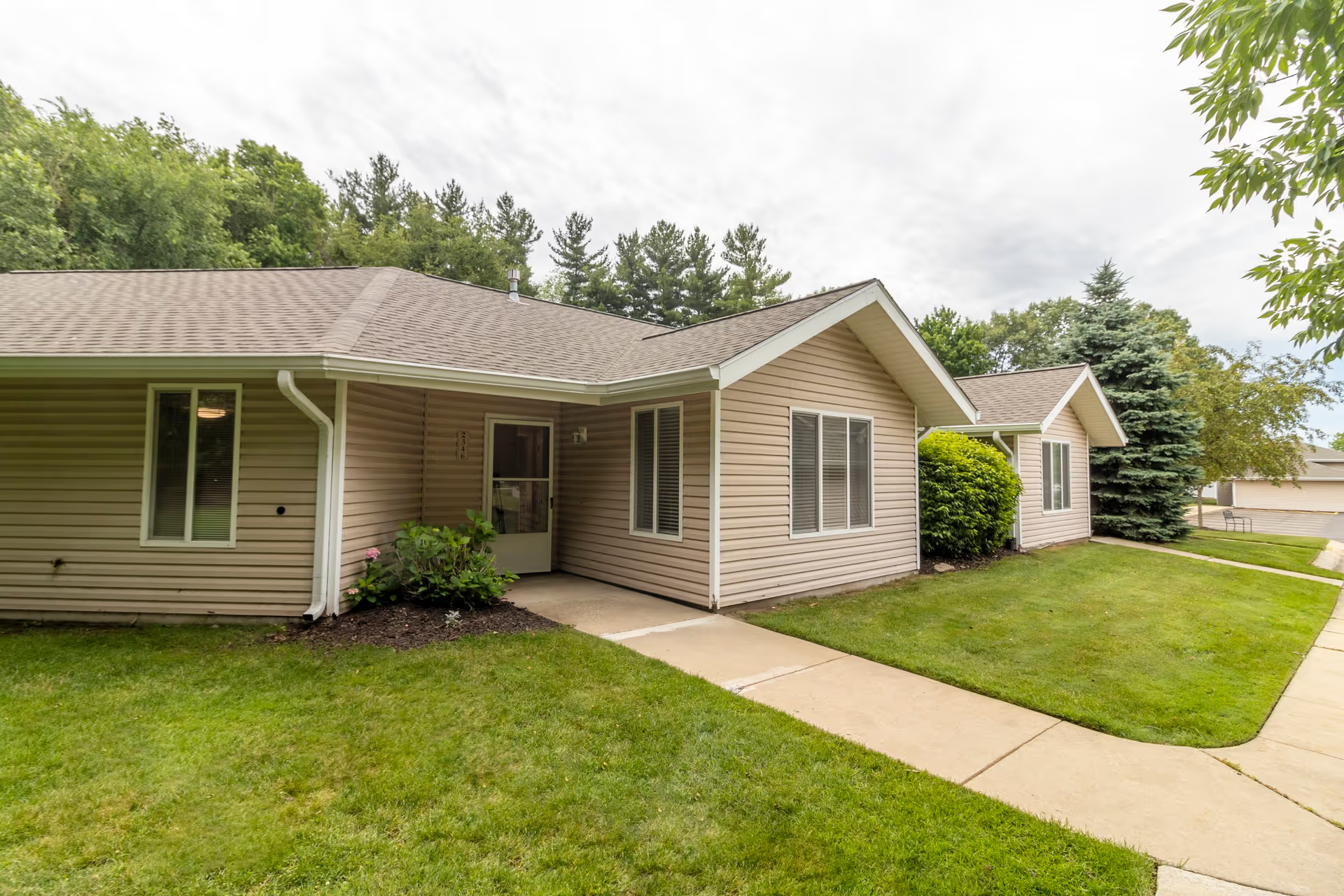
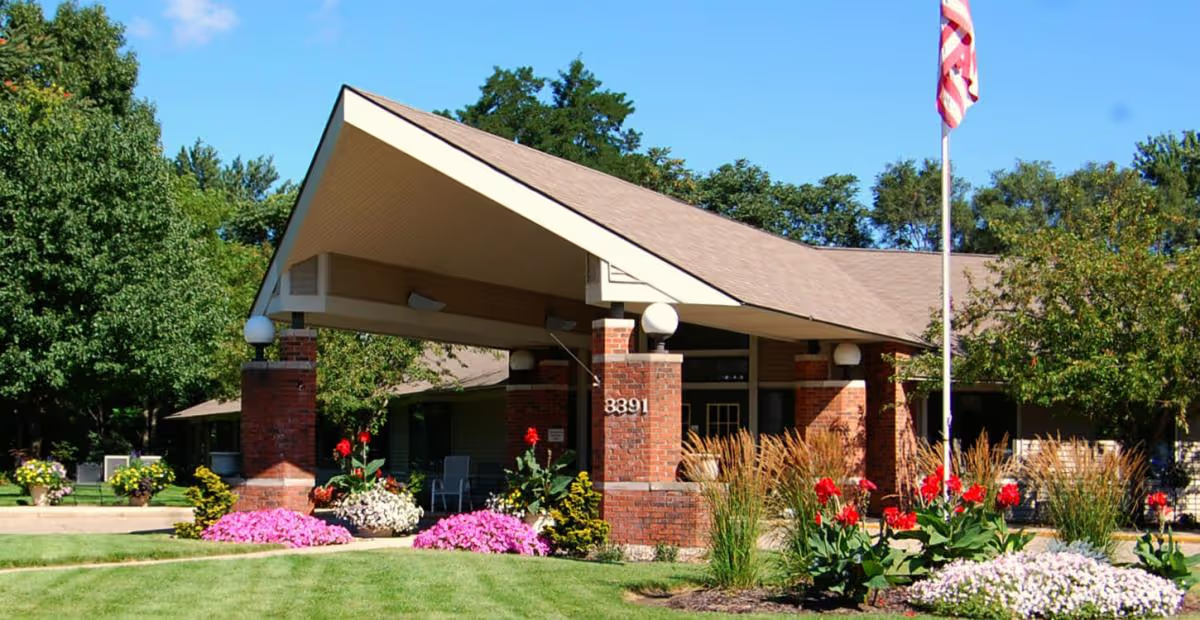
The Oaks at Jamestown presents as a well‑appointed, recently refreshed campus with strong hospitality and social programming. Across many accounts the facility is described as clean, comfortable and hotel‑like, with accessible amenities such as a salon, concierge services, restaurant‑style dining and frequent family‑oriented events. Dining and culinary service are consistently praised for quality and variety, including brunches and themed meals. Activity programming is broad and active, with crafts, outings, happy hours, volunteer opportunities and memory‑focused events that contribute to a positive social environment.
Clinical and caregiving strengths are emphasized in multiple accounts: staff are often described as compassionate, family‑oriented and engaged, and the on‑site therapy (PT/OT) and rehabilitation services receive frequent commendation for effective recovery outcomes. The facility offers a continuum of care—independent, assisted, and memory care—with several families noting good social work and administrative support during transitions.
At the same time, a subset of accounts raises operational concerns that prospective residents and families should assess directly. These concerns cluster around inconsistent nursing responsiveness (including delayed call‑bell responses), gaps in medication processes, uneven personal‑care scheduling and incontinence‑care management, and episodic documentation or communication failures. A few reports describe serious clinical outcomes that families attributed to delays in recognition or response; these accounts underline the importance of clarifying clinical escalation pathways and staffing patterns during a tour.
There are also recurring administrative themes: questions about admissions and billing transparency (for example, private‑pay timing, waitlist handling, and unit availability after Medicaid changes), and perceptions that marketing materials or placement guidance did not fully match on‑unit capability, particularly for some memory‑care needs. These are operational issues rather than universal characterizations of care quality, but they have important implications for family planning and financial arrangements.
Recommendation: The Oaks appears to offer strong hospitality, social programming and therapy services with an engaged caregiving culture. When evaluating the community in person, prioritize verification of clinical responsiveness and medication‑management protocols, review documentation practices and care‑plan communication, and get explicit written information about admissions, billing timing and how rooms are allocated if payor status changes. Observing a mealtime and speaking with the nursing leadership and social worker about recent care transitions can help clarify whether the facility’s strengths align with your loved one’s clinical and administrative needs.